First Outside Festival hopes to sell Colorado as the heart of trillion-dollar outdoor economy
Downtown Denver braces for more than 10,000 people to celebrate the state's industry this weekend.
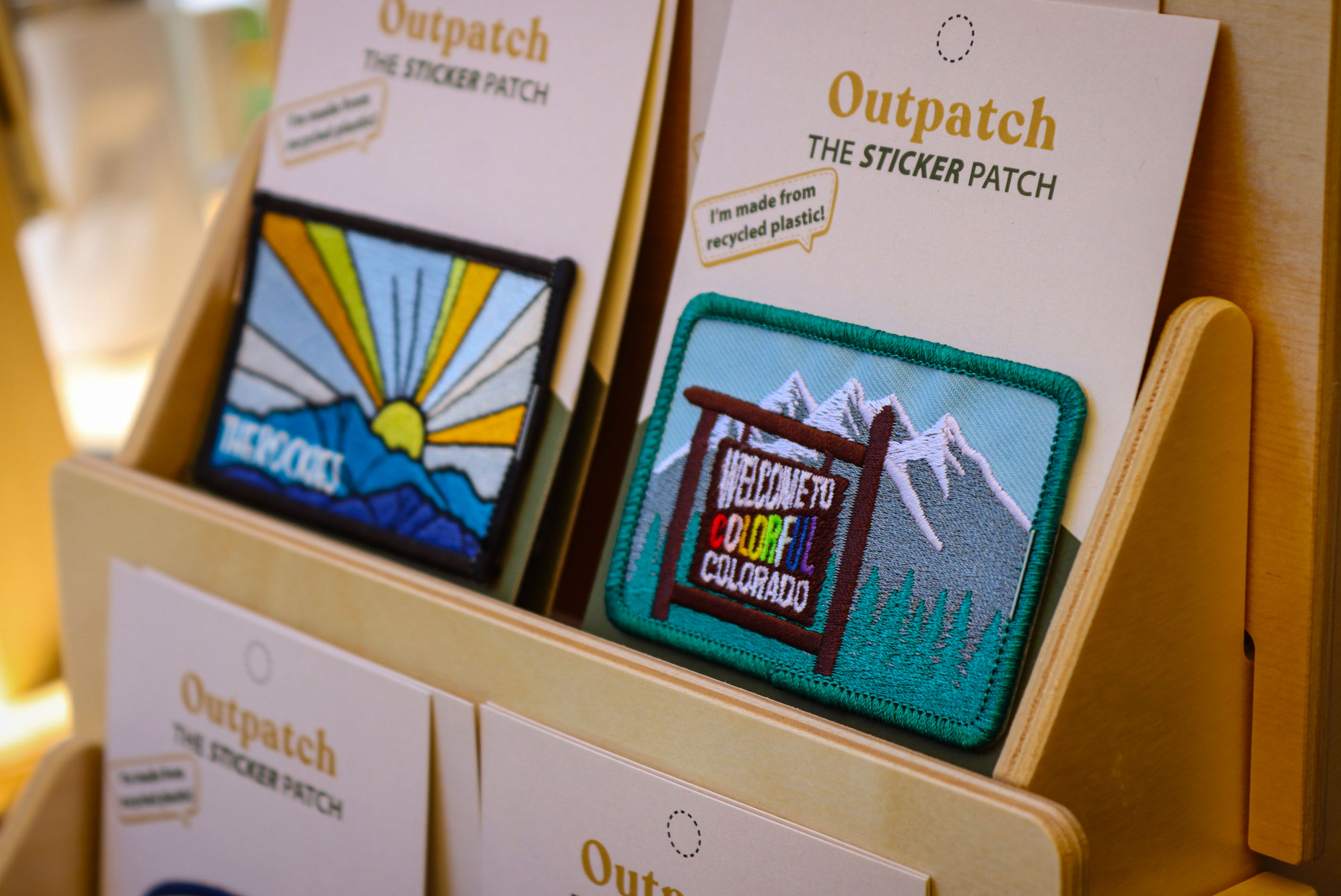
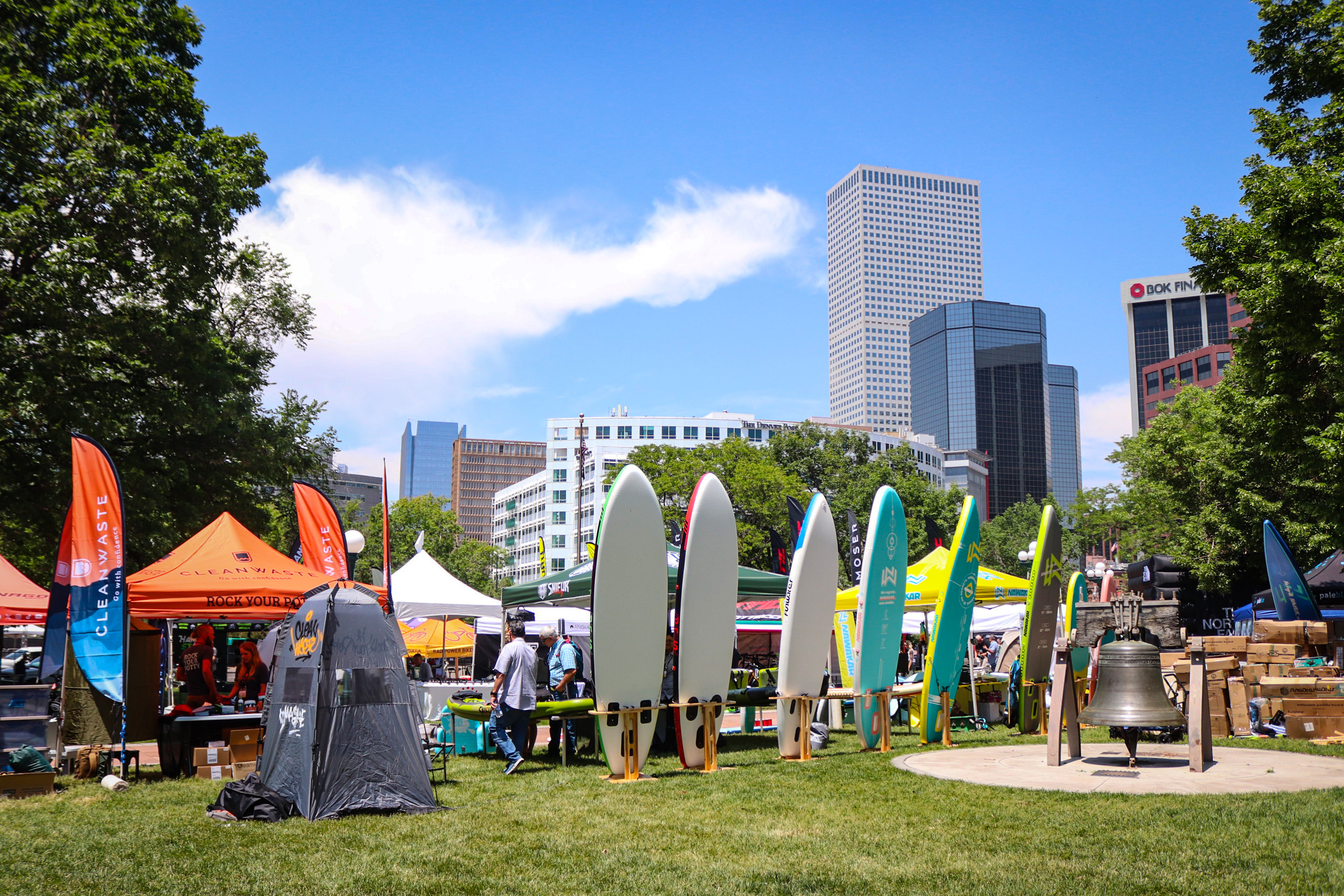
Denver’s first Outside Festival is here.
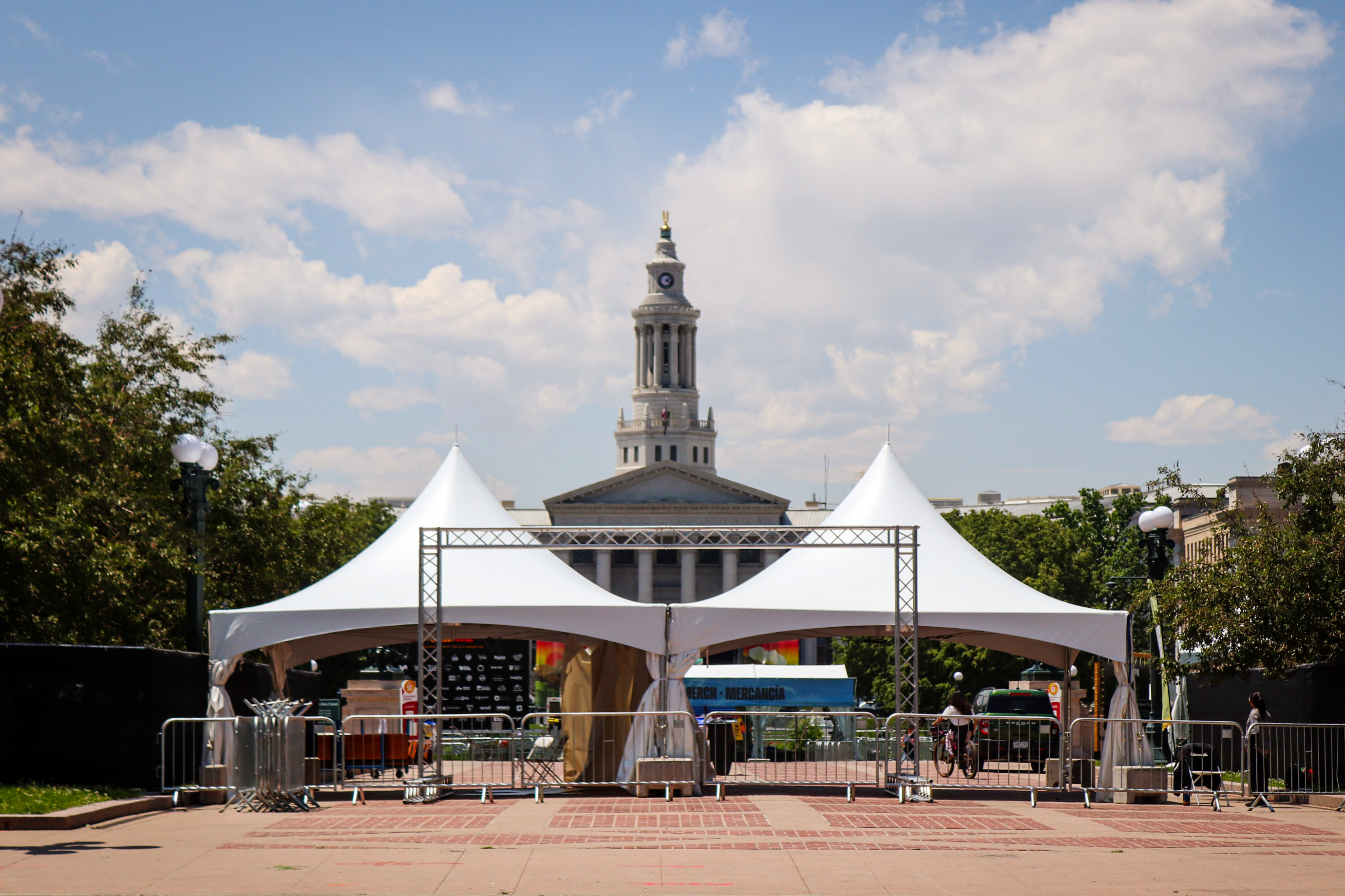
But it didn’t start with the thousands of visitors and dozens of vendors expected this weekend to pack Civic Center Park for its concerts, films and activities.
The Outside Festival began in a conference room at the Denver Art Museum with a smaller event catering to outdoor recreation industry professionals to talk about one of the main reasons the festival even exists: to position Colorado and Denver as the leader of a booming corner of the economy in a just and sustainable way.
“We are reinforcing and showcasing Colorado as the place where the world comes together to experience, celebrate, enjoy the great outdoors,” said Conor Hall, the director of the Colorado Outdoor Recreation Industry Office.
The country’s outdoor recreation industry hit $1 trillion for the first time in 2022, according to the U.S. Bureau of Economic Analysis’s report released in December — growing nearly 5%.
Colorado led in the snow activity sector by far, according to the report. The state contributed $1.4 billion — about 20% of the country’s snow activity economic impact — followed by California which generated less than half of Colorado’s impact at $688 million.
Colorado also saw the 8th-fastest growth of its outdoor workforce at 9.2% over a year, the report found.

Blending business networking with Coachella fun
Denver used to host the Outdoor Retailer, the industry’s largest trade show, until 2022 when it returned to Salt Lake City. State officials came up with the Outside Festival to make up for the trade show’s departure while also starting something from scratch.
Outside Festival — organized by the Colorado Outdoor Recreation Industry Office, tourism agency Visit Denver and media company Outside Inc. — was the product of that.
The event differs mostly by being open to the public.
It has a lineup of concerts, films, speakers, activities in addition to a show of new outdoor gear.
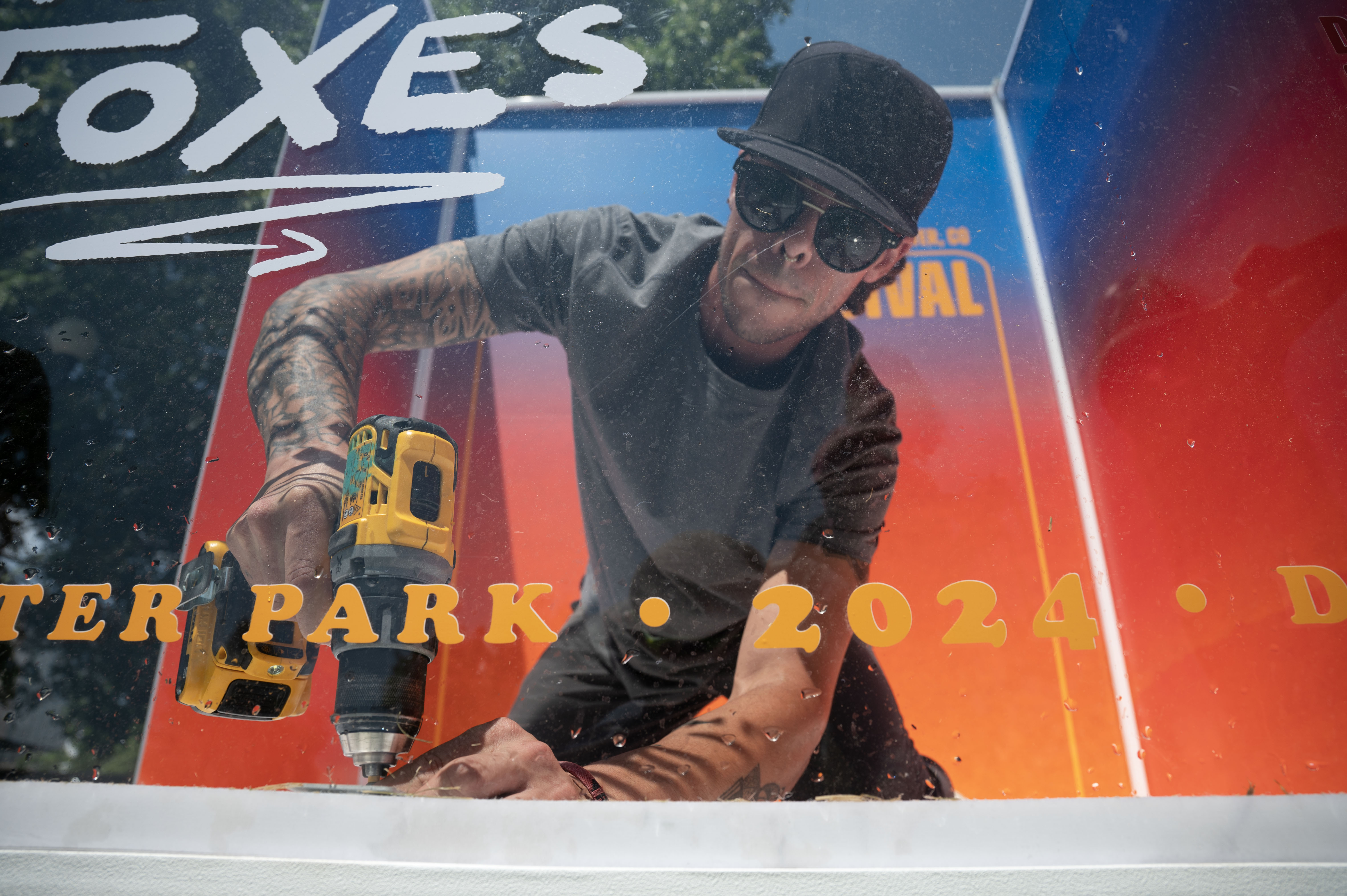
Outside Festival music headliners include Grammy-winning Thundercat on Saturday and Andrew Bird and Fleet Foxes on Sunday.
Speakers include Olympic gold medalist snowboarder Shaun White, Diana Nyad — portrayed by Oscar-nominated actress Annette Bening in a movie detailing her swim from Cuba to Florida — and Native advocate Jody Potts-Joseph.
Event organizers said they’ve looked up to South by Southwest for inspiration. It’s Austin’s premier festival attracting more than 300,000 visitors with its tech conference as well as a film and music festival.
REI Co-op was one of the largest companies to speak out against Outdoor Retailer’s move to Utah over the state’s political lack of public land protections and refused to take part in the trade show since it left Denver.
But the outdoor chain is taking part of the Outside Festival through its Path Ahead Ventures program — its incubator for rising recreation brands run by Black, Indigenous, Hispanic and Asian American and Pacific Islander business owners. Another company that asked the trade show to stay in Denver, North Face, is also present at the Outside Festival.
It will be at the festival’s Big Gear Show, where about 80 brands will feature their products and will be free for the public to visit.
“Outdoor Retailer for us isn’t a match,” Susan Viscon, REI’s executive director of Path Ahead Ventures told The Denver Gazette.
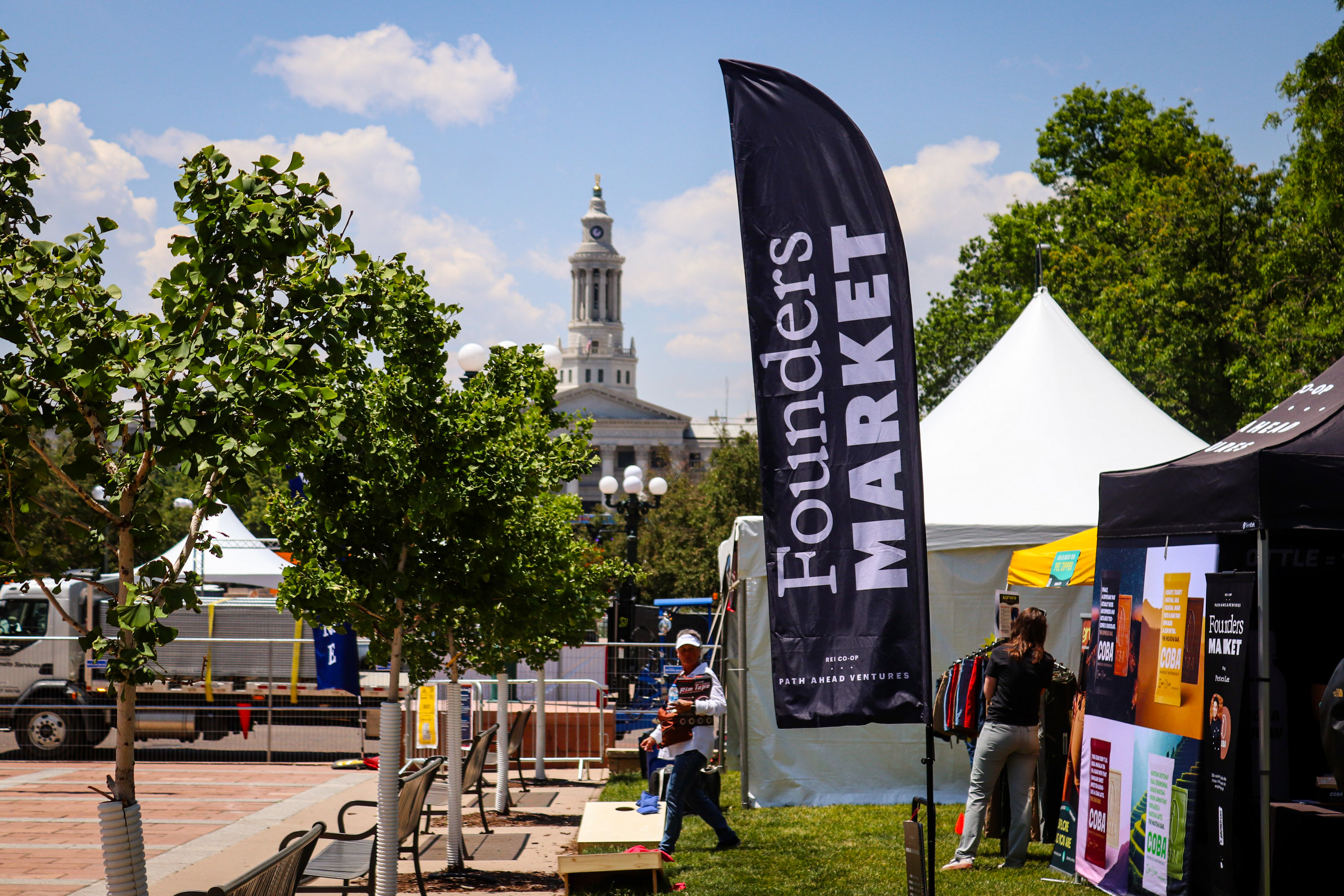
The extra benefit of the Outside Festival besides Colorado’s friendlier policies is getting some of these smaller brands access to more than just industry connections, Viscon said.
“This was really interesting to us because it connected with consumers,” she said.
The festival is expected to attract 10,000 to 15,000 visitors for its first year, according to Outside vice president of marketing Christopher Jerard. But organizers believe it’ll grow to become a 20,000-to-25,000 person event.
Event organizers also hope the festival can boost downtown Denver, which is still recovering from the drop of visits during the pandemic.
“We view this festival as really the culmination of what we think is the heart of the Denver brand,” Mayor Mike Johnston said.
Most of the country believes that businesses and cities have to choose between economic growth or sustainability, he added, but in Denver “we reject that choice.”
The mayor also emphasized how outdoor recreation isn’t limited to wildlife but also to urban public spaces such as parks and the 16th Street Mall once it fully opens from renovations — and that Denver is the industry’s bridge between city life and the mountains.
Colorado’s advantages: politics, sustainability and diversity
Colorado’s progressive politics is a key part of making the state an epicenter for the outdoor industry, several state, city and tourism officials emphasized ahead the event.
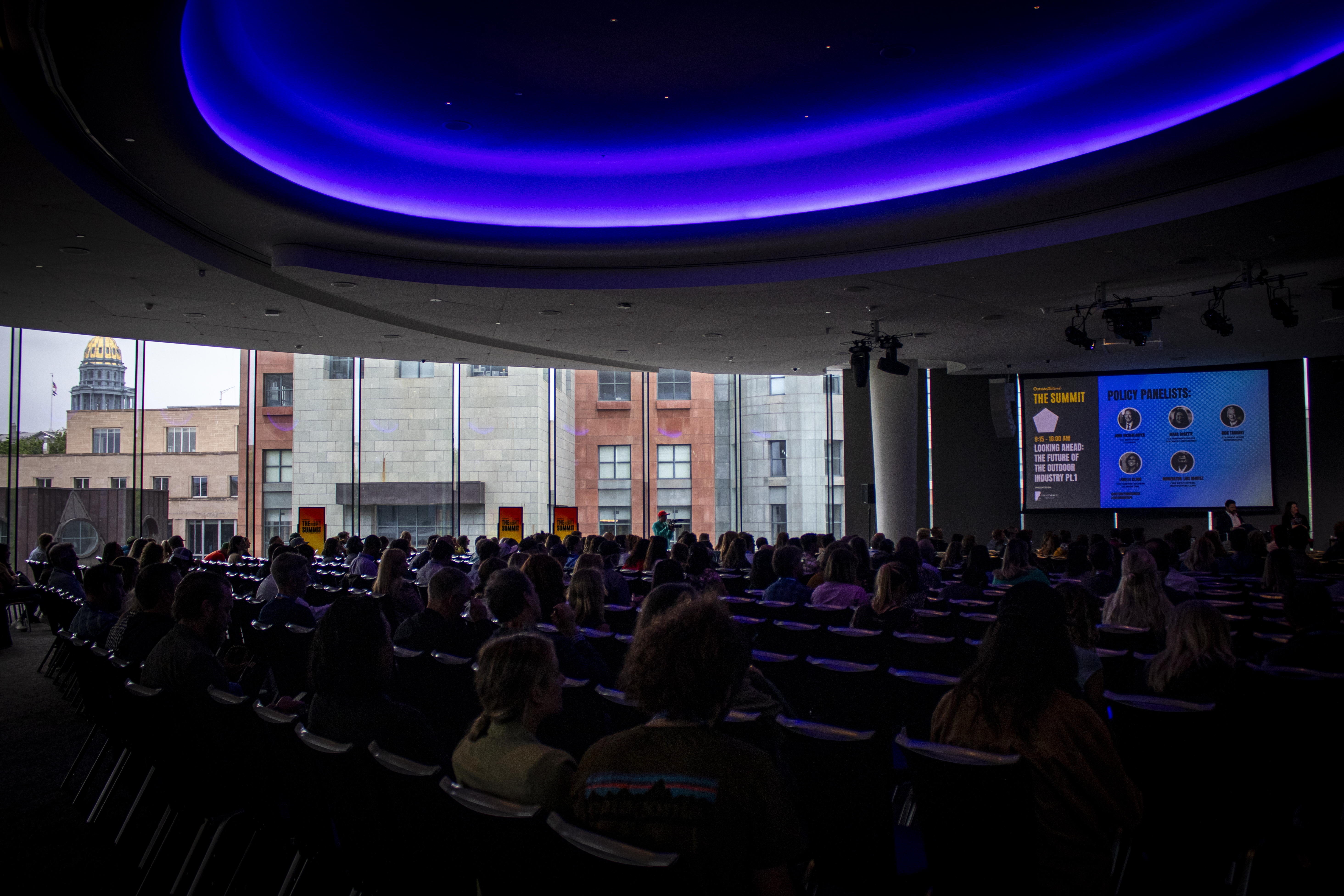
But at the Outside Festival’s industry day “The Summit,” held in the Denver Art Museum on Friday, speakers also said there’s a need to push environmental policies with a bipartisan appeal.
The panel invited politicians from both sides of the aisle though a majority were Democrats, including Denver’s mayor, Sen. John Hickenlooper and Rep. Diana DeGette.
Degette announced Friday she plans to reintroduce in Congress next week the Colorado Wilderness Act to protect approximately 660,000 acres across the state. But, she said, it’s a “fight” despite having some bipartisan support last time as Speaker Mike Johnson and Republicans took the majority of the House.
“I’ve been frustrated with my Colorado Wilderness Act because it’s been vetted,” Denver’s congressional representative said. “Don’t assume that you should only talk to Democrats. Talk to Republicans and unaffiliated voters because these lands are all of our lands.”
Some of the most “ardent conservationists” are conservative hunters and fishers who are out in the land, Denver’s mayor said. Getting people more engaged with the outdoors can lead to more people wanting to fight for it, he said, regardless of party affiliation.
“I also think that’s true of the economic impact of this industry,” Johnston said. “As you see the huge growth of the outdoor industry as an economic driver in the state that is great for business.”
State Rep. Rick Taggart, a Republican from Grand Junction, said his biggest concern is seeing too much money go to the state’s ski industry and not enough support for smaller businesses, especially in rural areas.
“I’m here to say that those small, upstart medium-sized companies that many of you represent are being lured to a state right next to us on a continual basis based on having free trade zones and transportation systems that have evolved,” Taggert said.
The Summit also highlighted the need for sustainability as tourism is growing in the state and including more diverse voices in the industry.
The festival is asking guests to bring clear, non-glass water bottles to refill and vendors will serve drinks in compostable cups to reduce waste.
Colorado can help lead the nation in making clean and equitable initiatives good for the economy, said Jason Swann, the director of conservation finance at Denver nonprofit Trust for Public Land.
As the industry boomed during the pandemic, he said, outdoor recreation is at risk of catering mostly to upper-middle class white customers.
Swann added that gear is expensive, leaving out many potential customers.
“We just got to start thinking differently about how do you market to a more broader community,” Swann said, “We want to be sustainable long term in this industry given the demographic shifts.”