




Leadville’s historic past features mining booms, an ice palace, and more
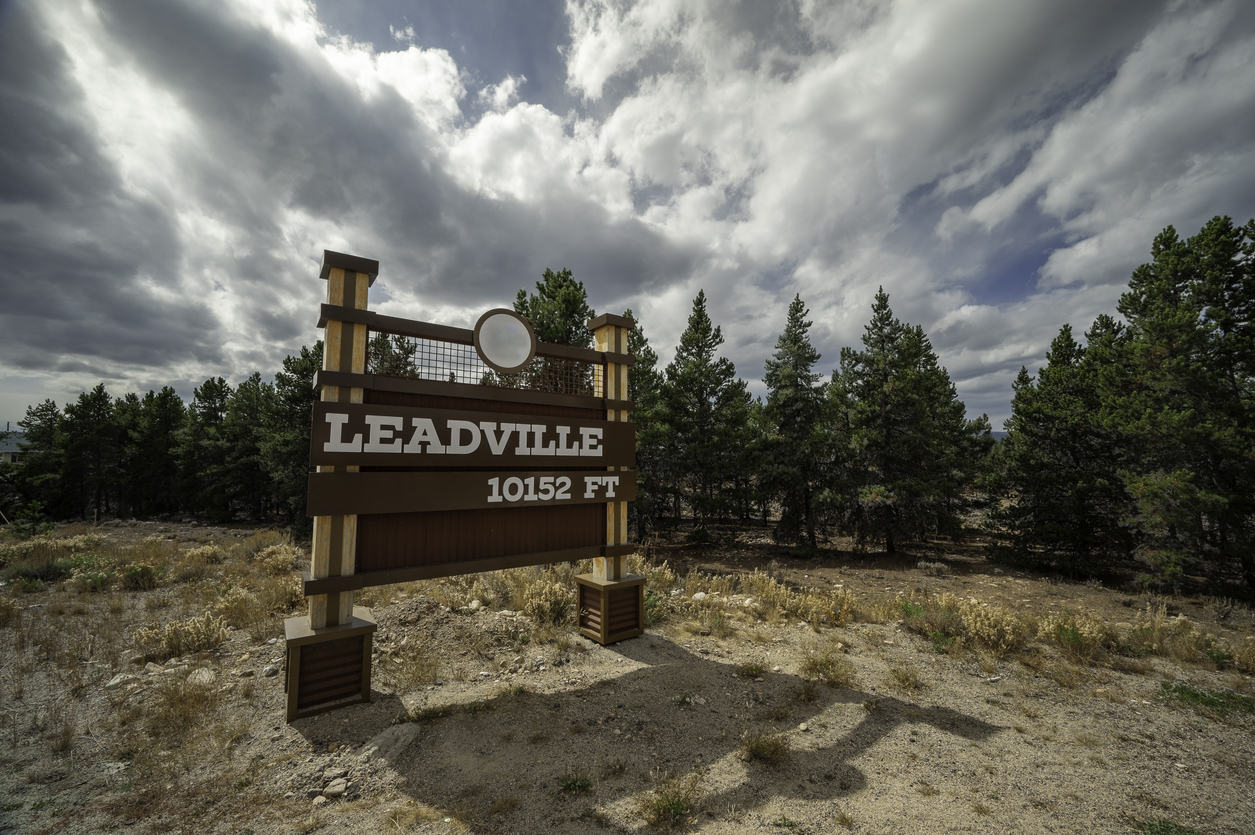
With its rich mining history, Victorian charm, and natural beauty, Leadville is a very special place. As the U.S.’s highest incorporated city, Leadville provides great views of some of Colorado’s most stunning scenery, including the state’s highest fourteeners, Mount Elbert and Mount Massive.
Here’s a quick history of how Leadville came to be:
Ute Indians
According to the Colorado Encyclopedia, the Ute people were the first to frequent the Leadville area. They visited the Arkansas River as part of their seasonal migratory rounds. However, this changed when gold seekers flocked to the area.
Gold in California Gulch
Abe Lee found gold in the California Gulch in 1860. The news spread fast, and soon about 10,000 people lived along the five miles of the California Gulch. The area became known as Oro City – ‘oro’ being Spanish for ‘gold.’ Miners panned more than $3 million in gold by 1865, but at that point, most of the gold had panned out and the area dwindled to only a few people by 1870.
Silver Boom
While investigating heavy black mud, William Stevens and Alvinus Wood determined it was lead carbonate full of silver in 1874. They kept the discovery a secret, allowing everyone else to believe they were mining lead. After staking out claims across the hills, Stevens and Wood announced their discovery in 1876.
August Meyer and Edwin Harrison, from St. Louis Smelting & Refining Company, worked to develop infrastructure in Leadville and transform it into a mining boomtown. They built the area’s first smelter, the Harrison Reduction Works, and initiated a road-building program.
Leadville was officially incorporated in 1878. By 1879 the population had grown to about 30,000 people. According to Federal Heights, Horace Tabor became Leadville’s first mayor. Also known as the “Bonanza King of Leadville” or “Silver King,” Tabor owned the successful Matchless Mine.
According to the Colorado Encyclopedia, Leadville quickly earned a “well-deserved reputation for violence and vice.” The town continued to develop, however, with churches, banks, a hospital, schools, and more. The Denver & Rio Grande Railroad arrived and provided cheap and quick transportation.
The Crash
The repeal of the Sherman Silver Purchase Act in 1893 resulted in an economic panic, according to Federal Heights. Most silver mines closed, causing many inhabitants to lose jobs.
That said, the city returned to its status as Colorado’s most productive mining town by 1895 and experienced stable growth after. The town built a spectacular ice palace in 1895 to attract tourists and boost the local economy. That said, it was a financial failure and after it melted in 1896, prior plans to rebuild it each season were changed.
The Climax Mine
The Climax Mine opened to produce molybdenum, and produced about 75 percent of the world’s supply at one point, according to Colorado Encyclopedia and Federal Heights. However, the mine closed in 1982, sending Leadville into an economic depression. Climax Mine reopened in 2012.
Ken Chlouber, a local miner, created the Leadville Trail 100 Run in 1983 to bring attention to Leadville after the Climax Mine’s closure. The race has had national news coverage and still attracts athletes from around the globe.
Today
The Leadville Historic District (designated as a National Historic Landmark) now includes 67 mines, 70 square blocks of original Victorian architecture, and 50 turn-of-the-century buildings, according to the city’s website. Leadville is also one of Colorado’s premiere heritage tourism destinations and has more museums than any other city in Colorado.
Get OutThere
Signup today for free and be the first to get notified on new updates.
PREV
PREVIOUS
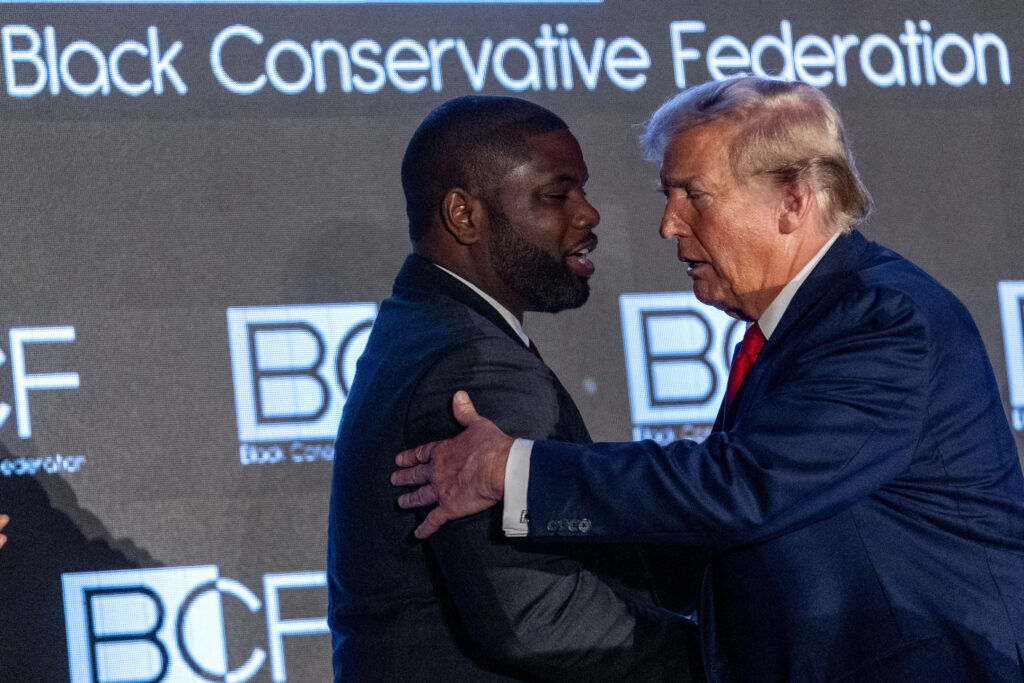
Liberal Media Scream: ‘The View’ says black people not allowed to leave the Democratic plantation
This week’s Liberal Media Scream features The View engaging in racial politics and suggesting that minority viewers should stay in their Democratic lane. On the show, Sunny Hostin was discussing Rep. Byron Donalds (R-FL) giving his support to former President Donald Trump. He is one of Trump’s potential picks for a running mate. Hostin, whose […]
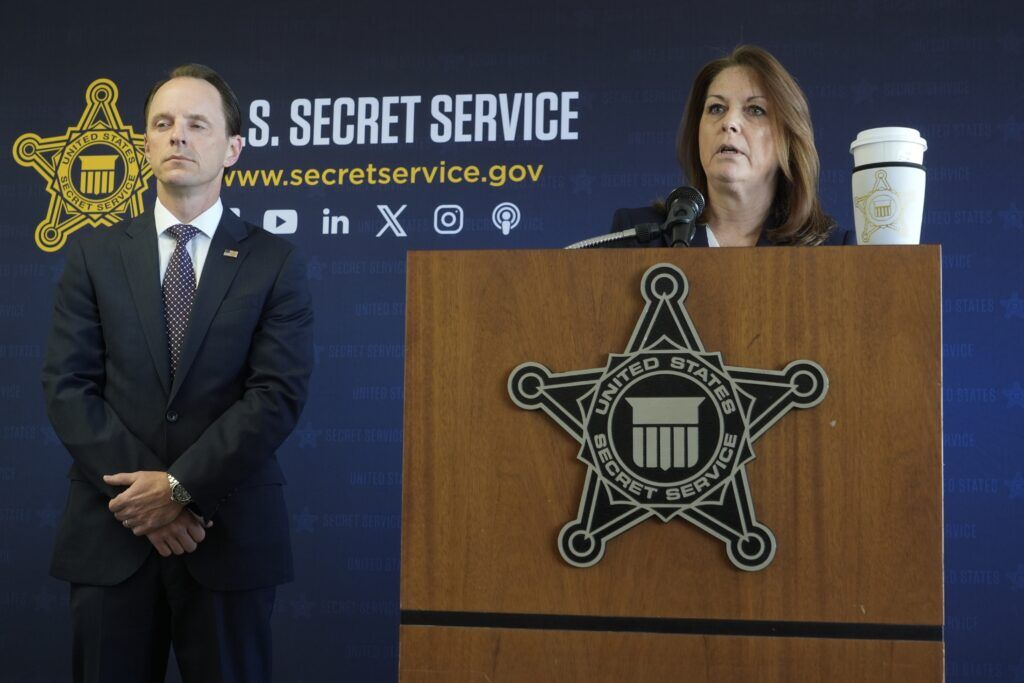
Secret Service warns of protests and road closures during NATO summit
The Secret Service has informed residents and those who work in Washington, D.C., that certain areas of the city will be off-limits when the city hosts the NATO summit next month. This year’s NATO summit will be held from July 9-11 at the Walter E. Washington Convention Center. As such, the Secret Service has cautioned […]