




Number of Colorado teens using marijuana drops, but vaping THC rises statewide
A new biannual study from the Colorado Department of Public Health and Environment shows slight decrease in school-age marijuana users
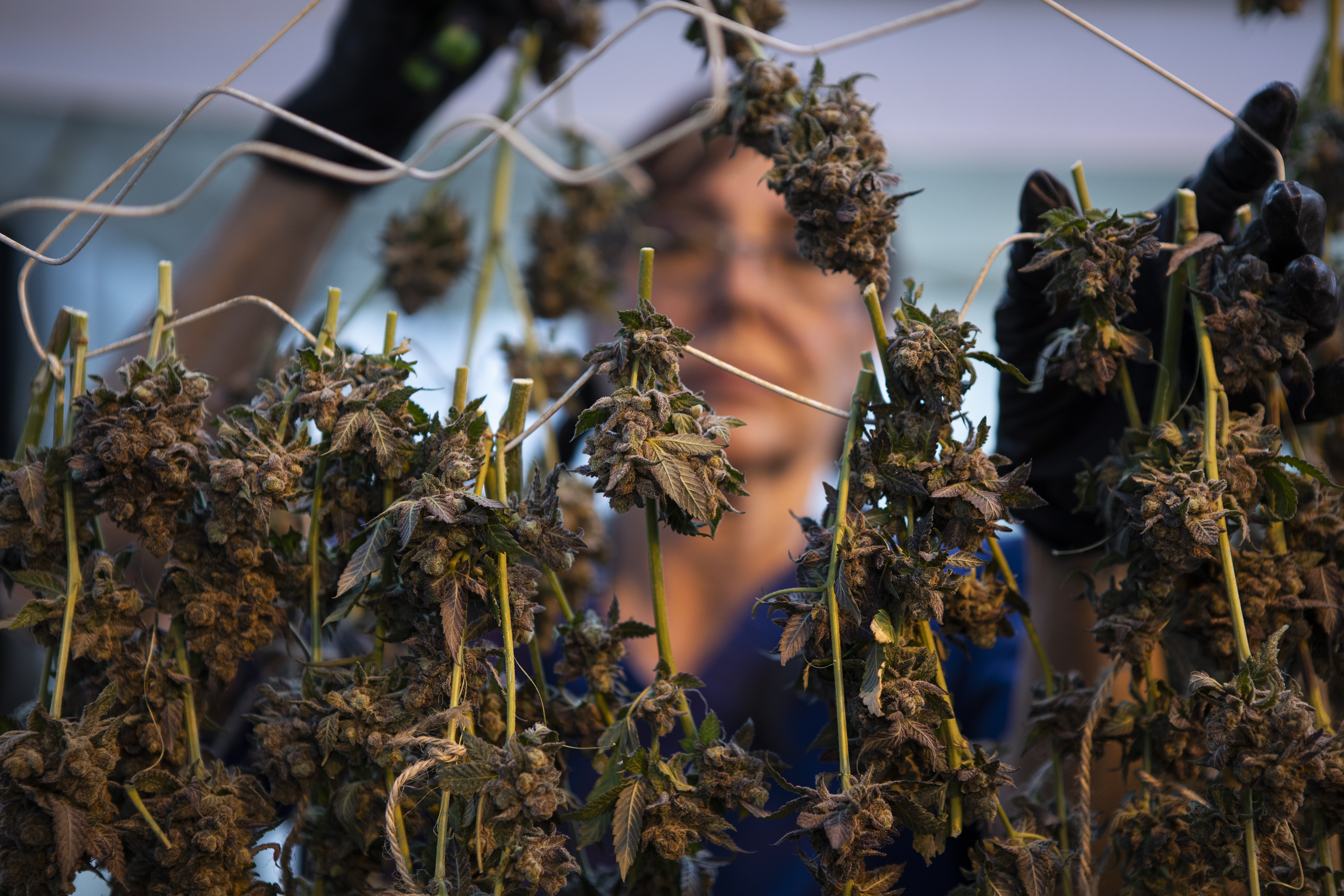
Fewer high school students are using marijuana across Colorado, although the numbers in Denver remained basically flat, according to a new study from the Colorado Department of Public Health and Environment.
Many regarded the results as a victory, with some attributing it to educational campaign targeting young people, while others pointed to a new law that, among other things, limited the amount of THC in medical marijuana that may be purchased for a day, banned advertising geared toward young people and imposed stricter requirements for this group to obtain a medical marijuana card.
The department’s biannual Healthy Kids Colorado Survey — which asked questions to more than 120,000 students from 344 schools in 46 Colorado counties — found that 12.8% of high school students in Colorado reported using cannabis in the 30 days prior to the 2023 survey.
It’s a slight decrease from the last survey, which said 13.3% of students reported using marijuana. It reached as high as 20.6% in 2019.
In comparison, a nationwide study held by the U.S. Centers for Disease Control in 2021 found that 16% of high school students had reported cannabis usage 30 days prior.
“We are extremely pleased to see the rate of current cannabis use among Colorado high school students continues to decline and remains lower than the national average,” said Chuck Smith, president of the board of directors for Colorado Leads, a trade group within the cannabis industry.
“Significantly fewer high school students report cannabis is easy to get today compared to the years preceding legal adult sales, which suggests our system is working as intended with regard to preventing youth access,” Smith said.
Colorado Leads describes itself as a group of business leaders who “recognize a sustainable cannabis business climate and responsible cannabis industry are critical to our state’s economy and the wellbeing of local communities.”
Among high school students, 40.4% surveyed said it would be “sort of easy or very easy to get marijuana if they wanted.” In 2013, the year before the introduction of legal cannabis sales in Colorado, that number stood at 54.9%.
But compared to 2021, that number is basically flat — 40.3% that year said it would be easy to get.
The survey noted several upward trends. More high school students vaped THC, the psychoactive chemical in cannabis, compared to the previous survey. More said they got cannabis from adults and more 13-year-old youth used the drug for the first time compared to the previous survey.
In Denver high schools, marijuana usage remains lower than the state average, but the Healthy Kids Colorado Survey found that 11.9% of teenagers in the city used marijuana within 30 days of the survey, a slight increase from the 11% in 2021.
In 2019, that number stood at 25.5%.
Eric Escudero, communications director for Denver’s Department of Excise and Licenses, pointed to the latest numbers to say the city’s “High Costs” educational campaign is working. The campaign, which was launched in 2017, creates informational videos and posters for schools regarding information about marijuana and cannabis-based products.
“Denver led the way as the first American city with legalized recreational marijuana, and we made a promise that we would use a portion of marijuana tax dollars on youth prevention,” Escudero said. “We have kept that promise with one of the most highly successful youth marijuana usage prevention campaigns in U.S. history.”
Meanwhile, Rachel O’Bryan, co-founder of One Chance to Grow Up, attributed the decreases noted in some areas statewide to the passing of House Bill 21-1317 in 2021. One Chance to Grow Up is a nonprofit that highlights the dangers of marijuana to children.
That law, which sought to decrease THC usage amongst teens, limited daily purchases of medical marijuana concentrate from 40 grams to 8 grams or 2 grams for patients under 21; restricted doctors to only recommend medical marijuana within their scopes of practice and with extra requirements; and, expanded tracking on patient purchases.
Despite the noted efforts by Denver and the decreases throughout the state, some believe there is still work to be done.
“While these latest figures are promising, we recognize we must remain vigilant and continue to work with regulators and other stakeholders to maintain this promising trend,” said Smith of Colorado Leads.
O’Bryan, meanwhile, noted the increase in vape usage among high school smokers highlighted in the Health Kids Colorado Survey.
“The increase in high school marijuana vaping gets to the heart of problems that remain in the commercialized marijuana market and still threaten the health of Colorado youth,” O’Bryan said.
Get OutThere
Signup today for free and be the first to get notified on new updates.
PREV
PREVIOUS

Chauncey Billups to receive lifetime achievement award during Denver Juneteenth festival
The King of Park Hill will be celebrated in Five Points this weekend. Denver native Chauncey Billups is set to receive a lifetime achievement award on the main stage of Sunday’s Juneteenth festival (2701 Welton St.) at 6 p.m. Juneteenth commemorates the day slavery ended following the Civil War. After All-American careers at George Washington […]
Alex Jones’s Infowars to be liquidated to secure $1 billion payment for Sandy Hook families
Alex Jones is set to lose his media company, Infowars, after a bankruptcy court judge approved the liquidation of his assets to pay his more than $1 billion debt to the families of the Sandy Hook shooting victims. Jones incurred the debt when judges ruled in two 2022 cases that he promoted false conspiracy theories […]