







COVID-19 not seasonal disease yet, Denver Health official says

FILE PHOTO
Kunal Mahto/iStock.com
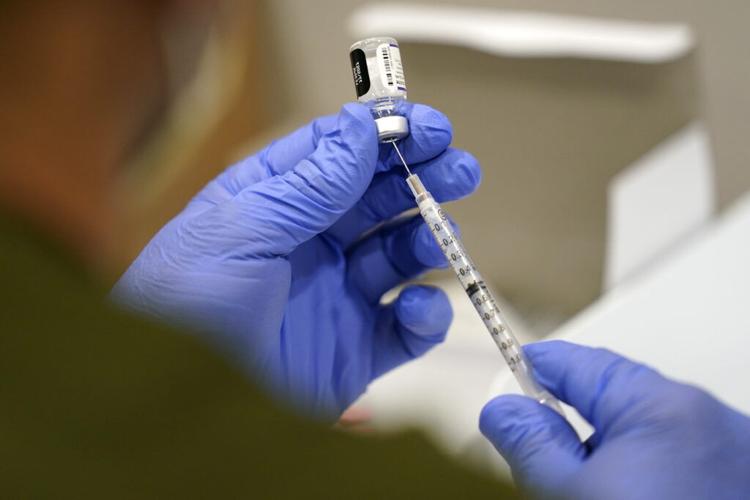


The rising number of COVID-19 cases throughout the summer has Denver health officials believing the novel corona virus has yet to transition into a seasonal respiratory disease.
“I think a lot of people have predicted that eventually we’ll get to seasonality,” said Dr. Anuj Mehta, a critical care pulmonologist at Denver Health and Colorado Vaccine Equity Taskforce member.
“COVID has only been around for four years. I don’t think we know it well enough.”
Epidemiologists have long assumed COVID-19 — a contagious, respiratory illness that first emerged four years ago — would settle into becoming a seasonal disease, much like the flu.
Typically, the flu circulates in the U.S. from October to May.
Without transmission routes in 2020 as governments restricted or shut down schools or businesses at the height of COVID-19, flu cases plummeted across the nation. Colorado had just 34 flu-related hospitalizations in the 2020-2021 season, compared to more than 3,500 the year before.
With the introduction of novel coronavirus, health officials now track COVID-19 in addition to flu and RSV, a common respiratory virus that triggers mild, cold-like symptoms but can cause serious illness in infants and older adults.
While the flu can be detected year-round, it usually peaks between December and February.
The cold, dry winter months create conditions that are a more favorable environment for many respiratory viruses to remain stable and transmissible. And people tend to spend more time indoors and in close proximity during the winter, increasing the chances of transmission. These, and other factors, contribute to the increased viral circulation during the winter months.
Health experts have predicted COVID-19 would follow a similar trajectory.
“Because there was so much (COVID) circulating consistently for four years, I think what happened is you will naturally see the bumps and spikes,” said Leslee Warren, Epidemiology Unit supervisor for Denver Department of Public Health and Environment.
“We haven’t had a season where it has completely fizzled out.”
‘Constantly on our toes’
At the first of the year, Colorado reported more than 3,100 COVID-19 cases the week of January 6. That number steadily dropped until late April, when fewer than 500 Coloradans were reporting infections in a given week.
Cases have been ticking up ever since.
As of the week of June 29 — the latest statewide data available — there were 1,371 reported cases.
“COVID, while still important, is not making people as sick,” Mehta said.
Typically, respiratory diseases are a concern during the fall and winter months.
Mehta has a theory. Some scientists have speculated about the effects of climate change on the spread of COVID-19.
“As seasons become less predictable, seasonality (of disease) also becomes less predictable,” Mehta said.
Although cases are rising, the number of hospitalizations are remaining fairly steady.
Across Colorado this week, there were about 95 patients hospitalized with COVID-19. That’s up about 30 percent since the week of May 14 when 73 Coloradans were hospitalized, state data shows.
The increased number of cases and the amount of shedding virus found in wastewater has not translated into a greater number of deaths — Mehta and Warren said — because the vast majority of Coloradans have immunity against COVID-19. Immunity can be achieved either through vaccination or prior infection.
Since scientists first identified COVID-19 in December 2019, the novel virus has killed seven million people the world over, including nearly 1.2 million Americans and more than 15,500 Coloradans. At the height of the pandemic, governments here and abroad shut down businesses, closed schools, prohibited gatherings, and restricted travel. In the U.S., the government approved massive spending measures to stop the economy from collapsing.
COVID patients, Mehta said, are far more likely to die than patients hospitalized with influenza.
As infections four years ago from a novel virus rapidly spread across the country and states began employing shutdowns, it was then unknown how much changing American’s behaviors could thwart the disease.
“I just don’t think we know COVID yet to predict how this is going to go and that means we’re constantly on our toes trying to catch infections,” Mehta said.