







Lakewood and Golden parks going organic

Roosevelt Park in Longmont, Colo. Beyond Pesticides worked with the City of Longmont to transition to organic land and soil management.
Courtesy of Beyond Pesticides
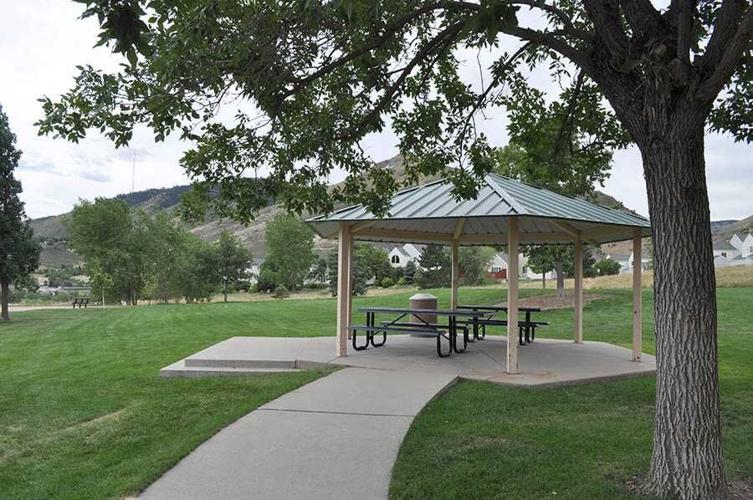
The cities of Lakewood and Golden will transition to organic land management within six different parks in an effort to protect community health and the environment.
The parks will replace synthetic weed killers and other pesticides with organic practices like soil aeration, maintaining a certain mowing height, controlling moisture in the soil, and feeding the healthy organisms in the soil, according to Executive Director of Beyond Pesticides Jay Feldman.
“Feed the soil, not the plant,” said Feldman. “If you build soil health, you can cycle nutrients that are made available to the plant.”
Nurturing healthy bacteria and fungi in the soil makes plants more resilient and able to withstand harsh conditions, according to a news release from Beyond Pesticides.
Longmont and Beyond Pesticides implemented this method with two parks several years ago, and after experiencing success, held a session on organic land management.
At the session, representatives from Lakewood and Golden learned about the process and decided to apply it to their own parks.
The Link Recreation Center Baseball Field, The Mountair Dog Park, and Belmar Traditional Park will be the first parks in Lakewood to switch to organic management.
Golden will also implement this method at DeLong Park, New Loveland Mine Park, and Southridge Park.
“In launching the project in Golden and Lakewood, we are working with the community to embrace an environmental public health ethic that is intended to ensure a sustainable future,” said Feldman.
The projects in Lakewood and Golden are sponsored and funded by Natural Grocers, a Colorado-based organic retailer that sells groceries, dietary supplements, and body care products.
“The biggest benefit, of course, will be for families with children and pets who will have safer green spaces to play on,” said Vice President Advocacy & Governmental Affairs at Natural Grocers Alan Lewis in a news release.
Pesticides have direct adverse effects on humans, animals, water, air, and soil, according to a study by the Center for Biological Diversity.
The study also shows that adding synthetic nutrients — such as pesticides and fertilizers — to a plant, weakens the plant and makes it more vulnerable to disease and infestation.
On the other hand, managing land organically builds soil health and causes the soil to retain more moisture, helping plants resist disease and infestations.
“Without biodiversity in the soil, life cannot exist,” Feldman said. “This interrelationship is critical, and we bring that all together in the parks program to help reduce a city’s carbon footprint and protect public health.”
“We will continue to add pesticide-free parks to the system when feasible after evaluating the progress at our pilot park locations,” a spokesperson for the city of Lakewood told the Denver Gazette via email.

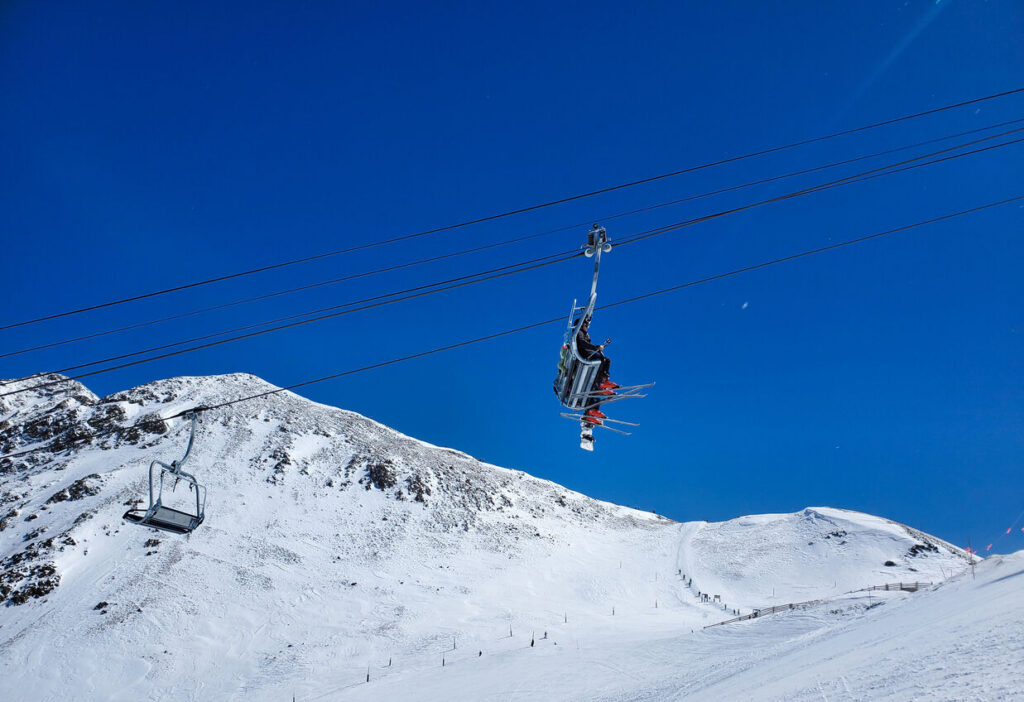
Ikon Pass announces changes for Colorado access and pricing ahead of sales starting next week
Spencer McKee
spencer@outtherecolorado.com
Updated 4 seconds ago
Days after Epic Pass made headlines by announcing a big discount for the Gen Z demographic, Ikon Pass is making headlines related to an announcement regarding next season’s winter pass, too. As far as Coloradans are concerned, the two biggest...

Spencer McKee
Reporter
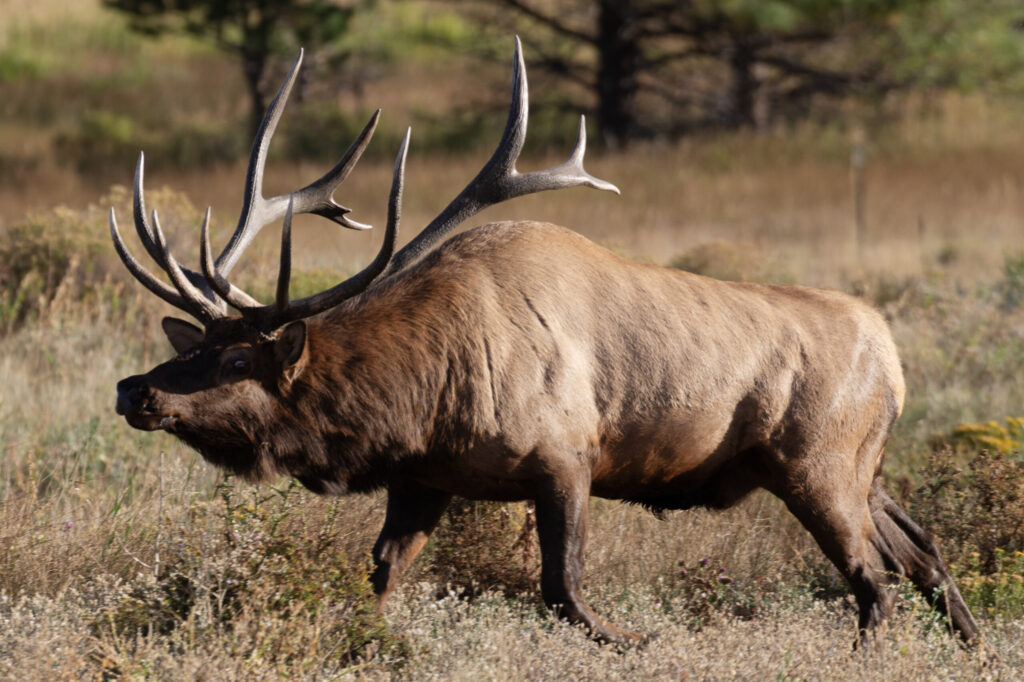
It’s time to apply for big game hunting licenses in Colorado
Seth Boster
seth.boster@gazette.com
Updated 40 seconds ago
Colorado Parks and Wildlife’s new big game brochure has been hitting hunters’ mailboxes ー the annual reminder to start planning for the seasons ahead. CPW also reminded in a recent social media post: “Whether you’re after a long-awaited lifetime tag...

Seth Boster
Reporter

New Dark Sky Community designated in Colorado, joining short list
Seth Boster
seth.boster@gazette.com
Updated 6 minutes ago
Another part of Colorado has been recognized for its rare celestial view. In announcing the state’s next Dark Sky Community, DarkSky International described Old Snowmass as a “spectacular corner of the Roaring Fork Valley” ー an unincorporated corner between Aspen...
Seth Boster
Reporter
Dead women found on Utah hiking trail leads to arrest of triple-homicide suspect in Colorado
Spencer McKee
spencer@outtherecolorado.com
Updated 6 minutes ago
On March 4, the Utah Department of Public Safety reported that two women, age 30 and 60, had been found dead on an unidentified Wayne County hiking trail, with a third deceased female, 80, found in a nearby residence. This...
Spencer McKee
Reporter

Colorado legislators eye changes to credit card ‘swipe fees’
Marianne Goodland
marianne.goodland@coloradopolitics.com
Updated 5 minutes ago
Colorado legislators are proposing to eliminate “swipe fees” on sales taxes, a move that proponents say would save businesses tens of thousands of dollars a year but which will likely revive counter-arguments that those fees help create a stable and...

Marianne Goodland
Reporter

Release of Suzanne Morphew’s remains to family denied by DA
Michael Braithwaite
michael.braithwaite@gazette.com
Updated 3 minutes ago
A district attorney denied a request from Suzanne Morphew’s family Wednesday to turn over her remains before her husband’s trial. Anne Kelley, District Attorney with the 12th Judicial District, said that, because her remains were lawfully obtained via a search...

Michael Braithwaite
Reporter

Denver weather: Warm Thursday, but 1-3 inches of snow is coming
Daniel Boniface
dan.boniface@denvergazette.com
Updated 3 hours ago
Warm temperatures are expected in Denver on Thursday, but the snow is on its way, forecasters said. The National Weather Service in Boulder said to expect a high of 68 degrees at Denver International Airport on Thursday. That’s about 16...

Daniel Boniface
Reporter

Peter Forsberg leads largest comeback in Avalanche history | March 3, 1999 | Colorado’s Top 150 Sports Moments
Paul Klee
paul.klee@gazette.com
Updated 23 hours ago
Happy birthday, Colorado — and Colorado sports. Leading into the state’s 150th birthday Aug. 1, The Denver Gazette has partnered with the Colorado Sports Hall of Fame to publicize the definitive list of Colorado’s top 150 sports moments. Colorado Sports Hall...

Paul Klee
Reporter

EDITORIAL: Denver’s restaurants are still reeling
The Gazette Editorial Board
thegazette-editorial-board@gazette.com
Updated 16 hours ago
Denver’s restaurant industry is in turmoil. While much of the rest of the country’s restaurant markets have bounced back from the pandemic, a new report from the Denver Restaurant Liaison Project found that Denver’s eateries continue to face “structural contraction,...

The Gazette Editorial Board
Reporter

Aurora’s quiet crisis — civic disengagement | Michael A. Hancock
Michael Hancock
michael-hancock@gazette.com
Updated 24 hours ago
Aurora is Colorado’s third-largest city. It has more than 270,000 registered voters, a diverse population, and a growing economic footprint along the Front Range. Yet when Aurora holds municipal elections, the number of people who actually determine the city’s political direction is astonishingly small. ...

Michael Hancock
Reporter