







Denver implements ‘slow zone’ near University of Denver
Courtesy photo, Denver's Department of Transportation and Infrastructure
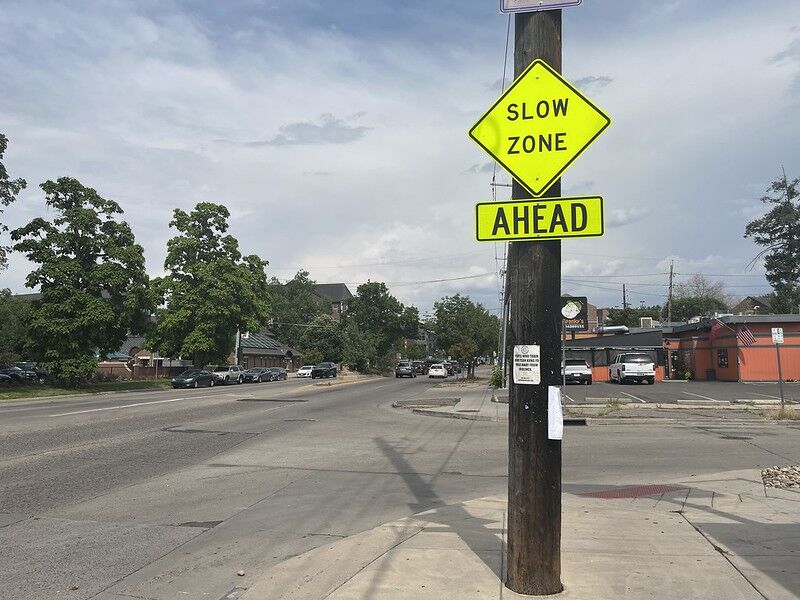
Denver’s Department of Transportation and Infrastructure (DOTI), along with the University of Denver, dropped the speed limit near a pedestrian-filled area in an attempt to lower the number of accidents there.
The speed limit on the nearly one-third-of-a-mile stretch of East Evans Avenue between University Boulevard and High Street — directly outside of the University of Denver — has been dropped from 30 mph to 25 mph as DOTI implements its new “slow zone” pilot, according to a news release from the department.
Rumble strips have been added to the edges of the slow zone, as well as new “Slow Zone” signage and speed limit markings on the pavement.
The speed limit change comes after a crash in April in which three students were injured at a signalized pedestrian crossing just east of High Street, according to DOTI. Many students and faculty walk in the area to reach the north and south sides of the campus.
“We’re excited to partner with DOTI on these technologies and are pleased at the speed at which we were able to work together to implement a series of safety treatments that we hope will raise awareness of students and staff crossing in this area and prevent future crashes from occurring,” Julia Richman, senior vice chancellor of Operations and Strategy at DU, said in the release.
“DOTI will study and compare driving speeds during the summer months and in the fall when school is back in session to see if the new treatments have proven effective in reducing speeds at this location,” the department said.
The changes piggyback off of Denver Mayor Mike Johnston and DOTI Executive Director Amy Ford’s newly announced SPEED program.
The program, rolled out in June, intends to test whether modifying intersections and adding roadway speed indicators would reduce traffic crashes over the next 18 months.
While the SPEED program looks to focus on Federal Boulevard and Alameda Avenue, the Evans Avenue changes will test the “effectiveness of treatments,” officials said in the release.

Denver gas prices surge but diesel mix-up not to blame, expert says
Daniel Boniface
dan.boniface@denvergazette.com
Updated 16 hours ago
Denver gas prices surged 16.6 cents per gallon last week, but one expert said the public should not blame the hike on a recent diesel mix-up that damaged hundreds of vehicles and contaminated nearly 50 gas stations. “No, it has...

Daniel Boniface
Reporter
More RTD lines added for Saturday’s Broncos vs. Bills, Nuggets vs. Wizards matchups
Emily Bejarano
emily-bejarano@gazette.com
Updated 5 days ago
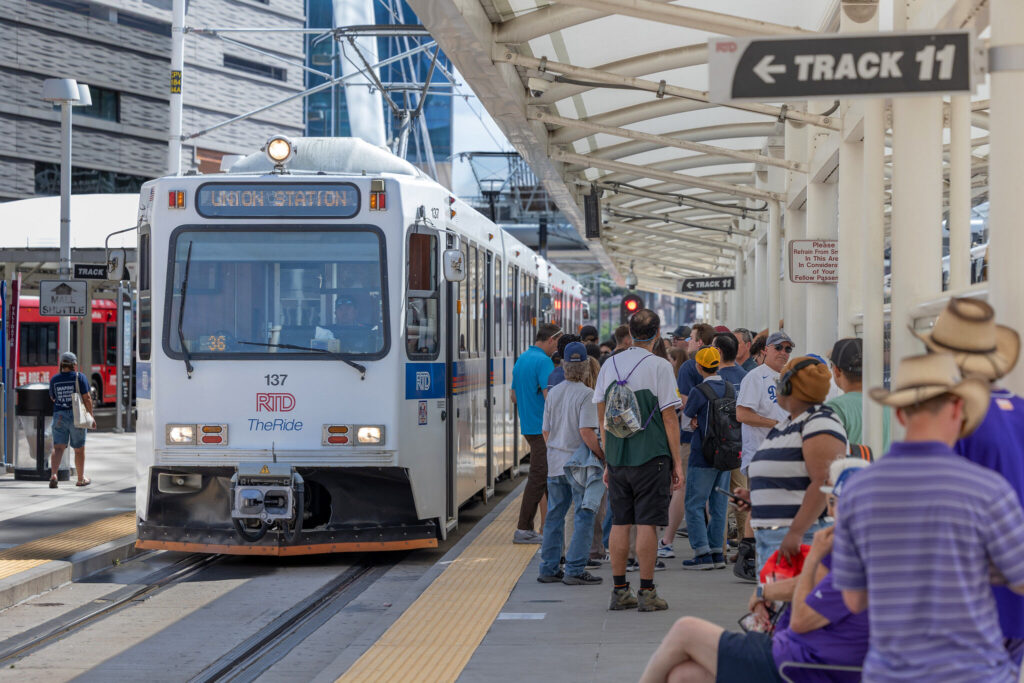
More cars are being added to the E, W and N lines serving Mile High Stadium and Ball Arena to aid in the anticipated surge in traffic from this weekend’s sports matchups The Regional Transportation District expects a major surge in ridership Saturday, as fans converge on...

Emily Bejarano
Reporter
RTD A Line crashes into truck in Aurora, passenger injured
Michael Braithwaite
michael.braithwaite@gazette.com
Updated 7 days ago
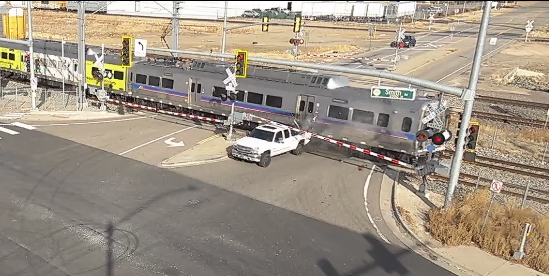
One person was hospitalized with minor injuries after the Regional Transportation District’s A Line crashed into a truck in Aurora Tuesday morning. The crash took place at Sable Boulevard and East Smith Road, according to a Tuesday afternoon statement from...

Michael Braithwaite
Reporter
Vince Bzdek: Coloradans are fed up with the high price of cars
Vince Bzdek
vince-bzdek@denvergazette.com
Updated 1 week ago
Car buyers in Colorado – and America – are fed up. Cars are too damn expensive. The average price of a new car broke the $50,000 barrier last fall, according to Kelley Blue Book stats. The Wall Street Journal recently...

Vince Bzdek
Reporter
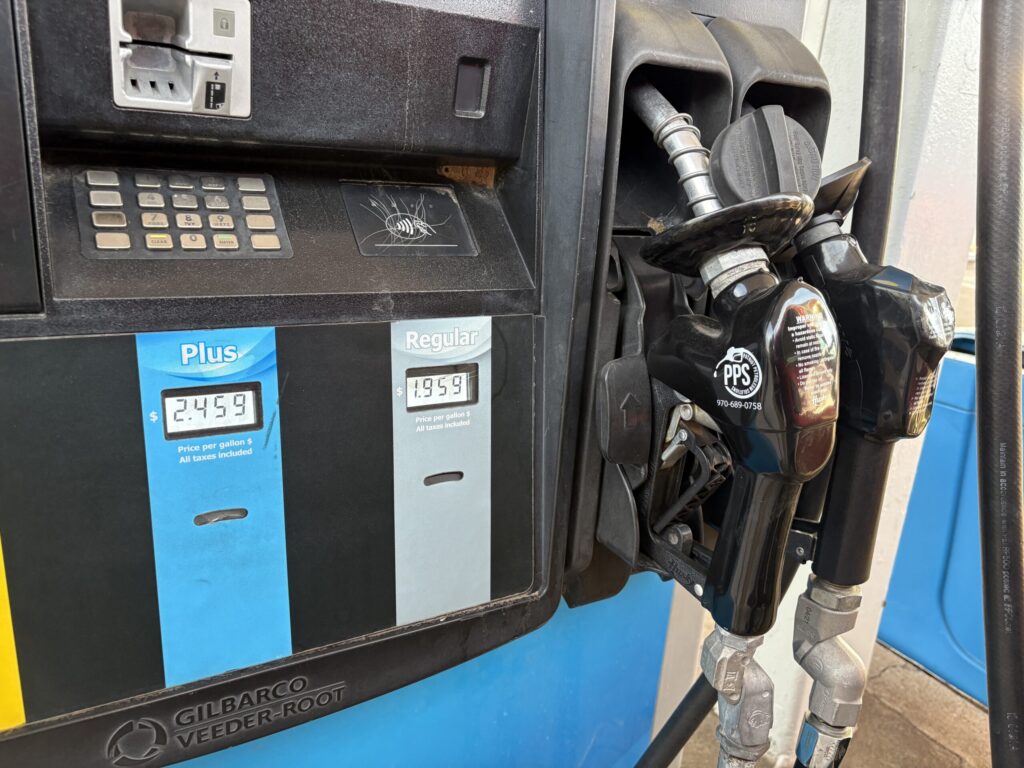
Diesel mix-up at several Colorado gas stations could cost millions, expert says
9News
9news@denvergazette.com
Updated 1 week ago
A mix-up of regular and diesel fuel at several gas stations throughout Colorado could result in millions of dollars in damages, an industry expert said Friday. Tim Jackson, former president and CEO of the Colorado Automobile Dealers Association, said that...

9News
Reporter
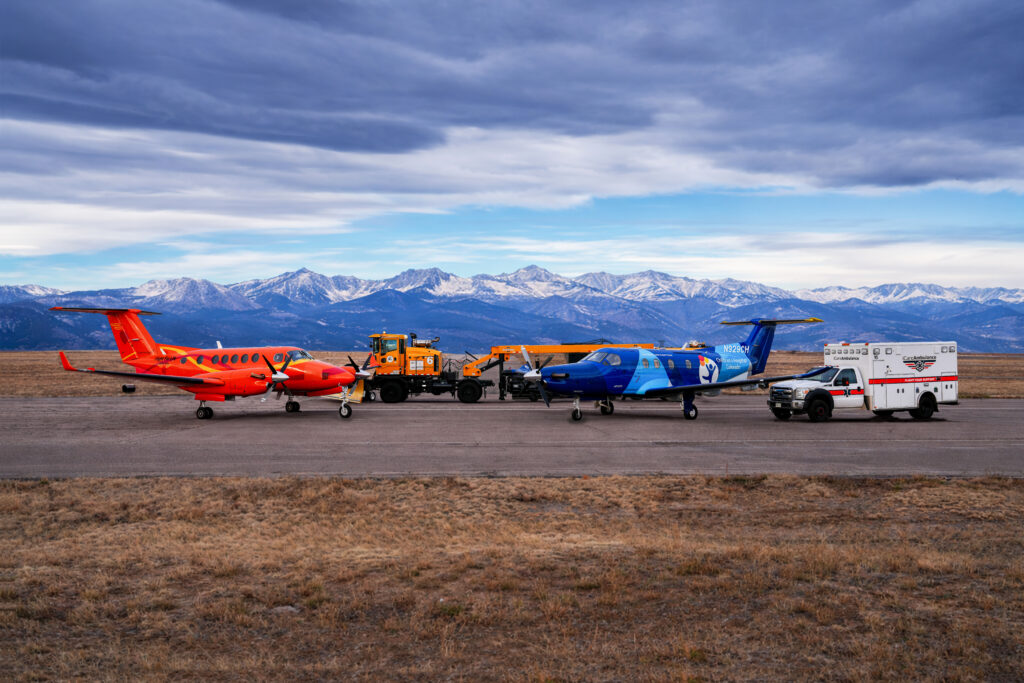
Centennial Airport announces new snow equipment to keep air ambulances in flight
Sage Kelley
sage.kelley+2@denvergazette.com
Updated 2 weeks ago
It may not be a snowy season in metro Denver — yet — but the Centennial Airport is prepared. The airport, which houses multiple aircraft for local hospitals and lifesaving organizations, announced the addition of two “state-of-the-art snow removal vehicles”...

Sage Kelley
Reporter
CDOT opens public comment on express lane plan for congested I-270 corridor
Scott Weiser
scott-weiser@denvergazette.com
Updated 2 weeks ago
The Colorado Department of Transportation has opened public comment on proposed improvements to the congested Interstate 270 corridor, where heavy traffic, unreliable travel times and aging infrastructure create daily headaches for commuters and freight haulers. The department identified a preferred...

Scott Weiser
Reporter
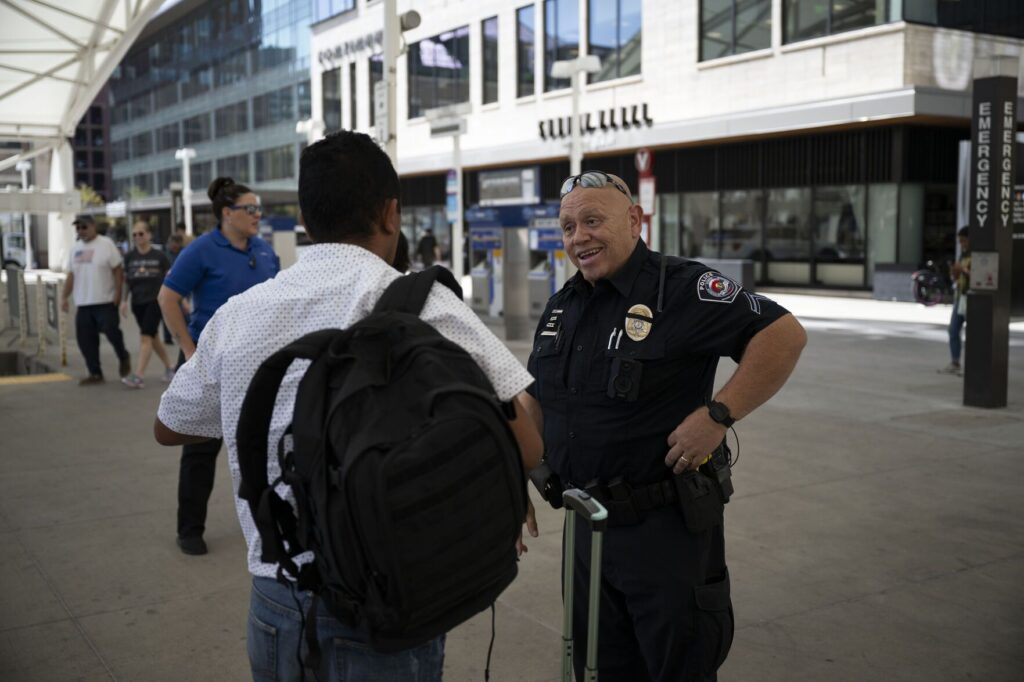
RTD transit police cite sharp declines in security calls, drug activity as top 2025 achievements
Scott Weiser
scott-weiser@denvergazette.com
Updated 2 weeks ago
The Regional Transportation District Transit Police Department reported marked reductions in security incidents and drug-related reports across the transit system in 2025. The department cited the consistent declines as a leading accomplishment in a year-end statement on community safety progress,...
Scott Weiser
Reporter
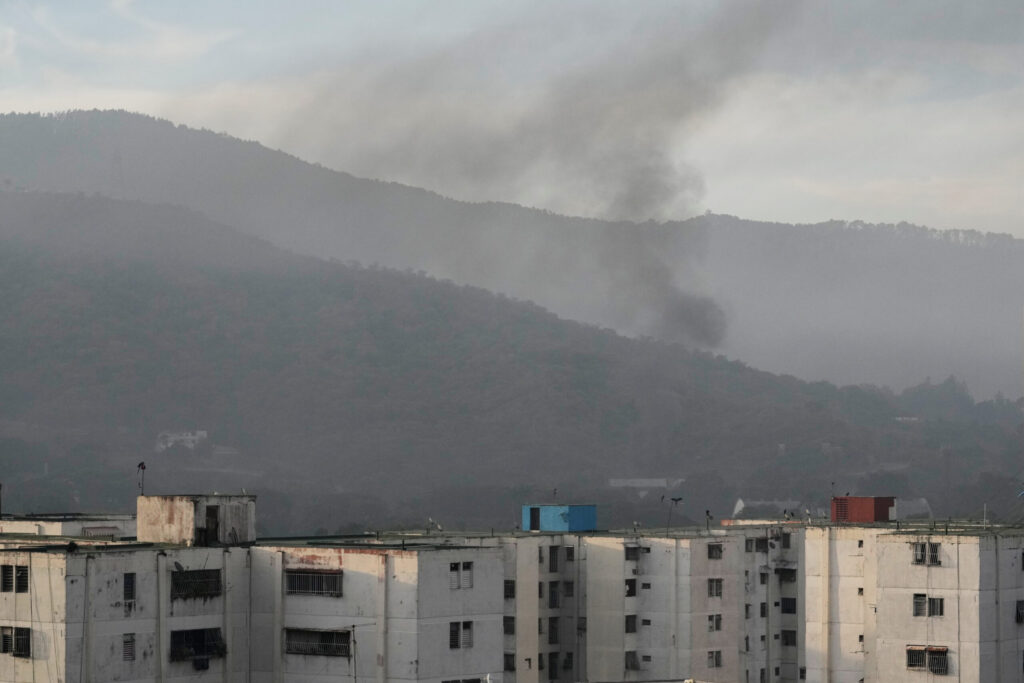
Military operation disrupts Caribbean holiday travel
Associated Press
associated-press@denvergazette.com
Updated 2 weeks ago
The U.S. military operation that captured Venezuelan President Nicolás Maduro and flew him out of the country early Saturday also disrupted Caribbean travel at a busy travel time for the region. No airline flights were crossing over Venezuela on Saturday,...

Associated Press
Reporter
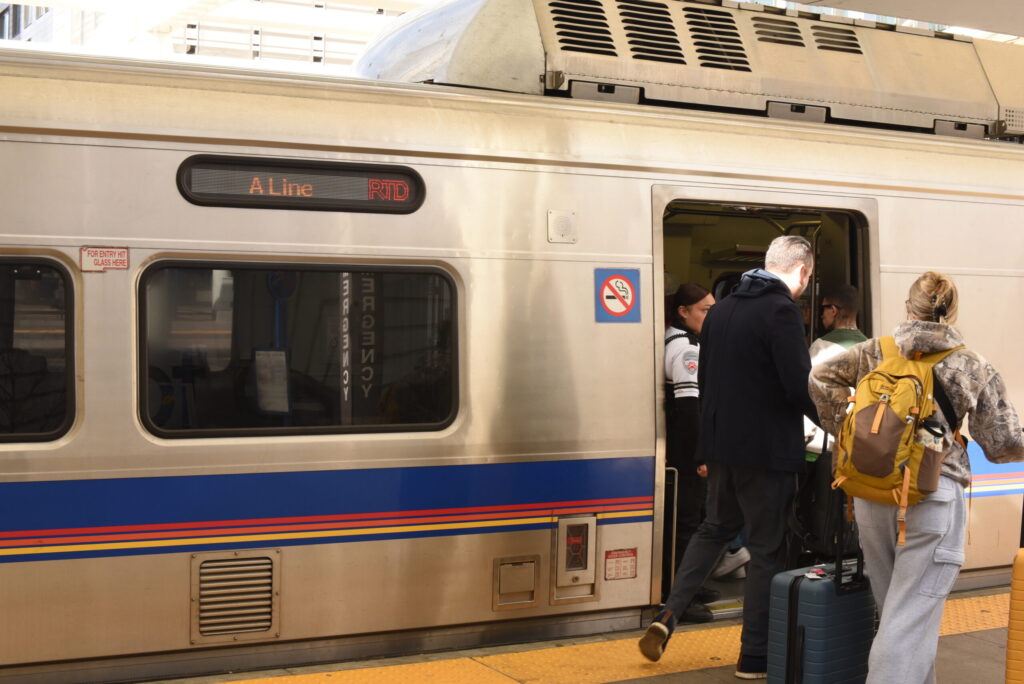
RTD to resume D, H, L light rail service following Kalamath Street project
Michael Braithwaite
michael.braithwaite@gazette.com
Updated 2 weeks ago
The Regional Transportation District announced that its D, H and L light rail lines will resume their normal service Sunday. The announcement in a Saturday morning news release comes months after the services were re-routed off their usual routes as...
Michael Braithwaite
Reporter