








Audit: Colorado public defender’s office has high workloads, must study staffing
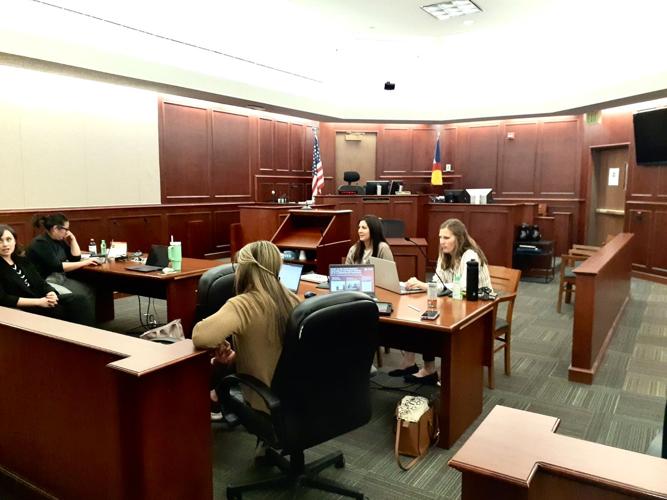
Courtesy photo, Beth Bolton/18th Judicial Court Liaison
A large percentage of public defenders are working hours that exceed recommended standards, the state auditor’s office found in a recent report, and corrective measures are needed to ensure adequate representation for the criminally accused.
The auditor’s report noted that since its last study of the Office of the State Public Defender in 2003, the number of cases closed had nearly doubled. The office estimates it had only 76% of the attorneys and staff it needed to handle the 130,900 cases it closed last fiscal year.
At the same time, “none of the OSPD attorneys we spoke with indicated that high caseloads caused them to provide representation below the standards established under the Rules of Professional Conduct,” the audit noted, while also cautioning that some public defenders indicated they were working seven days a week.
Megan Ring, the head of the public defender’s office, told lawmakers earlier this year that a key driver of the increased workload is the routine use of body-worn camera footage, phone recordings and data in criminal prosecutions.
“We’ve seen a 4,500% increase in discovery since 2016,” she said in January. “Body-worn cameras have been phenomenal. We need to have that. But it is so much data.”
The public defender’s office agreed with virtually all of the audit’s recommendations, including the need to study its workload and measure its overall staffing needs. However, the office disputed, in part, the suggestion that individual attorneys’ time should be tracked more precisely.
“It is a public defender’s core belief that individual time spent does not equate to effectiveness or ethical representation,” Ring’s office wrote. “It stifles creative practice, professional independence, defenders helping each other and co-chairing cases.”
The report countered that the public defender’s office does not have any mechanism currently for tracking attorney hours, which is necessary to evaluate staffing needs.
The audit found that the various benchmarks for public defender staffing suggested at least 46% and as many as 99% of attorneys work on more cases than are recommended. During this year’s legislative session, four Democratic lawmakers introduced a bill that would have required the public defender’s office to implement workload standards to guard against “excessive” caseloads. The bill died in committee.
“Excessive caseloads create unnecessary delays in resolving criminal cases, increasing rates of pretrial detention, coercing innocent clients into guilty pleas, and forcing high attrition within OSPD. These harms impact everyone involved in the criminal legal system, including victims, defendants, witnesses, law enforcement, and the community as a whole,” said the Defenders Union of Colorado at the time.
The audit also identified rural public defenders needing to drive long distances, supervisors having high caseloads in addition to their management duties and staff vacancies as additional factors leading to high workloads. Attorneys who spoke to the auditors said they are not able to speak to their clients as much as they would like or explore every possible issue in a case because of their obligations.
Auditors further found the office did not always have sufficient documentation to justify its decisions for whether defendants qualified as indigent and eligible for public defender representation. The auditors acknowledged clients may struggle to complete the forms or provide supporting documentation, but suggested the office better train staff and implement a process to review eligibility decisions.
Finally, auditors recommended the office do a better job at monitoring the training of new attorneys.


Weekend things to do around Colorado Springs and beyond: Dinosaur events, Orchid Showcase, Bird Count, Swan Lake
Linda Navarro
linda-navarro@denvergazette.com
Updated 2 days ago
FRIDAY-SUNDAY A dinosaur weekend for sure. On Friday a program for the mature audience will introduce the rare Theio, the Garden of the Gods Dinosaur. Park Guide Jennifer shares “more of a mystery story than in-depth science lecture.” Theio is...

Linda Navarro
Reporter
Denver area events for Jan. 8
Carlotta Olson
carlotta-olson@denvergazette.com
Updated 12 hours ago
If you have an event taking place in the Denver area, email information to carlotta.olson@gazette.com at least two weeks in advance. All events are listed in the calendar on space availability. Thursday RiNo Arts District Food Tour — 1-4 p.m., Denver, $60...

Carlotta Olson
Reporter

Tad Boyle, CU Buffs beat Utah to move to 2-0 in Big 12 play ahead of massive showdown against Texas Tech
Tyler King
tyler-king@denvergazette.com
Updated 3 hours ago
BOULDER — Tad Boyle caught himself looking ahead one too many times. After Colorado beat Utah by a score of 85-73 on Wednesday night at the CU Events Center, the Buffaloes’ coach had already turned the page less than a...

Tyler King
Reporter
Broncos’ Vance Joseph adds Ravens to busy interview week for head coach
Chris Tomasson
chris.tomasson@gazette.com
Updated 3 hours ago
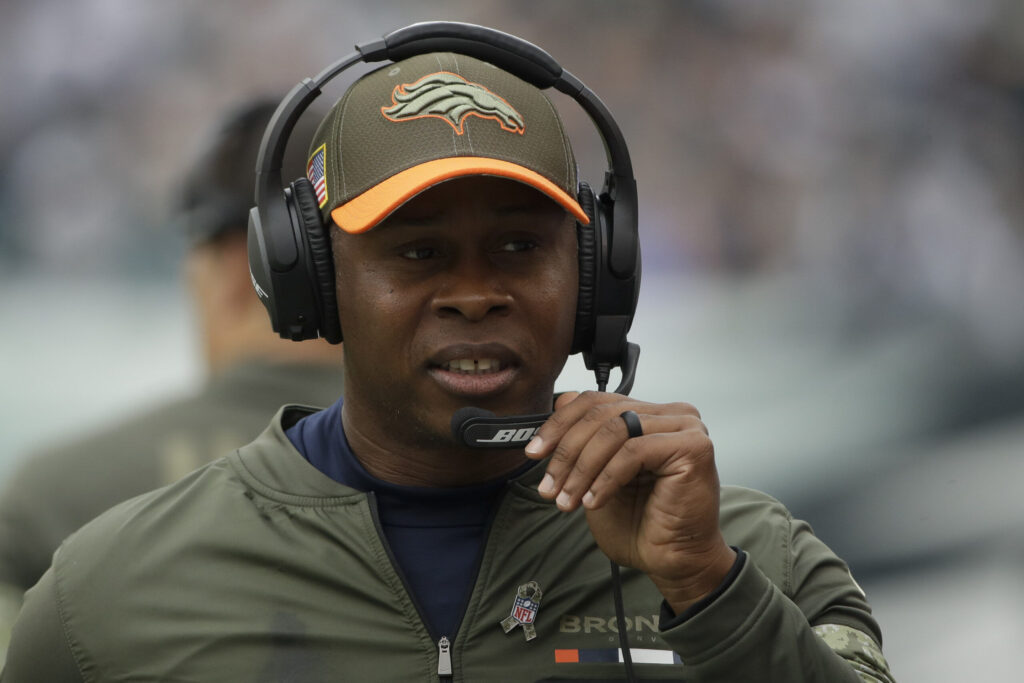
Another day, another team wanting to interview Vance Joseph. A source said Wednesday night that the Baltimore Ravens reached out to the Broncos to request an interview for their opening for a head coach. The remote interview is expected to...

Chris Tomasson
Reporter
‘Big lack of energy’ haunts Air Force women in home loss to Boise State
Brent Briggeman
brent-briggeman@denvergazette.com
Updated 4 hours ago
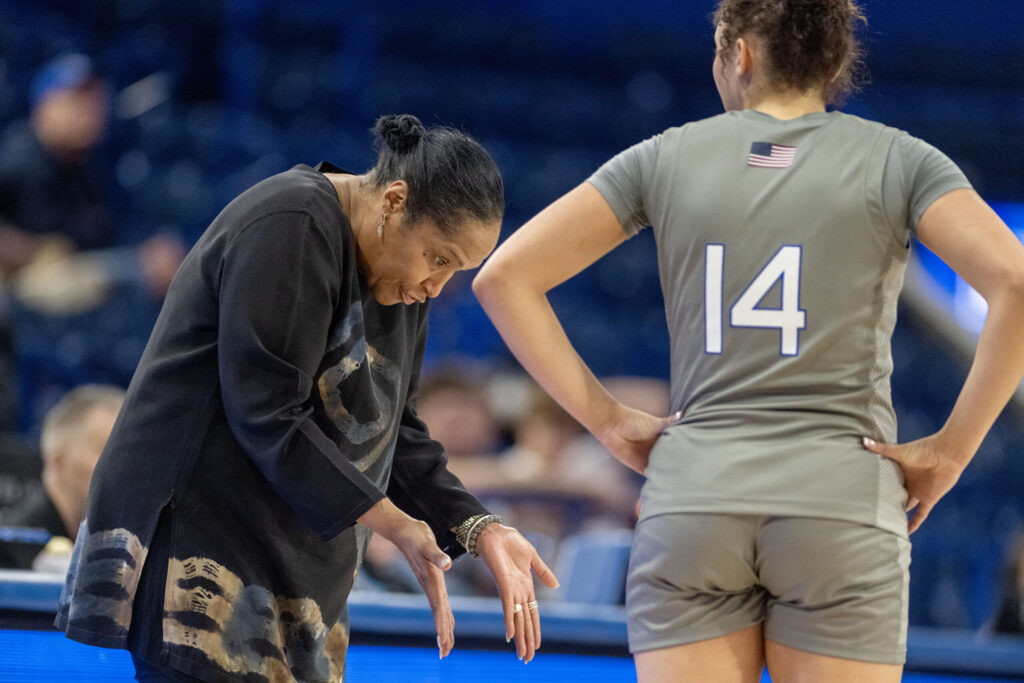
There’s little Air Force women’s basketball hasn’t seen over the past decade or so. But there hasn’t been much of this –- an effort the team found lacking. The Falcons fell at home 70-59 to Boise State on Wednesday as...

Brent Briggeman
Reporter

Nuggets vs. Celtics | 5 takeaways from Jamal Murray’s big night in Boston
Vinny Benedetto
vinny-benedetto@denvergazette.com
Updated 5 hours ago
The next-man-up Nuggets continued to step up in a second straight win to cap the longest road trip of Denver’s season. Here are five takeaways from Denver’s 114-110 win over the Celtics on Wednesday at TD Garden: 1. It’s a...

Vinny Benedetto
Reporter
Woman fatally shot by ICE agent in Minneapolis originally from Colorado Springs area
The Minnesota Star Tribune
the-minnesota-star-tribune@gazette.com
Updated 6 hours ago
MINNEAPOLIS — A federal immigration agent shot and killed a 37-year-old woman Wednesday morning during an enforcement operation in south Minneapolis, prompting protests, sharp rebukes from city leaders and calls for an independent investigation. The Department of Homeland Security said...

The Minnesota Star Tribune
Reporter

729 employees to be laid off at USPS transfer hub in Aurora
Kyla Pearce
kyla-pearce@denvergazette.com
Updated 7 hours ago
Mail transit company Alan Ritchey, Inc. is shutting down operations at a USPS transfer hub in Aurora in late February, resulting in more than 700 layoffs, according to a Tuesday WARN letter. In the letter sent to Aurora Mayor Mike...

Kyla Pearce
Reporter

Denver may revise animal bite penalties to consider criminal intent
Deborah Grigsby
deborah.smith@denvergazette.com
Updated 6 hours ago
Denver pet owners are responsible for bites and injuries caused by their animals, facing both civil penalties and criminal charges of up to $999 and 300 days in jail. However, some city officials have suggested that the city consider revisions...

Deborah Grigsby
Reporter
Woman fatally shot by ICE agent in Minneapolis originally from Colorado
Wire Services
wire-services@denvergazette.com
Updated 6 hours ago
MINNEAPOLIS — A federal immigration agent shot and killed a 37-year-old woman Tuesday morning during an enforcement operation in south Minneapolis. The woman was originally from Colorado. The U.S. Department of Homeland Security said Immigration and Customs Enforcement agents were...

Wire Services
Reporter