







Colorado water rights: A complex system and pricey process
Christian Murdock, The Gazette
Colorado water rights are a complex subject.
How it’s sold and what happens to it thereafter can be as dizzying a process to understand as it is to trace.
All water in Colorado is public in that it must be used for a beneficial purpose. Speculation is against the law, which is to say you can’t look to develop new water without first having an intended used for it. You can buy and sell existing water rights, even those you don’t actually own as yet.
And who owns the water can mean everything, especially in a state where the high-plains desert accounts for a large percentage of water consumption.
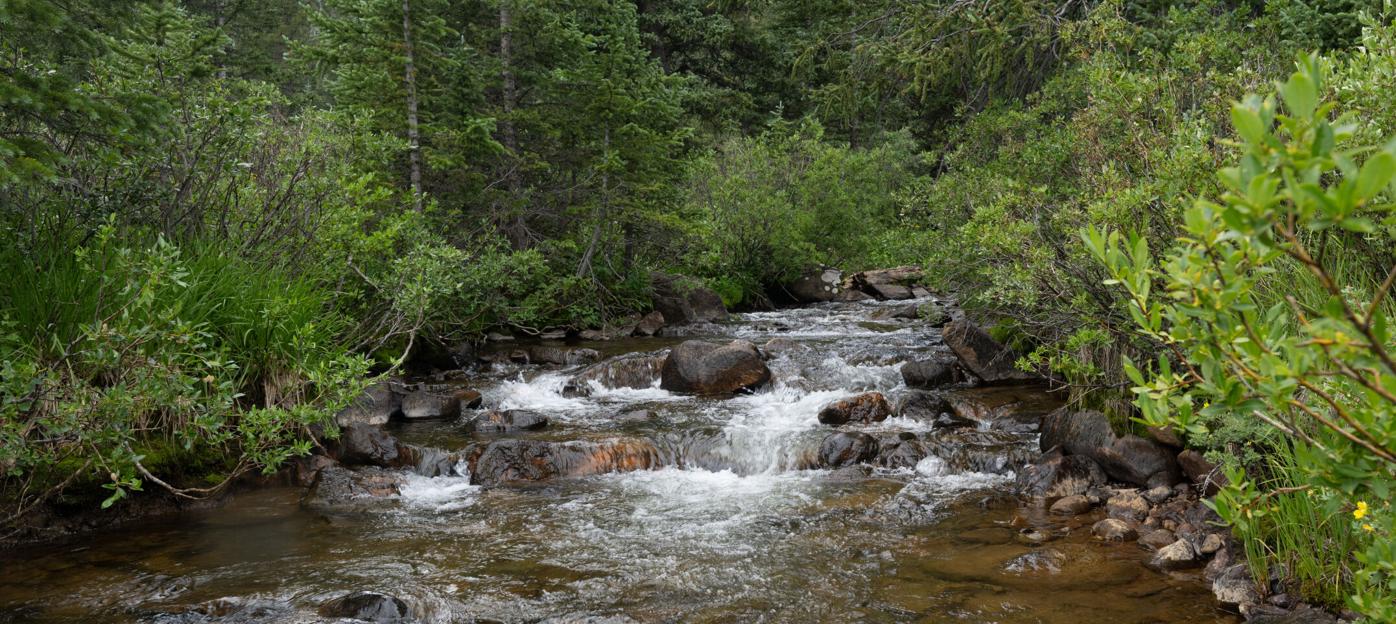
Tributary water flows in rivers, streams and creeks while non-tributary water is largely contained in aquifers far below the ground’s surface.
When consumers buy water for their homes, it’s measured in small units, such as a gallon. But when water rights are sold, they are measured in acre feet, which is basically an acre of water one foot deep.
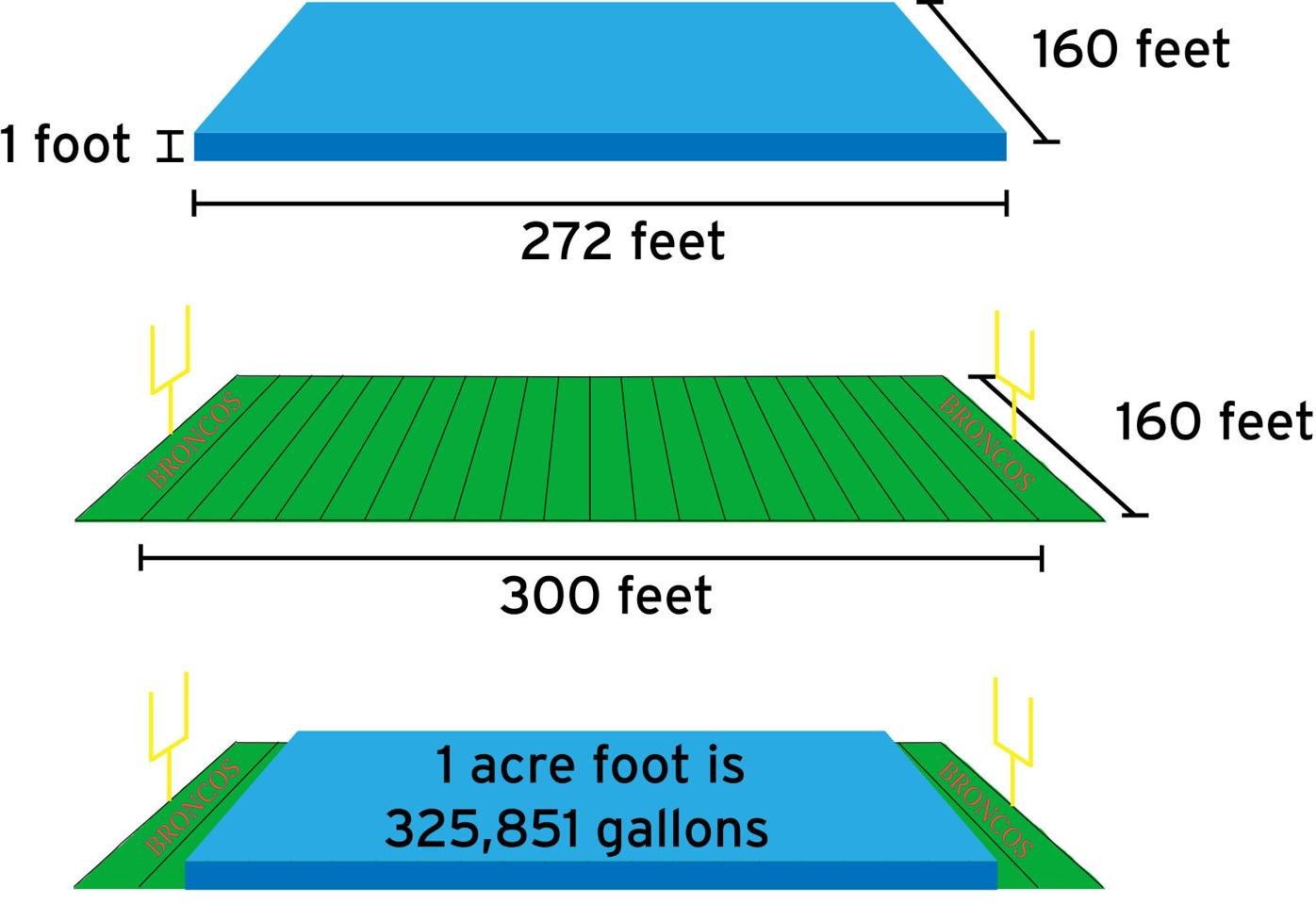


That works out to be 325,851 gallons of water, which would cover the playing surface of a regulation football field in about 9 inches of water.
When a water right is determined in one of the state’s water courts, it creates a perpetual right to put the water to regular use in a variety of beneficial ways such as farming, irrigation, even in a municipal reservoir, and it’s much more valuable than water that is not yet developed.
Colorado’s water courts determine whether a water right has been put to the beneficial uses its owners claim before deeming it “absolute,” which essentially means that the water was previously available, developed, and has been properly used.
When there is water that is accessible, such as in the aquifer that sits beneath the mine in London Mountain, but has not yet been developed and put to beneficial use, then it’s considered “conditional water.”
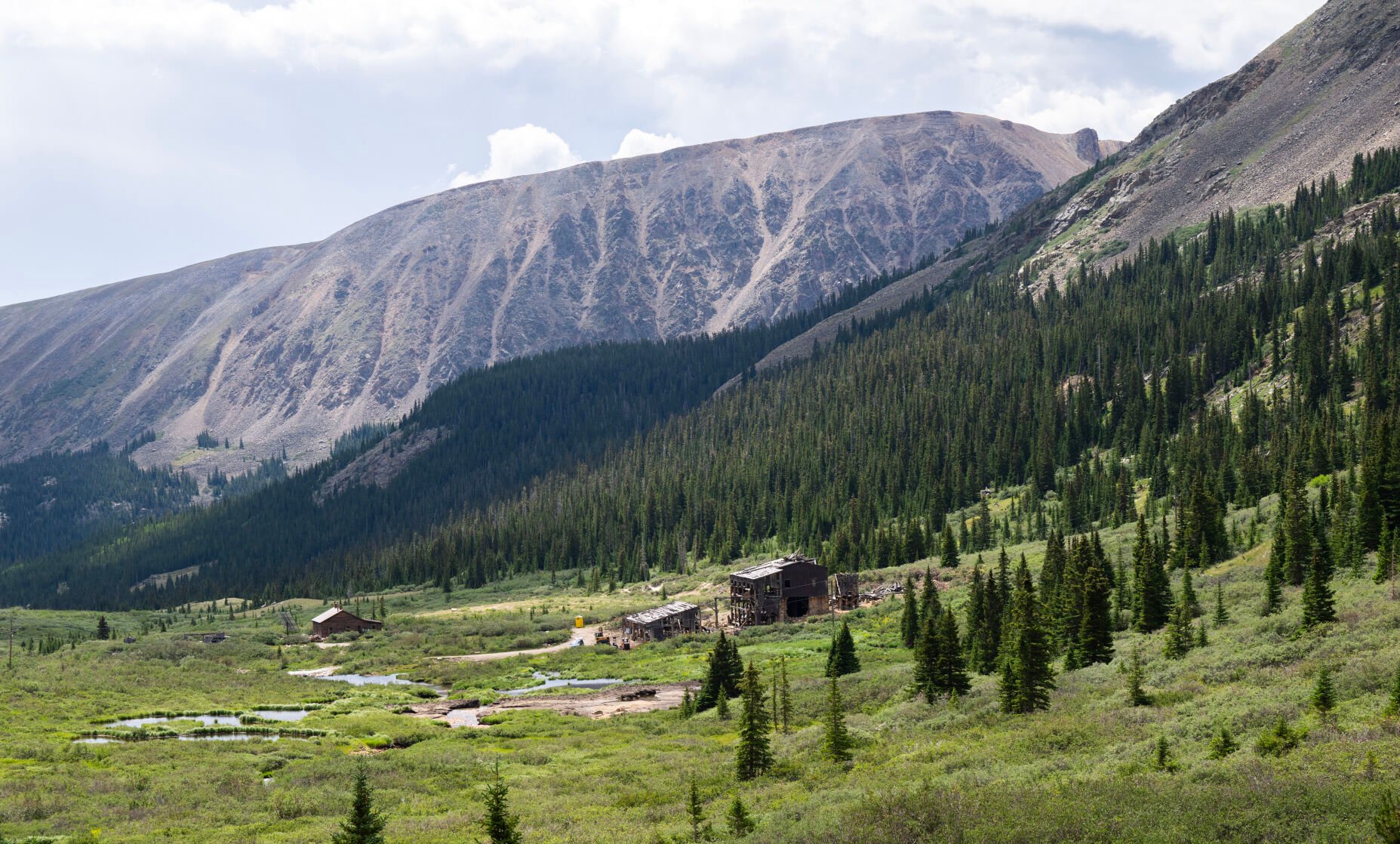
The remains of the London Mill, used to process the gold ore from the mines on London Mountain, still stands in the valley below Mosquito Pass.
Christian Murdock, The Gazette


That means whomever owns the rights to conditional water must first work to get at the water, then put it to its decreed beneficial uses. Once that’s done, the owner can petition the water court to convert it to absolute water, raising its value exponentially.
The difference between absolute and conditional water is a key factor that separates the cost of water rights in Colorado. An absolute water right is the best there is. A conditional water right has very low economic value, especially if it’s not flowing, but great potential value if it can be developed.
Before conditional water can be deemed absolute, however, it must flow sustainably at an average rate over the course of a year and be put to a beneficial use.
The cost of the water can vary on a number of factors, but one thing is for certain: Absolute water costs a lot more than conditional water and non-tributary water can cost much more than tributary.
Uncharted waters: Aurora's unique bid for gold mine water hits head waves
There’s another certainty: It costs a lot of money to go to water court and convert an existing conditional water decree into absolute water, and, experts say, takes many months or years to complete the process.
And that’s for water decrees that already exist.
Creating an entirely new water decree is an even more expensive, risky and arduous process.
“We’d like to see more volume created and don’t want to go to water court 19 times for small increments,” said Aurora Water general manager Marshall Brown of the city’s efforts to obtain London Mine water. “Water court is a lengthy and expensive process. We’d rather do it in one lump.”
At least one water rights expert in Denver — none reached for this story would allow their name to be used because, they said, the interconnections of the players are too risky to run up against — said another effort at pulling water from a gold mine took a shot in water court about a decade ago “and they got run out of town on a rail” because of strong opposition.
“Water court is opening a can of worms and inviting the science to work against you,” the expert said. “The opposition is a trail of heavy hitters. You run the risk of reopening a decree and get the issue of developed non-tributary water attacked.”
There have been seven Colorado water court decisions dating to the 1960s regarding the rights for water generated from the London Mine and the aquifer beneath it.
The decreed water rights that make up the London Mine — the amount that can be legally taken out of the ground and sold — is about 5,357 acre-feet per year, a potential bonanza that could sustain nearly 13,400 households, roughly 9 percent of the number of houses in Aurora today.
But not all of that London Mine water is absolute water. Only about 1,041 acre-feet of it is, or less than a fifth of the total decreed amount.
The remainder is conditional water, the bulk of it in need of development.
But there have long been doubts that any of that extra water under the London Mine will ever make it to the surface, a sentiment many in the water industry still share today.
Much of it started in 1991 — the year the mine shut down— when a water court judge expressed his skepticism.
“The preponderance of the evidence shows that it is unlikely that the full amount of water conditionally decreed (at the London Mine) will be developed through bona fide mining activities,” Water Court Judge Robert Behrman wrote in a water rights case involving the mine.
He’s been right so far.
Said Rich Wanty, research professor at the Colorado School of Mines: “I know of no operations where they’re trying to produce more water out of a mine than what is naturally flowing out of the portal passively. In theory you could get more ore, but you can’t just say I’m going to start mining tomorrow, can’t cavalierly say I’m going to start producing water here.”
David is an award-winning Senior Investigative Reporter at The Gazette and has worked in Colorado for more than two decades. He has been a journalist since 1982 and has also worked in New York, St. Louis, and Detroit.