




Fat Bear Fall returns with a reminder to bear-proof homes
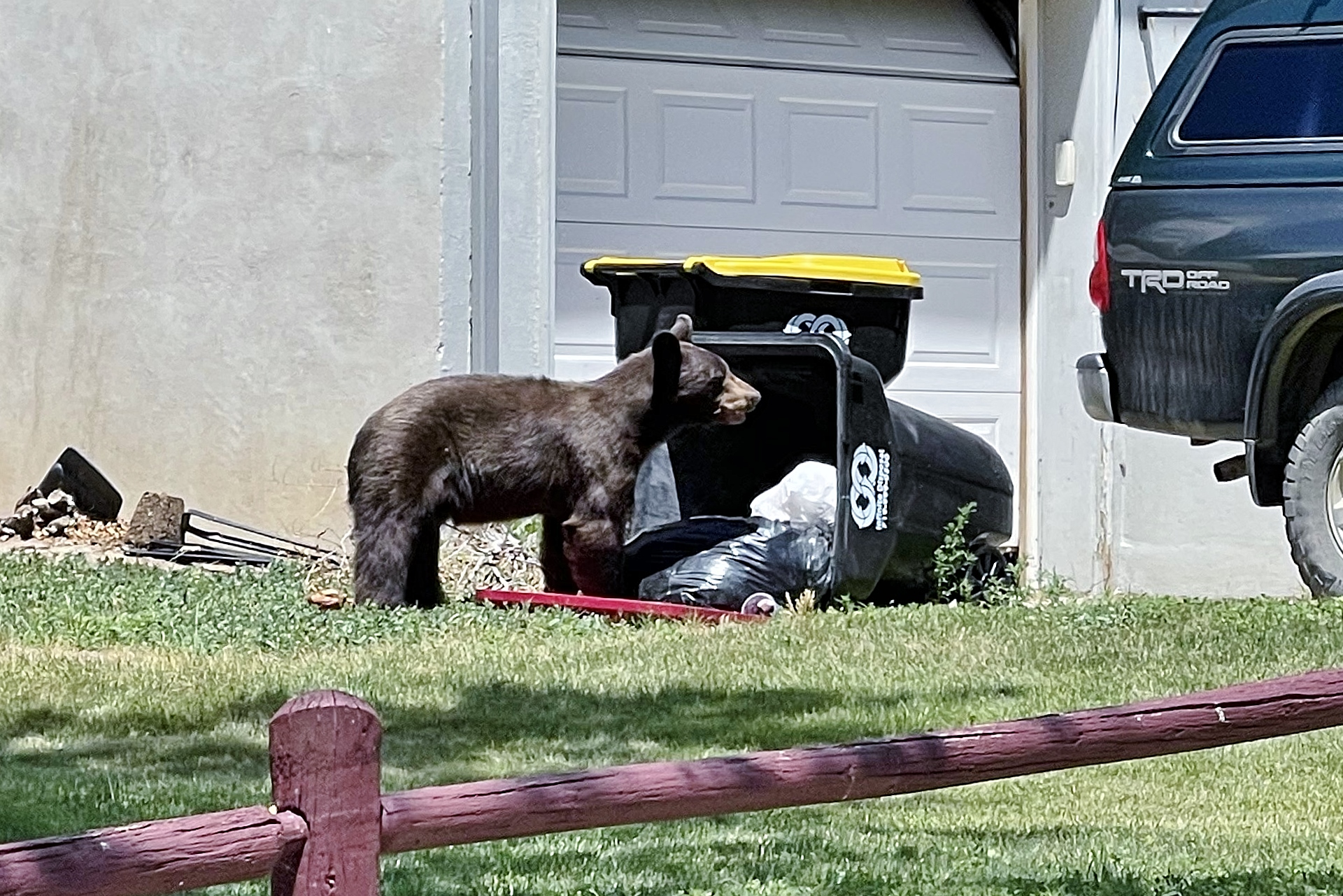
As summer winds down, Colorado black bears begin to ramp up their appetites, eating the caloric equivalent of 20 chicken sandwiches, 10 large orders of fries, 10 soft drinks and 10 milkshakes to pack on enough fat to survive the winter ahead.
As these bears begin this annual quest for food, Colorado Parks and Wildlife officials say people are more likely to see increased bear activity in urban areas, as meeting that 20,000-calorie-a-day requirement is a tall order.
This period of compulsive eating, or hyperphagia, typically begins in late summer and continues into fall, according to CPW Statewide spokesperson Joey Livingston.
More than 50% of bear incidents reported in 2023 occurred in August, September, and October. The largest number of reports and sightings coming from Boulder, Douglas, Eagle, El Paso, Jefferson, La Plata, Larimer, Pitkin, Routt and Teller counties.
“The timing can vary depending on local conditions such as weather, snow and food availability,” Livingston said. “The shortening of daylight hours is one of the biggest indicators to bears that winter is on the way. Hyperphagia generally begins slowly, with bears increasing their day-to-day (eating) activity as their natural instincts tell them that winter is on the way.”
Shorter days, weather such as snow, and a reduction of food sources generally drive bears to den up for the winter, and Livingston said it’s important for people to keep food sources secure as the days become cooler.
“While the word hibernation is typically used to describe this behavior, black bears are not true hibernators and instead enter a state called torpor,” he explained. “In areas where food sources remain available (such as urban areas where trash is not kept secure), bears can be stimulated to wake anytime through the winter. Some bears in urban areas along the Front Range have been known to come out of their den once a week on trash day to search for food.”
Although the black bear’s natural diet usually includes berries, fruits, nuts, plants and grasses, when these become scarce, their hunger can easily overcome their fear of humans.
CPW offers the following precautions to help avoid human/wildlife conflicts:
For bear-proofing homes
- Keep garbage in a well-secured location. Only put out garbage on the morning of pickup.
- Clean garbage cans regularly to keep them from food odors: ammonia is effective.
- Keep garage doors closed. Do not leave pet food or stock feed outside.
- Use a bear-resistant trash can or dumpster.
- Bird feeders are a major source of bear/human conflicts. Attract birds naturally with flowers and water baths. Do not hang bird feeders from April 15 to Nov. 15.
- Don’t allow bears to become comfortable around your house. Haze the bear by yelling, throwing things at it, and making loud noises to scare it off.
- Secure compost piles. Bears are attracted to the scent of rotting food.
- Clean the grill after each use, and clean up thoroughly after cookouts.
- Don’t allow the fruit from fruit trees to rot on the ground.
- Talk to neighbors and kids about being bear-aware.
Cars, traveling and campsites
- Lock doors when away from home and at night.
- Keep the bottom-floor windows closed when not at home.
- Do not keep food in the vehicle; roll up windows and lock the doors.
- When car-camping, secure all food and coolers in a locked vehicle.
- Keep a clean camp, whether in a campground or in the backcountry.
- When camping in the backcountry, hang food 100 feet or more from the campsite; don’t bring any food into the tent.
- Cook food well away from the tent; wash dishes thoroughly.
Protecting chickens, bees, livestock
- Keep chickens, bees and livestock in a fully covered enclosure, especially at night.
- Construct electric fencing when possible.
- Don’t store livestock feed outside.
- Keep enclosures clean to minimize animal odors.
- Hang rags soaked in ammonia and/or pine-scented cleaner around the enclosure as a scent deterrent.
To learn more about bears in Colorado, visit cpw.state.co.us/living-bears. To report bear problems, call the nearest CPW office.
Get OutThere
Signup today for free and be the first to get notified on new updates.
PREV
PREVIOUS
Don Lemon warns Harris could lose in November because voters don’t know her
Ex-CNN anchor Don Lemon argued Monday night that Vice President Kamala Harris needs to reintroduce herself to the public if she wants to win the election and said many voters are not familiar with her. Lemon released a series of videos on X this month in which he interviewed voters in battleground states about who they […]
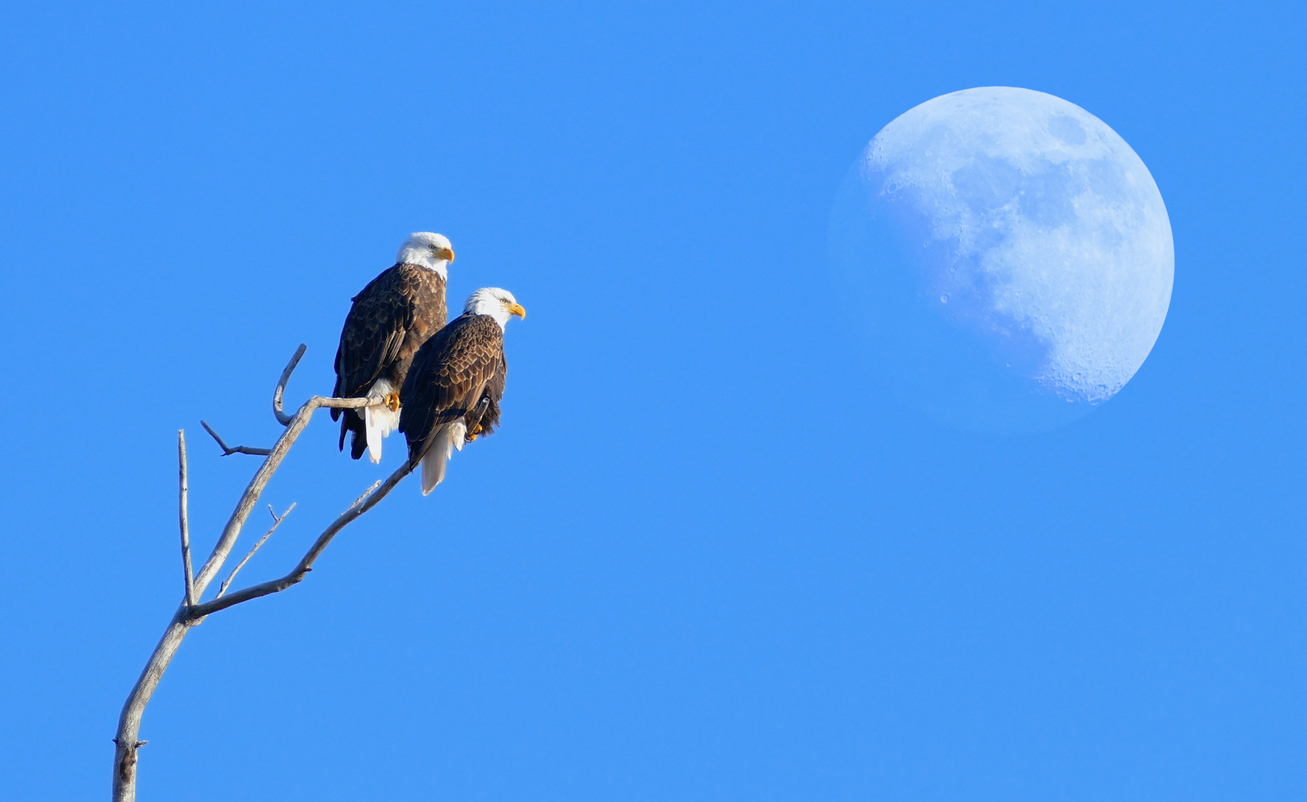
Famous pair of Colorado bald eagles produces viable offspring after several years of failure
The City of Westminster shared some great news on Tuesday – after multiple years of a well-known pair of bald eagles trying and failing to produce viable offspring, it looks like 2024 has brought success. According to the city, an eagle pair known for once being the ‘main characters’ of the Standley Lake live eagle-camera […]