‘On the chopping block’: Activists target Denver’s only slaughterhouse for closure
At stake is 160 direct jobs, and, according to one study, at least $215 million in economic benefits
Denver’s sole slaughterhouse, which supplies scores of jobs in one of the city’s poorest neighborhoods, is on the chopping block under a proposal that residents will decide this November.
At stake is 160 direct jobs, and, according to one study, at least $215 million in economic benefits, which could be as high as $860 million, counting indirect factors.
A group of activists wants to shut it down, arguing that slaughterhouses are inhumane to workers and calling the industry “one of the worst” in Denver. The group also said meat alternatives are a sufficient replacement to the meat coming out of the plant.
The company and workers countered that employees are treated well at the Denver plant, and one councilmember said he is distressed by what he described as a “wrongheaded” ideological experiment to see if Denver’s voters are willing to shut a down the slaughterhouse plant — as a “test case.”
Superior farms
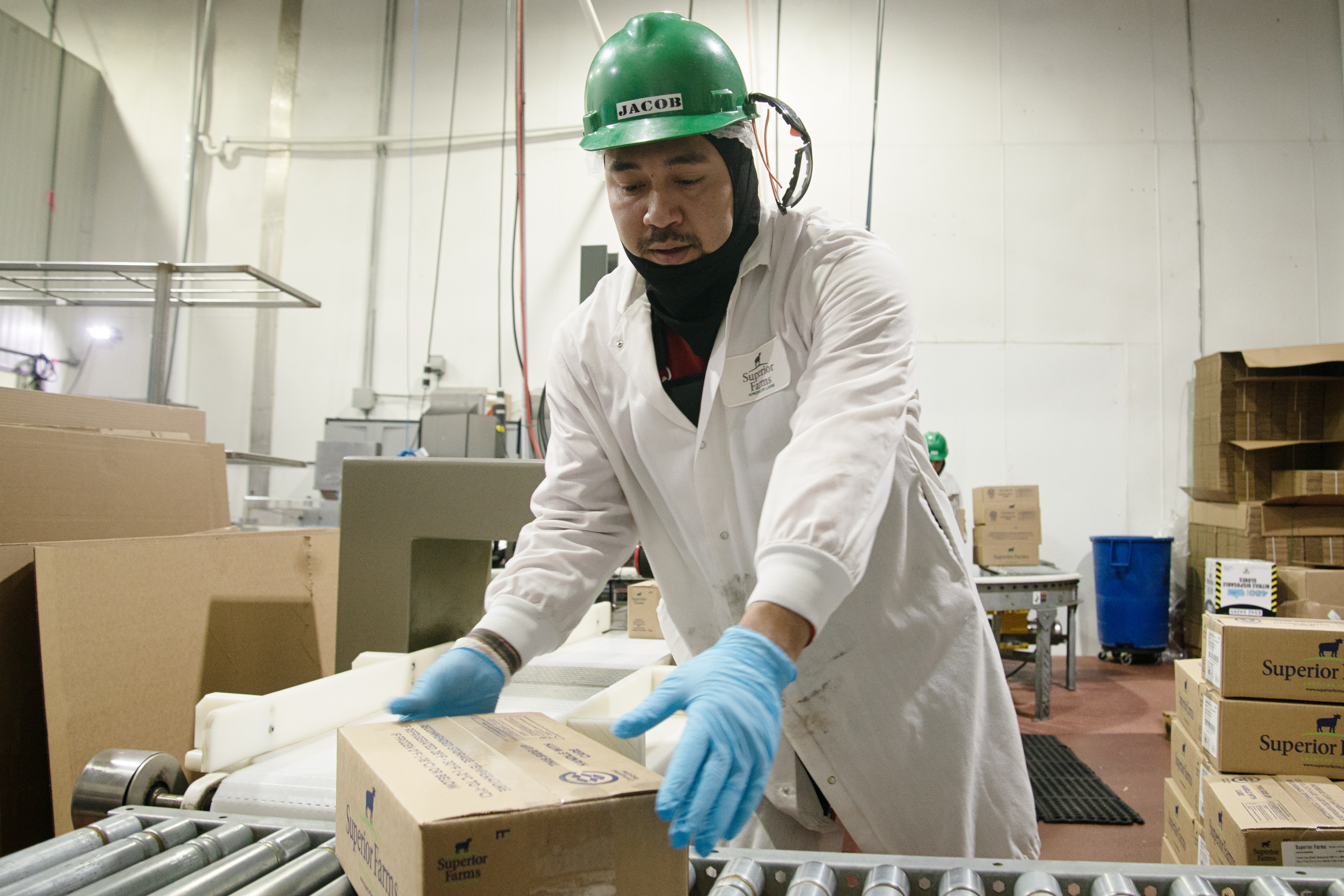
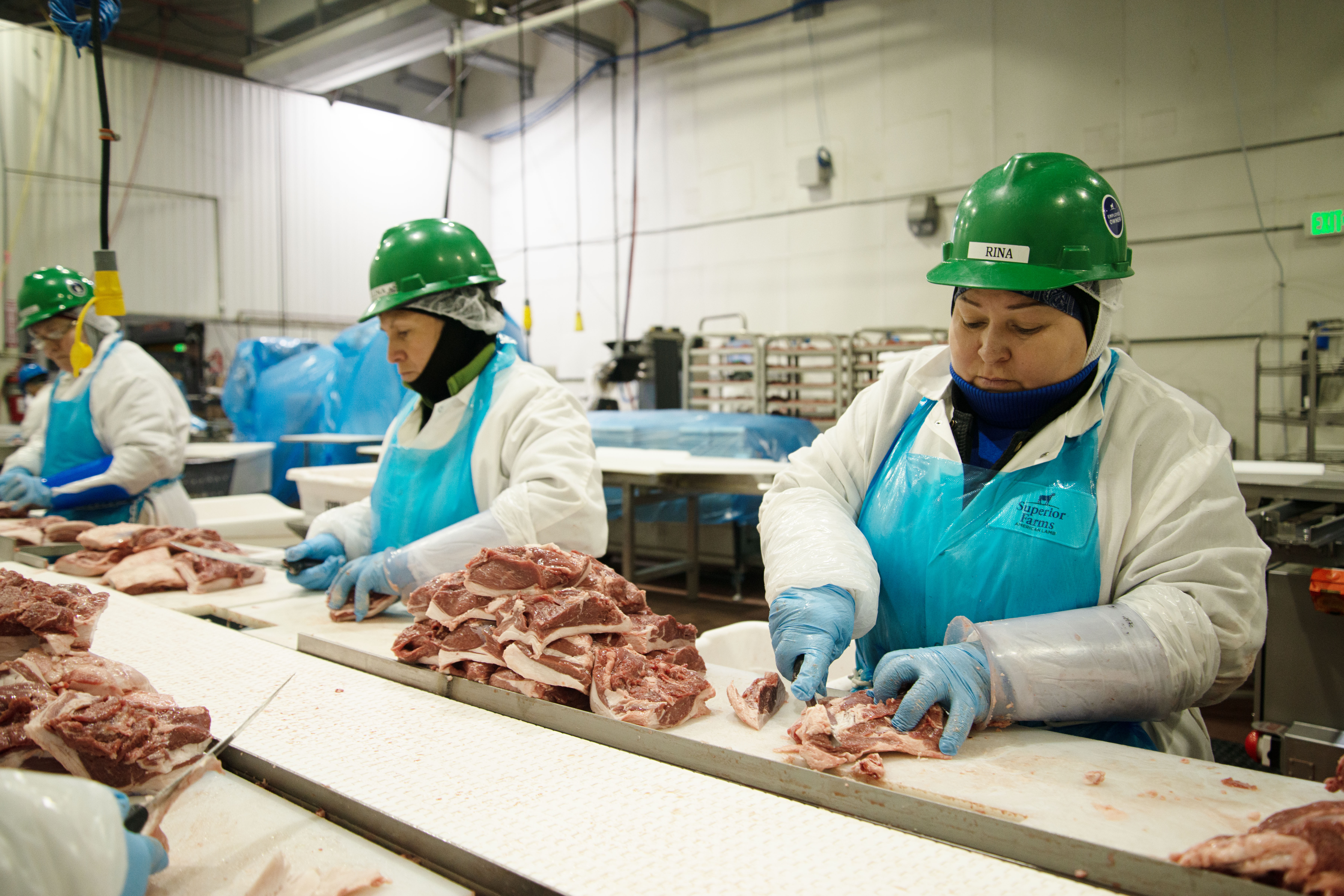
Superior Farms, which calls the Globeville and Elyria-Swansea neighborhood home, is one of the largest lamb slaughterhouses and meat processing plants in the country.
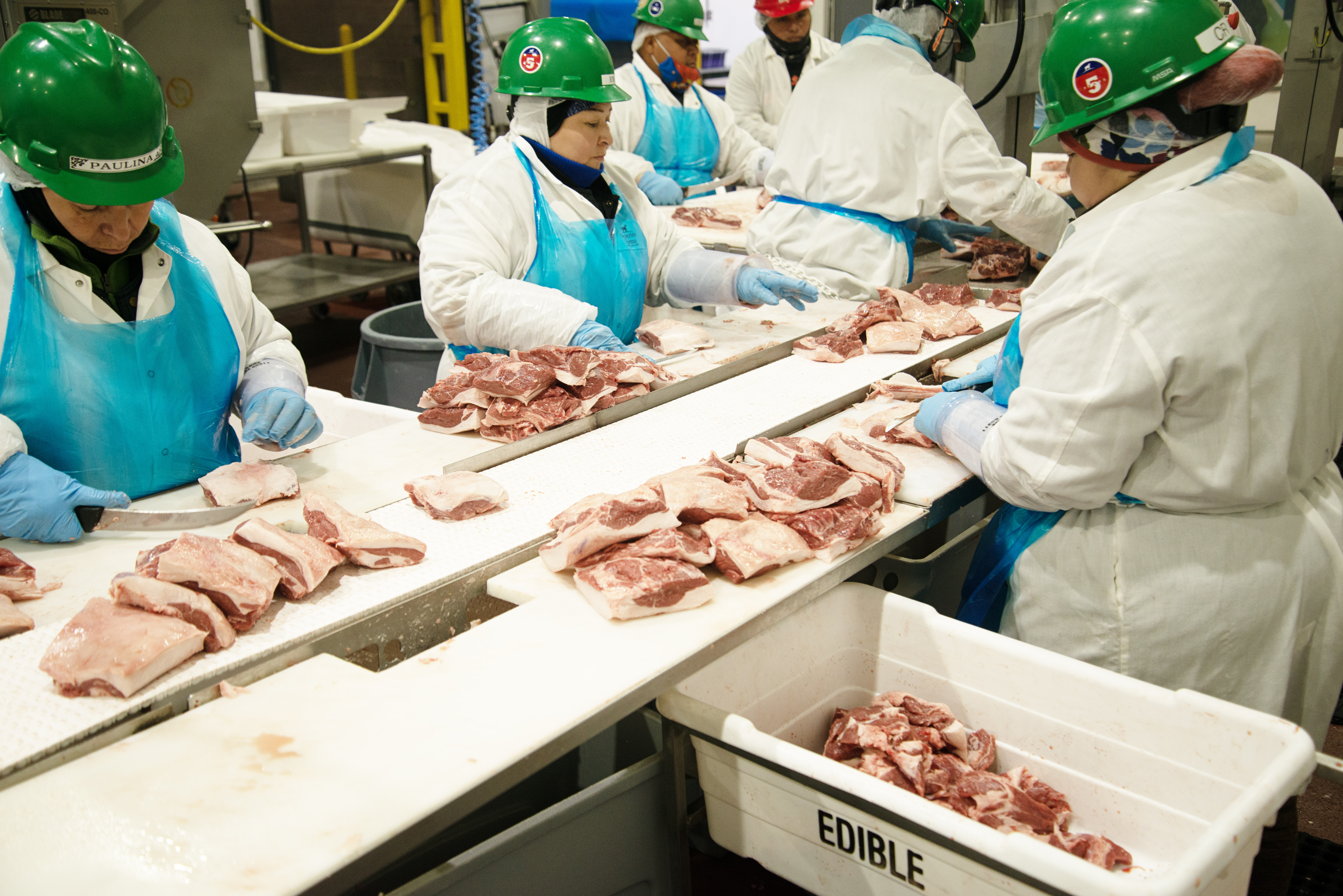
The vast majority of the plant’s workers are people of color. The company, which supplies lamb to major grocery chains, said the animals brought to the plant are raised by family farms in the U.S.
Isabel Bautista, the operations manager who has worked at Superior Farms for more than 20 years, said the company offers good benefits and treats its employees well.
“There’s a reason we like to work here and why we stay for so long,” she said.
“We treat each other as a family,” she added. “When different companies go to the harvest floor, they’re surprised to see employees smiling, helping each other and working like any other job. It’s totally different from what people say.”
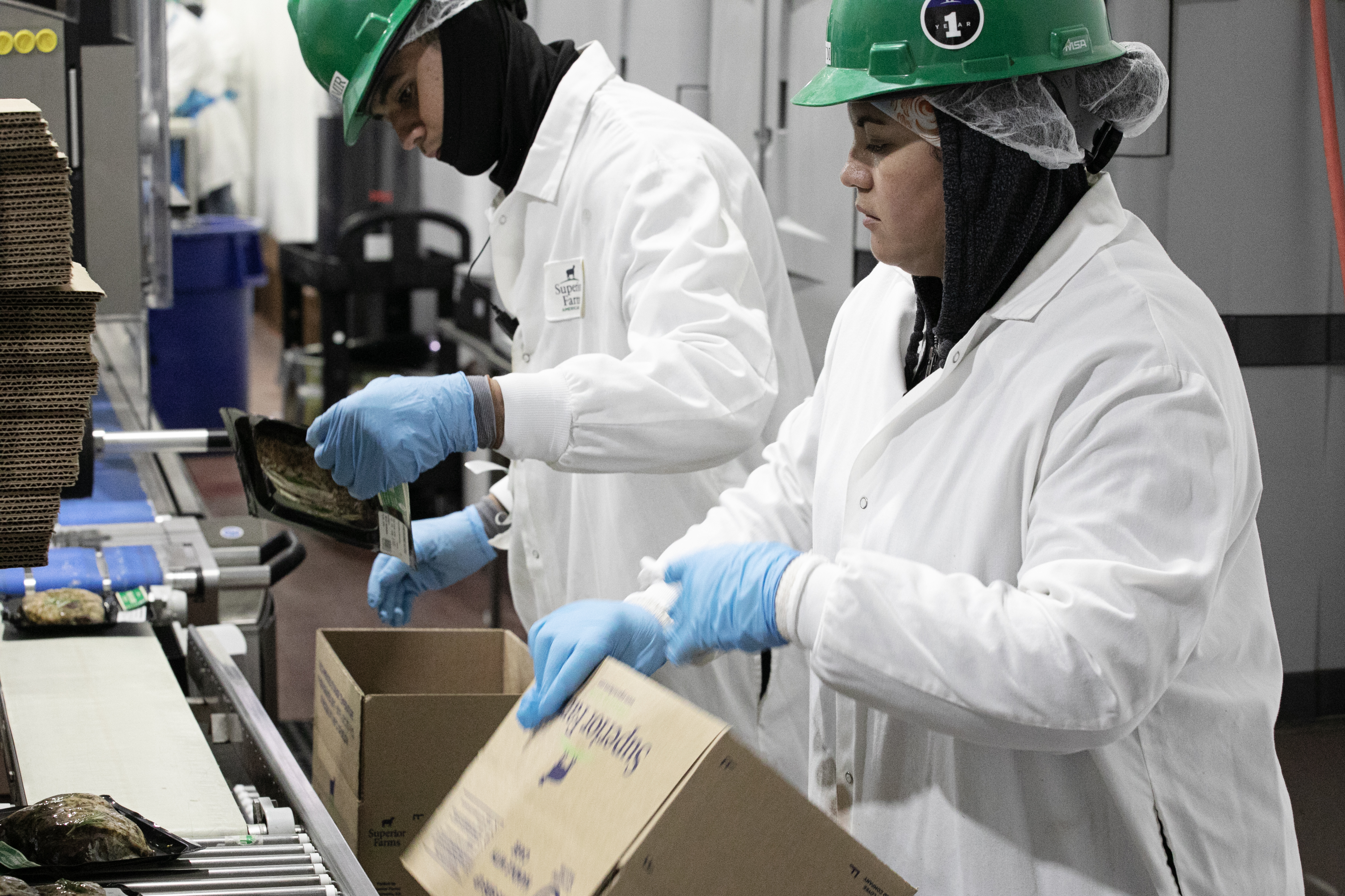
Bautista said the company, for example, prefers to promote workers from within, rather than seek someone from outside, she said.
She said she is living proof of that — she is a Hispanic, single mom who learned English on the job and worked her way up the ranks.
She has worked in just about every part of Superior Farms and said there is significant cross training. She claimed this results in a lower turnover compared to other slaughterhouses and better employee health.
Pro Animal Future
In pushing for the company’s closure, Pro Animal Future, the group behind the proposed ban, cited a National Institute for Occupational Safety and Health study showing slaughterhouse workers have seven times the rate of repetitive strain injuries and 76% suffered from an abnormal nerve condition in at least one hand.
On its website, the group also claimed that the company that runs Denver’s slaughterhouse was found to have “multiple Humane Slaughter Act violations.”

The occupational safety study cited by the group was about a poultry plant in Maryland, not a lamb slaughterhouse, while the alleged Humane Slaughter Act violations were leveled against the company’s site in Dixon, California — not the plant in Denver.
One study said the plant’s closure would result in significant job and economic losses.
Researchers from Colorado State University estimated that, on the low end, nearly 700 jobs would be lost and about $215 million in economic benefits would disappear. On the high end, the study said, as many as 3,000 jobs would be affected, and the economic loss could be as much as $861 million.
Directly, 160 people work at Superior Farms.
Pro Animal Future’s representatives attacked the CSU study by accusing its authors of bias, saying the university has a longstanding history with the agriculture industry and citing grant funding its researchers have received.
“This is a study funded by the industry claiming to be independent and unbiased, but in the same breath, the authors are saying they have ‘significant working relationships’ with people in the industry,” said Olivia Hammond, a spokesperson for Pro Animal Future. “It’s really tough when we feel like we can’t rely on seemingly independent academic research because of schools starting to get more and more industry funding.”
The neighborhood
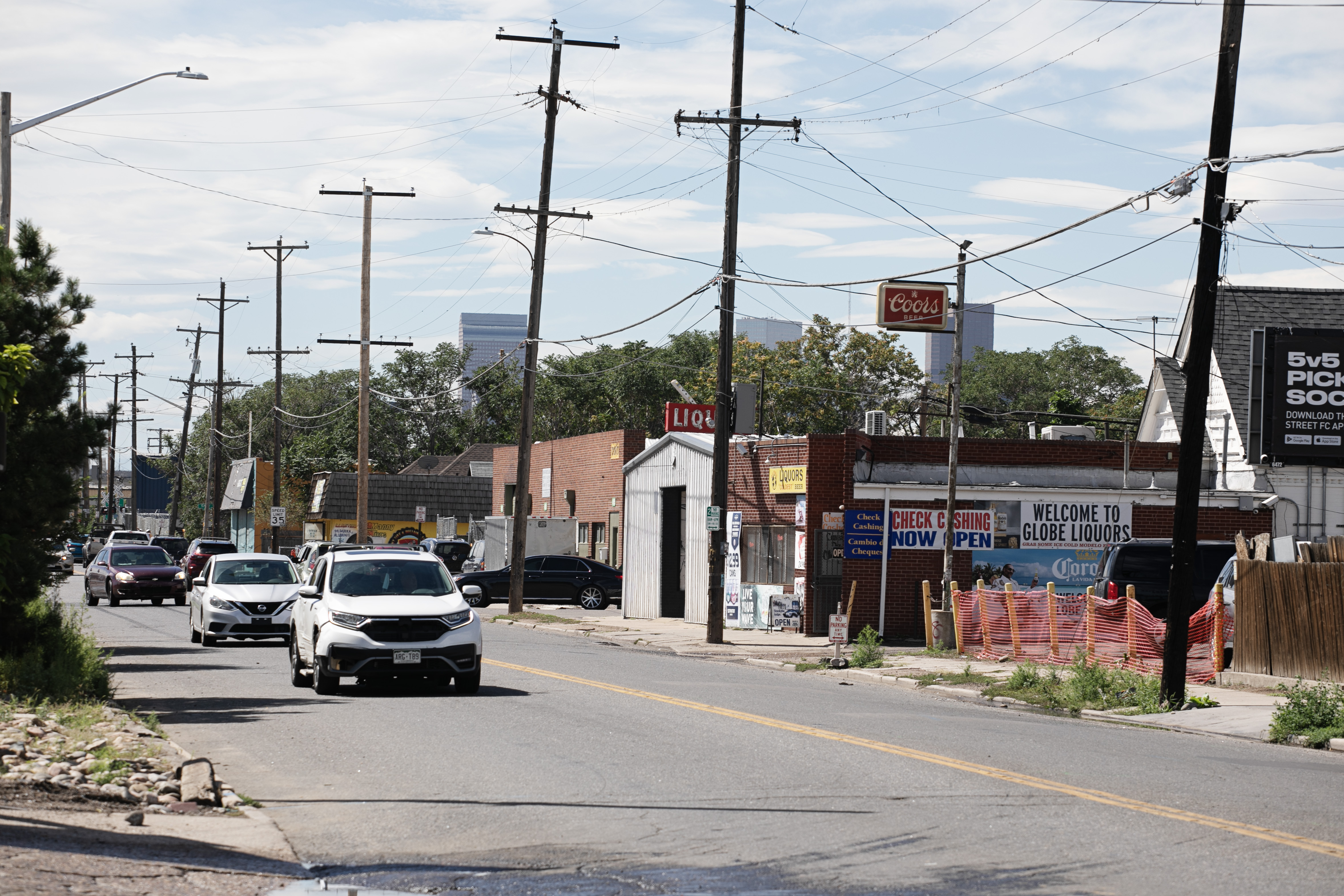
The Globeville and Elyria-Swansea neighborhoods fall into Denver’s so-called “inverted L.”
Located to the west of Interstate 25 and the north of Interstate 70, they are home to minority communities and exist in the industrial heart of Denver. To the north stands the Cherokee generating station, formerly a coal-burning power plant, and the Suncor oil refinery.
The neighborhoods are also home to a dog food factory.
When pressed about the jobs that would disappear in the historically low-income neighborhood, Pro Animal Future insists the city “will prioritize them and help them find new work.”
“There’s a budget set aside for transitioning folks to greener jobs, which also provide better job security,” said Hammond, the group’s spokesperson. “I don’t think they’re going to be totally without wages if they’re able to file for unemployment.”
The group said it is also working closely with a group that offers support to help workers “transition out of the animal agriculture industry and into careers that are more empowering, sustainable and prosperous.”
The Brave New Life Project is “eager” to take on new people and “help them find their way to new jobs,” Hammond said.
Hammond also insisted that the Slaughterhouse workers won’t have a difficult time finding new jobs.
“We’re in an economy where we need workers, so everybody is hiring right now,” she said. “And so they would hopefully help to fill some of those roles for jobs that we are currently trying to fill in the city.”
The ban on the ballot has drawn the ire of Councilmember Darrell Watson.
“What initially distressed me the most is that it seems very clear that the organizers are doing this as a test case to see if they can pass this here, they think they can pass it anywhere,” he said. “I think coming into our state, coming into our city and having no engagement with community and no focus on what the downstream impacts are, is not only wrong but will tick off folks across the city.”
Watson said the plant is a “bright spot” in the low-income neighborhood.
“It is employee owned,” he said, adding that is “unheard of within this type of industry.”
“And when you consider the role it plays in the neighborhoods,” he added, “families are able to buy homes and put their kids through school and it breaks the cycle of poverty.”
The area, Watson said, has been a “test case for so many horrible ideas.”
“These folks are coming in as just another group testing out their thoughts, ideologies and beliefs on a community that, quite frankly, has had enough of that nonsense,” he said. “I think it’s wrongheaded and I could not be more against it.”