




5 things to know about massive Ball Arena project extending downtown Denver
The parking lots around the Denver Nuggets' and Colorado Avalanche's home could become a brand new neighborhood if city leaders approving rezoning.

It’s been more than two years since the owners of Ball Arena filed plans to redevelop its 55-acres of parking lots into a neighborhood with housing, shops, office space and a park.
Over the next month, the project is set to go in front of City Council to get the needed green light from officials for what is being considered a new neighborhood built from scratch within downtown.
Ball Arena is owned by Kroenke Sports & Entertainment and is the official NHL and NBA home stadium for the Colorado Avalanche and Denver Nuggets.
The first reading to rezone the area will go before the City Council on Monday, according to the meeting agenda.
If approved, the bill will go to a public hearing set for Oct. 21.
A development agreement and changes to the city’s view plane in relation to the Ball Arena project were also approved by council members at the South Platte River committee hearing last week, which is also set to go before City Council in October.
Here’s what to know about the deal before it goes to City Council.
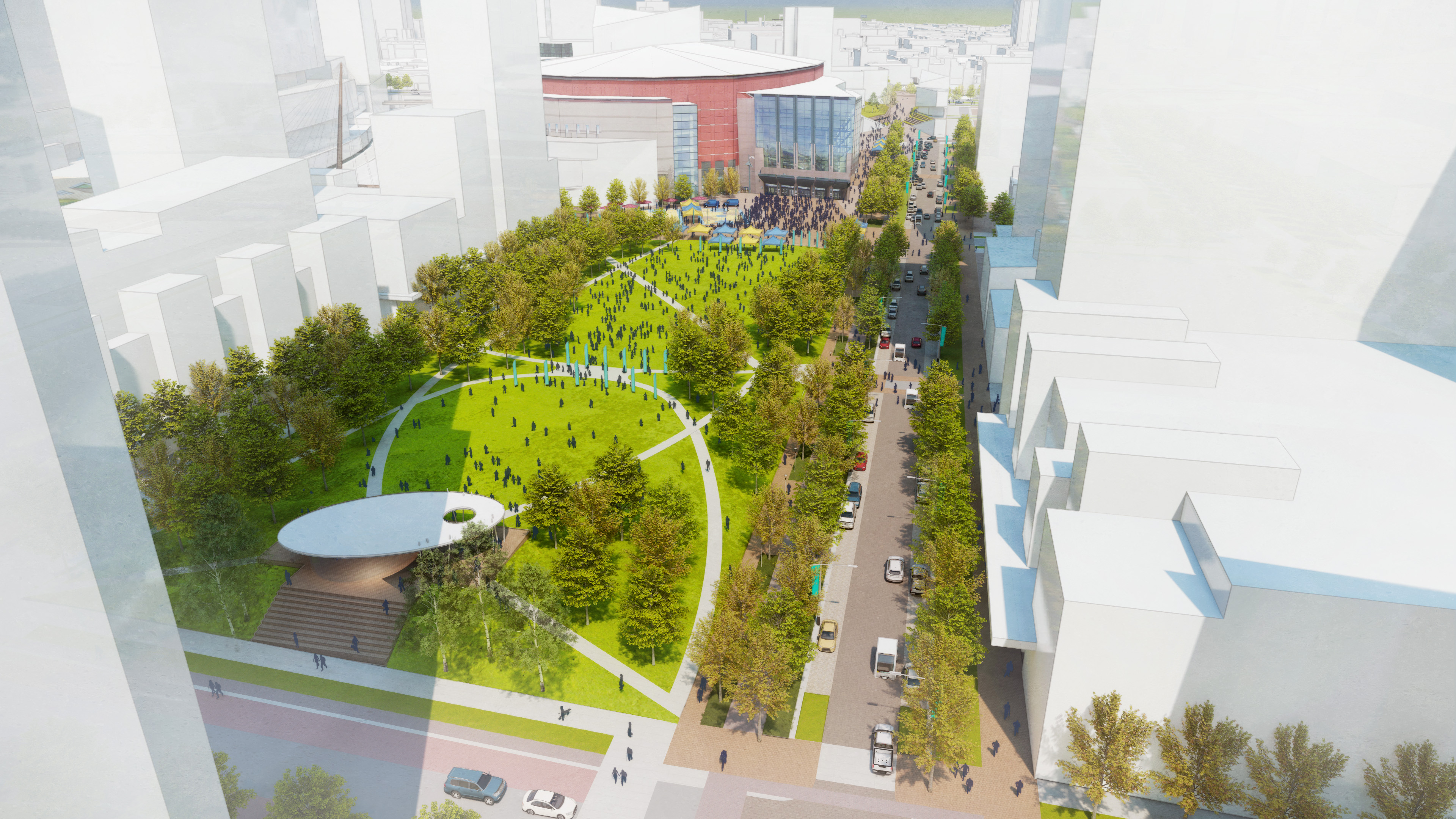
What will be on the site?
The proposed Ball Arena development area covers 55 acres and sits between the University of Colorado Denver’s Auraria Campus, Elitch Gardens theme park, Lower Downtown and the South Platte River.
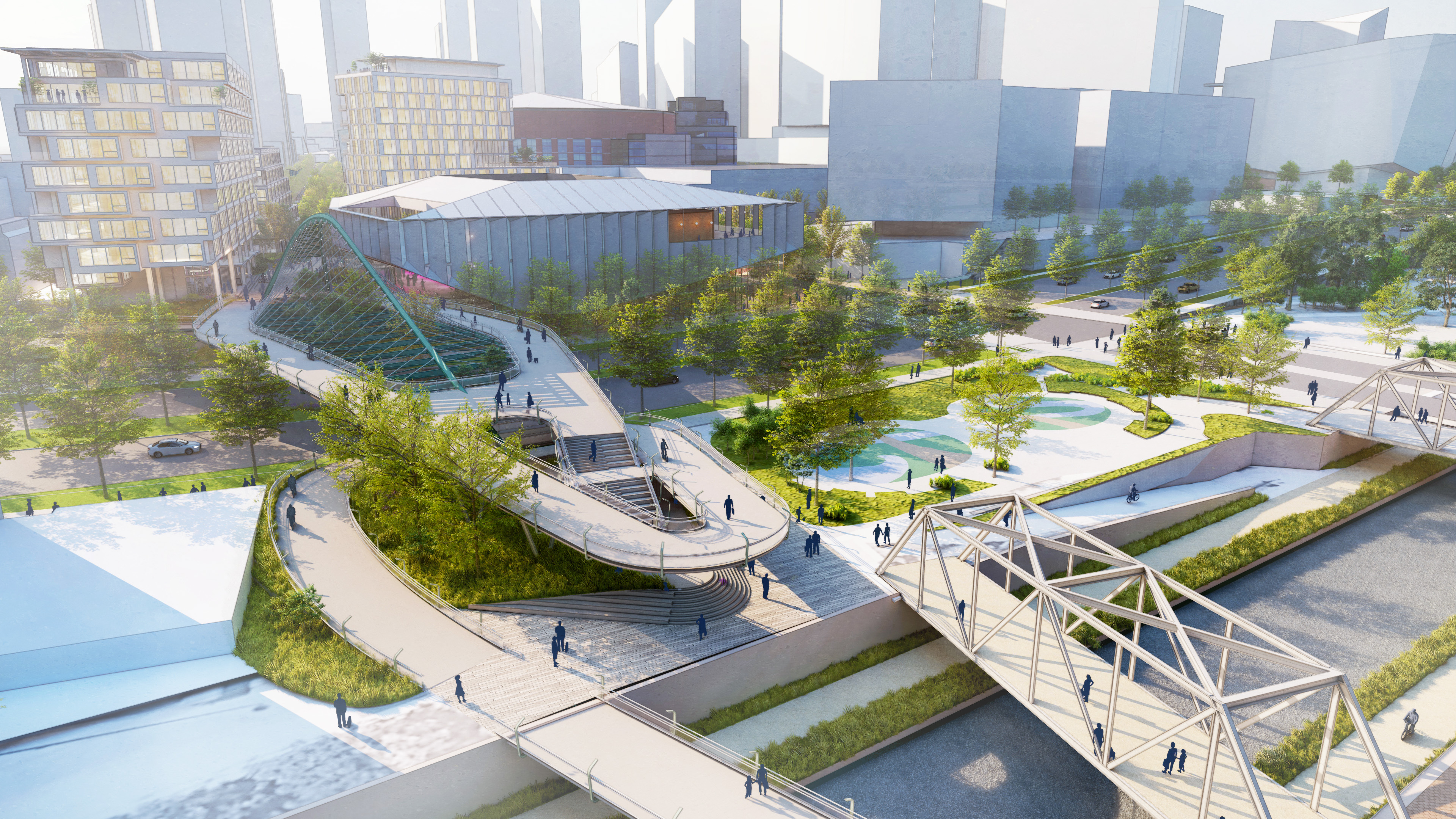
The development aims to turn the area full of surface parking lots surrounding the arena into a mixed-use neighborhood with retail, office buildings, housing and park space. Or what is commonly referenced as a live-work-play environment.
Kroenke Sports must also build a recreation center, per the development agreement.
According to Denver’s downtown plan created in 2007, the city expected the Central Platte Valley/Auraria area to see demand for parking drop and more opportunities to make the neighborhood more dense.
Senior City Planner Tony Lechuga told the South Platte River committee on Sept. 11 that the project falls in line with the city’s anticipations and helps Denver meet downtown’s mixed-use goals.
Denver normally requires developments of this size to have 10% set aside for park space, typically broken into bits, Lechuga explained.
But this project will have to have 12% of land set aside for parks as downtown lacks public green space. And one of the parks has to be at least 3.5 acres in size.
In project renderings, a large park called “Signature Park” sits in the heart of the development.
How much housing will there be?
The site proposes to build approximately 6,000 units of housing, according to a city presentation.
The development agreement asks Kroenke Sports to commit 18% of all units – whether for rent or for sale – to be designated as affordable housing. It’s higher than the city’s requirement of 8% to 12% of affordable housing for every multifamily building with more than 10 units.
The Ball Arena project is expected to generate about 1,080 new affordable housing units for the city.
Two buildings will be “fully-affordable,” per the agreement, and would have to be among the first three structures constructed.
But there’s also an exception in the agreement allowing five “fully market-rate” buildings on the site.
The rezoning would allow buildings up to five stories tall, though there are several proposed incentives to have no restrictions on building heights.
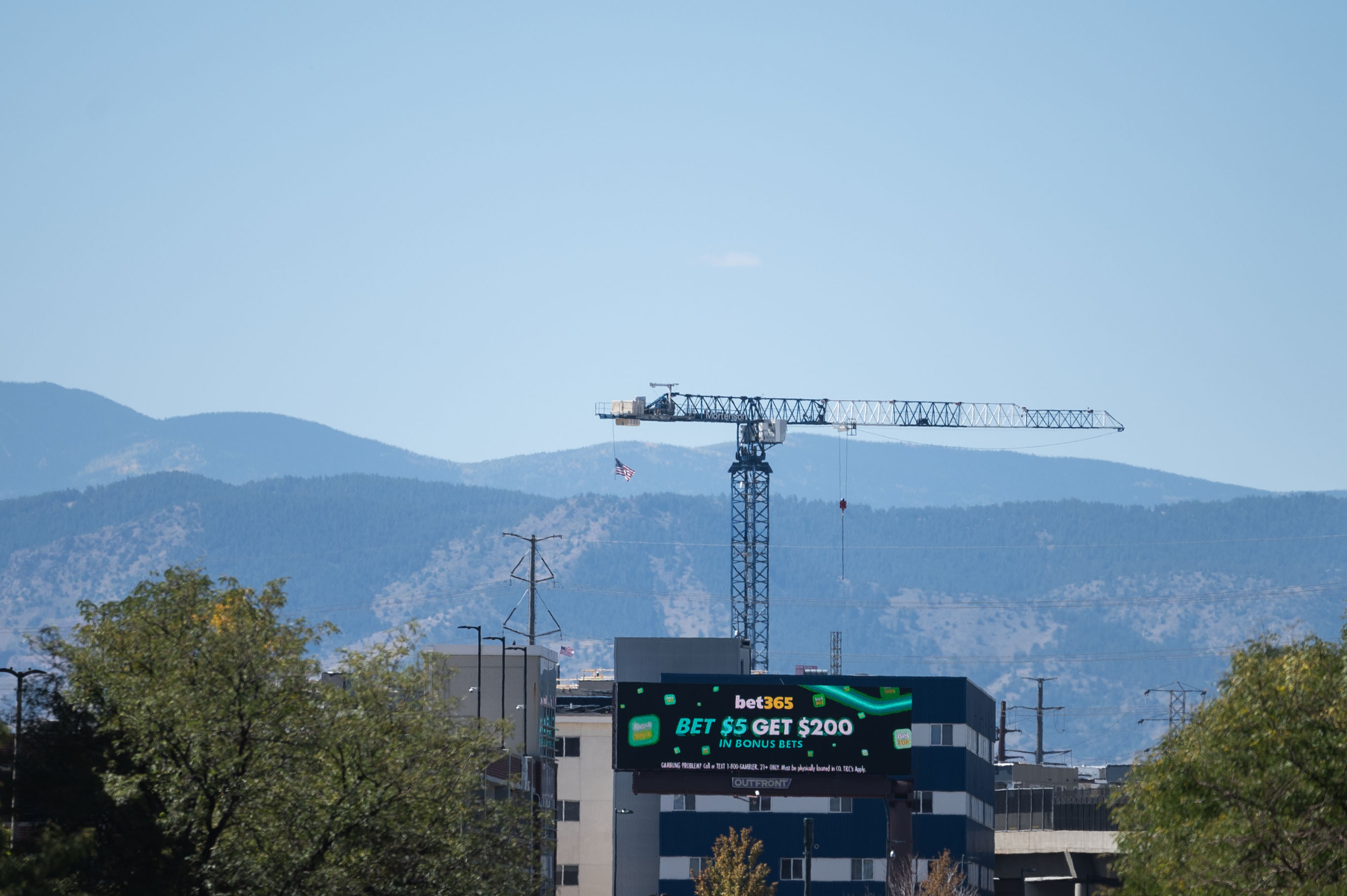
Protected mountain views in exchange for affordable housing?
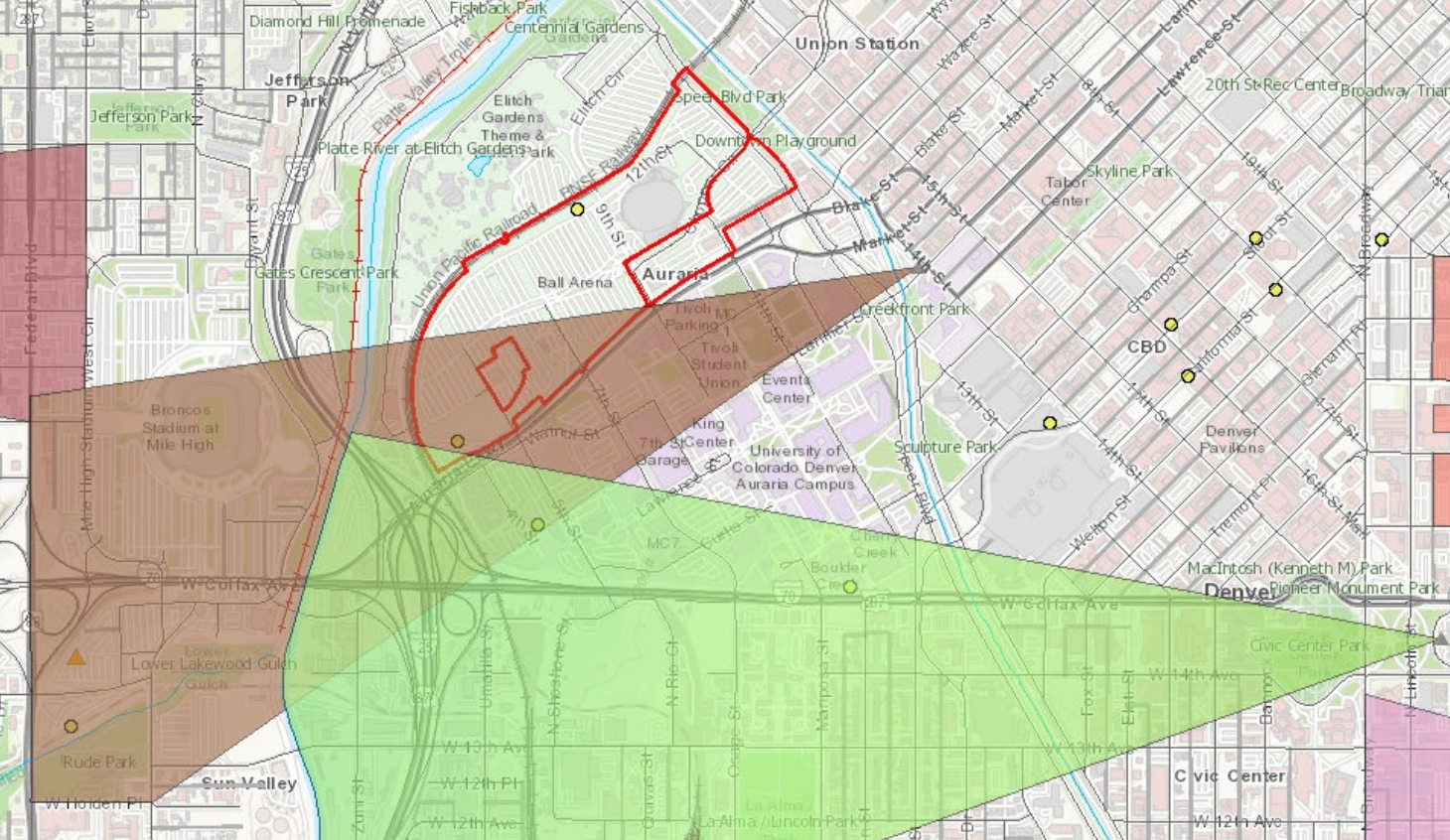
A bill amending a city view plane – Denver’s law to restrict building heights to protect views of the Rocky Mountains from 14 public places – within the Ball Arena area is also under discussion.
Lechuga said the Old City Hall view plane is “obsolete” because much of it covers the Auraria campus, a state-owned property not required to follow the local ordinance. Empower Stadium is also exempted.
The amendment exempting the Ball Arena land would allow Kroenke Sports to build as tall as they’d like, under a few conditions.
One resident who lives on Larimer St. in downtown told the South River Platte committee that the view plane exemption would hurt downtown’s views of the mountains. The college campus has kept its buildings fairly low, she said, despite not having restrictions.
“I’m not against development. I don’t think that asphalt parking lots are attractive,” the resident said. “But I think that having the view plane maintained, even if it’s somewhat amended, would be helpful to downtown Denver.”
Another condo owner in the same building said during public comment it would hurt the property values of downtown homeowners who expected the view to be protected.
Kroenke Sports can build as tall as they’d like as long as it includes affordable housing, according to the development agreement.
“So by removing the view plane, we’re actually incentivizing and allowing any development to tap into our built-in incentives to provide affordable housing in excess of 70 feet [or five stories],” Lechuga said.
While the agreement wouldn’t limit height, it would limit the size.
Unlike many downtown skyscrapers taking up a whole block, the agreement would require Kroenke Sports to build skinnier towers.
“If we are going to allow a tall, skinny tower when they provide affordable housing, it still preserves part of those views,” Lechuga said. “Where we have views preserved between the towers, we have views preserved because the towers are so skinny.”
Councilmember Chris Hinds noted he spoke with several residents downtown about the projects blocking views of the mountains and expressed concern over it.
“Part of my consideration will be how important is affordable housing in our city. And I would say that is an important consideration,” he said. “We also have the beauty of the western slope and the mountains to consider as well.”

What does it mean for the sports teams?
With the development, the city and Kroenke Sports are close to sealing a deal to keep the Nuggets basketball team and the Avalanche hockey team in downtown Denver for decades.
Currently, the teams are committed to stay until 2038. A new agreement would extend the team’s requirement to play in Ball Arena until 2050, another 12 years.
While there’s no plans for a new stadium, the new deal gives Kroenke Sports flexibility to fulfill its obligations with a “comparable arena facility to Ball Arena” on the stadium or the River Mile property, where Elitch Gardens currently is.
Last week, council members on the South Platte River committee voted to move the extension agreement forward.
It will also head to City Council for final approval, on the provision the rest of the development agreement is approved.
What’s next?
The first reading of the bill to rezone the area will go to City Council on Sept. 23.
Some council members in committee sessions expressed support for the project but also expressed hesitation about voting yes because of the view plane exemption. And like the Cherry Creek West project, also set to go before City Council on Monday, council members want to see a community benefits agreement after several neighborhood associations in areas surrounding Ball Arena requested one.
At the committee meeting, Kroenke Sports Senior Vice President Matt Mahoney said without the view plane amendment the 6,000 housing units proposed would get cut in half.
While the redevelopment isn’t concretely set in stone on what buildings would go where and how tall they would be, Mahoney said they have high interest in building the taller towers close to one of the property’s light rail stations.
“We have an intention for high density development at that station,” he said.
If the rezoning passes on Monday, it will go to a public hearing on Oct. 21.
There’s still a lot of questions about how Xcel would supply energy to the new downtown neighborhood. It also would have to set up metropolitan districts and work with the Denver Fire Department to support the extra services required for downtown skyscrapers.

Get OutThere
Signup today for free and be the first to get notified on new updates.
PREV
PREVIOUS

How to watch: Colorado Buffaloes football vs. Baylor Bears
Colorado vs. Baylor Kickoff: 6 p.m. Saturday TV: FOX Stream: FOX Sports Now Broadcast crew: Connor Onion (play-by-play), Mark Helfrich (color analyst) Radio: 94.1 FM & 850 AM Buffs broadcast crew: Mark Johnson (play-by-play), Gary Barnett (color analyst), Andy Lindahl (sideline reporter)
Harris pledges to ‘restore reproductive freedoms’ in Georgia speech
Vice President Kamala Harris promised during an abortion-focused speech Friday in Georgia to sign a bill that would “restore reproductive freedoms” if she is elected president. “When Congress passes a bill to restore reproductive freedoms, as president of the United States, I will so proudly sign it back into law,” she said. “Proudly sign it […]