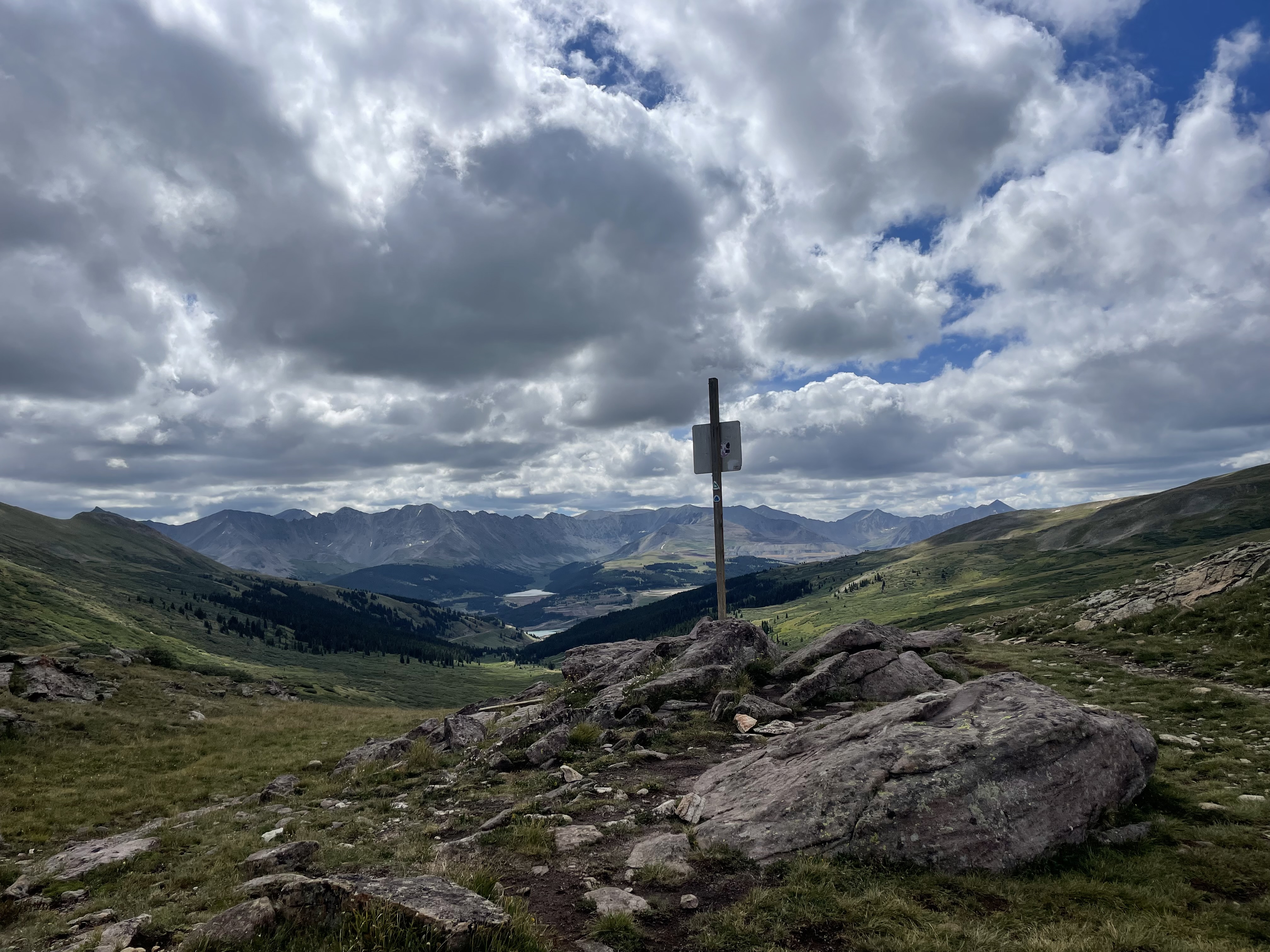


Colorado Trail: Foresters find beetle kill, wildfires among top-evolving environmental impacts to iconic trail system
Insight from foresters and Colorado Trail Foundation Executive Director Paul Talley
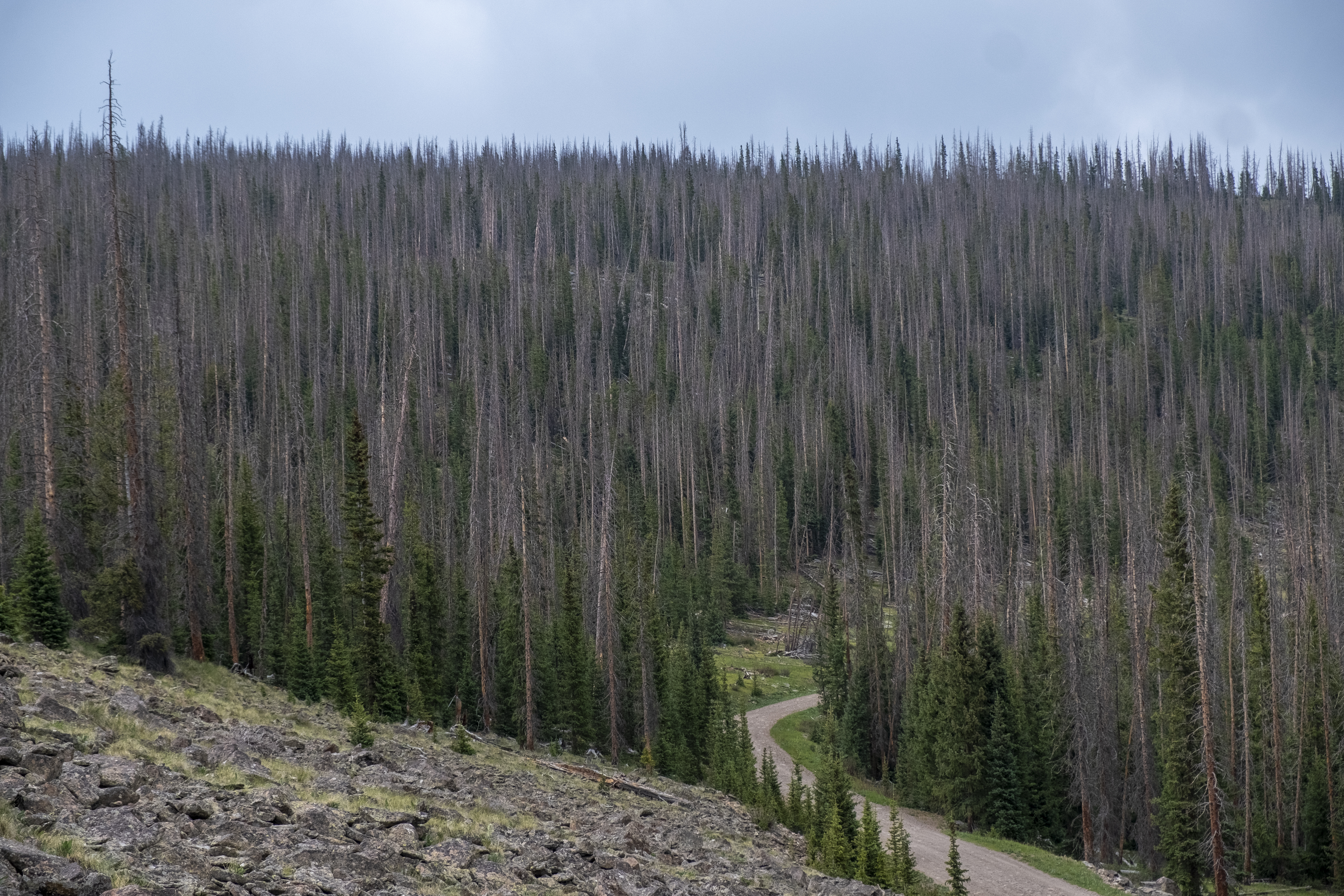
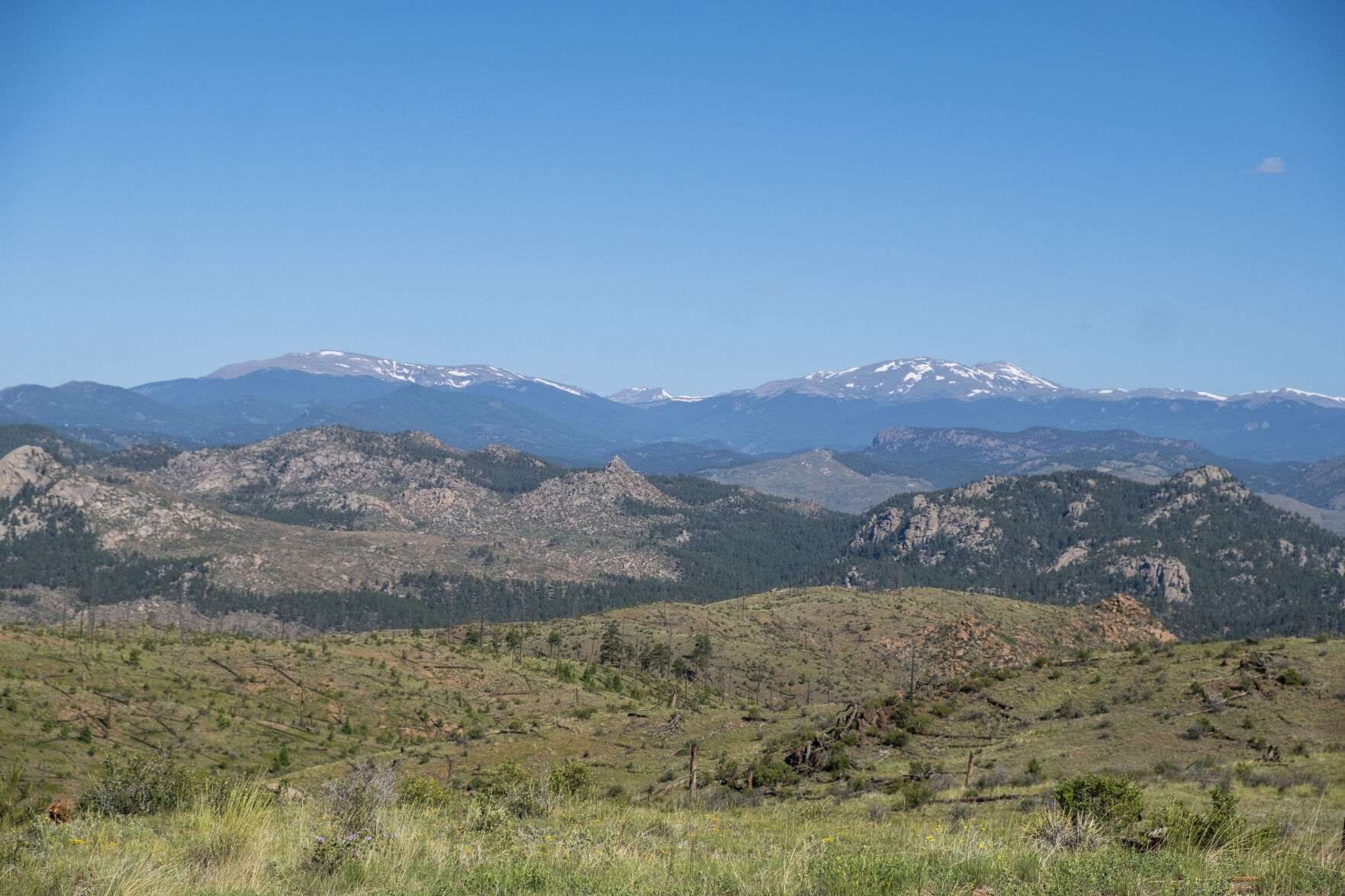
High among the alpine forests around Sargents Mesa north of Saguache in the Colorado Rockies stand acres upon acres of beetle-killed pine trees — gray relics of insect infestations dating back to the early 2000s.
Cutting a path between the seemingly endless wrecked and dead trees are Segments 16 and 17 of the Colorado Trail. Not unique to only these two segments, beetle-kill trees line large swaths of forest surrounding the seven trail segments — Segments 15-21— between U.S. Highway 50 and U.S. Highway 149.
Unfortunately this degradation — along with other environmental impacts like wildfires and soil erosion to the forest and trail system — has larger ramifications than just an eye sore on the landscape.
Beetle Kill
According to an article from History Colorado on Coloradoencyclopedia.org, in the early 2000s, several mountain pine beetle species ravaged large expanses of pine forests in Colorado due to a “perfect storm” of conditions, one being several years of warmer-than-average winter temperatures and two, drought, allowing for the rice-sized insects to invade pine forests state wide.
The Colorado State Forest Service estimates 834 million trees have been killed by mountain pine beetles, resulting in 3.4 million acres or 5,312 square miles of some degree of tree mortality since the epidemic began, roughly comparable in size to the state of Connecticut (5,543 square miles).
The authors Kristen Pelz, a U.S. Forest Service forester, and Tony Cheng, director at the Colorado Forest Restoration Institute at Colorado State University, said the pine beetle epidemic happened because, “large expanses of lodgepole and other pine trees across North America were reaching an age ripe for beetle infestation.”
“Because many forests were cleared or burned during the early days of European American settlement in the late 1800s, (with) these forests all roughly (being) 100–150 years old,” they also said.
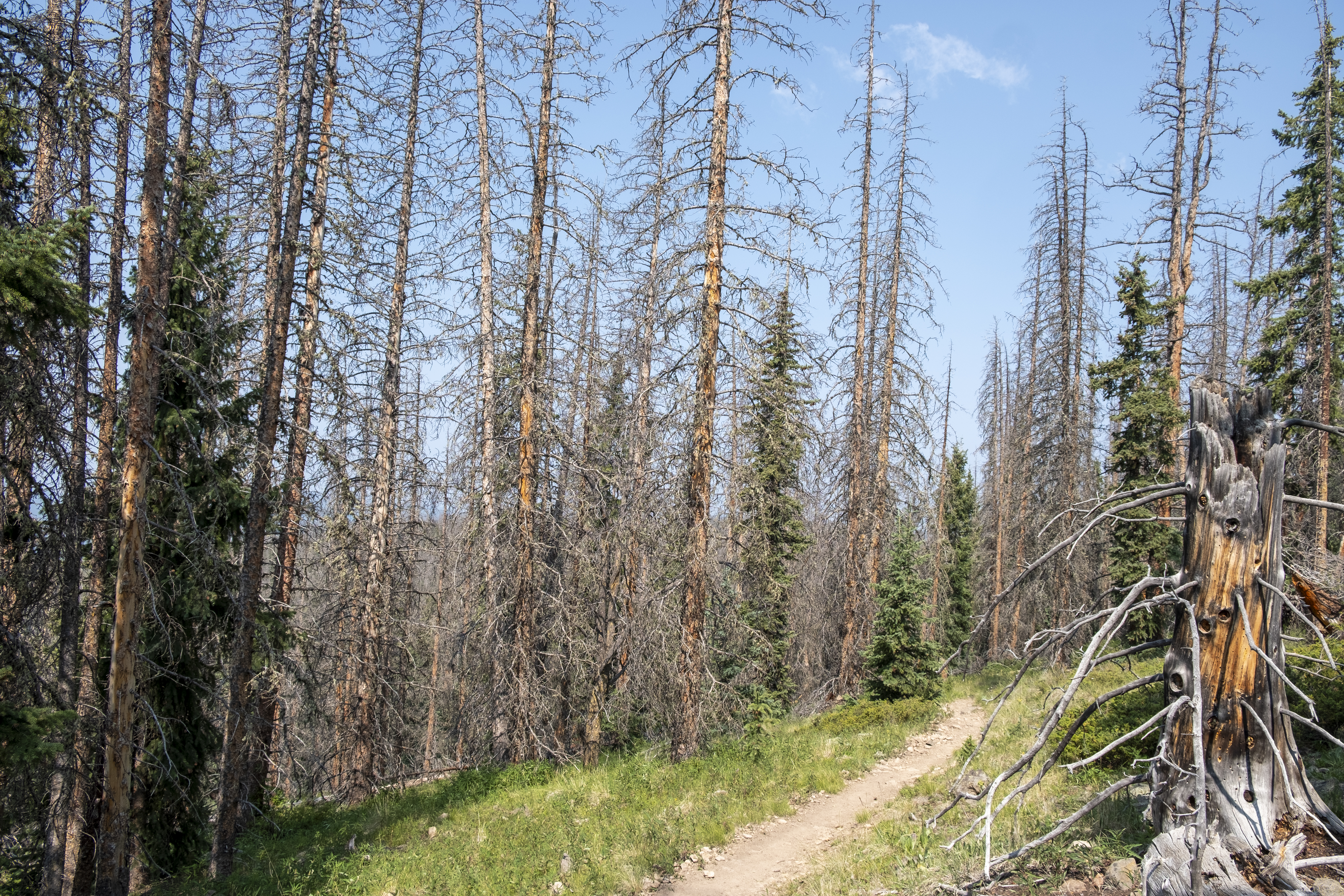
Because of those factors the pine beetles were able to infest the forests more easily, leading to what trail users see when trekking through affected segments of Colorado, including on the Colorado Trail.
As Pelz and Cheng point out, however, Colorado’s affected forests are recovering, albeit with a different look. They are full of life. The trees that survived grow faster than ever due to the expanse of new light-space available, extra water absorption and augmented nutrients in the soil.
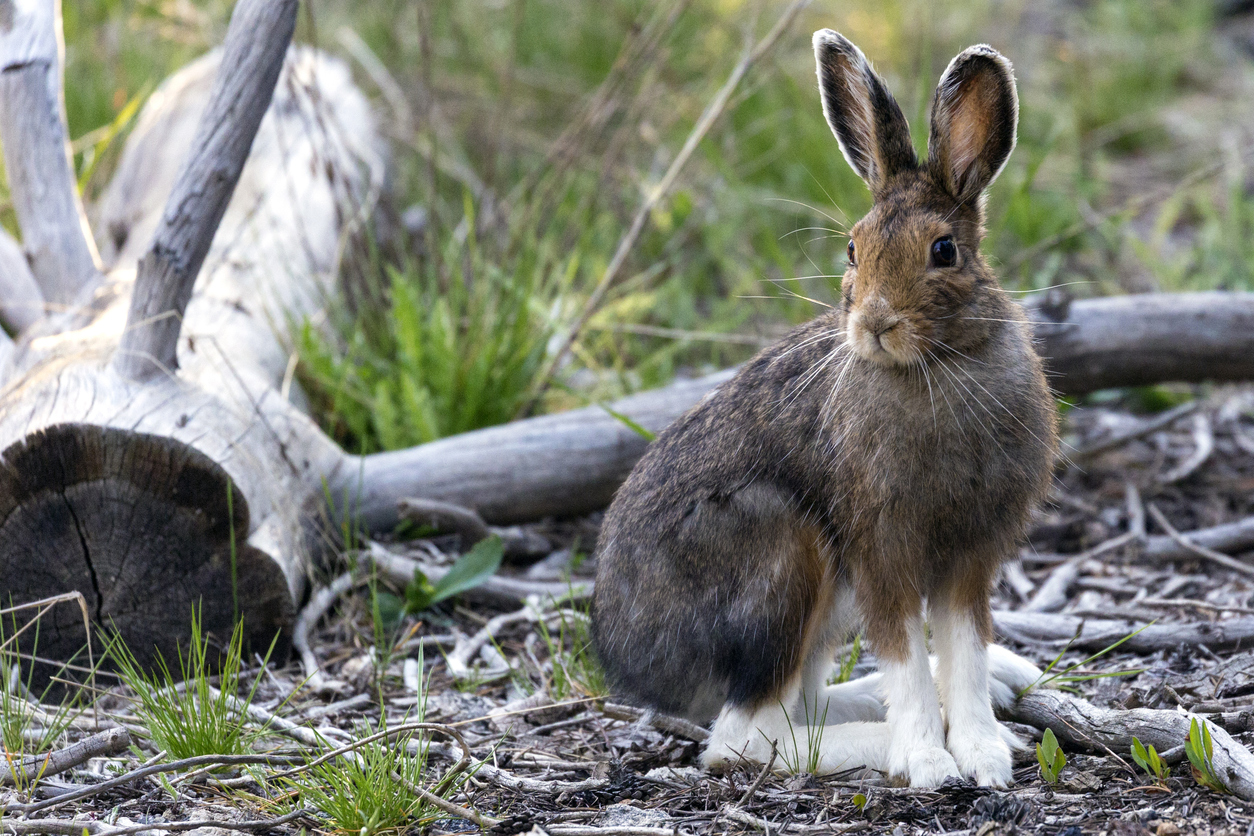
“The forest conditions created by beetle-caused mortality provide excellent habitat for many wildlife species, such as woodpeckers, pine martens, and snowshoe hare,” Pelz and Cheng said.
Forests near Salida, Monarch Pass and Saguache were hit particularly hard by pine beetles.
Paul Talley, the Colorado Trail Foundation’s new executive director, echoed similar sentiment to Pelz and Cheng’s.
“We deal with everything from avalanche, rock slide, tree fall and beetle kill — (which) has been an issue on some of the sections,” he said. “And, of course, with beetle kill, you have a quickening erosion, trees falling quicker, which poses a larger challenge for the organization to maintaining the trail more frequently throughout the unique environments.”
Talley also said one of the challenges the organization faces is maintaining the trail in all these (eight) unique environments along the Colorado Trail.
Because the beetle-kill forests are recovering, the Colorado Trail system running through the affected areas thrives too, especially due to the work of the partnership between the CTF and Forest Service.
The Colorado Trail Foundation works with 12 Forest Service ranger districts state-wide.
“We work closely with our Forest Service partners and lean heavily into their expertise and processes on what they feel like is needed, and then after we’re working with those Forest Service partners, we’ll identify the best way to build a sustainable trail or maintain a sustainable trail in that environment,” Talley said.
Talley also said Forest Service experts speak specifically about “what we feel is needed here” and that CTF has people on staff who know how to build and make trails sustainable.
“Every year, we have to go into it with a fresh set of eyes because the trail is ever evolving, ever changing, whether it is a forest fire that takes out a section or whether it’s an avalanche that causes us to reroute, we have to be very aware that every year the trail is going to evolve and we have to stay on top of that,” he said.
Wildfires
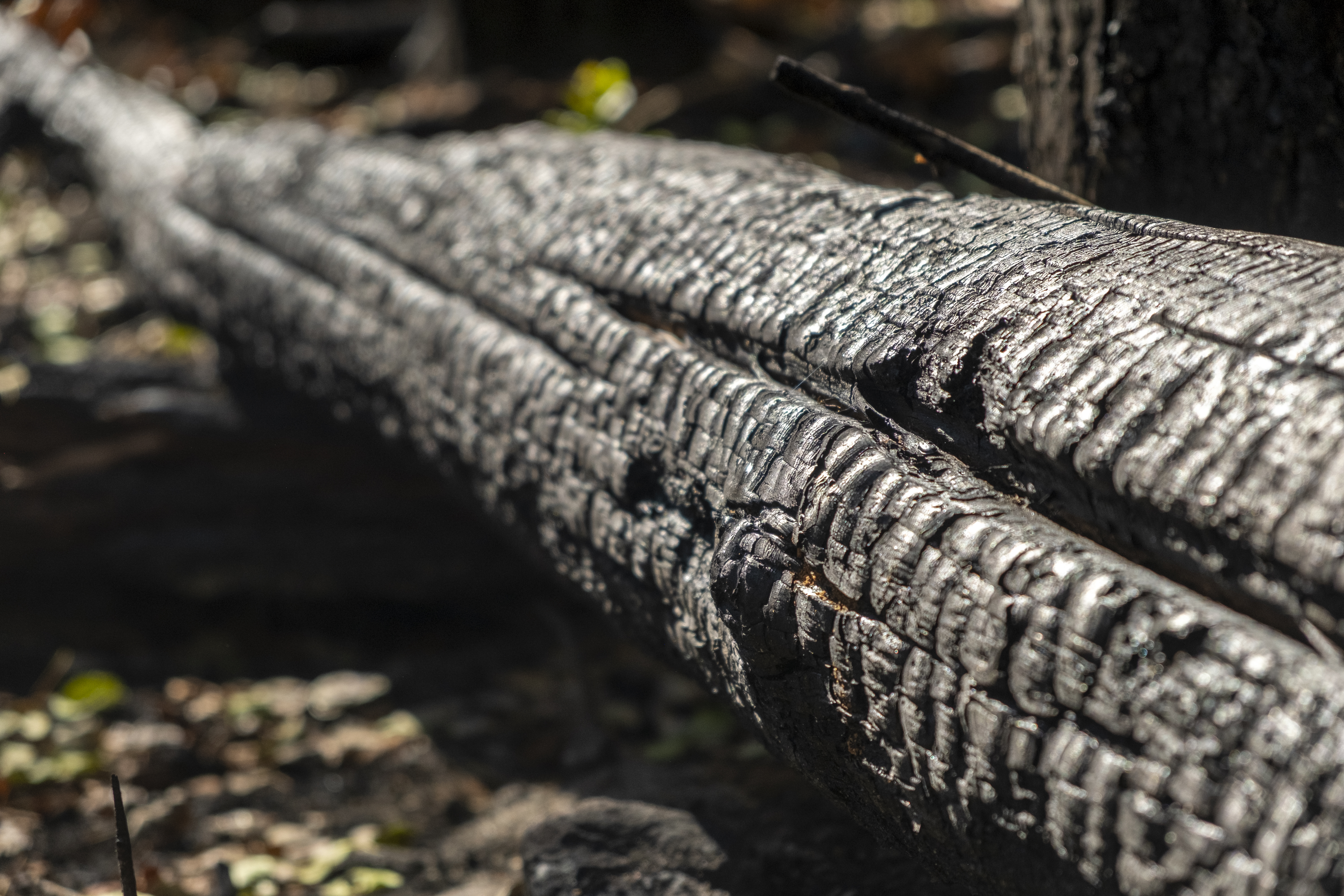
Pine beetles kills in vast swaths of Colorado’s forests set up a subsequent forest degradation issue — large-scale wildfires. The beetles gave the forest ample fresh fuel for ignition if and when the wildfire’s time came, and come they did.
According to records from Wikipedia, from 2000 to 2023, over 50 wildfires greater than 9,000 acres burned in Colorado’s forests from the Front Range to the Western Slope. Not all of those fires burned in beetle-kill forests, but the ones that did acted differently than in non-beetle kills forests.
A 2015 study from the University of Colorado Boulder found western United States forests decimated by beetle kill are not more likely to burn than healthy forests.

“We found that alterations in the forest infested by the mountain pine beetle are not as important in fires as overriding drivers like climate and topography,” CU Boulder postdoctoral researcher and lead author Sarah Hart said in the study.
“The bottom line is that forests infested by the mountain pine beetle are not more likely to burn at a regional scale,” Hart said.
Pelz and Cheng echoed similar facts about beetle-kill forests, saying, “Once the needles fall (three to seven years after outbreak), beetle-killed trees do not change or may actually lower the risk of fire ignition because fire is less able to spread from crown to crown.”
Pelz and Cheng said, however, beetle-caused mortality affects the way the fire burns.
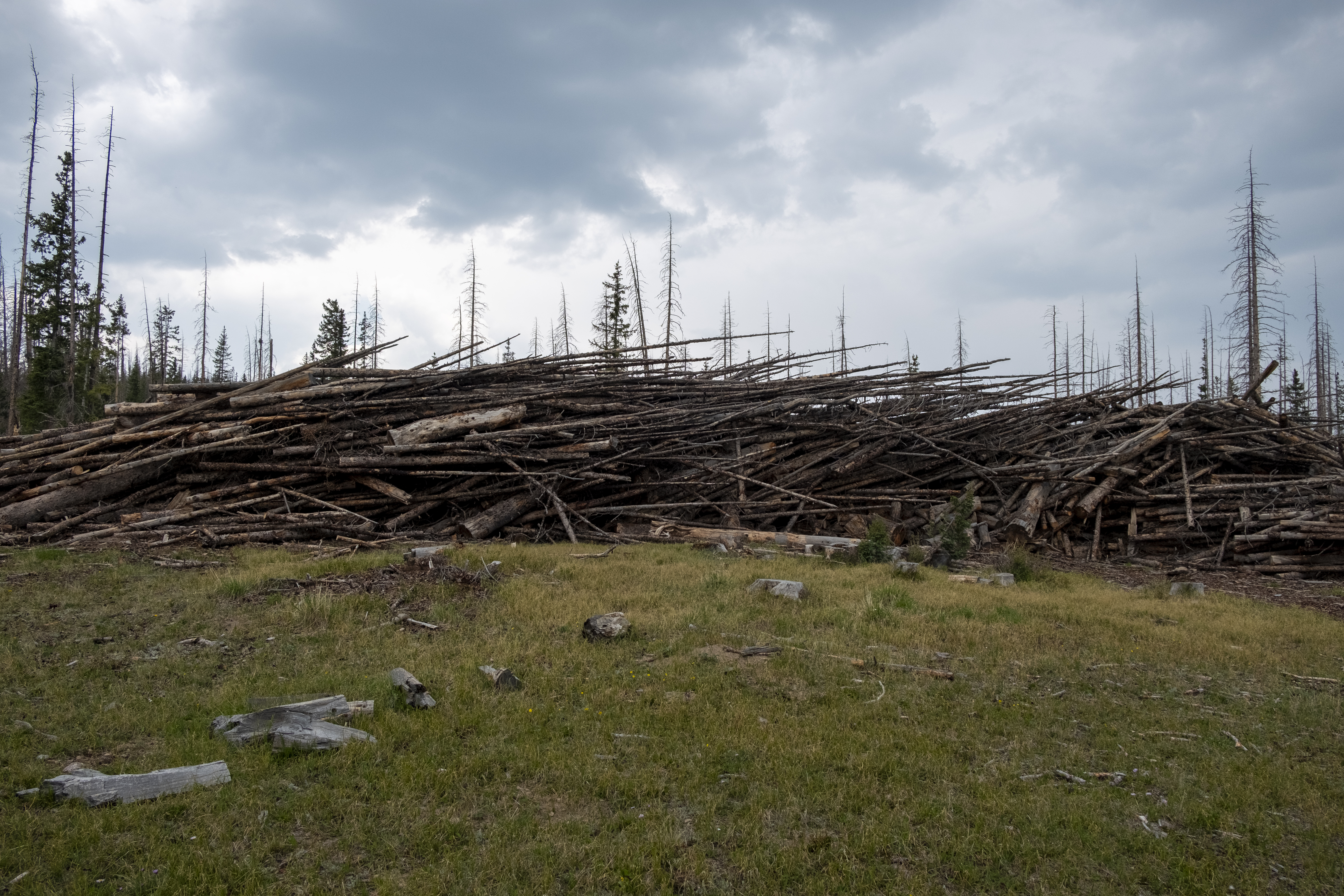
“The forest structure created after dead trees fall, usually within 10-to-20 years, is likely to burn with high intensity. Huge amounts of dead wood lay on the ground surrounded by foliage, twigs, and branches that easily catch fire and act as kindling to ignite the large tree trunks,” Pelz and Cheng said.
Because the trees burn with higher intensity, the forest around the trail system can become more susceptible to closures. The fires also create a hotter environment along the trail due to a lack of canopy shade, and the trail is more prone to soil erosion due to lack of vegetation on the ground.
Human impact
Certain segments of the trail close to large population densities see heavy usage — whether it is from hikers, bikers or equestrians. Those areas include metro Denver, as well as Breckenridge, Leadville, Buena Vista, Salida and Durango.
However, Mother Nature plays an even larger role in shaping and modifying the trail significantly, with erosion being the largest factor impacting the longevity of the Colorado Trail.
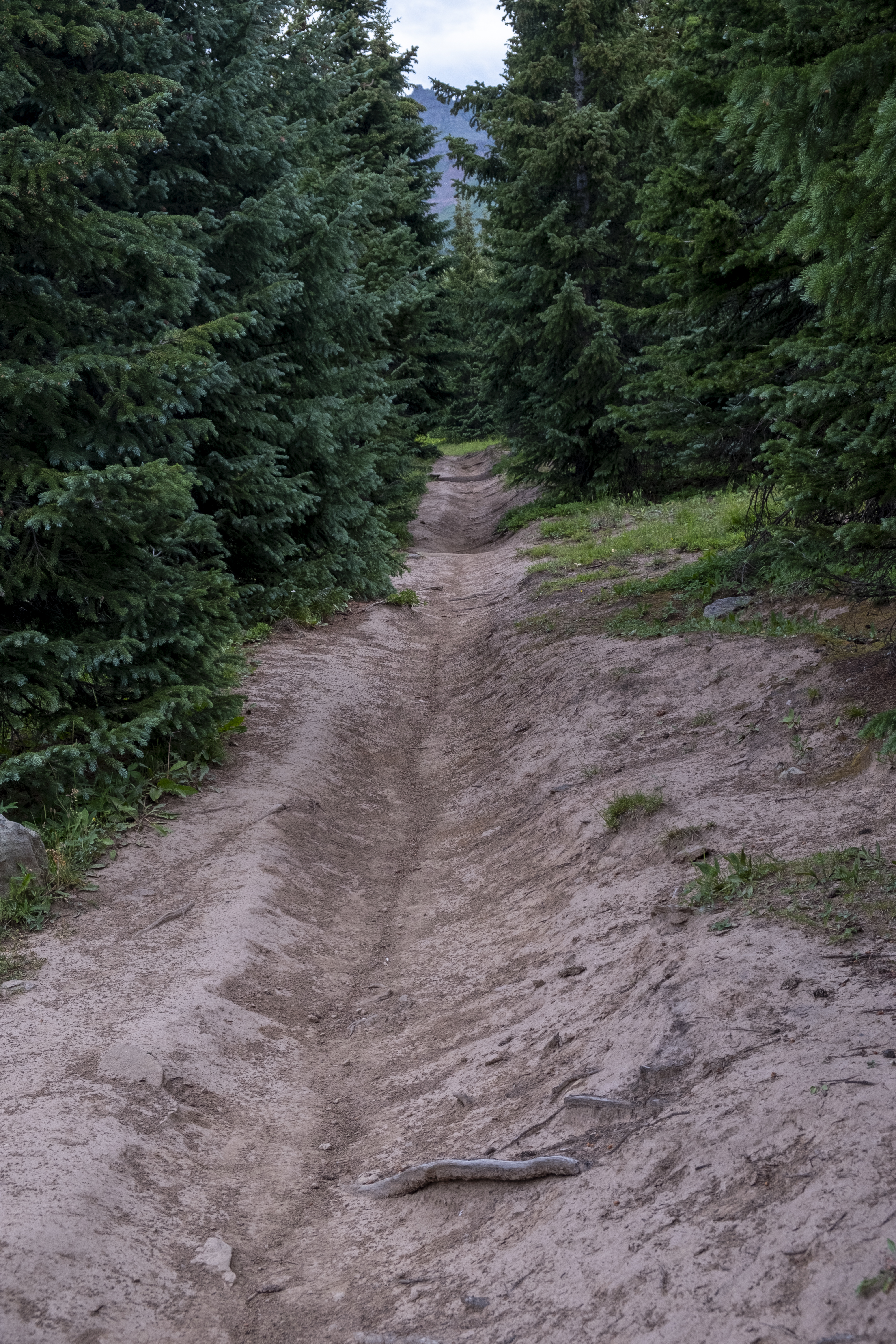
For example, the soils and rocks in the San Juan Mountains are softer in composition, due in part to their make-up of volcanic materials, than in other parts of the state. Erosion occurs easier and quicker among volcanic rock than among other rocks like granite or gneiss.
The segments mostly after Monarch Pass (Segment 15-28) travel on top of, and over, a lot of these volcanic rocks, which affect the trail for a number of reasons.
One, the soil’s K — erodibility — factor, plays a large role in erosion along certain sections of the trail. The larger the soil K factor number the more erosion happens.
Soils high in clay have low K factor numbers — between 0.05 to 0.15, as measured under the standard unit plot condition — and are resistant to detachment from the slope. Silty soils, like those found in the San Juans, have larger K factors numbers (between 0.25 to 0.4) leading to easier detachment and more erosion.
Two, both slope aspect and elevation play their own parts in erosion, too, especially in the steep San Juan Mountains.
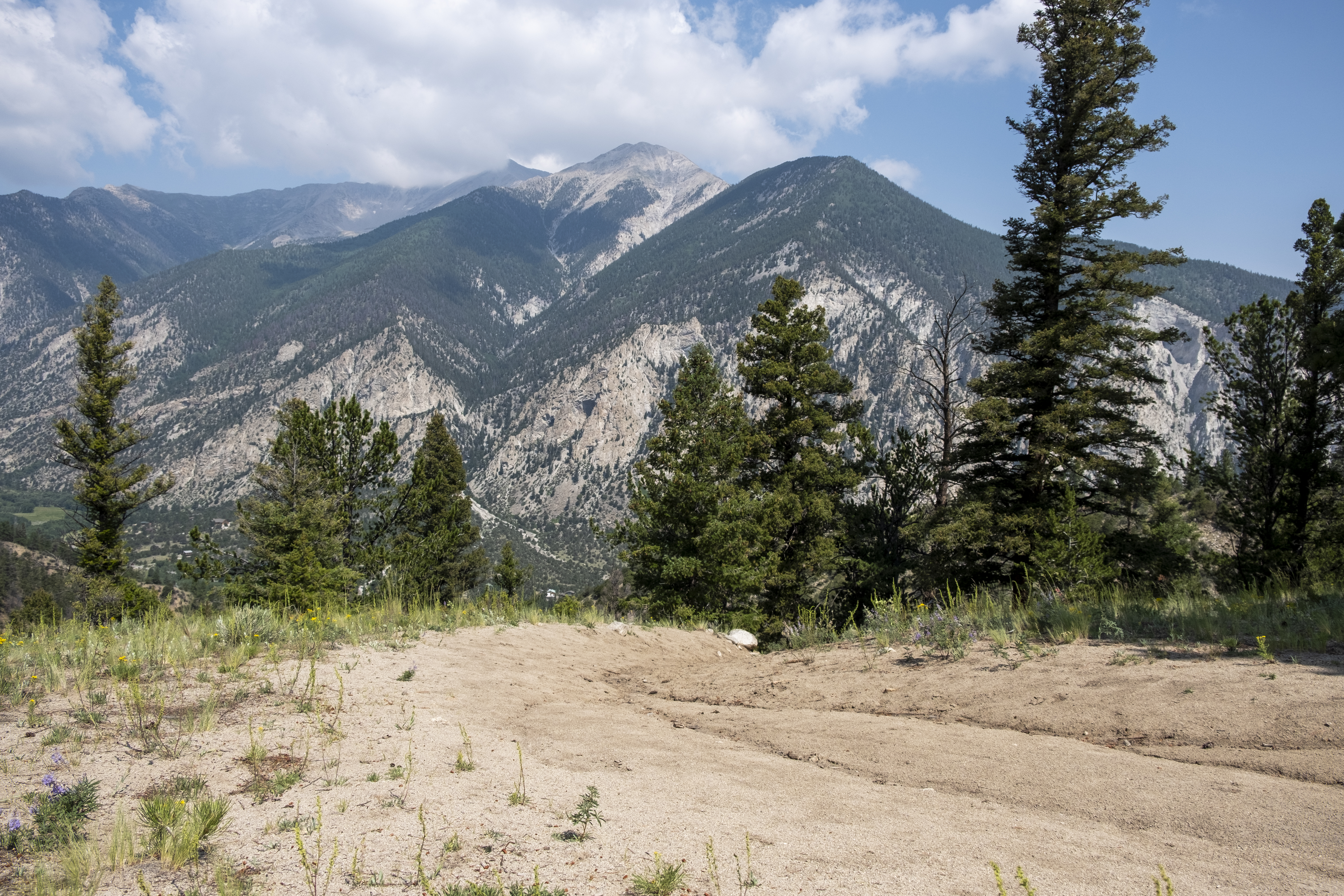
Heading south along Segment 14 from the Chalk Creek Trailhead, erosion on the trail is noticeable in the first 1-to-1.5 miles of the trail. However, water bars and large rocks are in place in several spots along the trail, channeling water away from the segment and into a natural drainage gully.
Further southwest along Segment 25 (Molas Pass), from approximately mile 4 to 10, the Colorado Trail travels across nine avalanche paths running downhill into Lime Creek. These steep slide paths can pull rock and debris over the trail yearly, creating hazards to hikers and the trail alike.

Luckily, the trail has a small army of volunteers fighting, building and purveying erosion on all 28 segments routinely in order to keep the trail sustainable.
Using data collected from the three key factors, trail maintenance crews can establish game plans to fix and maintain more susceptible-to-erosion areas of the trail, with sections that cross streams or rivers a high priority to maintain minimal sedimentation and runoff.
According to Talley, every section of the Colorado Trail has adopters, who are volunteers that agreed to take on a section and do routine maintenance on the trail.
“In 2023, the CTF had over 700 volunteers do about 20,000 hours of trail maintenance,” Talley said.
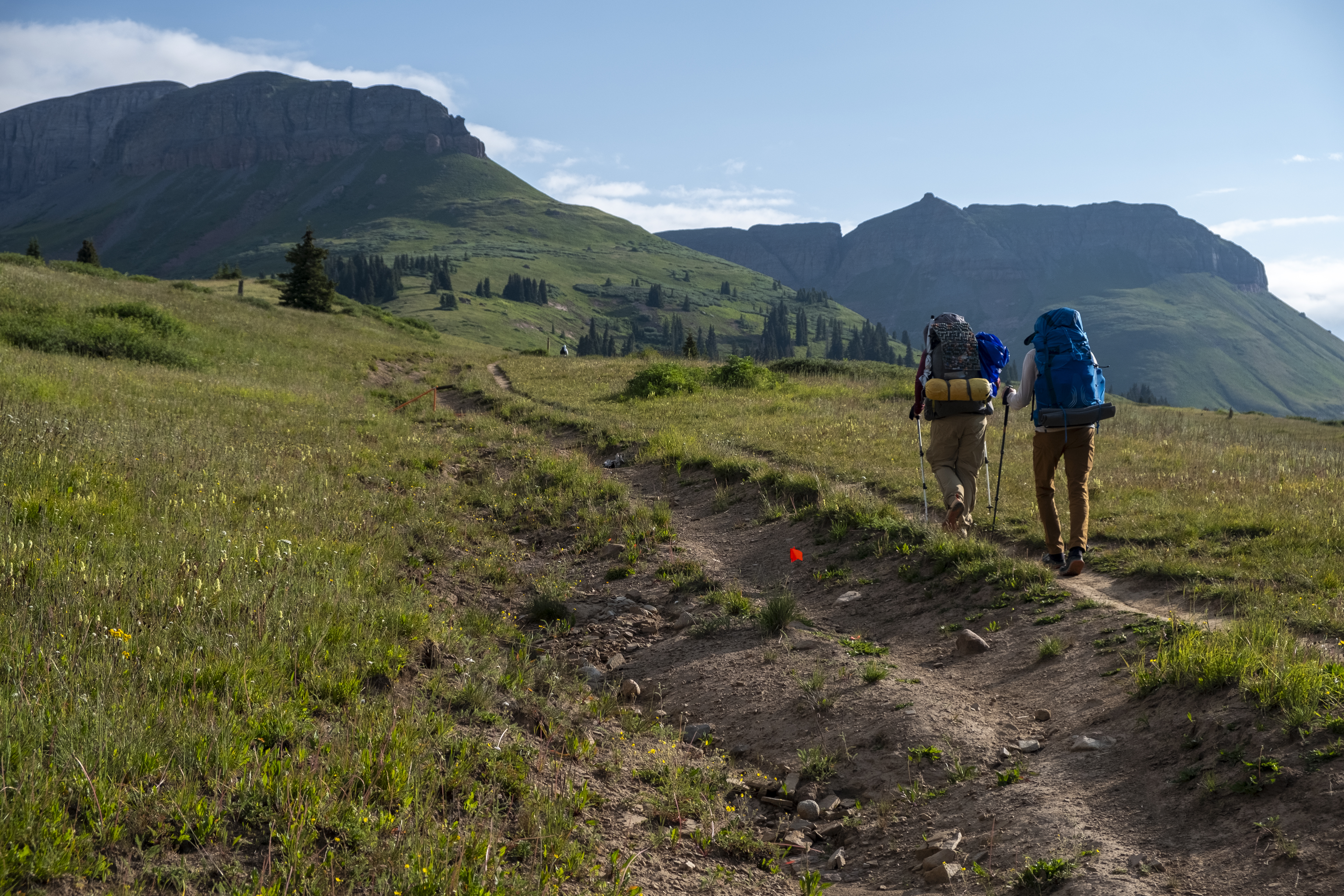
The adopters also fill out reports on a regular basis when they are working on their trail.
“We comb through the adopter reports and can usually see a pattern of quickening erosion or if people are cutting across fields, doing things where we need to get in,” Talley said.
“Many times the ranger districts will reach out to us and say, ‘We’re getting concerned about erosion’ or access or whatever issues they see, and they’ll be the first ones to alert us about a section needing to be rerouted or worked on,” Talley said of how the CTF helps maintain sections suffering environmental impacts.
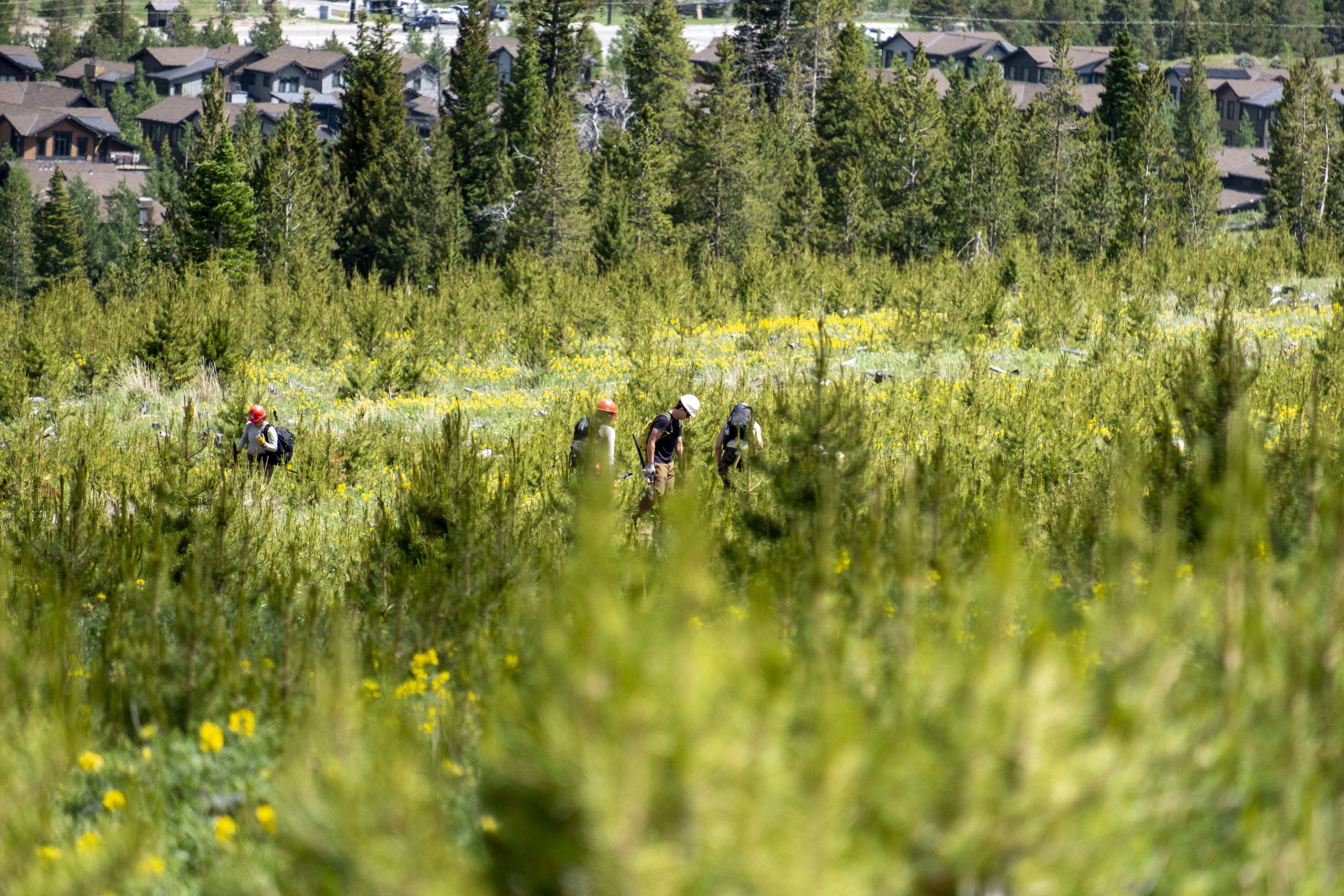
Feedback from hikers, bikers and equestrians is also crucial in allowing the CTF to follow up with any issues the trail-system is experiencing.
Talley said the CTF will get emails with photos from users on the trail showing an issue at a certain location, making his team aware of a problem at X location on Y segment.
“We have some projects that we know we can knock out in a day with some volunteers and we have some projects that are maybe a five to 10-year process by the time we get involved with our Forest Service partners and environmental groups to understand the impact and the NEPA (National Environmental Policy Act) studies that go along with that,” Talley said.
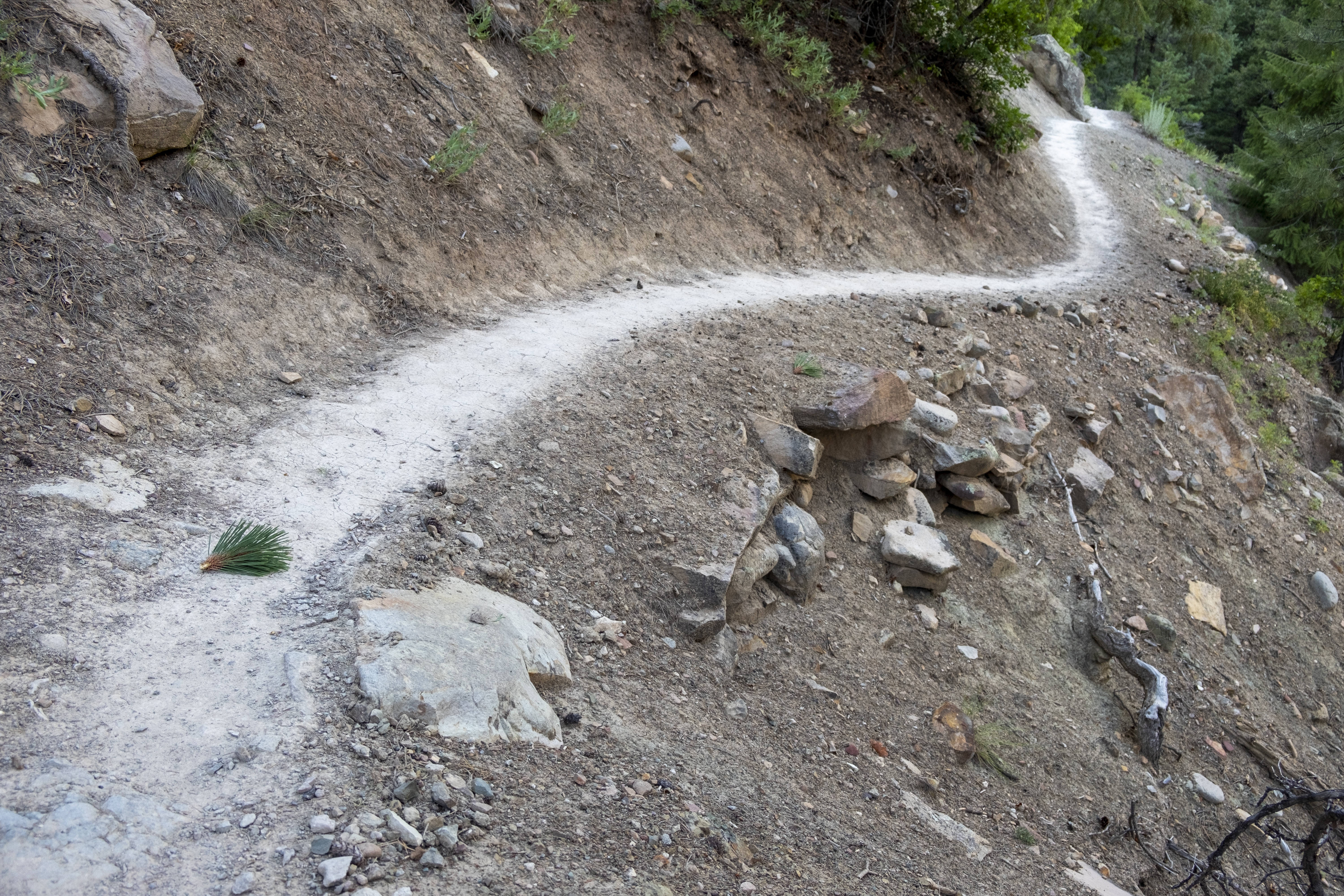
“If you see a bridge that was built, it was probably built by volunteers. If you see rock work where steps are built to combat erosion, that was done by volunteers by hand.”
Talley said between 500 and 600 people annually will register with the CTF and claim they did the whole trail either as a thru-hike or thru-bike, with usually about 90% thru-hiking compared to 10% thru-biking.
However, the actual number of undocumented users per year is in the thousands, either for the day or some version of ‘an extended amount.’
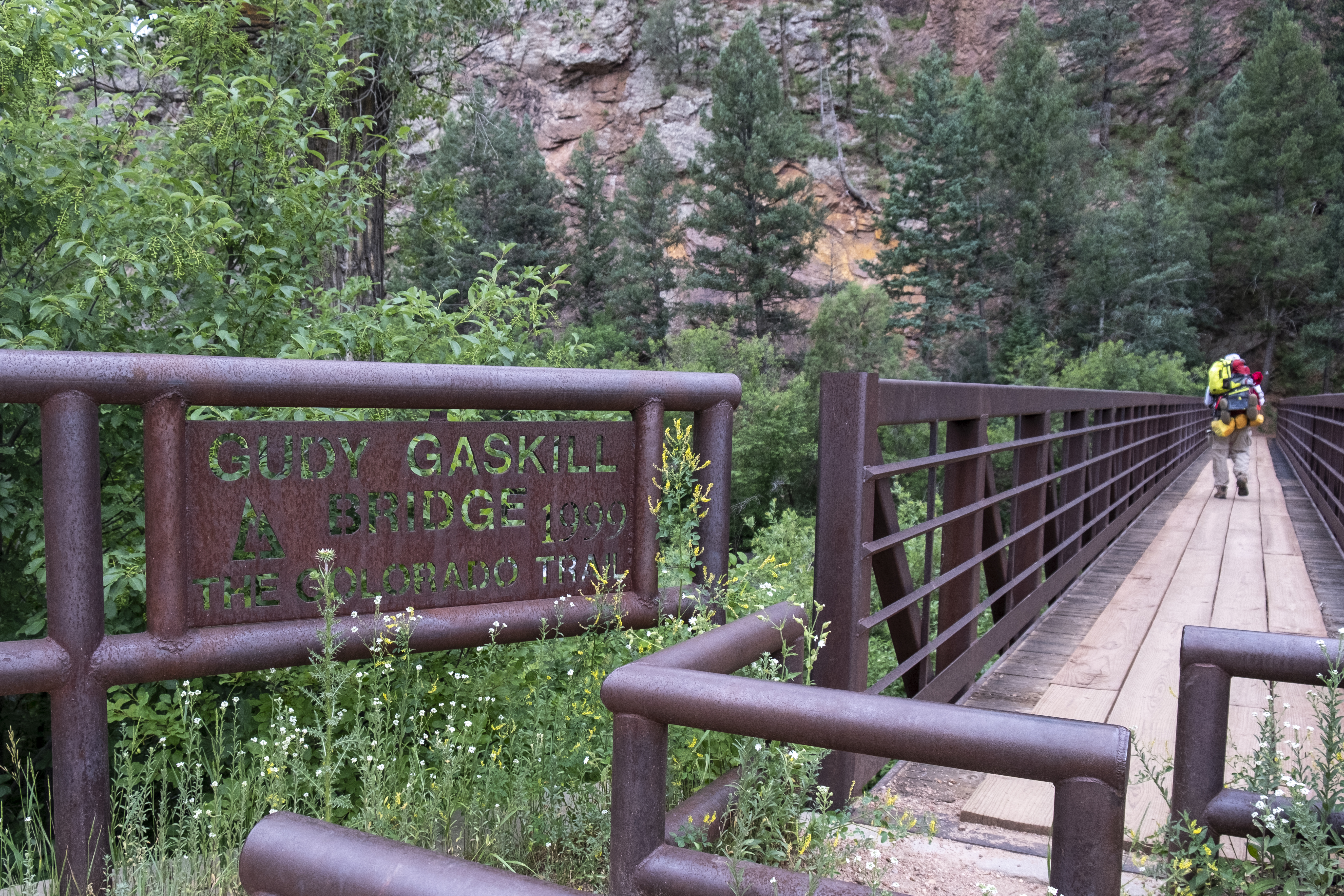
“The amazing thing about the trail system is you will see all the ecosystems that are part of the Colorado landscape and you will get to experience everything from that Rocky Mountain high altitude to being able to be in some of the areas like Lost Creek Wilderness that have a more rugged appeal to them and a little drier or hotter, but have a different feel to them,” Talley said.
Because organized work from the Colorado Trail Foundation and its legions of volunteers, segment adopters and U.S. Forest Service crews maintain the Colorado Trail, it makes the user experience possible yearly. Stewardship also falls on the shoulders of each type of user group, too, however.
Trail advocates said Mother Nature will continue to evolve the Colorado Trail, presenting new environmental issues to tackle each year, but the outdoor community simply needs to remember to practice steps like “Leave No Trace,” respect wildlife, practice fire safety along the trail and be considerate to others.
Get OutThere
Signup today for free and be the first to get notified on new updates.
PREV
PREVIOUS
Jimmy Carter turns 100: Snapshots of his life
Former President Jimmy Carter, born Oct. 1, 1924, was the 39th president of the United States, serving from 1977 to 1981. He turned 100 years old on Tuesday. Following his time in office, during which he created vital agencies such as the departments of Education and Energy, Carter became a humanitarian. He established the Carter […]