

Navajo Nation grapples with challenges in educating the dangers of radon gas

The tragedy of uranium mining on the Navajo Nation
Perhaps the biggest danger of uranium is radon gas.

Radon is the second-largest risk factor for lung cancer after cigarettes nationwide, and the Navajo tribal government has programs to educate people about the dangers.

But, getting those programs to residents is a challenge, particularly because many Navajo still have difficulty reading and speaking English, Stephen Etsitty, executive director of the Navajo Nation Environmental Protection Agency, said.

The risk is higher for people who are exposed to high levels of radon for prolonged periods, especially in enclosed spaces, such as homes and workplaces, because radon gas is heavier than air and can pool in low places like basements.

In the case of the Navajo Nation, some radon exposures were extreme and persisted for years and decades because the radioactive materials were in the dust, soil and even the rocks used as foundations for tribal member’s homes.

“We do have programs to help anybody who’s going to be building, whether it’s individual residents up to large commercial and institutional facilities, to make sure that they do the investigation and analysis of the potential threats of radon,” Etsitty said. “And we have a program that does a lot of outreach to help people learn how to do their regular testing.”

But, said Etsitty, it’s something the tribe must pay for and there isn’t always enough money available to test every building.

“We’re very concerned and want to get that type of information into people’s hands. But once we give it out, then it’s up to the individuals and the organizations to do their part — to do the regular testing,” Etsitty added.
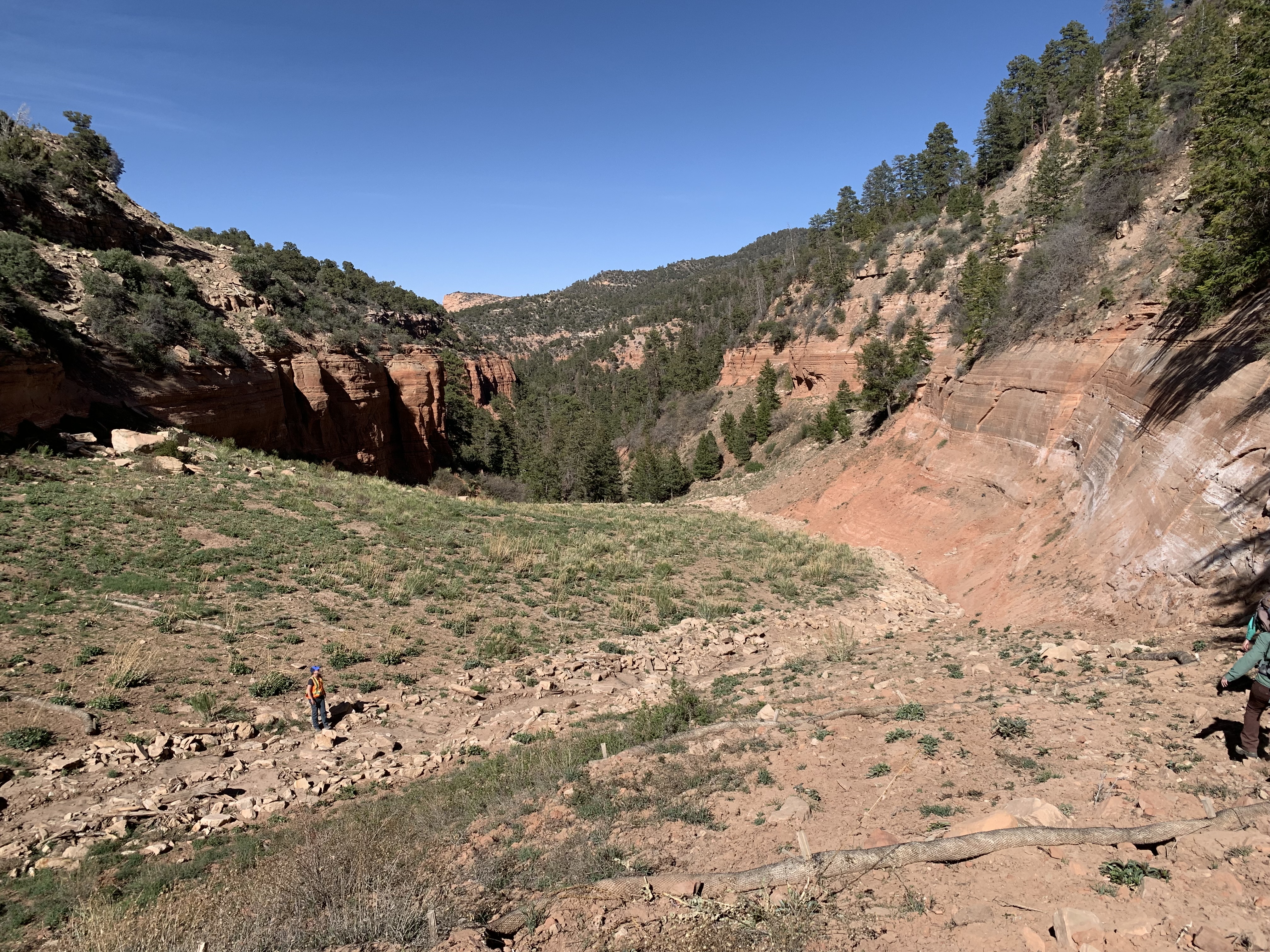
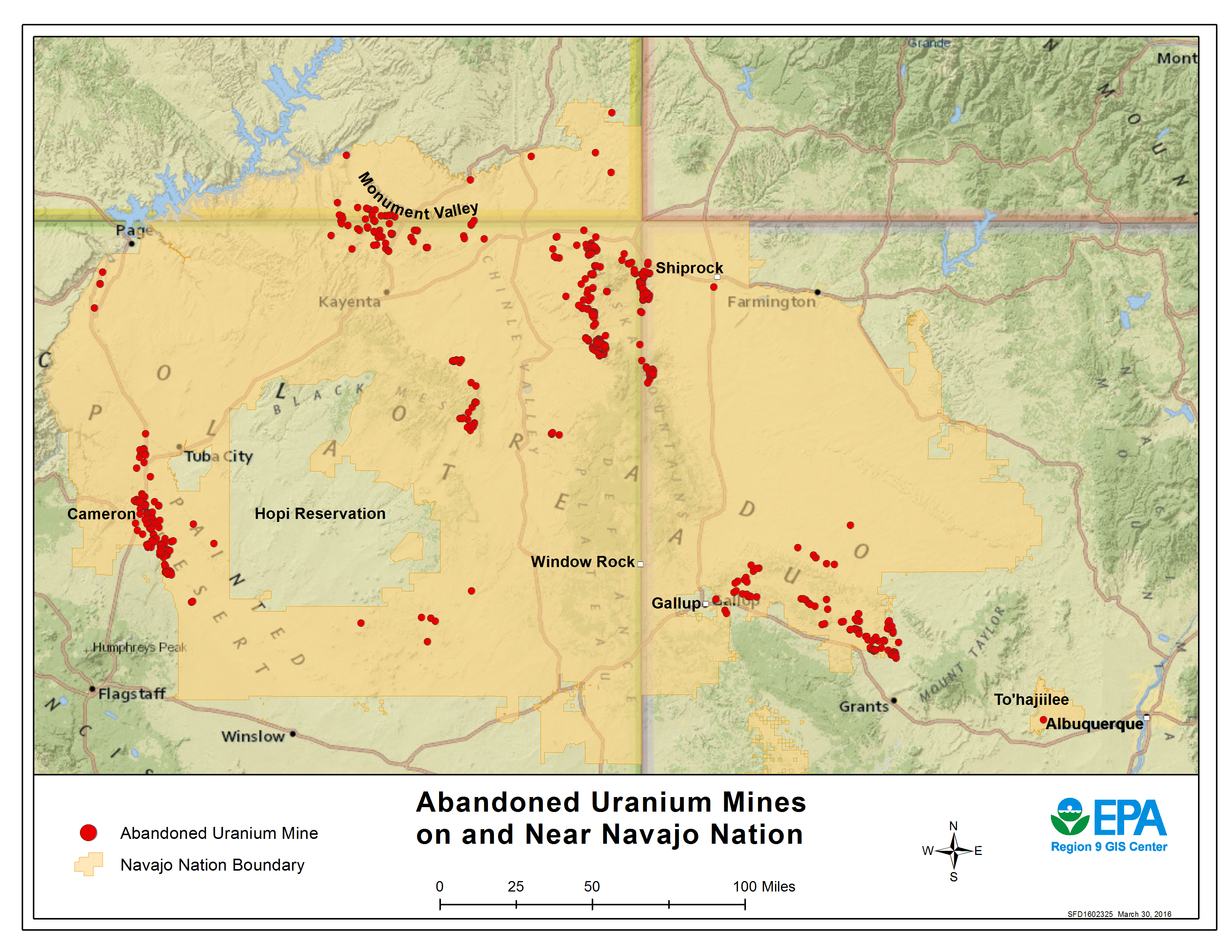
More than 500 abandoned uranium mines are scattered across the northwest corner of the Navajo Nation in Arizona. (Courtesy of the Environmental Protection Agency)
This photo shows a remediated uranium mine waste pile at the Mesa II mine complex. The EPA conducted a removal action to shore up the waste pile and prevent erosion in 2019 and 2020. (Courtesy of the Environmental Protection Agency)
Uranium mine ore cart rails at the Hall Mine located within the Lukachukai Mountains Mining District EPA Superfund site. (Courtesy of the Environmental Protection Agency)
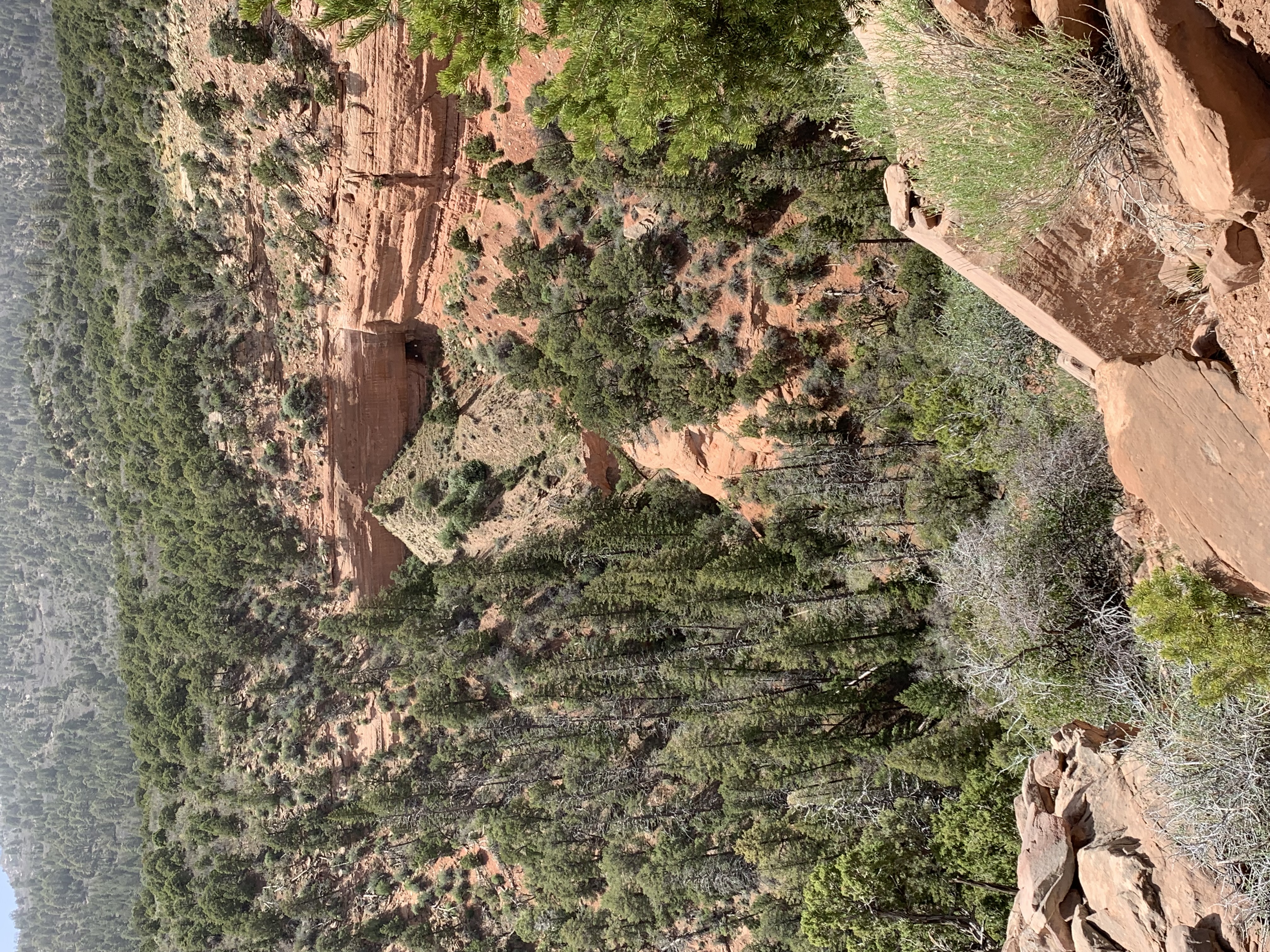
This photos shows the Mesa V uranium mine haul shaft opening with a mine waste pile to the left of the haul shaft opening in the Lukachukai Mountains Mining District EPA Superfund site. (Courtesy of the Environmental Protection Agency)
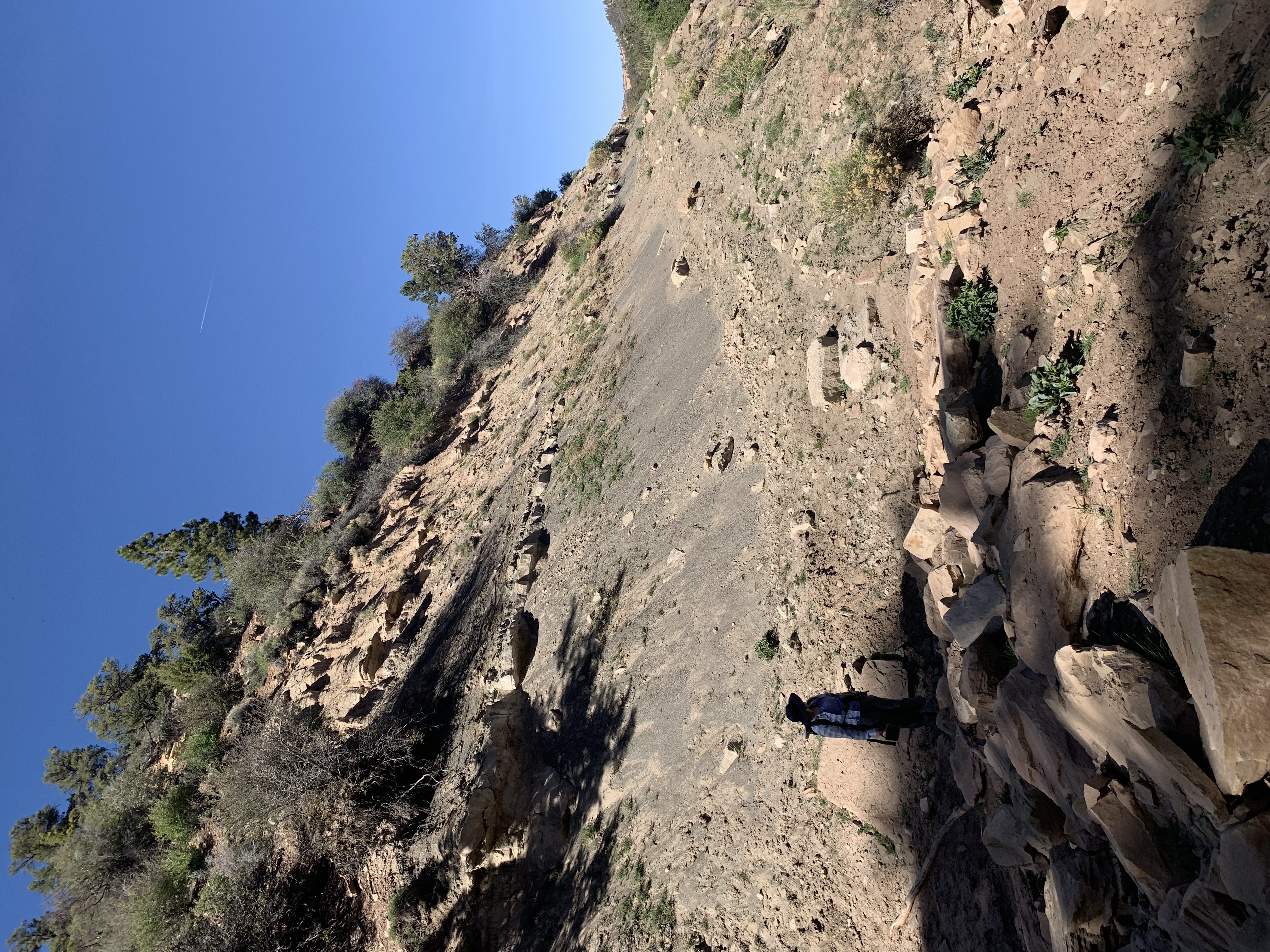
This photo shows a typical abandoned uranium mine waste pile on the side of a mesa in the Lukachukai Mountains Mining District EPA Superfund site. (Courtesy of the Environmental Protection Agency)
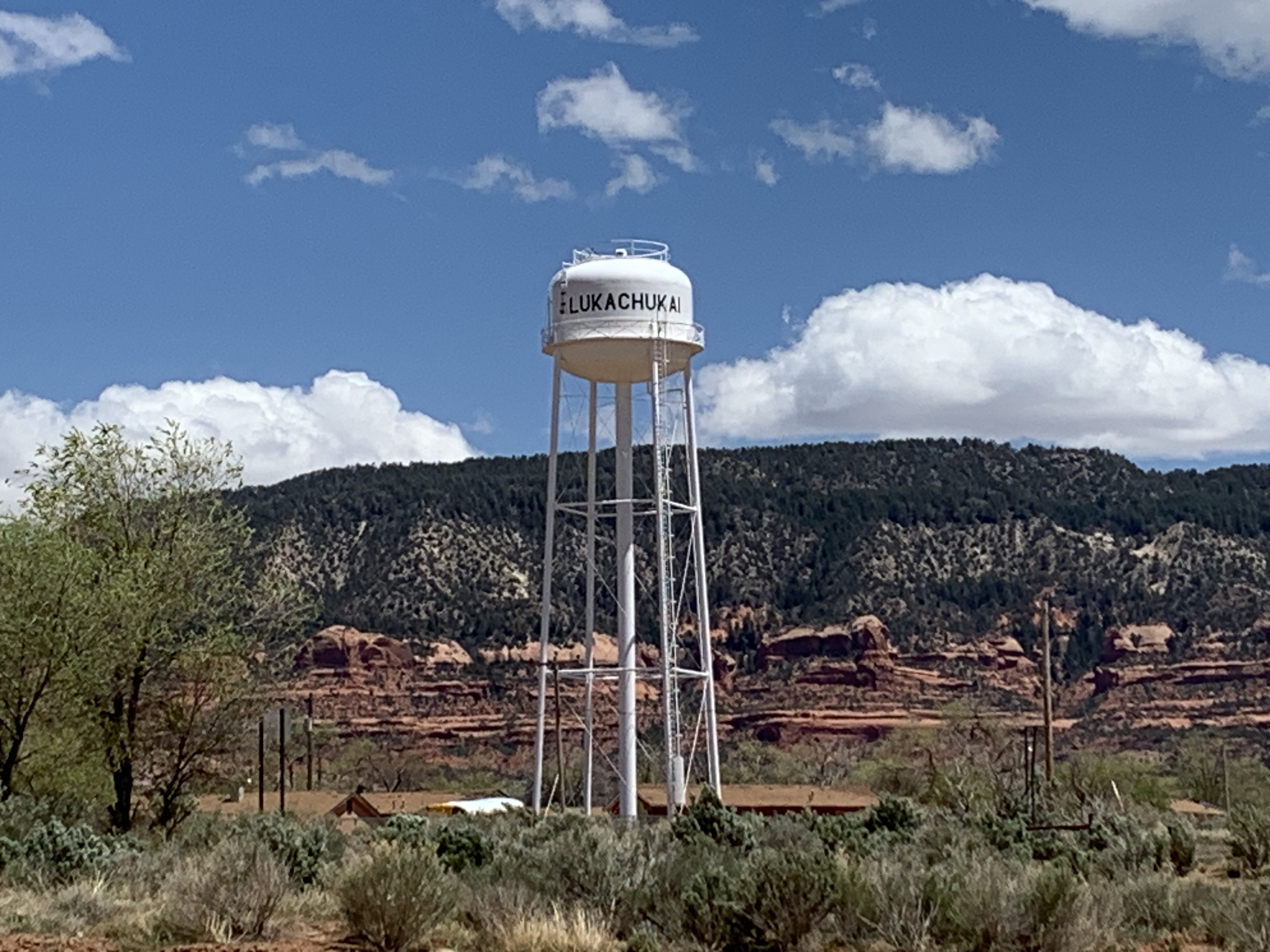
This photo shows a water tower located in the Lukachukai Chapter of the Navajo Nation, Arizona. The Lukachukai Mountains are seen in the background of the photo. (Courtesy of the Environmental Protection Agency)

PREV

PREVIOUS

How uranium mining affected the Navajo Nation, its people, and its land

The tragedy of uranium mining on the Navajo Nation

NEXT

NEXT UP

Gas prices: More decreases at the pumps to begin the work week

Gas prices continued to fall nationwide on Sunday heading into the work week. According to AAA, the national average for regular gas dropped to $3.173 per gallon. This is the lowest average cost for a gallon of regular gas since January 2024, which was $3.075. The cost of gas remains a vital topic heading into […]


Welcome Back.

Streak: 9 days i

Stories you've missed since your last login:

Stories you've saved for later:

Recommended stories based on your interests:

Edit my interests