







EPA settles with Public Service Company of Colorado for coal ash disposal violations
Elevated lithium levels in groundwater can negatively affect public health.
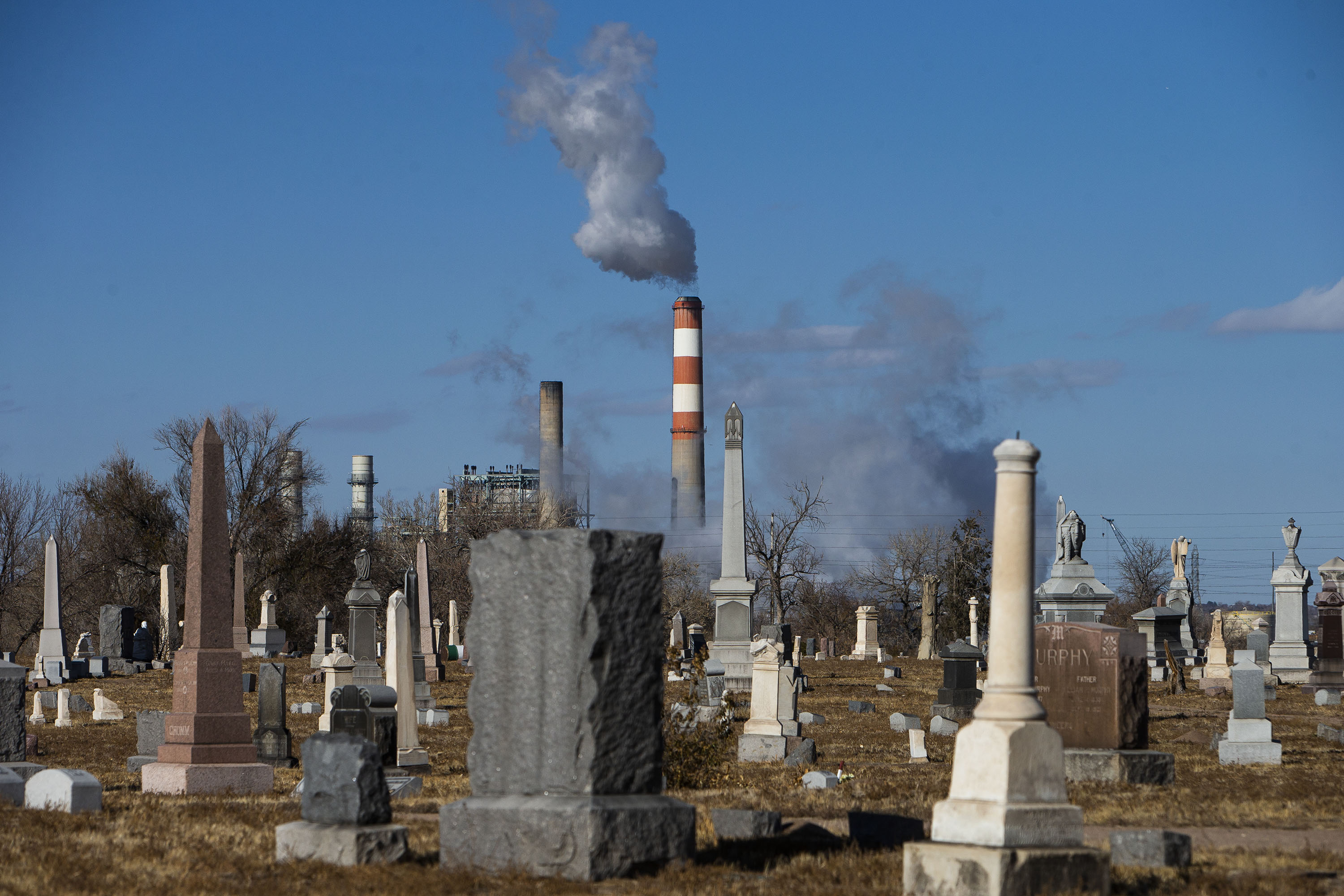
Coal-ash monitoring violations at Xcel Energy’s Cherokee Generating Station triggered a $134,500 fine from the Environmental Protection Agency, according to a news release.
EPA groundwater monitoring showed elevated levels of lithium at the station in Adams County, about 5 miles north of downtown Denver.
EPA said Public Service of Colorado, a division of Xcel Energy, has agreed to pay the fine and improve its monitoring and remediation at the plant’s coal ash disposal sites.
The Cherokee Station was converted to a natural gas fired plant in 2017. Xcel removed all coal ash from four coal ash surface impoundments in 2017 and 2018, but groundwater monitoring at four closed impoundments shows lithium has been released at levels higher than EPA standards.
This fine comes on the heels of a $925,000 civil penalty for similar violations at Xcel’s Comanche Generating Station in 2022. That settlement agreement requires the company to come up with a better monitoring plan and clean up remaining coal ash impoundments.
Xcel is also working to clean up the same kind of problems at the Valmont Generating Station in Boulder.
“Today’s settlement will protect Adams County, North Denver communities and the surrounding environment by ensuring that effective measures are implemented to address groundwater contamination at the Cherokee Station power plant,” said KC Becker, EPA Region 8 Administrator in a news release.
Prior to 2015, coal ash from coal-fired power plants was generally disposed of on site by burying it, often in unlined pits and surface impoundments that were in contact with groundwater.
In some cases outside of Colorado, coal ash impoundment berms have failed catastrophically, resulting in contamination, damage, and fish kills.
A 2008 coal ash impoundment dam failure at the Tennessee Valley Authority’s Kingston power plant in Harriman, Tenn., released some 1.1 billion gallons of coal ash sludge into the Emory and Clinch rivers, damaging homes and leaving a coating of toxic sludge over more than 300 acres of land downstream.
A series of like disasters caused the EPA to step up enforcement of the EPA’s Resource Conservation and Recovery Act (RCRA) Coal Ash Program in 2015.

