




Western Colorado University: Helping students develop innovative technology that can help us live and use the land better
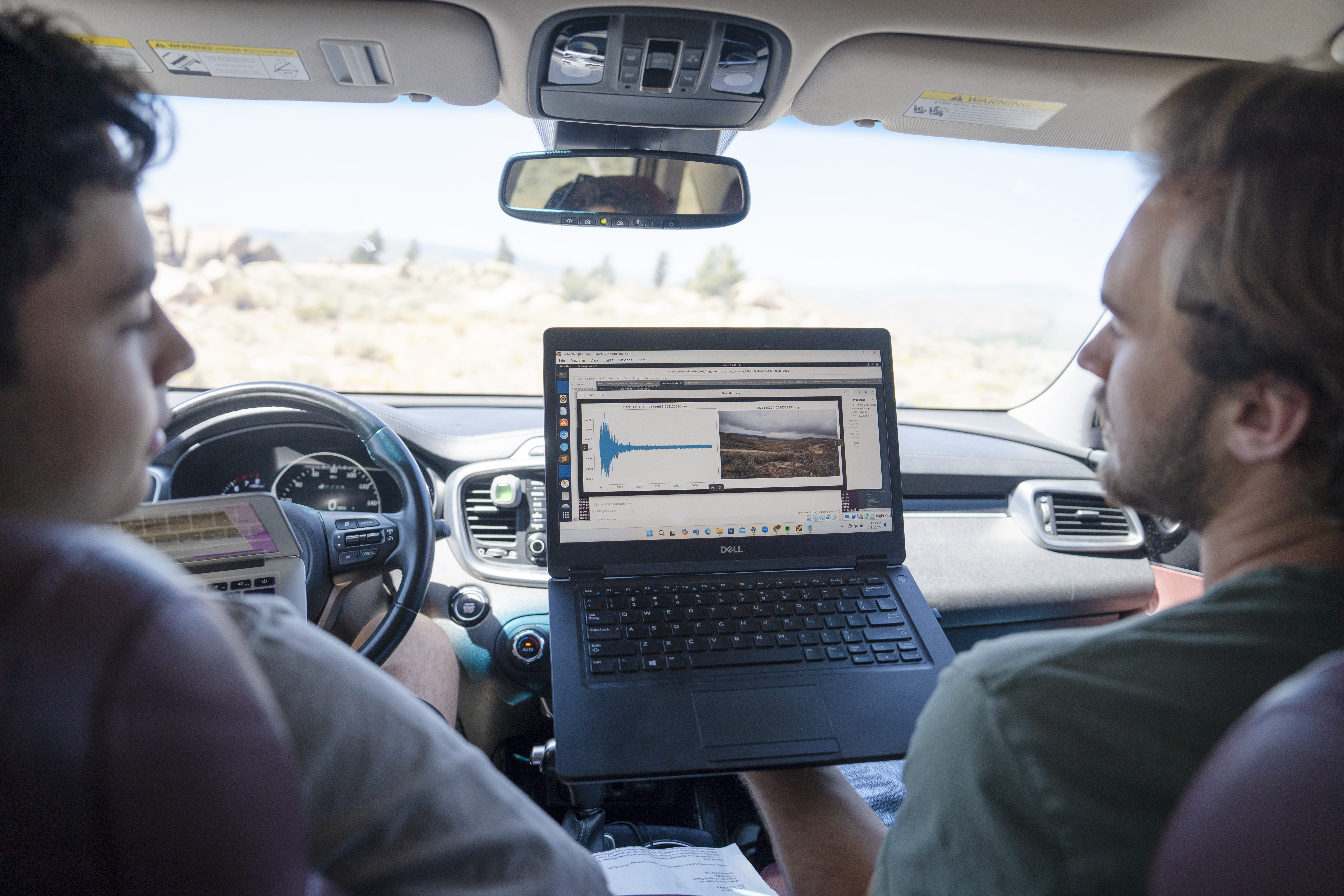
In 2023, the Math and Computer Science (MCS) Department at Western Colorado University formed a collaboration with the Gunnison Field Office of the Bureau of Land Management (BLM). This partnership aligns with the MCS’s mission to offer students practical, real-world experience while engaging with the local community. Two projects are using data, electronics, and computing to help with multiple uses of public lands.
Presented by:

Two years ago, Professor Andrew Nere and Lecturer Mallory Weber began discussions with the BLM Gunnison Field Office about ways they could support their efforts and gain insights into public lands while providing real-world experience for MCS students. These conversations led to the development of the shot counter and the trail usage AI project at the Hartman Rocks Recreation Area.
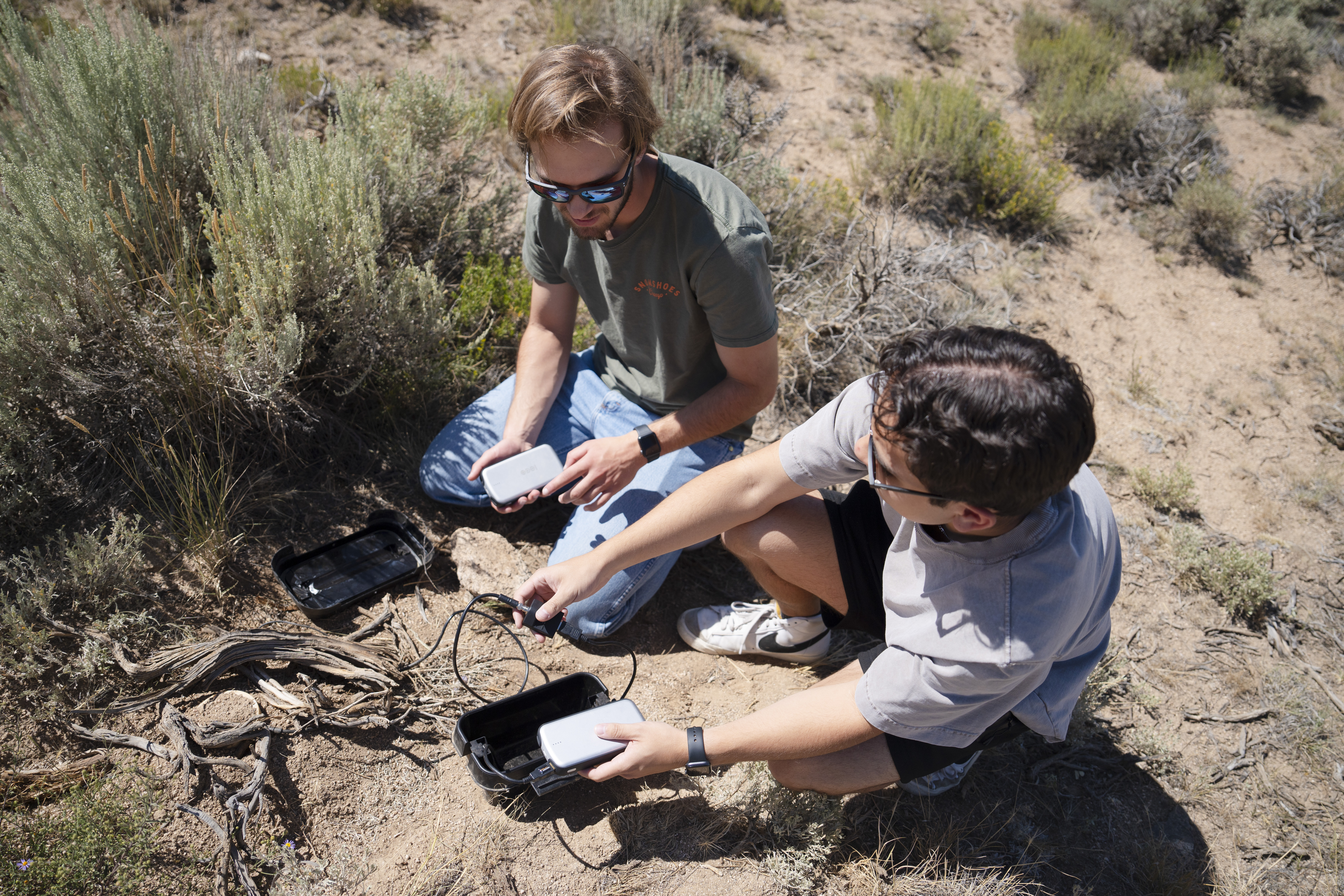
Under the guidance of Lecturer Weber, a student-led project was initiated to develop an environmental sensor for tracking shooting activity at the Hartman Rocks dispersed target shooting areas. This sensor collects accurate data on usage, enabling the BLM Gunnison Field Office to monitor activity and assess potential environmental impacts, and explore mitigation strategies.
Additionally, Nere led another student-driven project that utilizes environmental sensors to track trail usage. This project combined geophones (vibration sensors), trail cameras, and advanced machine learning and computer vision algorithms to distinguish and count different types of visitors at Hartman Rocks, from passenger vehicles to dirt bikes, ATVs, hikers, and cyclists. This detailed data allows the BLM Gunnison Field Office to tailor their trail maintenance, planning, and services to better accommodate the diverse users of local trail systems. When use of trails is better understood, traffic can be managed accordingly.
Rhys Jordan, a Western senior who is set to graduate in spring 2025, worked with Nere this past summer on the project, ensuring that the sensors were operating correctly and collecting data. “Maintaining the sensors gave me hands-on experience with hardware, which I don’t often get in the classroom,” said Jordan. “I learned valuable lessons about the troubleshooting skills and patience needed when working with hardware.”
Referencing the algorithm, Jordan shared: “I tried many different approaches that were’t very successful and eventually created an algorithm that had great accuracy, which I am very proud of,” he said. “Working on this project provided me with an opportunity to really challenge myself and not only apply what I have learned in the classroom but also develop new skills. The best part is that the algorithm I worked hard on is being used as part of a bigger solution to a real-world problem, making me feel like I achieved something,” he concluded.
“The students have increased BLM Gunnison Field Office’s ability for good, reliable data. Previous methods were rather rudimentary, depending largely upon estimates. We are now better able to understand the subset of each group, understanding portion, size and scale, to allocate resources appropriately and with less margin for error. We can lean on strong, reliable data, sans assumptions,” said Keith Carson, Outdoor Recreation Planner and Special Recreation Permit Administrator, Gunnison Field Office, Bureau of Land Management. “Data is the key component to making decisions about the landscape, and date is what informs BLM’s needs. Having a bridge to what is occurring – and how – ensures that the public land will be sustained for future generations.”
The Hartman Rocks Recreation Area – Gunnison is a public recreation area with 14,000 acres of rocky terrain for myriad outdoor activities, from motorcycling to mountain biking, dirt biking, horse riding, rock climbing, cross-country skiing, hiking, and camping, trial running and more. It counts among its amenities 45 miles of singletrack trail, 45 miles of roads traveled by 4×4 trucks, ROVs and ATVs, 50 designated dispersed campsites and countless climbing crags.
Where academics meet adventure
These incredible hands-on learning experiences for Western Colorado University students inspire creativity and put them on the ground with working professionals who are taking care of the land that everyone loves and enjoys. The fieldwork and research opportunities that extend their education beyond the classroom provides students in various scientific disciplines with practical skills and knowledge that enrich their academic journey and prepare them for real-world applications. The work is important, and the setting is spectacular, with more than 2 million of acres of public land surrounding Western’s campus. Along with other highly personalized programs offered at Western, the focus is on developing professionals ready to meet the demands of the modern workplace.
“We have a unique opportunity with the university in the community and are delighted to be involved with academia, supporting them in helping us achieve our mission regarding multiple use in public lands,” said Carson. “Computer science students might not necessarily envision the major to serve the natural environment; our partnership is showing students that they can apply their skills to the great outdoors and the public land sustainable use mandate. There is, indeed, a seat at the table for computer science to be involved in the process. It has been quite gratifying to work with these students, expanding the horizon of what they imagine their career in computer science might be.”
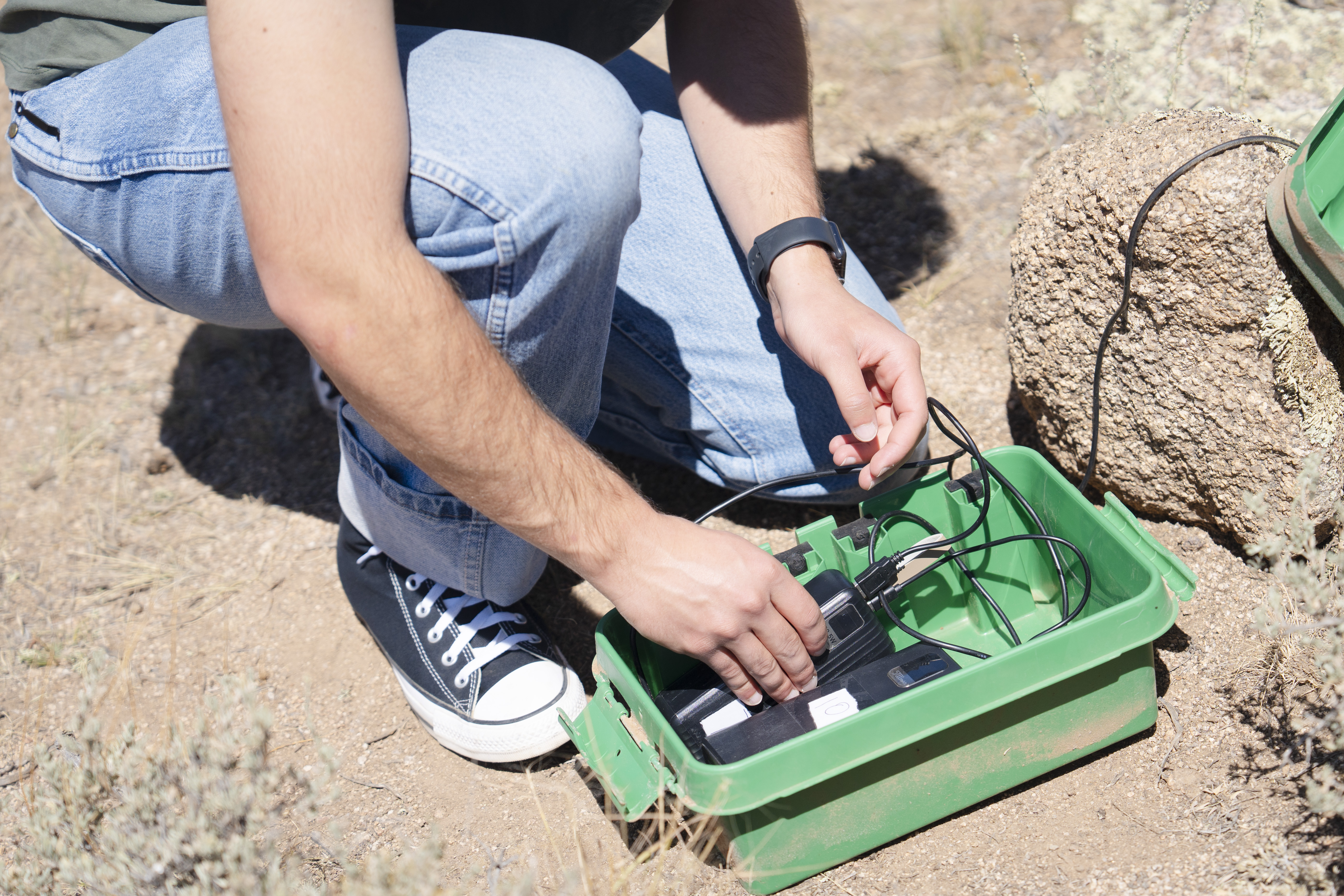
Many MCS graduating students participated as interns or applied their fieldwork, data collection or interaction with BLM Gunnison Field Office representatives as part of their senior capstone project. They were encouraged to take a firm approach and publish their work on LinkedIn, highlighting their fieldwork, data collection and conversations with BLM representatives, and to understand their viewpoints. Students, faculty, and the BLM Gunnison Field Office have all displayed a passion for working together.
While WCU is a small school, it has experienced significant growth and fostered a tight-knit community with the Math and Computer Science Department.
Last year, a new Computer Science major program — Applied Machine Learning — was launched. While AI and Machine Learning are often emphasized at the graduate level, WCU’s goal is to make these topics accessible to undergraduate students.
“These initiatives align well with our partnership with BLM Gunnison Field Office, which is interested in making data-driven decisions. “The ongoing projects with the BLM allow our students to put their ‘practical AI and machine learning’ skills to the test. It is a unique opportunity to contribute and learn at the same time,” said Nere.
“We’re excited that, despite our small faculty, we can offer more AI and Machine-Learning-focused undergraduate courses than larger institutions, thanks to our motivated faculty’s expertise. Our classes prioritize practical tools and applications, reserving theoretical aspects for graduate studies for those who wish to explore them further,” he concluded.
Preserving equitable and sustainable use for everyone
The MCS Department at Western Colorado University is committed to strengthening its partnership with the forward-thinking BLM Gunnison Field Office, using technology and data to maximize things for local citizens. The department aims to support the BLM’s multiple use mission to preserve and protect our public lands by leveraging data and innovative solutions that enhance environmental stewardship and ensure sustainable management of our natural resources – today, tomorrow and into the future.
Get OutThere
Signup today for free and be the first to get notified on new updates.
PREV
PREVIOUS

Here's a list of 10 horror movies with ties to Colorado
Colorado might be located hundreds of miles away from Hollywood, but the Centennial State has still snuck its way into its fair share of major motion pictures – including a few that are perfect to watch during spooky season. Here are ten horror movies with ties to Colorado, just in time for Halloween: 1. The […]

National park in western Colorado celebrating 25 years
A soaring, steep and narrow canyon in western Colorado became a national park on Oct. 21, 1999. A 25th birthday party is set for that upcoming date. The party will take place at Black Canyon of the Gunnison National Park’s South Rim Visitor Center. But a proper celebration of the park does not happen indoors, […]