




North Face athlete could face $5,000 fine after cutting switchback on trail
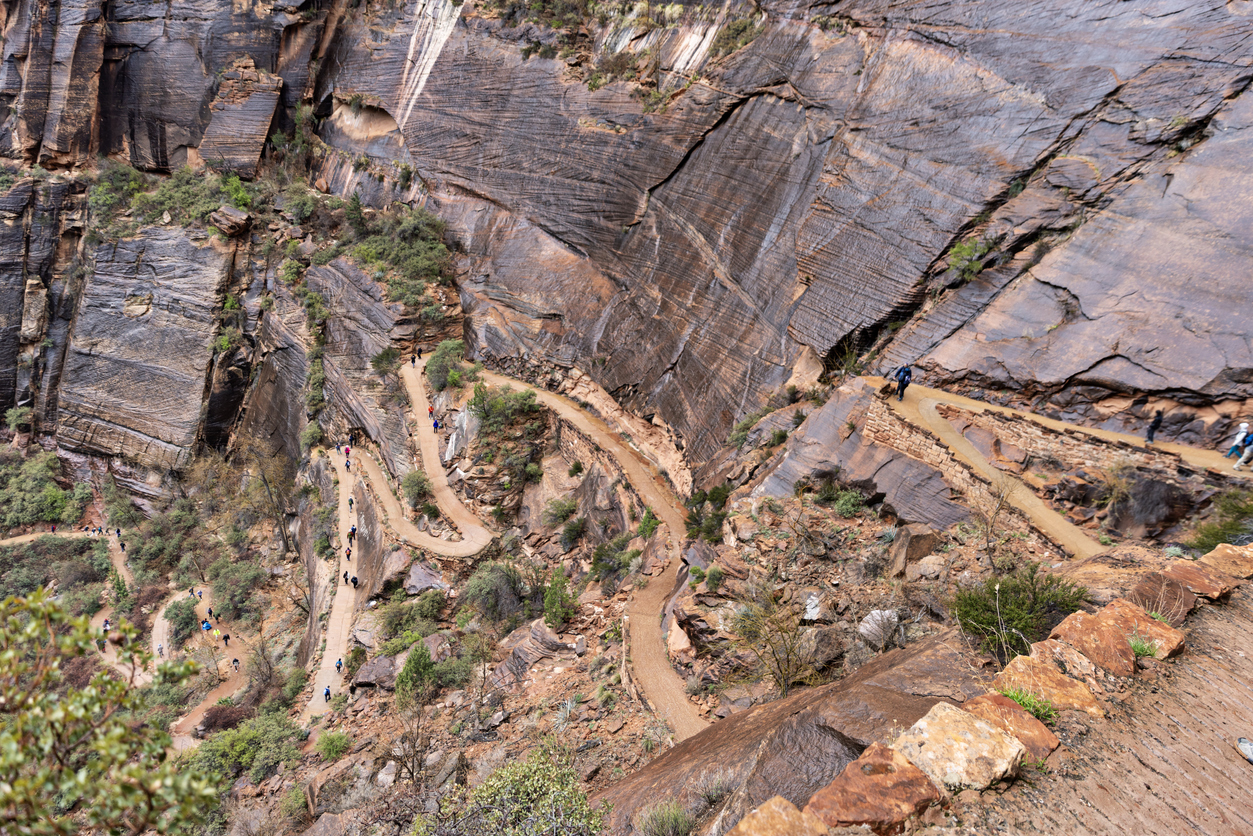
A fascinating piece was recently published by GearJunkie, highlighting a consequence that most outdoor recreators never face while ‘cutting switchbacks’ while also showing how seriously officials responsible for protecting natural spaces approach this prohibited act.
The story highlights how North Face athlete Michelino Sunseri cut a switchback while setting a ‘fastest-known time’ record on Grand Teton in September, finishing the route in a record-setting two hours, 50 minutes, and 50 seconds. Days later, that record was removed due to Sunseri cutting through a switchback along the trail – with a ‘switchback’ being where a trail moves back and forth across terrain, often used to reduce the grade of what would be an otherwise very steep hiking route.
In addition to Sunseri losing his record due to the switchback cutting, he may also face a fine of up to $5,000 and has a court date set in November.
The full GearJunkie report can be found here, and it’s definitely worth the read.
With that said, it’s important to address why staying the trail is important, even when ‘cutting switchbacks’ may seem like a more efficient option.
Hikers in Colorado are likely very familiar with switchbacks – they’re commonly seen stretching across mountainsides and can provide relief to hikers seeking to scale otherwise steep slopes. That said, in some places, it can be easy for hikers to look at cutting switchbacks as a means of saving time – struggling up a portion of steep terrain opposed to walking all the way down a trail in one direction before turning around to walk all the way back with little elevation gain.
That said, two key reasons exist as to why it’s important not to cut switchbacks – safety and preservation.
From a safety standpoint, many switchbacks prevent hikers from traveling into less stable and less hike-able terrain. One big example of this risk is when rocks are present – attempting to hike up a steep section of loose rock instead of using a trail is a surefire way to increase the chances of an ankle injury.
Preservation, on the other hand, can be even more important aspect of ‘staying the trail’ to keep in mind, as the risks of cutting switchbacks can mean damaging land for years to come. Many times, switchbacks are in place to prevent erosion and to keep foot traffic in specific areas amid otherwise fragile mountain terrain.
In the case of the athlete mentioned in the GearJunkie piece, a key concern was that publicizing this athlete’s record with the inclusion of the switchback cutting could encourage others to do the same. While even just a few footsteps in a fragile alpine ecosystem can be enough to cause damage, many footsteps can be devastating, eroding the ground and killing whatever is clinging to life in those areas.
It’s important to keep these consequences of switchback cutting in mind while hiking in Colorado and remember, if you bend the rules, others will likely follow. Even if your act of switchback cutting isn’t witnessed in-person, there’s a good chance someone will see the off-trail steps and be encouraged to do the same. Stick to the trail instead of cutting switchbacks and use it as an excuse to spend more time in nature.
Get OutThere
Signup today for free and be the first to get notified on new updates.
PREV
PREVIOUS
Harris calls impromptu address from VP residence to call Trump unhinged and unstable
Vice President Kamala Harris called an impromptu press conference Wednesday to denounce remarks former President Donald Trump reportedly said about Adolf Hitler. “In just the past week, Donald Trump has repeatedly called his fellow Americans the enemy from within and even said that he would use the United States military to go after American citizens,” […]

Colorado Mesa, UCCS women's basketball picked 1-2 in RMAC preseason poll | Colorado Sunshine
Mesa was picked to win the league in a preseason poll released Tuesday