




Daylight saving time 2024: When do clocks ‘fall back’?
Colorado turns clocks back one hour this Sunday, Nov. 3
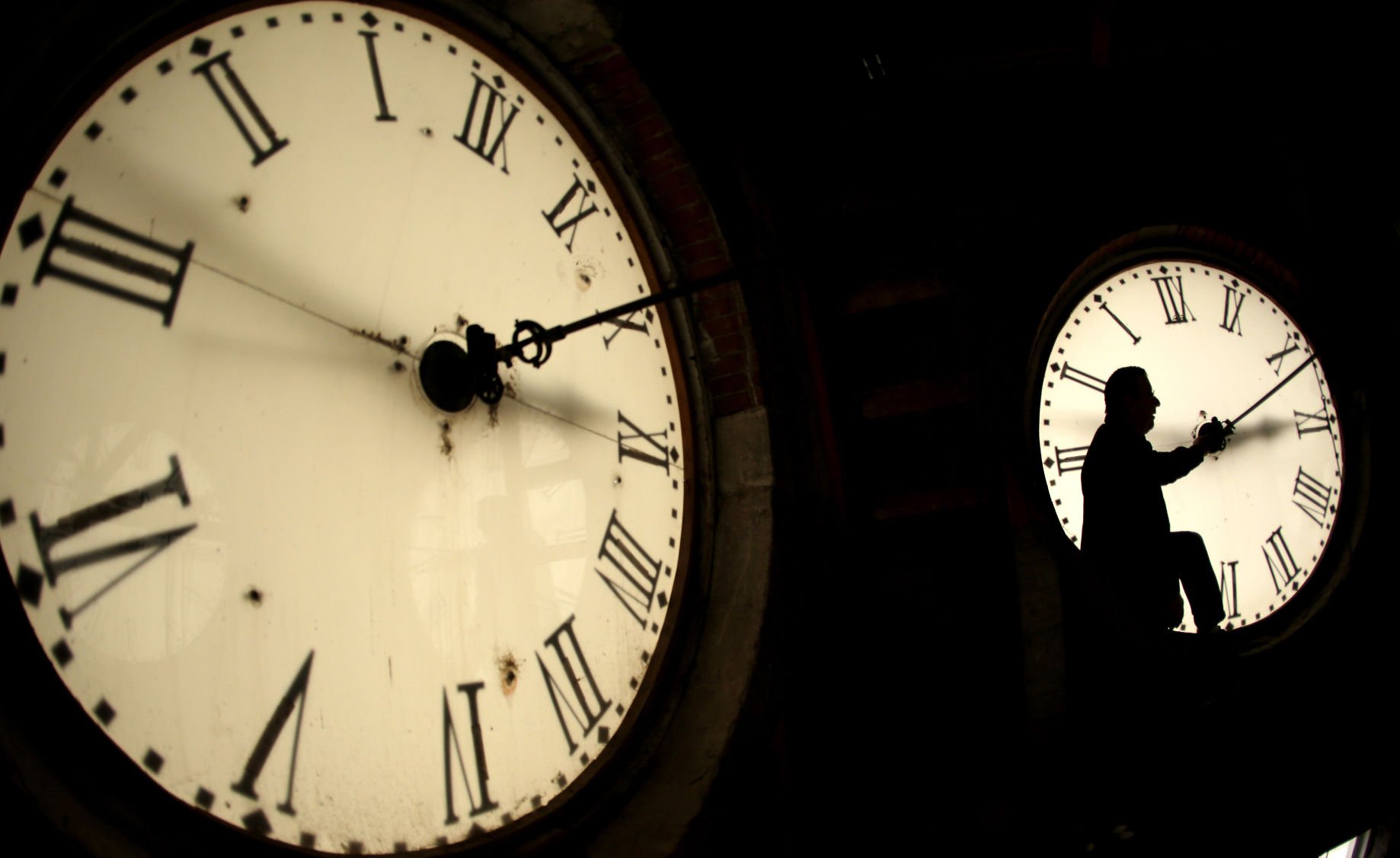
The return to mountain standard time (MST) is just around the corner meaning the sun will set an hour earlier in the evening and will rise an hour earlier in the morning.
Daylight saving time will officially end Sunday, Nov. 3 at 2 a.m., when clocks are to be set back one hour to 1 a.m.
Saturday, Nov. 2 will be Denver’s last sunset after 5 p.m., with the sun setting at 5:53 p.m. The sunset on Sunday will occur at 4:55 p.m.
The winter solstice, the day the sun’s ascension in the sky is at its lowest, is Dec. 21 and will offer only 9 hours and 21 minutes of daylight from 7:17 a.m. and 4:39 p.m.
Will Standard time or Daylight time remain the norm going forward?
As reported by Denver Gazette Digital Editor Dan Boniface in 2023, State lawmakers have been trying since 1988 to do away with the biannual time change, and in 2022, Colorado joined 18 other states in agreeing to make daylight saving time year-round, but it would require the federal government to expressly allow the states to do so.
In addition to requiring a federal law change, the bill mandated that four other states in the Mountain Time Zone also make daylight saving time permanent before Colorado can make the switch.
Following the U.S. Senate’s unanimous approval of a bill to make daylight saving time permanent in March, most of the debate on the Colorado bill was not about whether the state should lock the clock, but about whether to stick with year-round Daylight Saving Time or year-round Mountain Standard Time.
While most Americans agree they’d like to stop changing their clocks twice a year, there is less alignment on whether standard or daylight saving time is better. A 2021 AP-NORC poll said 43% of Americans prefer standard time and 32% prefer daylight saving time. Only 25% of respondents preferred to switch between the two.
Despite the conflict between standard and daylight saving time, Colorado legislators were clear they wanted to end the switch once and for all.
By disrupting sleep schedules, the biannual time change results in more overall deaths from heart attacks, traffic accidents and suicides, according to several studies.
The bill’s passage was largely due to long-time opponents from the skiing and tourism industries going neutral on the bill with the amendment that four other states in the Mountain Time Zone adopt permanent daylight saving time before Colorado’s change can take effect. They argued this would prevent competition from nearby ski industries.
Three eligible states — Utah, Montana and Wyoming — are already on board. This means, if the federal government gives the OK, only one more state has to adopt daylight saving time: Arizona, New Mexico or southern Idaho.
Currently, Arizona is on Mountain standard time year round, meaning for half the year it is synced with other Mountain Time Zone states like Colorado and Wyoming, however, over the early-spring to late-fall months, the state is synced to Pacific Time Zone states like California and Nevada.
Get OutThere
Signup today for free and be the first to get notified on new updates.
PREV
PREVIOUS

Colorado trial over Kroger-Albertsons merger wraps up; decision still few weeks away
Now it's up to three judges, including Denver District Court Judge Andrew Luxen, to decide on the fate of the deal.
Don Trump Jr.: Campaign running ‘like we’re 2 points behind’
While Vice President Kamala Harris slow rides her campaign, the Trump campaign is speeding up its race to push supporters to vote early in key battleground states, according to Donald Trump Jr. “I’m not going to take it for granted,” he told Secrets. “I always run like we’re two points behind, you know, I sort […]