




Fireplace safety: What to know before striking the first match
Most importantly: have fireplace and chimney cleaned and inspected before the first fire of the season.
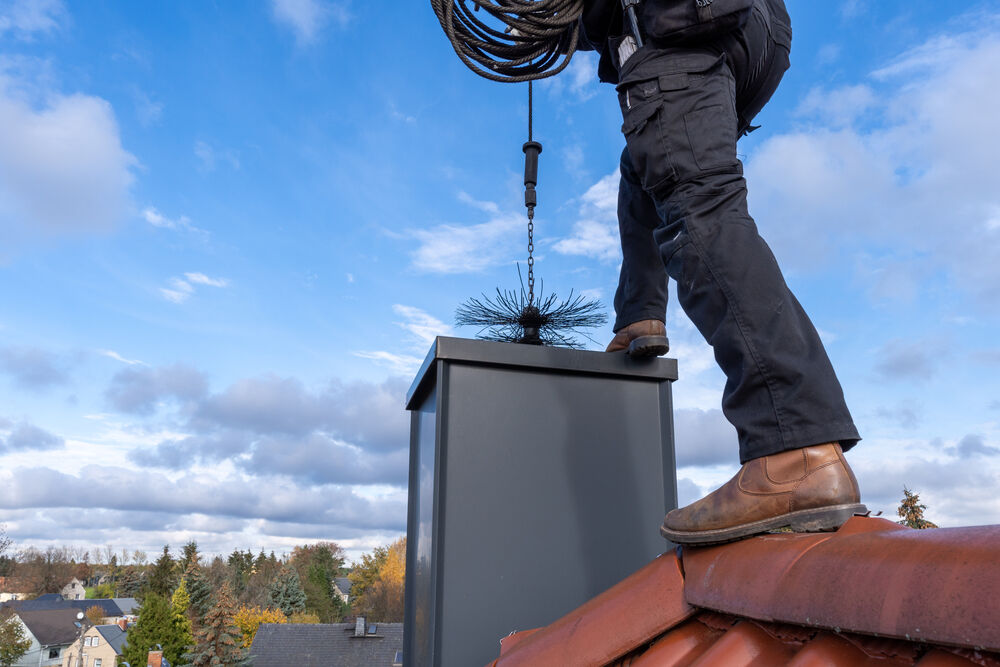
As temperatures begin to drop and fireplaces flicker back to life, folks lighting up wood-burning chimneys for the first time this season may not realize that a cozy fire can quickly turn dangerous if proper precautions aren’t taken.
The U.S. Fire Administration reports that in 2022, there were 34,800 residential heating fires nationwide, resulting in 110 deaths, 650 injuries, and $564.6 million in damages. Over the past decade, those numbers have been trending downward, except a notable 2014 spike in fire deaths due to 11 multi-fatality incidents.
So, before striking that first match, here’s what the pros want chimney users to know.
A cleaning and an inspection is a must
Schedule a thorough cleaning and inspection. Neglected chimneys can become a fire hazard over time. Call a certified chimney professional to clean the fireplace and inspect the chimney. This ensures all parts, such as the flue, firebox, smoke chamber, and damper, are in working order so smoke and gases can exit the home, reducing the risk of fire or carbon monoxide poisoning.
“We, along with the Chimney Safety Institute of America, recommend annual inspections and cleanings,” Trisha Glenn, spokesperson for Wheat Ridge-based Chimney Sweeps of America, said. “Cleanings are important, particularly as creosote (a type of soot) builds up inside the chimney; it becomes combustible and ignites at a much lower temperature, so the more you use your fireplace, the more important it is to maintain regular inspections and cleaning.”
Inspections can also identify other hazards, such as critters.
“During the burn season, you should always have an animal guard or some sort of cap in place, Glenn said. “It’s very common for us to find raccoons, squirrels, and sometimes birds; especially if you have a masonry chimney.”
Have smoke and carbon monoxide detectors
Chimney experts and the USFA emphasize that smoke and carbon monoxide detectors are lifesaving essentials whenever fire-based heating appliances are used in a home. Managers of commercial buildings and residential landlords are responsible for the proper placements and functionality detectors are properly placed and functioning according to code. Individual homeowners must do this themselves. Don’t forget to check or replace detector batteries.
Open the damper, and on cold days, prime the fireplace
The damper is a device that controls airflow within the chimney. Always ensure it is in the open before starting a fire. If it’s closed, smoke will blow back and fill the room.
“Smoke can also drift back on cold days, even though the damper is open,” Glenn said. That’s why we recommend priming the fireplace.”
The cold air in the chimney is more dense and will sink and displace the warm air in the home.
By preheating the chimney with a hair dryer, the warmer air is pushed up, increasing the chimney draft and preventing smoke from settling back into the room, she said.
Be picky about what goes in the fireplace
To keep fireplaces and chimneys cleaner longer, burn only dry (seasoned) wood, which means it has no moisture or sap. Freshly cut or unseasoned wood tends to burn poorly, create a lot of smoke, and increase creosote deposits in the flue. Never burn trash, plastic wrappers, or wood scraps with paint or stain, as fumes may be toxic. Never use gasoline, lighter fluid, alcohol, charcoal starter, or other accelerants to start a fire.
What about manufactured fire logs
Almost every supermarket has a display of manufactured fire logs as soon as the first cold snap hits. Glenn said manufactured logs, like Duraflame®, burn cleaner and help reduce creosote buildup.
Never leave a fire unattended and properly dispose of ashes
Even though a fire might look like it’s out, the ashes can often retain enough heat to ignite a plastic bin or bag — days later. Fire officials recommend leaving ashes in the fireplace for several days until they have cooled or placing them in a covered metal container and wetting the ashes down with water. Store the container on a non-combustible surface, away from structures and never on a wooden deck.
In Colorado, it’s important to remember that from November to March, the Colorado Department of Public Health and Environment imposes restrictions on indoor wood-burning devices during air quality Action Days. These rules apply in designated areas unless the device is exempt. The restricted zone includes Denver, Boulder, Broomfield, Douglas, and Jefferson counties below 7,000 feet, as well as areas west of Kiowa Creek in Adams and Arapahoe counties.
Get OutThere
Signup today for free and be the first to get notified on new updates.