Initiative to change Colorado’s primary and general elections failing

A hotly debated initiative that seeks to change how primary and general elections are run in Colorado has failed, according to early election results.
Just over 55% of voters have cast their ballots against Proposition 131, which would establish a top-four primary election and ranked choice voting for certain state and congressional races, as of 3:40 a.m.
In a top-four primary system, the top four vote-getters, regardless of party, move on to the general election. Voters would then rank each candidate from first to last choice in the general election, and the candidate that receives 50% of first-preference votes wins. If no candidate receives enough votes for the 50% threshold, the candidate with the fewest votes is eliminated in a mathematical process until one candidate has enough votes.
The measure is backed by Kent Thiry and Nick Troiano of Unite America. Thiry is behind a number of successful election reform ballot measures in Colorado, including a 2016 measure that allowed unaffiliated voters to vote in primary elections.
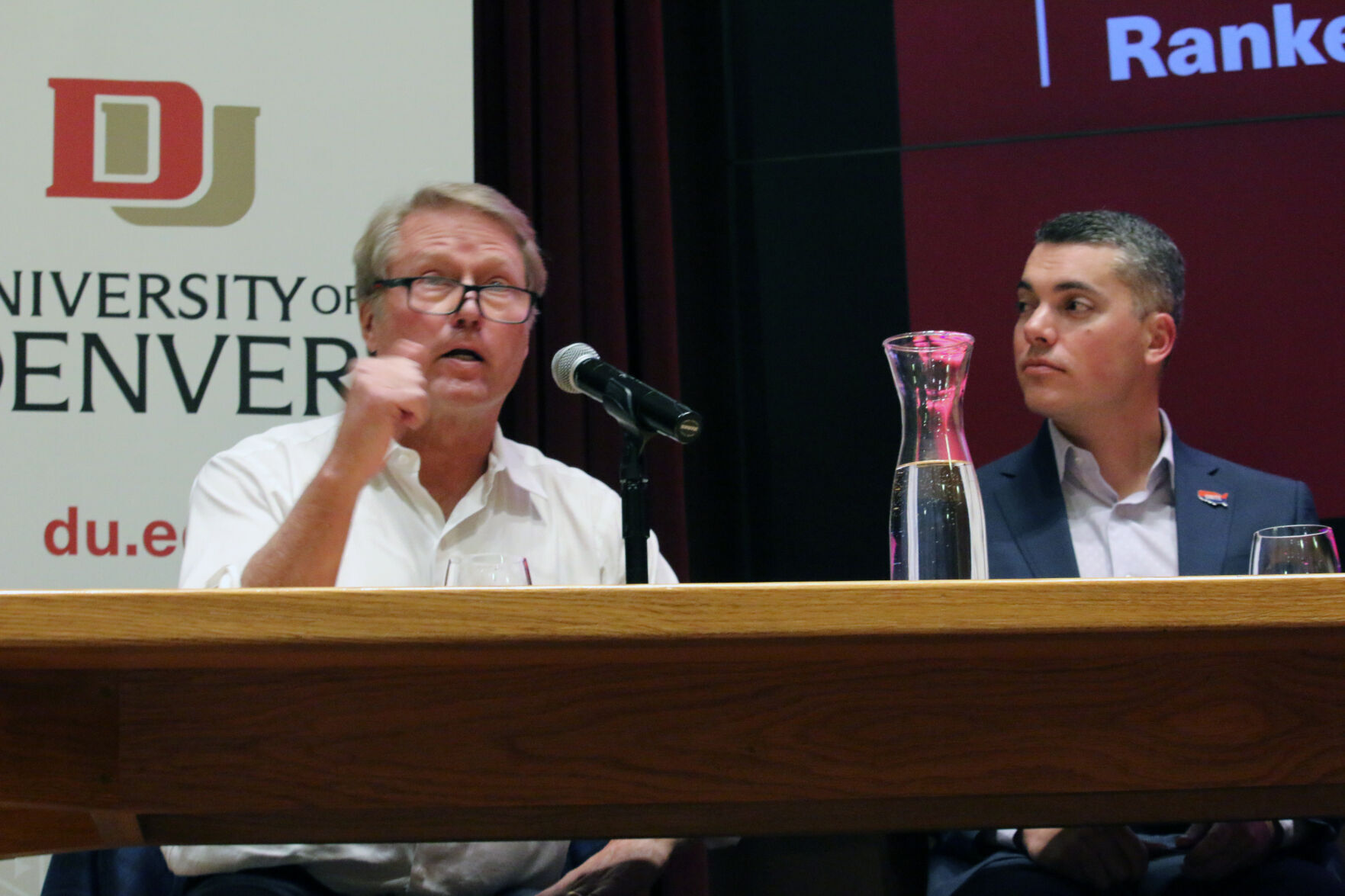
During a debate on Prop 131 hosted by Colorado Politics and the University of Denver, Thiry and Troiano argued that the current election system is broken and Proposition 131 would move the state closer to fixing it.
Jason Lupo of First Choice Counts and Candice Stutzreim of the Truth and Liberty Coalition, who debated against the proposition, argued it would be too costly to implement and would open the doors for wealthy individuals and ideological groups to “buy” elections.
According to the proposition’s fiscal impact statement, it’s projected to cost over $21 million over the next three years.
The proposition has drawn support and opposition from both sides of the aisle.
Gov. Jared Polis and Republican Mayor of Aurora Mike Coffman both endorsing the measure.
Both the Colorado Democratic and Republican Parties oppose the measure, as does Democratic U.S. Rep. Diana DeGette and U.S. Rep. Lauren Boebert.
This story has been corrected to state that the proposition was projected to cost the state $21 million over three years, not $10 million.