







Winter is the prime season for stargazing in Colorado
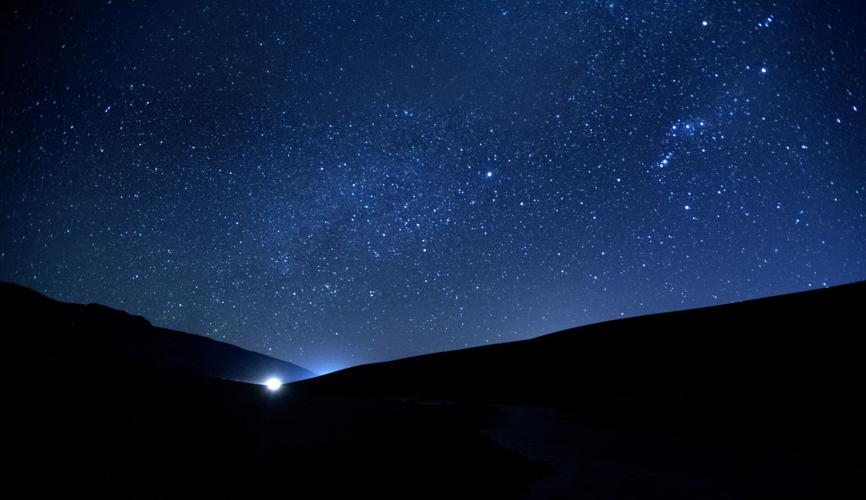
The headlights of a vehicle driving into Great Sand Dunes National Park can be seen below the thousand of stars in the sky on April 7.
Christian Murdock/The Gazette
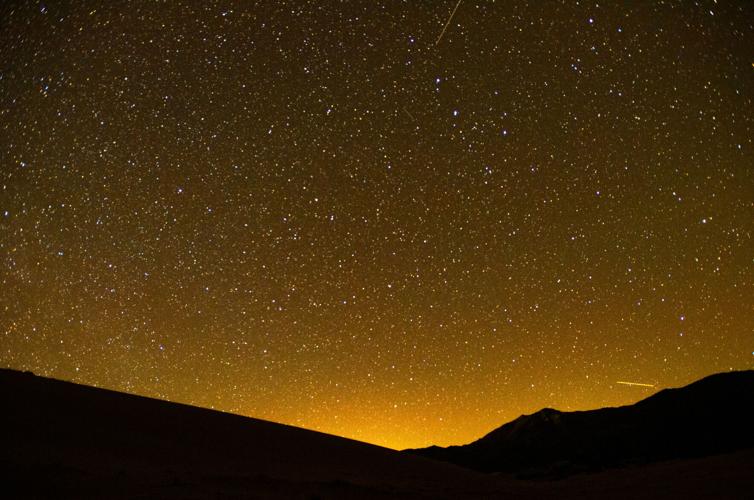

When the mercury drops, most Coloradans prefer to head indoors, especially after the sun goes down. But cold air (which holds less hazy moisture), longer nights and fewer crowds make winter the ideal time for constellation viewing.
Colorado is home to 15 certified International Dark Sky Places — 10 parks and five communities committed to preserving and protecting the night sky from light pollution. These efforts not only make it easier for stargazers to see and appreciate the beauty above but also can safeguard wildlife habitats and their natural rhythms.
Plan to visit some of our favorite celestial sanctuaries this season.
Dinosaur National Monument: Straddling the Colorado–Utah border, Dinosaur National Monument is notable for its incredible array of dinosaur fossils and petroglyphs. So you’d be forgiven for not realizing a nighttime visit is worth your time too. On clear, moonless nights, more than 4,000 stars — and, perhaps, the International Space Station — might be visible to the naked eye. Split Mountain Campground is the monument’s designated stargazing location.
Black Canyon of the Gunnison National Park: An awe-inspiring chasm by day, Black Canyon is equally impressive at night thanks to limited artificial light. In the summer, the park partners with an astronomy society to host regular stargazing events. In the winter, drive or cross-country ski along the South Rim or join a ranger-led snowshoeing trek on a full moon night.
Florissant Fossil Beds National Monument: You don’t have to travel far from the city to peek the constellations. Florissant Fossil Beds, less than an hour’s drive from Colorado Springs, benefits from what DarkSky International calls a “light-screening effect” in which the southern Front Range blocks urban light pollution from reaching the monument. The parking lot by Hornbek Homestead is always open to allow for public stargazing access.
Mesa Verde National Park: Another of Colorado’s archaeological wonders, Mesa Verde was once home to a thriving community of Ancestral Puebloans. Look up, and you’ll see a sky that’s relatively unchanged since they lived on the land. Though much of the park is closed to the public at night, overlooks and pullouts are safe observation spots for constellation-seekers.
Westcliffe and Silver Cliff: These sparsely populated towns in southern Colorado are protected from light pollution by two mountain ranges and are among the highest-elevation International Dark Sky Communities in the world — and the first to be named in Colorado. Head to Bluff and Summit Park, on the west end of Westcliffe’s Main Street, or the Alvarado or Hermit trailheads about 30 minutes from town for the best cosmic views.
Ridgway: Stargazing and hot springs? Yes, please. Both the town of Ridgway and nearby Top of the Pines recreation area are designated Dark Sky destinations, so there are plenty of opportunities to take in the stars. Our recommendation: Do so while soaking in one of the pools at Orvis Hot Springs (note that the property is clothing-optional).

New York ❤️ Colorado Symphony
John Moore
john.moore@denvergazette.com
Updated 46 minutes ago
Arts news: ‘Shrek’ drama deepens; important internment play in Brighton; Irving salutes Olympic grandkids The Colorado Symphony is still floating on an apex after last weekend’s historic tour gave 15,000 New Yorkers a listen to the best our state has...

John Moore
Reporter

Taco night? These are the best in Colorado Springs, according to Best of the Springs voters
Seth Boster
seth-boster@denvergazette.com
Updated 10 hours ago
In this weekly feature, we’re celebrating the best of Colorado Springs’ food and drink scene ー as determined by voters in The Gazette’s annual Best of the Springs (thebestofthesprings.com). We’ll throw in our own recommendation, too. Up this week: tacos. ...

Seth Boster
Reporter
Wanna get away? Snow geese in Lamar, chocolate in Estes Park and live music at Red Rocks among weekend options around Colorado
April Borjon
april.borjon@gazette.com
Updated 7 hours ago
HIGH PLAINS SNOW GOOSE FESTIVAL: One of the state’s largest birding events returns to the eastern plains, drawing visitors eager to witness thousands of snow geese and other migratory birds along the Western Central Flyway. Through Sunday, the four-day festival...

April Borjon
Reporter

‘Melania,’ panned by some film critics, opens with strong ticket sales
The Associated Press
the-associated-press@denvergazette.com
Updated 3 days ago
NEW YORK — Promoted by President Donald Trump as “a must watch,” the Melania Trump documentary “Melania” debuted with a better-than-expected $7 million in ticket sales, according to studio estimates Sunday. The release of “Melania” was unlike any seen before....

The Associated Press
Reporter
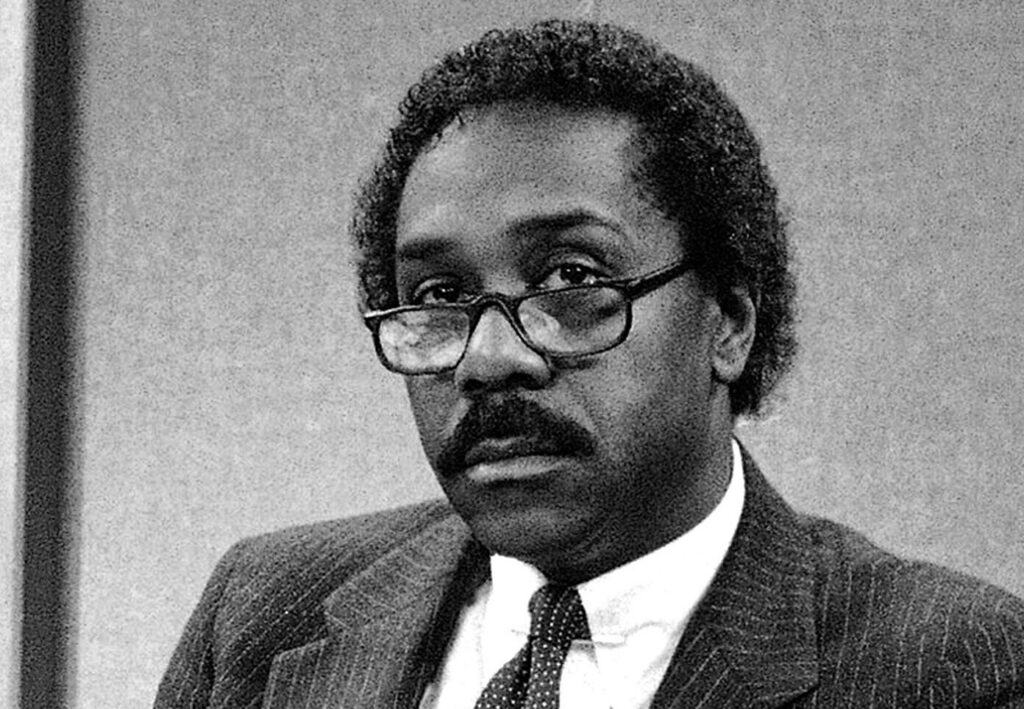
Demond Wilson, who played Lamont on ‘Sanford and Son,’ dies at 79
The Associated Press
the-associated-press@denvergazette.com
Updated 3 days ago
Demond Wilson, who found fame in the 1970s playing Lamont on “Sanford and Son” and went on to become a minister, has died. He was 79. Mark Goldman, a publicist for Wilson, confirmed to The Associated Press that he died...
The Associated Press
Reporter

New Bonfils-Stanton leader has a name that’s all his own
John Moore
john.moore@denvergazette.com
Updated 1 day ago
A broken neck gave James-Allan Holmes his life back as an artist. Now he’s ready to lead (and cheerlead) for estimable foundation Like so many others, James Holmes was never the same after the Aurora theater massacre of July 20,...
John Moore
Reporter
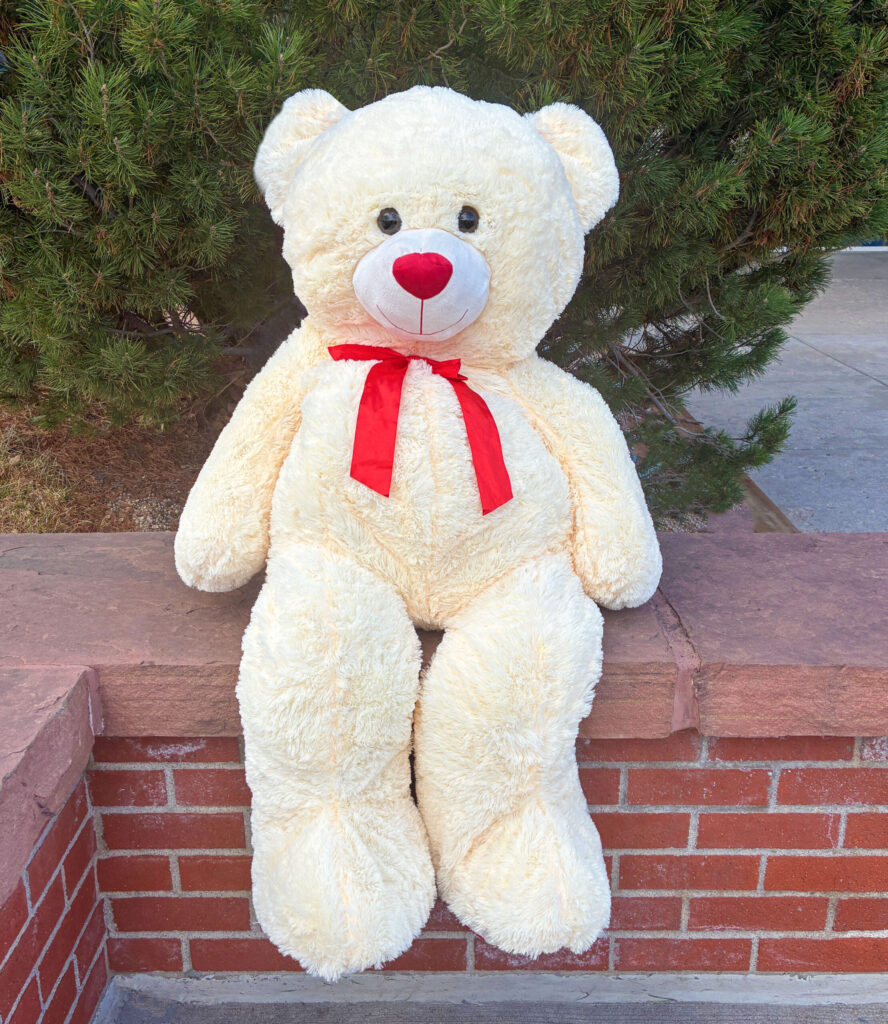
PIKES PICK: Share a Valentine with a policeman
Linda Navarro
linda-navarro@denvergazette.com
Updated 6 days ago
Kids ages 3 to 10, create something special for police during the annual Valentine’s Day Contest and maybe win fuzzy Officer Barry Custard. All entries go to police officers. Send homemade cards to Community Relations Unit, drop off by Feb....

Linda Navarro
Reporter
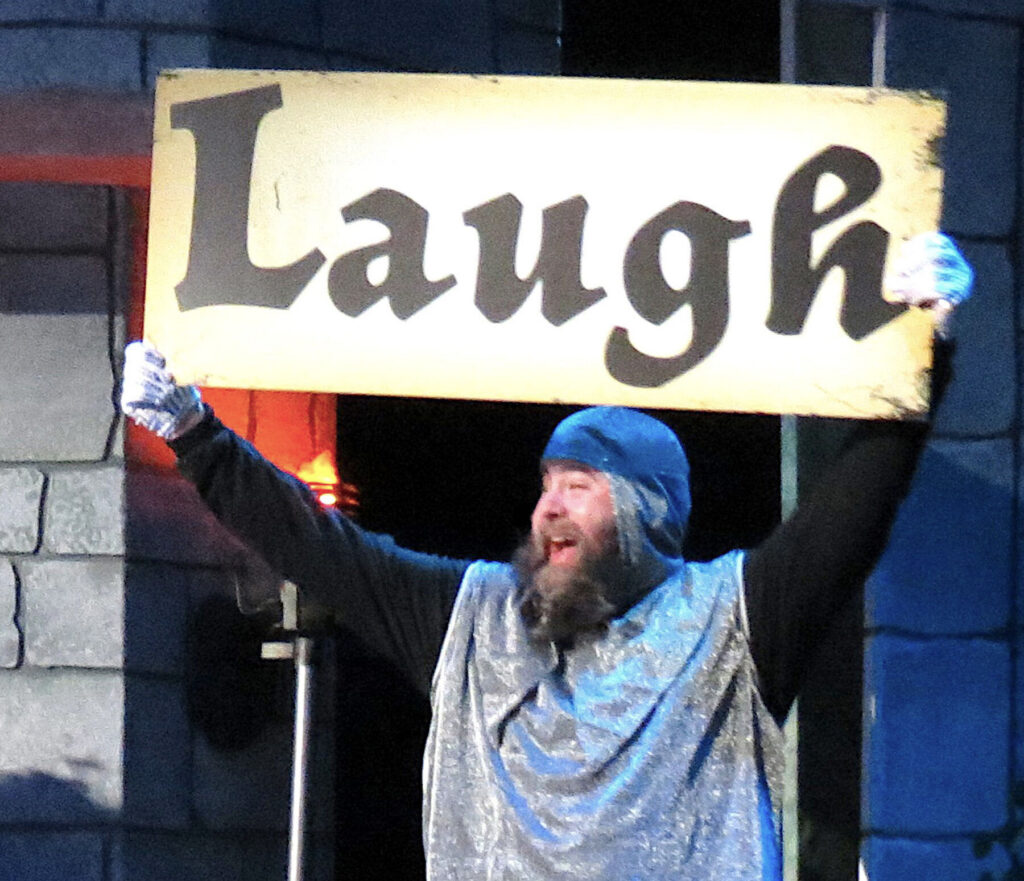
‘Shrek’ check: ‘Rally more, protest less,’ suggests former Parker mayor
John Moore
john.moore@denvergazette.com
Updated 3 days ago
‘There is this major lack of empathy out there right now,’ says the bearded and burly Mike Waid, who plays three roles in controversial musical Mike Waid wonders if this country might not be so divided if we just rallied...
John Moore
Reporter
Denver film debut has its moment in the Sundance
John Moore
john.moore@denvergazette.com
Updated 6 days ago
Seattle critic says Adam Cayton-Holland’s ‘See You When I See You’ compares favorably to ‘Ordinary People’ Denver comedian Adam Cayton-Holland is experiencing the highest highs and, I am assuming, a few lows all at once this week as the film...
John Moore
Reporter

Tips for making the best chicken wings for your Super Bowl party
Tribune News Service
tribune-news-service@gazette.com
Updated 6 days ago
Come Super Bowl Sunday, die-hard football fans and those of us drawn to hoopla will gather for hearty handheld snacks, knowing the food is as much fun as the game and the show surrounding it. Super Bowl Sunday is synonymous...

Tribune News Service
Reporter
PREV
PREVIOUS

Popular Ice Castles attraction set to open 2 locations in Colorado before Christmas
For a winter attraction in Colorado, Christmas is coming early. In its 13-year history around the country, it hasn’t been often the weather cooperates enough for Ice Castles to debut before the holiday. That will happen for a second straight year in Cripple Creek, west of Colorado Springs. And it will happen at another Ice […]

At Home: Hang up your pride and let the pros hang the holiday lights
One of my core beliefs is that you can learn everything you need to know about a man by the way he handles a string of Christmas lights. When confronted with tangled cords, burned-out bulbs and hanging hassles, does he joyfully whistle “Deck the Halls,” or does he get red-faced, start swearing, and send the […]