







Army officials say Green Beret who died in Cybertruck explosion did not show concerning behaviors before death
The Green Beret who shot himself and blew up a Cybertruck in Las Vegas on Wednesday displayed no concerning behavior prior to the bombing, according to Army public affairs.
Master Sgt. Matthew Livelsberger was on personal leave from Fort Carson when he rented a Cybertruck in Colorado and drove to Las Vegas. There, the truck — laden with fireworks and camping fuel — exploded.
Investigators say Livelsberger had no animosity toward President-elect Donald Trump, despite blowing the truck up outside one of his hotels. Police say he had post-traumatic stress disorder.
Green Beret who died in Las Vegas Cybertruck explosion used generative AI
“In this particular case, Master Sgt. Matthew Livelsberger had access to and used the (Preservation of the Force and Family) program; he did not display any concerning behaviors at the time, and was granted personal leave,” said Brig. Gen. Amanda Azubuike, the Army’s chief of public affairs. “We encourage our soldiers, if they need help, mental health treatment or need to speak with someone, to seek proactive behavioral health treatment either on base or online.”
The Preservation of the Force and Family program provides holistic care in physical, cognitive, medical, and support resources as appropriate to each individual, Azubuike said.
All of Livelsberger’s relevant records were provided to the FBI, she said.
Livelsberger was a member of the 10th Special Forces Group at Fort Carson. He enlisted in January 2006 as an 18X or special forces candidate, according to the Army.
In notes found by police in his phone after the bombing, Livelsberger wrote that his actions were a way for him to cleanse his mind of “the brothers I’ve lost and relieve myself of the burden of the lives I took.”
Livelsberger earned the Bronze Star five times over his career in the Army, including one with a V device for valor under fire, according to the Associated Press. He had recently sought treatment for depression and experienced significant pain and exhaustion.
Soldier who died by suicide in Las Vegas told ex-girlfriend of pain and exhaustion after Afghanistan
Livelsberger claimed the bombing was not a terrorist attack. Instead, he wanted it to serve as a “wake-up call,” adding that Americans only pay attention to “spectacles and violence.”
WATCH: Las Vegas authorities provide possible motoive in explosion at Trump Hotel Las Vegas
A psychiatrist familiar with Special Forces treatment said mental health services for those units include an embedded behavioral health team and funding for residential treatment outside of the military.
The challenge is getting Special Forces soldiers to come forward, he said. The screening tools used during the deployment cycle are also flawed because they were developed for people seeking help.
“We apply these screening tools to presumably healthy young men, hoping that if they’re having problems they’ll be honest in the way that they answer the questions, but they’re not always honest,” he said.


20 years after Fort Carson soldier’s death, family seeks answers
Mary Shinn
mary-shinn@denvergazette.com
Updated 1 day ago
Amber Stone reported her husband missing on Valentine’s Day 20 years ago. A week later he was found in a sewage treatment pond on Fort Carson. Stone is certain her husband, Joseph Eric Barker, didn’t walk barefoot across Fort Carson...

Mary Shinn
Reporter
Colorado Democratic candidate submitted 1,600 signatures — only 29 were valid
Marianne Goodland
marianne-goodland@denvergazette.com
Updated 2 days ago
When he turned in some 1,600 signatures last month, Eric Nelson said it demonstrated “strong grassroots support from voters” across the district and a “growing momentum” for his “inclusive, community-centered leadership.” On Thursday, the Secretary of State rejected Nelson’s petition...

Marianne Goodland
Reporter
Grand jury refuses to indict Democratic lawmakers in connection with illegal military orders video
Eric Tucker
eric.tucker@associatedpress.com
Updated 2 weeks ago
WASHINGTON (AP) — A grand jury in Washington refused Tuesday to indict Democratic lawmakers in connection with a video in which they urged U.S. military members to resist “illegal orders,” according to a person familiar with the matter. The Justice...

Eric Tucker
Reporter
Outside Aurora VA hospital, hundreds memorialized nurse killed in Minneapolis
Mary Shinn
mary-shinn@denvergazette.com
Updated 4 weeks ago
Outside the Department of Veterans Affairs Hospital in Aurora on Wednesday night, soft light from battery-powered candles illuminated hundreds of mourning faces. The crowd of nurses and other community members gathered to remember Alex Pretti, a VA nurse, who was...
Mary Shinn
Reporter

Greenland is now Colorado’s problem. And that’s a good thing. | Vince Bzdek
Vince Bzdek
vince-bzdek@denvergazette.com
Updated 4 weeks ago
The conclusion to the dizzying odyssey over Greenland this week reminded me a little of the ending of the “Wizard of Oz.” If you recall, Dorothy, the Scarecrow, the Lion and the Tin Man finish a great and frightful quest...

Vince Bzdek
Reporter
Report finds Air Force Academy should improve due process for those facing discipline
Mary Shinn
mary-shinn@denvergazette.com
Updated 4 weeks ago
The Air Force Academy does not provide consistent access to open hearings or clear guidance on the right to remain silent to cadets facing accusations of misconduct, a Government Accountability Office report found. The report released shortly before Christmas reviewed...
Mary Shinn
Reporter
Fort Carson soldier’s wife spared possible deportation
Carol McKinley, Special to the Denver Gazette
carol.mckinley@denvergazette.com
Updated 1 month ago
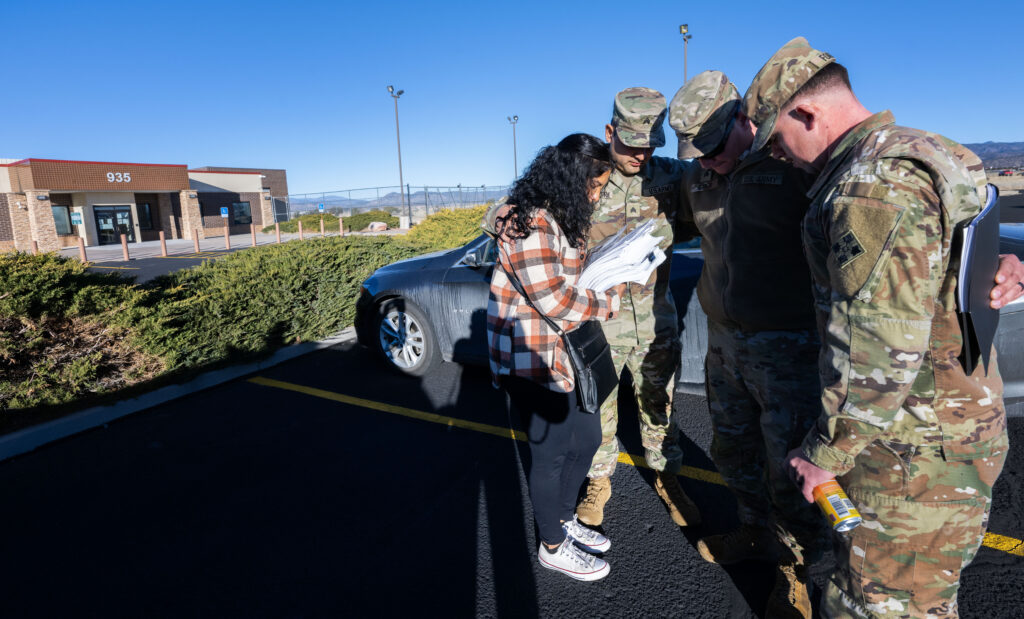
In a move that signaled that the U.S. Department of Homeland Security may be softening its stance on undocumented spouses of active-duty military, a Colorado woman was spared from possible deportation Thursday. Jennifer Madriaga Baca, an undocumented immigrant, looked exhausted...

Fort Carson soldier’s wife could be deported
Carol McKinley, Special to the Denver Gazette
carol.mckinley@denvergazette.com
Updated 1 month ago
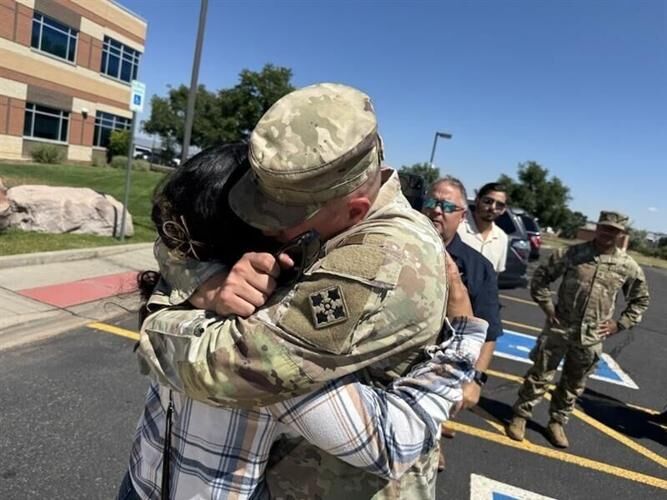
As the country’s largest immigration enforcement crackdown continues in Minnesota’s Twin Cities, a Fort Carson sergeant is fighting a personal immigration crisis — one that may implode his family. Sgt. Tyler Garza’s wife, Jennifer Maradiaga Baca, is not a legal...

Colorado Springs officials oppose Space Command lawsuit; AG won’t back down
Mary Shinn
mary-shinn@denvergazette.com
Updated 1 month ago
As Colorado Springs and El Paso County officials oppose a lawsuit against the Trump administration over relocating Space Command to Alabama, the state Attorney General’s Office says it won’t back down. “Some elected officials may choose to accommodate the Trump...
Mary Shinn
Reporter
Colorado Springs veterans fear Hegseth’s censure of Sen. Kelly may silence military retirees
Mary Shinn
mary-shinn@denvergazette.com
Updated 1 month ago
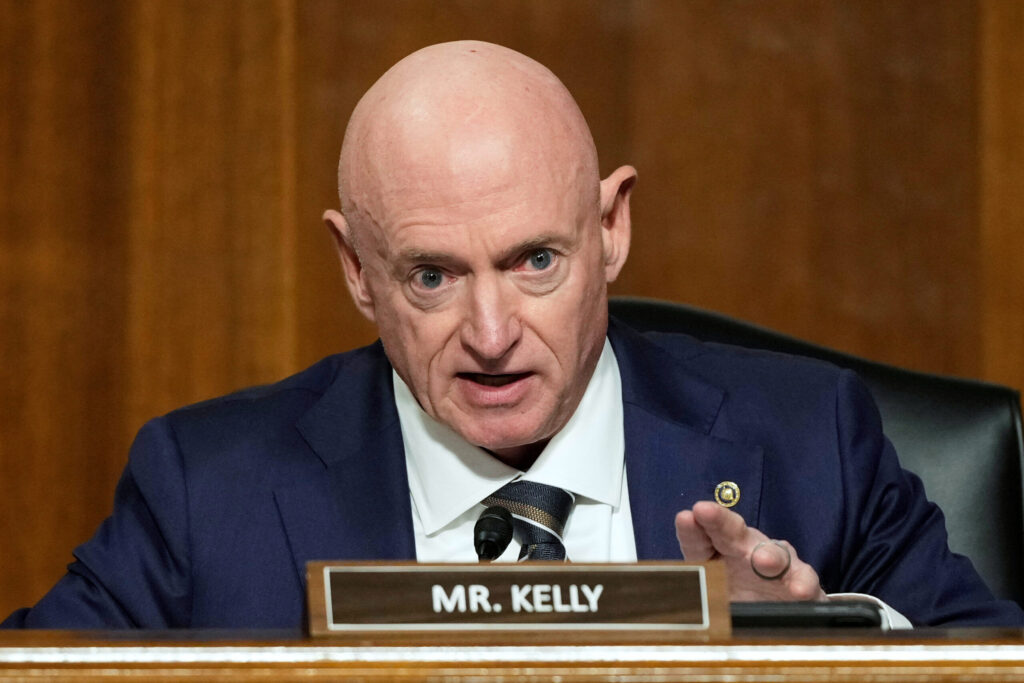
After Secretary of Defense Pete Hegseth announced he planned to reduce Arizona Sen. Mark Kelly’s military rank and pay earlier, some Colorado Springs veterans said they feared it could discourage retired service members from sharing their own views publicly. In...
Mary Shinn
Reporter
PREV
PREVIOUS
Volunteers keep the magic alive for kids calling NORAD to track Santa
When more than 100,000 children call to check on Santa Claus’ journey Christmas Eve, Col. Mike Hayek will be among many answering the phones. The North American Aerospace Defense Command runs the official Santa tracking call center from Peterson Space Force Base with about 1,000 volunteers from within the Department of Defense and the community. […]
Colorado Springs Green Beret suicide underscores need for brain injury awareness
In a digital journal investigators found in one of two charred cellphones, Matthew Livelsberger indicated that his war experience had left him severely troubled: “These graphic encounters replay in my head all day every day and it has ruined my relationships with my family and friends. I am now a shell of a human being […]