








Arduous bootpacking unlocks avalanche terrain at several Colorado ski areas
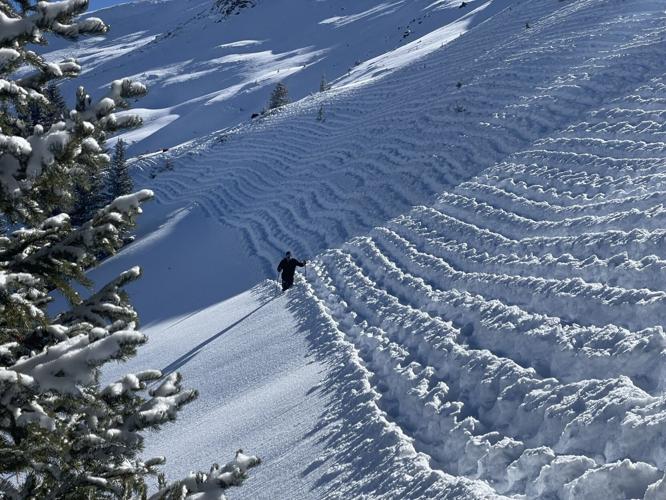
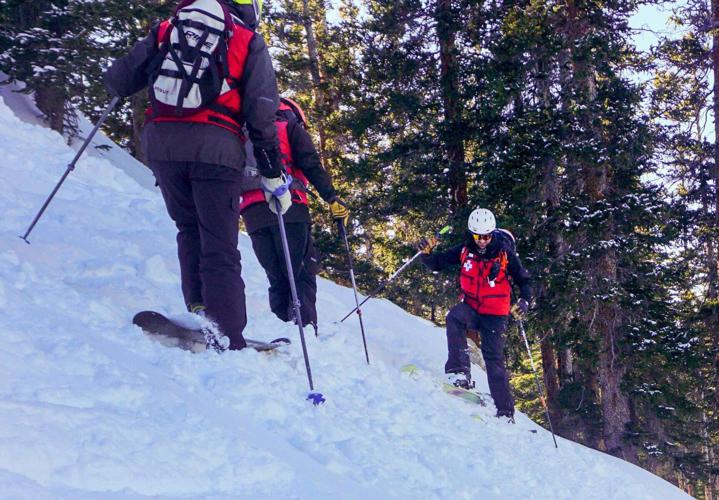
Bootpacking avalanche-prone terrain at Keystone Resort. “We call it Type 2 fun,” says Leslie Chasky, the resort’s ski patrol supervisor.
Photo courtesy Leslie Chasky, Keystone Resort
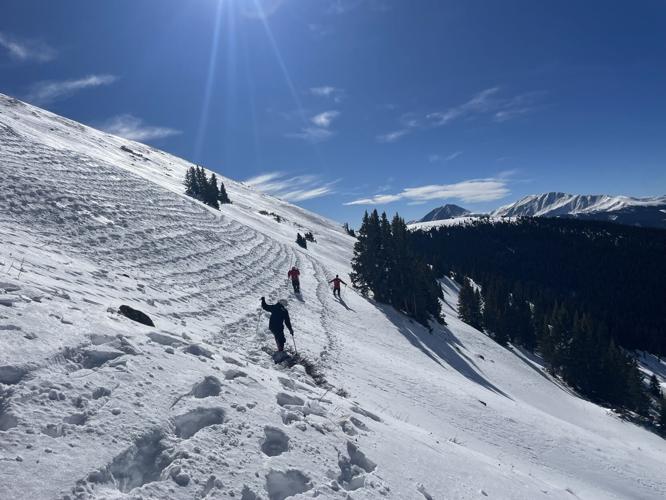
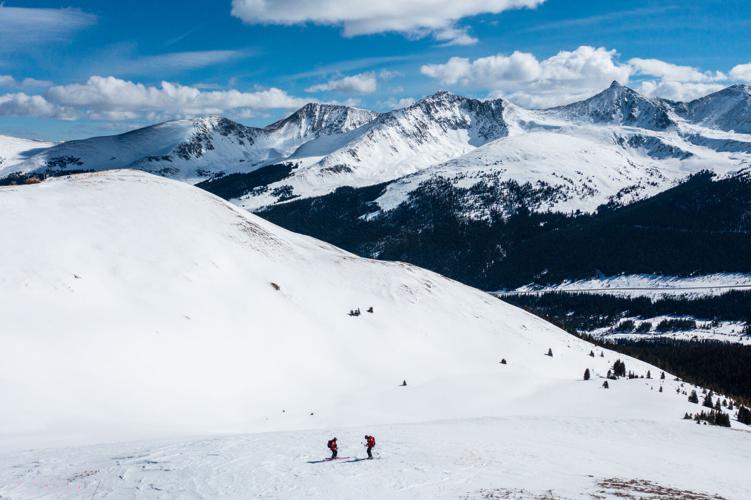
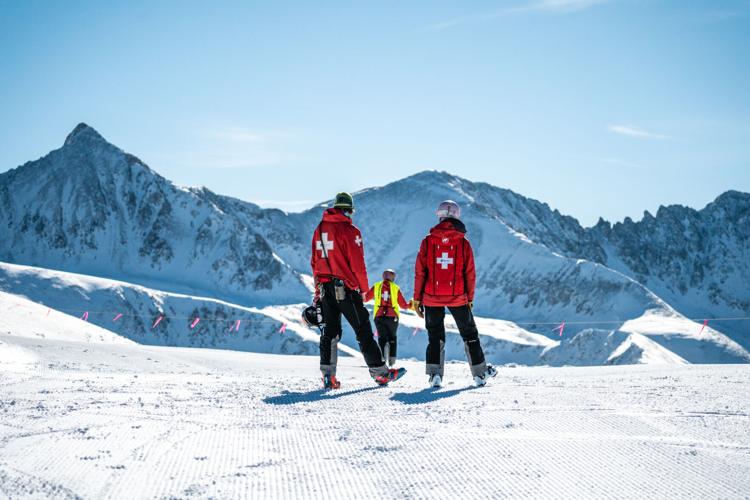
A sunny, bluebird day — much better than a full day of wind and bitter cold in the high alpine. Sunglasses and a ball cap. Lots of snacks and water. A pack for storing layers to be shed. A single AirPod, leaving one ear open for communication.
When it comes time for bootpacking Keystone Resort’s avalanche terrain, these are all suggestions of Leslie Chasky.
“And prepare to sweat — a lot,” said the resort’s ski patrol supervisor.
Oh yes, there is a physical toll to this tried-and-true method of avalanche mitigation.
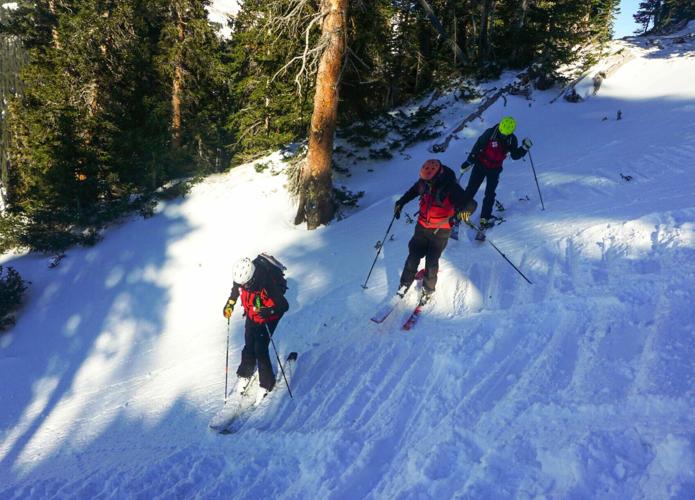
That much is clear by the pictures Keystone recently posted to its social media: patrollers stepping down a steep slope one boot in front of the other. Here and elsewhere across Colorado’s ski country, they might spend all morning and afternoon stomping through thigh-high snow.
“I’m exhausted just looking at the photos,” read one response to Keystone’s post.
“Now that’s a leg day!” read another.
And another: “I had never heard of this before, that’s amazing!”
Surely that commenter is not alone.
“I’d guess most of the general public that skis our avalanche terrain in the heart of the season has no idea that a process like this happens,” Chasky said.
The process happens early in the season, as weak layers of snow notoriously blanket Colorado’s mountains.
“The ski areas in Colorado, especially the big ones, they’re in what we call Class A avalanche areas,” said Ethan Greene, director of Colorado Avalanche Information Center. “They have very active avalanche slopes; that’s what people like to ski. But people don’t see avalanches at those places, because patrollers are really good at what they do.”
Patrollers assess slopes for safe stepping — for bootpacking, as a 2008 paper explained. Prepared for the International Snow Science Workshop, the paper was out of Aspen Highlands, where patrollers and hearty volunteers for decades have offered their bootpacking services for a season pass.
“Approximately 4,500 man hours are necessary to complete the job,” according to the paper, “and of course that varies with weather and snow cover properties.”
The properties of concern: “People call it sugar snow, because it’s really coarse,” Greene said.
Colorado’s early snow tends to fall “shallow” and faceted,” the Aspen paper described, “with inherent cohesion issues.” It is far from a guarantee that future snow will hold firm.
Unless, perhaps, the early layers are stomped.
The idea is “disturbance,” explained Reed Ryan, Copper Mountain Resort’s snow safety supervisor. Think of shoveling your driveway, he said. “When you put it on the side of your driveway, it’s no longer that powdery snow. It recenters as a much harder version.”
Bootpacking results in a grid of holes, a slope appearing like honeycomb.
“Think about if you’ve ever seen somebody put in a concrete foundation with pillars,” Ryan said. “New snow will kind of blow into those holes. It just creates a much better surface for bonding moving forward for new snow to attach to.”
Ryan called Copper Mountain’s bootpacking program “probably the most robust program that we’ve ever had.” In a years-long tradition similar to Aspen Highlands, volunteers with expert skiing abilities and cautionary beacons, shovels and probes have spent long days bootpacking.
They might be earning more than a season pass. It could be said they are earning turns for skiers to come. That’s the intent of bootpacking — stabilizing slopes so they can open for business as early as possible.
It’s not like explosives used for clearing avalanche-prone snow above Colorado’s highways. “The ski areas use explosives too,” Greene noted, “but it’s very different when you’re trying to create a product for customers that involves (keeping) snow on a steep slope.”
At Loveland Ski Area, explosives are used across more distant, less accessible slopes, said Eric Mikolajczak, snow safety supervisor. But if his team can safely reach terrain, they’ll be bootpacking — no matter any dread.
“I’d be lying if I said there wasn’t any,” he said. “It does take a lot of endurance and energy to work your way a couple hundred feet down a slope sidestepping the entire day.”
Said Chaskey at Keystone: “We call it Type 2 fun.”
She described patrollers walking in lines about a meter apart, steadily stepping down the mountainside through snow that might be piled above the knee. “The excitement and anticipation of the task at hand quickly turns into an elevated heart rate and a bead of sweat running down your back,” Chaskey said.
For any onlooker saying there’s got to be a better way? “I’d say they’re probably right,” Mikolajczak said, “but they might not be in touch with our operations as we are.”
Another way is by terrain roller, “which is operated by a winch cat,” Ryan said. “So obviously you need a snowcat to operate it, and you need a place where you can put a snowcat. You can’t always do that.”
And so the old-fashioned way. The hard way.
And the most rewarding, Mikolajczak said.
“Seeing people have fun and enjoy the mountain for something we put a lot of work into, it’s a pretty cool feeling,” he said.

Ski patrollers end strike against Telluride
RACHAEL WRIGHT Special to The Gazette
rachael-wright-special-to-the-gazette@denvergazette.com
Updated 13 hours ago
After 13 days, the longest ski patrol strike in U.S. history has come to an end. On Dec. 27, the 72-member Telluride Professional Ski Patrol Association voted to go on strike after approaching Telluride Ski Resort (Telski) owner Chuck Horning...

Colorado Parks and Wildlife building ‘bison roster’ for new potential hunting
Seth Boster
seth-boster@denvergazette.com
Updated 2 days ago
Colorado Parks and Wildlife is building a list of prospective bison hunters ー a first for the agency as the iconic animal comes under new state management. Starting this year after the passage of Senate Bill 25-053, bison will be...
Seth Boster
Reporter
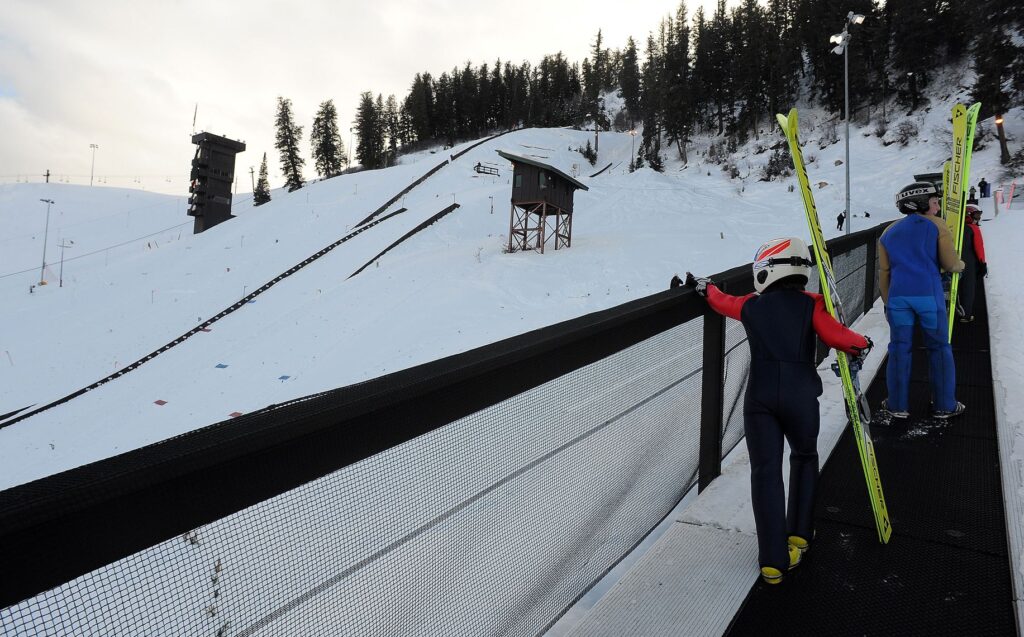
Sunday tickets are free at this historic Colorado ski area
Seth Boster
seth-boster@denvergazette.com
Updated 3 days ago
Colorado’s best ski deal? Maybe one that costs nothing at all. At Steamboat Springs’ Howelsen Hill, “Sunday Funday is taken to an entirely new level,” reads the city webpage for Ski Free Sundays. Yes, on Sundays throughout the season, visitors...
Seth Boster
Reporter
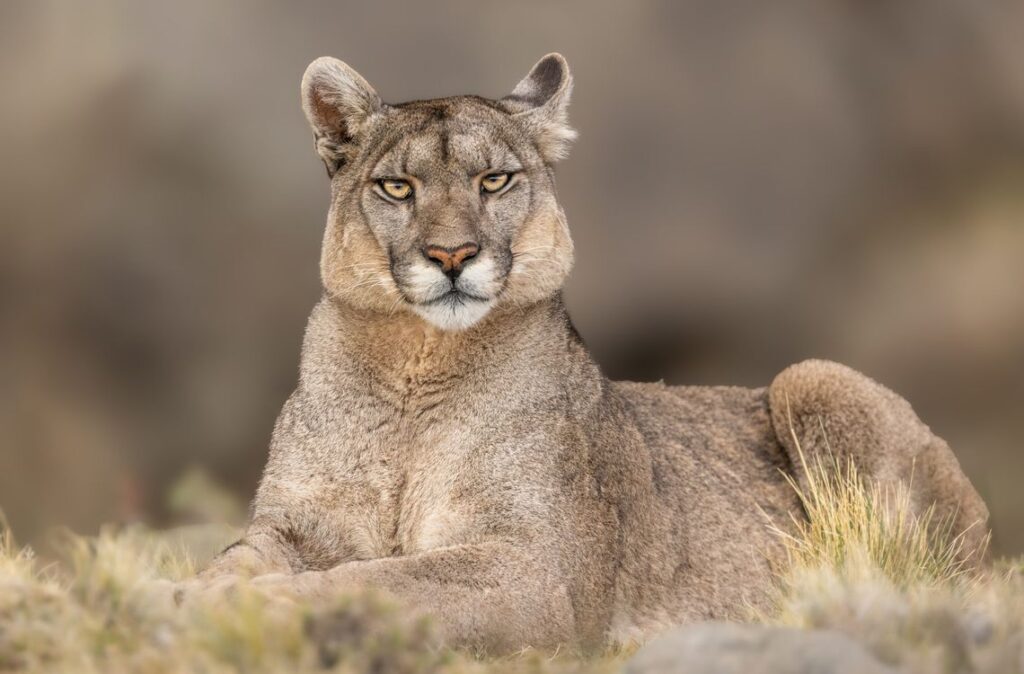
Woman killed by mountain lion identified, lion search ends
Sage Kelley
sage-kelley@denvergazette.com
Updated 1 day ago
The woman who died after a suspect mountain lion attack was identified by officials Monday. The victim of the New Year’s Day attack was 46-year-old Kristen Marie Kovatch of Fort Collins, according to a news release from the Larimer County...

Sage Kelley
Reporter
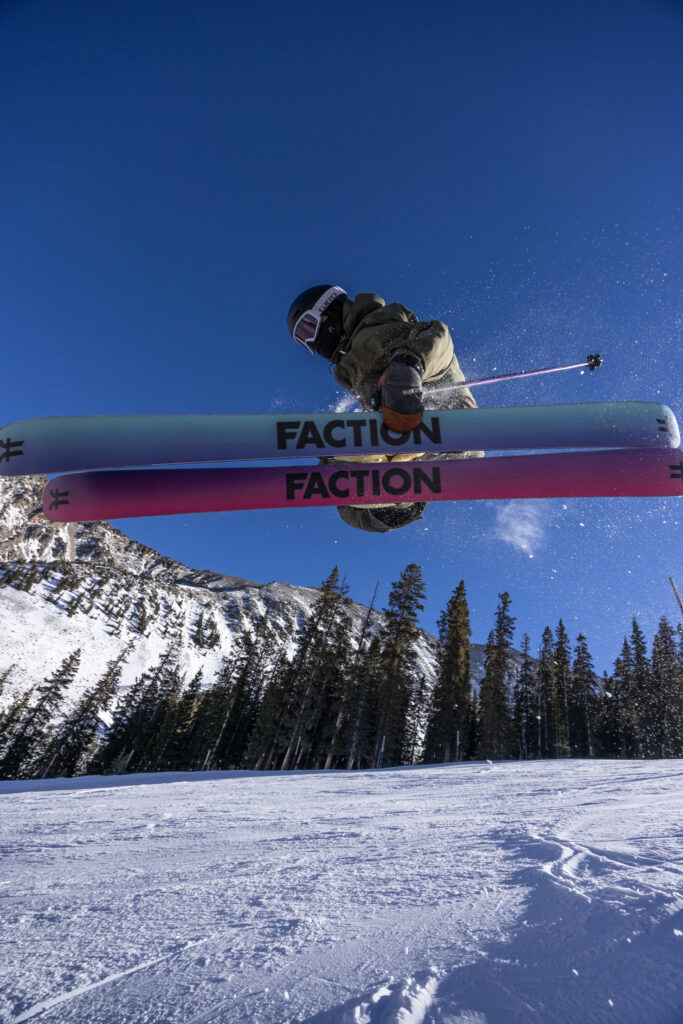
Two chances for snow in Colorado during first full week of January, 8-16″ possible
Jonathan Ingraham
jonathan.ingraham@denvergazette.com
Updated 3 days ago
Snow is back in the forecast for Colorado, with two moderate storms bringing precipitation to all three mountain zones over the next five days. Colorado’s snowpack is still hurting, but Mother Nature is chipping away at the deficit some, however,...

Jonathan Ingraham
Reporter
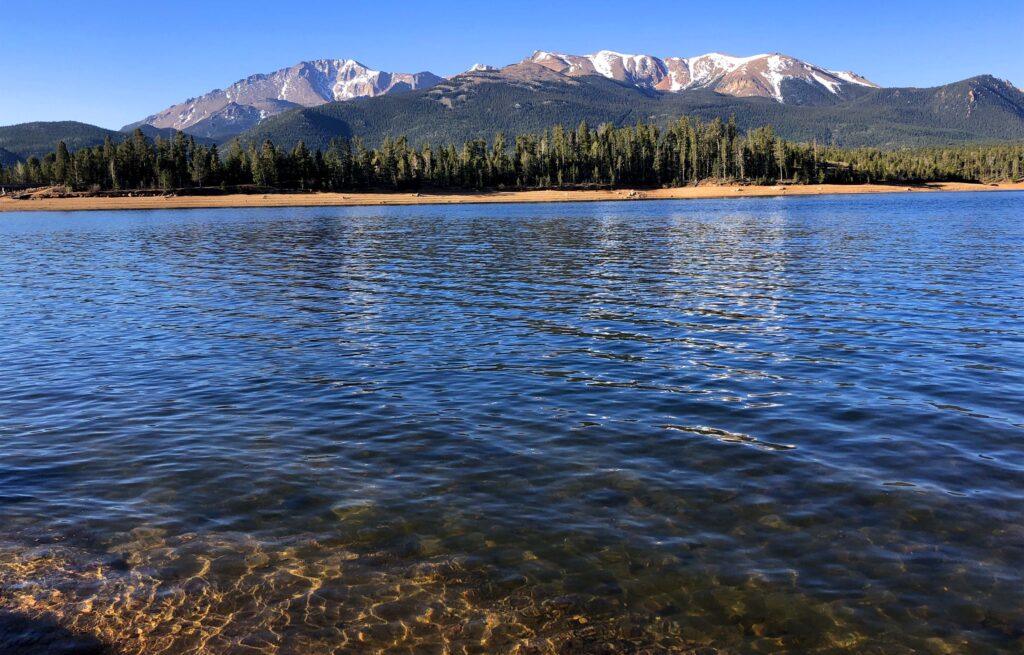
Expanded trails, future destinations among new year plans for Colorado Springs outdoors
Seth Boster
seth-boster@denvergazette.com
Updated 3 days ago
Across Colorado Springs’ outdoors, the new year will see new trails and progress toward new destinations. “There’s a lot of great stuff coming up,” said David Deitemeyer, senior administrator for the city’s Trails, Open Space and Parks program. He recently...
Seth Boster
Reporter
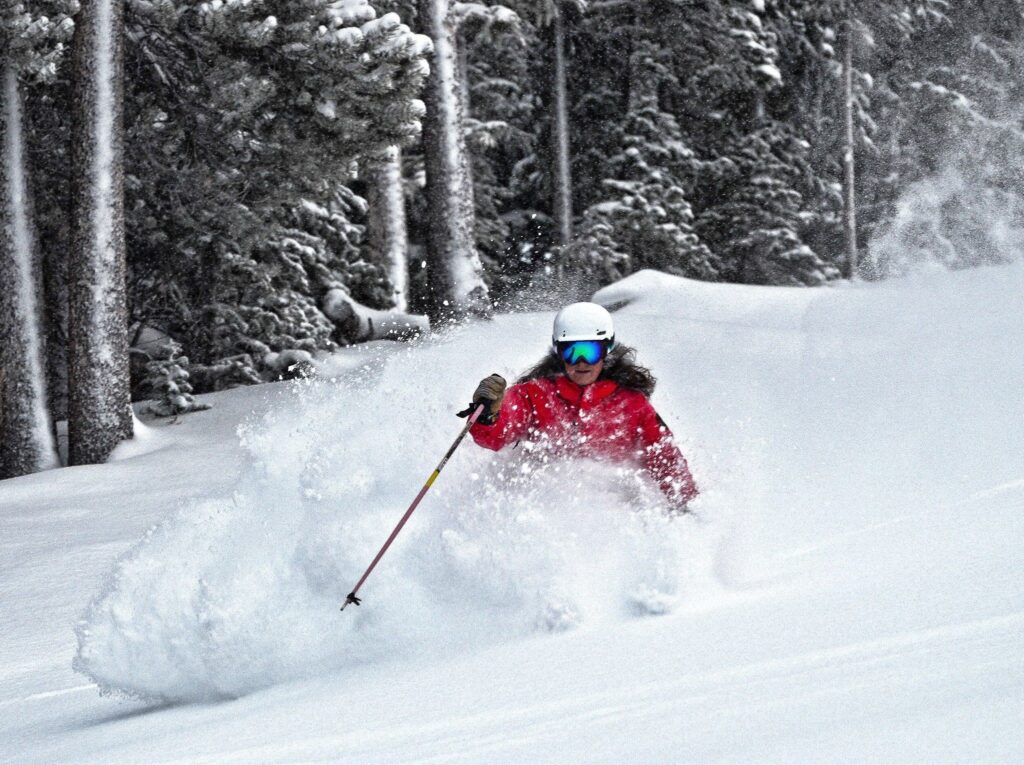
Winter Park Resort sets opening date for Mary Jane side, 50th birthday party to ensue
Jonathan Ingraham
jonathan.ingraham@denvergazette.com
Updated 3 days ago
The wait is over Colorado skiers and riders, Winter Park Resort in Grand County is opening the Mary Jane side of the ski area for the season on Friday, Jan. 9. The timing is perfect as the ski area is...
Jonathan Ingraham
Reporter
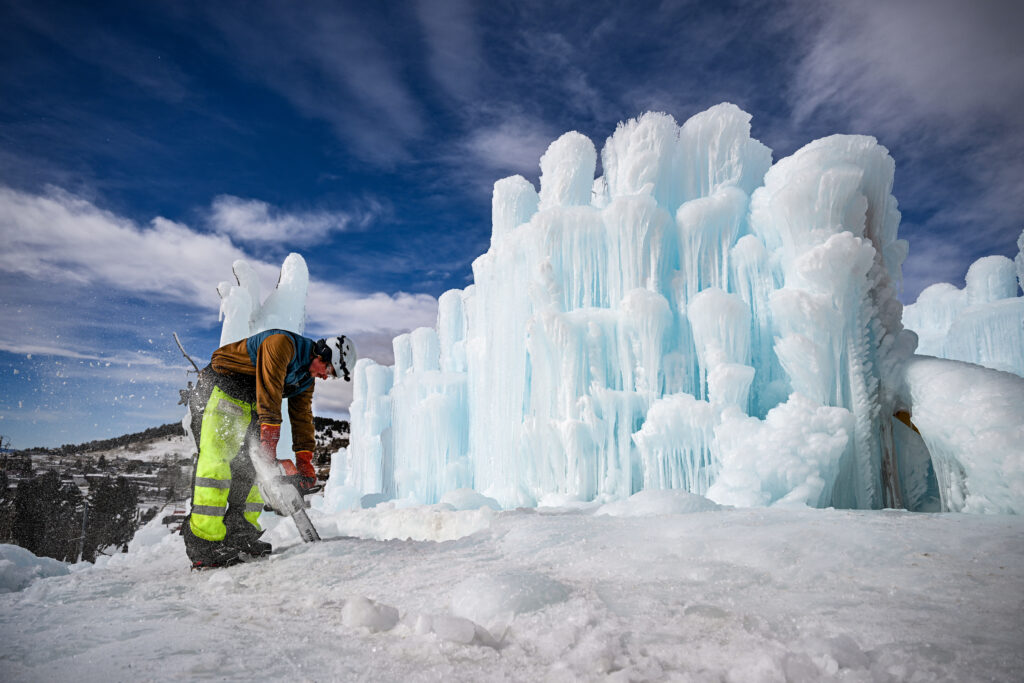
Opening day set for Ice Castles in Cripple Creek amid warm spell
Seth Boster
seth-boster@denvergazette.com
Updated 1 week ago
Against the odds of a balmy December, an icy destination is just about ready west of Colorado Springs. A news release announced a Jan. 10 opening day for Ice Castles in Cripple Creek. The colorful, immersive attraction of slides, arches,...
Seth Boster
Reporter
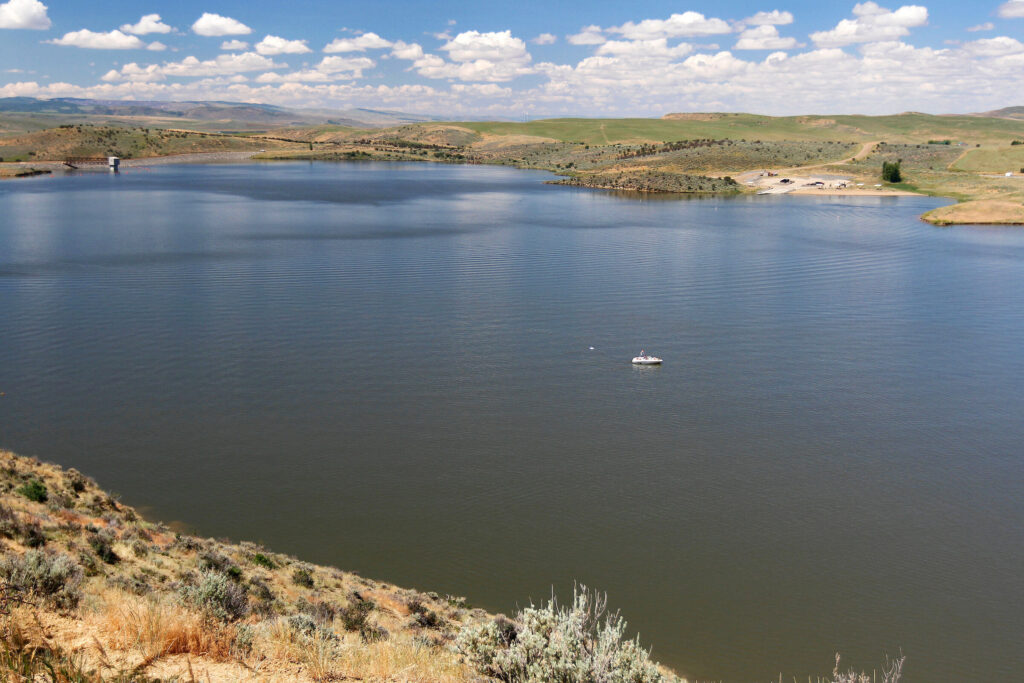
Vehicle pass fees to increase at these Colorado state parks in 2026
Noah Festenstein
noah-festenstein@denvergazette.com
Updated 1 week ago
Colorado Parks and Wildlife officials Wednesday reminded visitors of daily vehicle pass fee increases at select state parks beginning in the new year. Starting Thursday, daily fees are increased by $2 at four northwest Colorado state parks. The fees are...

Noah Festenstein
Reporter
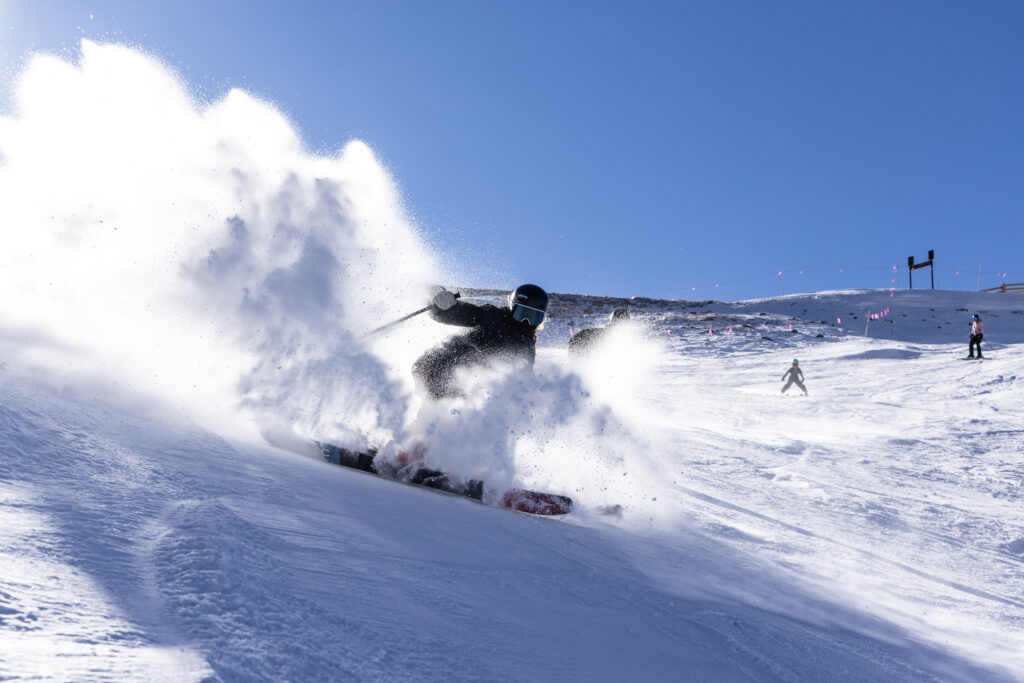
Weekend parking reservations at Colorado’s Arapahoe Basin delayed two more weeks
Jonathan Ingraham
jonathan.ingraham@denvergazette.com
Updated 1 week ago
The parking reservation system at Arapahoe Basin Ski Area in Summit County, Colorado has been delayed and will now begin on Jan. 17. Reservations were initially planned to start on Jan. 3. “As a ski area, we take pride in being flexible, updating our policies and...
Jonathan Ingraham
Reporter