







Colorado joins 17 states suing to stop Trump’s order blocking birthright citizenship
Attorneys general from 18 states, including Colorado, sued Tuesday to block President Donald Trump’s move to end a decades-old immigration policy known as “birthright citizenship,” which guarantees that U.S.-born children are citizens regardless of their parents’ status.
Trump’s roughly 700-word executive order, issued late Monday, amounts to a fulfillment of something he’s talked about during the presidential campaign. But whether it succeeds is far from certain amid what is likely to be a lengthy legal battle over the president’s immigration policies.
“The White House executive order attempting to end birthright citizenship is flatly unconstitutional,” said Colorado Attorney General Phil Weiser. “The idea that a president could override the Constitution with the stoke of a pen is a flagrant assault on the rule of law and our constitutional republic.”
The Trump administration said the Fourteenth Amendment has never been interpreted to “extend citizenship universally to everyone born within the United States.”
“The Fourteenth Amendment has always excluded from birthright citizenship persons who were born in the United States but not ‘subject to the jurisdiction thereof,'” the administration said.
Here’s a closer look at birthright citizenship, Trump’s executive order and reaction to it:
What is birthright citizenship?
Birthright citizenship means anyone born in the U.S. is a citizen, regardless of their parents’ immigration status. People, for instance, in the United States on a tourist or other visa or in the country illegally can become the parents of a citizen if their child is born here.
It’s been in place for decades and enshrined in the 14th Amendment to the Constitution, supporters say. But Trump and allies dispute that reading of the amendment and argue there need to be tougher standards on becoming a citizen.
What does Trump’s order say?
The order says the 14th Amendment does not extend citizenship automatically to anyone born in the United States.
The 14th Amendment was born in the aftermath of the Civil War and ratified in 1868. It says: “All persons born or naturalized in the United States and subject to the jurisdiction thereof, are citizens of the United States and of the State wherein they reside.”
Trump’s order excludes the following people from automatic citizenship: individuals whose mothers were not legally in the United States and whose fathers were not U.S. citizens or lawful permanent residents; people whose mothers were in the country legally but on a temporary basis — such as on a tourist visa — and whose fathers were not citizens or legal permanent residents.
It goes on to bar federal agencies from recognizing the citizenship of people in those categories. It takes effect 30 days from Tuesday, on Feb. 19.
What is the history of the issue?
The 14th Amendment did not always guarantee birthright citizenship to all U.S.-born people. Congress did not authorize citizenship for all Native Americans born in the United States, for instance, until 1924.
In 1898, an important birthright citizenship case unfolded in the U.S. Supreme Court. The court held that Wong Kim Ark, who was born in San Francisco to Chinese immigrants, was a U.S. citizen because he was born in the country. After a trip abroad, he had faced denied reentry by the federal government on the grounds that he wasn’t a citizen under the Chinese Exclusion Act.
But some advocates of immigration restrictions have argued that while the case clearly applied to children born to parents who are both legal immigrants, it’s less clear whether it applies to children born to parents without legal status.
What has the reaction to Trump’s order been?
Eighteen states, including Colorado, plus the District of Columbia and San Francisco, sued in federal court to block Trump’s order.
New Jersey Democratic Attorney General Matt Platkin said Tuesday that presidents don’t have the authority to undo a constitutional provision.
Not long after Trump signed the order, immigrant advocacy groups also filed suit to stop it.
Chapters of the American Civil Liberties Union in New Hampshire, Maine and Massachusetts, along with other advocates, filed a suit in New Hampshire federal court.
The suit asks the court to find the order to be unconstitutional. It highlights the case of a woman identified as “Carmen,” who is pregnant but is not a citizen. The lawsuit says she has lived in the United States for more than 15 years and has a pending visa application that could lead to permanent status. She has no other immigration status, and the father of her expected child has no immigration status either, the suit says.
In addition to New Jersey and the two cities, California, Massachusetts, Colorado, Connecticut, Delaware, Hawaii, Maine, Maryland, Michigan, Minnesota, Nevada, New Mexico, New York, North Carolina, Rhode Island, Vermont, and Wisconsin joined the lawsuit to stop the order.
Associated Press reporter David Collins in Hartford, Connecticut, contributed to this report.

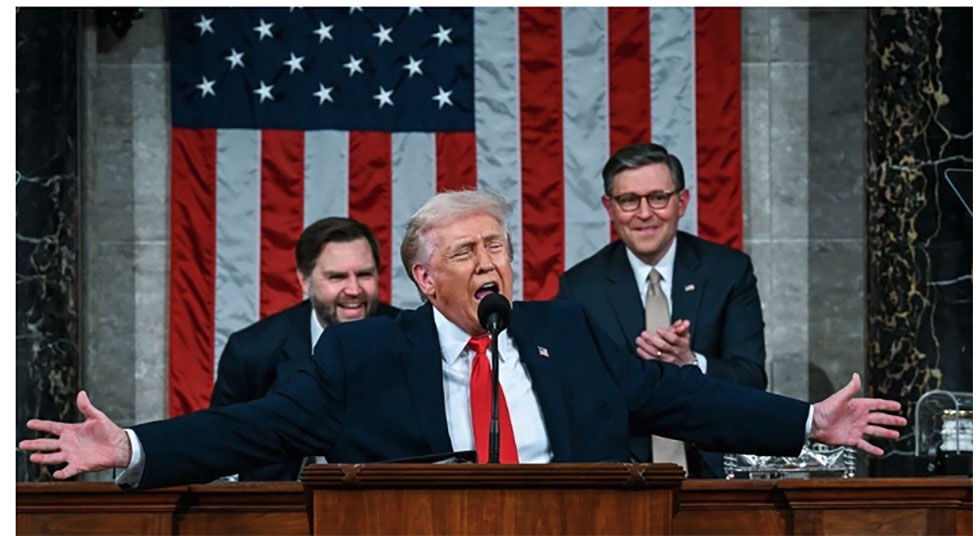
Trump faces first domestic test on Iran conflict with Senate war powers vote
Ramsey Touchberry Washington Examiner
ramsey-touchberry-washington-examiner@denvergazette.com
Updated 9 hours ago
Administration officials are scrambling to sell members of Congress on President Donald Trump’s military operations in Iran ahead of bipartisan attempts to limit his war powers in the Middle East without approval from lawmakers. The Senate and House are set...


State Department deploying military aircraft to evacuate US citizens from Middle East
Timothy Nerozzi, Washington Examiner
timothy.nerozzi.washington.examiner@gazetteedit.wpenginepowered.com
Updated 9 hours ago
The State Department is preparing to deploy military aircraft to transport U.S. citizens out of the Middle East, as commercial flight complications prevent Americans from heeding evacuation calls. Iran successfully struck airports in Dubai, Abu Dhabi, and Doha in retaliation...

Timothy Nerozzi, Washington Examiner
Reporter
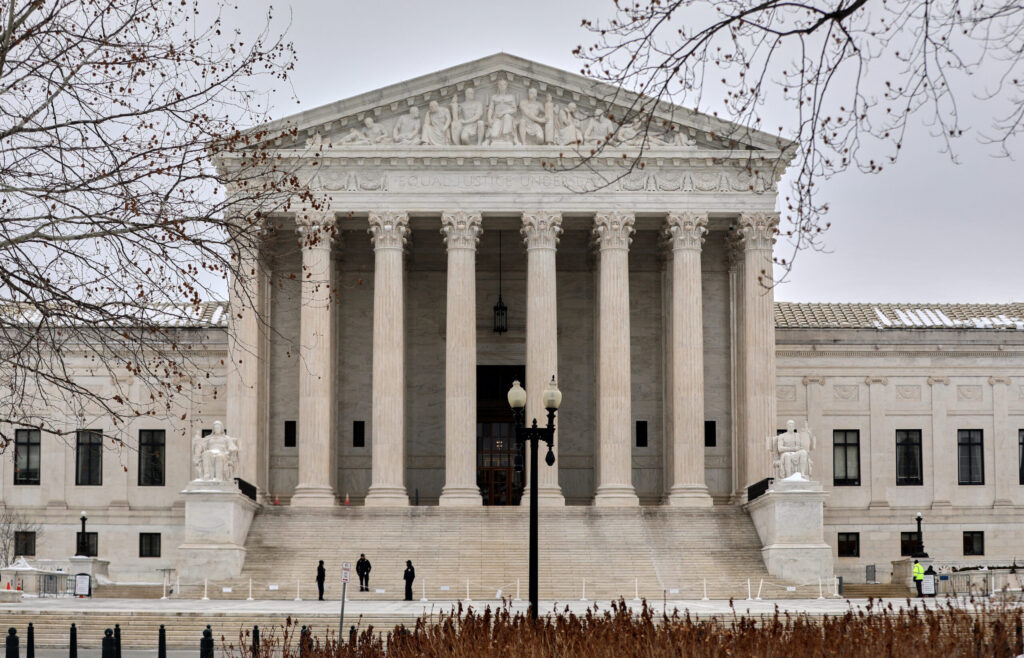
Supreme Court hands California parents win over secret gender transition policy
Jack Birle, Washington Examiner
jack.birle.washington.examiner@gazetteedit.wpenginepowered.com
Updated 9 hours ago
The Supreme Court gave California parents a significant victory late Monday when it kept in place a lower court’s block of the Golden State’s public school policy hiding students’ gender identity and preferred pronouns from parents. A 6-3 majority on...

Jack Birle, Washington Examiner
Reporter
Justice Department’s new policy saves $1.6 million in taxpayer dollars previously spent on transgender procedures
Mia Cathell, Washington Examiner
mia.cathell.washington.examiner@gazetteedit.wpenginepowered.com
Updated 13 hours ago
EXCLUSIVE — One of the Trump administration’s latest initiatives is projected to save taxpayers over $1.65 million, which previously would’ve been spent on gender-affirming care for federal prisoners who identify as transgender. Under the new prison policy, issued on Feb....

Mia Cathell, Washington Examiner
Reporter

UN nuclear watchdog says Iran nuclear site damaged in strikes
Washington Examiner Staff, Washington Examiner
washington.examiner.staff.washington.examiner@gazetteedit.wpenginepowered.com
Updated 7 hours ago
One of Iran’s nuclear facilities was damaged in the strikes orchestrated by Israel and the United States over the weekend, the International Atomic Energy Agency confirmed on Tuesday morning. The Natanz Nuclear Facility in Iran’s Isfahan province was targeted during...


Freedom Plane takes ‘documents that forged a nation’ on U.S. tour for 250 celebration
Washington Examiner Staff, Washington Examiner
washington.examiner.staff.washington.examiner@gazetteedit.wpenginepowered.com
Updated 8 hours ago
PLANE TOUR INCLUDES A STOP IN DENVER A special event for the country’s 250th anniversary celebration begins this week with the debut of the Freedom Plane National Tour as part of the National Archives’ recognition of the nation’s 250th celebration...

Trump to attend White House Correspondents’ Dinner for first time as president
Washington Examiner Staff, Washington Examiner
washington.examiner.staff.washington.examiner@gazetteedit.wpenginepowered.com
Updated 13 hours ago
President Donald Trump announced on Monday that he accepted an invitation to this year’s White House Correspondents’ Dinner. It would mark the first time Trump has attended the dinner, in either term, since he’s been president. Trump announced the decision...

Senate adds Trump ban on purchases by large investors to bipartisan housing bill
Zach Halaschak, Washington Examiner
zach.halaschak.washington.examiner@gazetteedit.wpenginepowered.com
Updated 13 hours ago
The Senate added language that would ban large institutional investors from purchasing single-family homes into bipartisan housing legislation, a big win for the White House. President Donald Trump has advanced such a ban as a key plank of his housing agenda, even though it is...

Zach Halaschak, Washington Examiner
Reporter
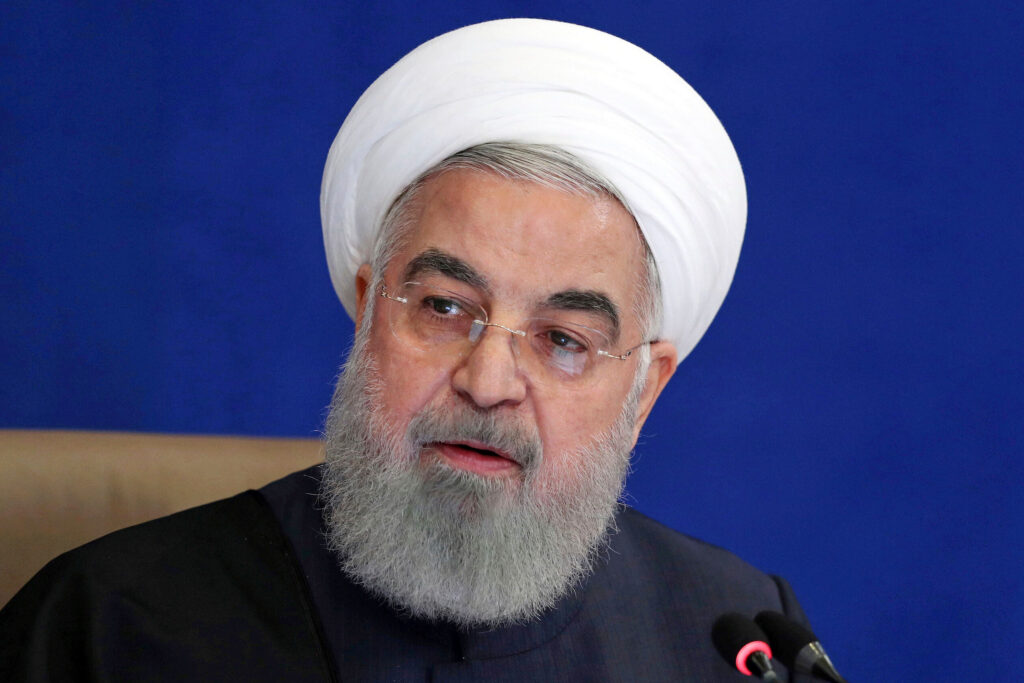
Here are the potential contenders to be Iran’s Supreme Leader
Associated Press
associated-press@denvergazette.com
Updated 19 hours ago
Iran’s leaders are scrambling to replace Supreme Leader Ayatollah Ali Khamenei, who ruled the country with an iron grip for 37 years before he was killed in the surprise U.S. and Israeli bombardment on Saturday. It’s only the second time...

Associated Press
Reporter

Hegseth: Iran conflict is ‘not endless’
Michelle L. Price
michelle.l..price@associatedpress.com
Updated 18 hours ago
WASHINGTON • Defense Secretary Pete Hegseth spoke Monday to worries that the U.S.-Israeli strikes in Iran could spiral into a protracted regional conflict by declaring that the war won’t be endless. “This is not Iraq. This is not endless,” said...

Michelle L. Price
Reporter