





EDITORIAL: Colorado’s air-quality snipe hunt

Getty Images
The next time someone admonishes you to “follow the science” in safeguarding the environment, you might tell them about the latest proceedings of the Colorado Air Quality Control Commission.
The commission, which plays a pivotal role in setting our state’s air quality standards, purports to be science driven. Yet, science had little to do with a new — and potentially costly — policy tentatively adopted by commissioners at a hearing last week. The commissioners admitted as much.
The policy could lead to onerous regulations on some key economic sectors like oil-and-gas production, wastewater processing and medical equipment sterilization. Yet, the commission’s designation Friday of five so-called toxic air contaminants for eventual regulation was based on little more than the commission’s expressed desire to appear sensitive to underprivileged communities.
That shouldn’t come as a surprise considering the whole category of supposed pollutants known as “toxic air contaminants” was conjured up in state law just a few years ago by the non-scientists who serve in Colorado’s Legislature. Their House Bill 22-1244 explicitly gave the commission marching orders to “identify by rule up to five toxic air contaminants that may pose a risk of harm to public health…”
That’s right; the Legislature sent state regulators on a hunting expedition without a clue as to what they were supposed to be looking for.
Under the gun from lawmakers, the commission’s staff came up with a short list of substances like formaldehyde and benzene. They’re among the many widely used compounds that may cause cancer or other maladies if consumed intensively in some form or fashion. But they likely are harmless to the public’s health in trace amounts in the air.
In fact, the 2022 bill’s summary makes clear lawmakers weren’t even sure whether any of the substances the state’s regulators might come up with were in the air at all. So, the bill charged the division with developing, “a monitoring program to determine the concentration of toxic air contaminants in the ambient air of the state.” A case of ready, fire, aim.
Lawmakers only seemed sure that whatever might be in the air should be regulated. Accordingly, health-based standards for the presumed contaminants will be developed by September of this year under the legislation, followed by the enactment of emission-control rules for those contaminants in 2026.
As reported by The Colorado Chamber of Commerce’s Sum & Substance news service, business leaders have been left to wonder why the state is moving ahead with regulations before it even knows how feasible or possible it is to control the compounds on the new list.
That didn’t matter to most of the commissioners, who also heard at Friday’s meeting from “environmental justice” activists claiming to represent north Denver’s low-income residents. The activists claimed the residents suffer from headaches and nosebleeds from contaminants.
Naturally, the activists support the pending regulations even though they, like the commissioners, haven’t any idea if the effort serves a purpose other than to saddle businesses with an impossible mandate.
As Sum & Substance also reported, one of the commissioners, pulmonary medicine Professor Tony Gerber, dared to speak up. He questioned the inclusion of hydrogen sulfide on the list of redlined compounds when no one was able to link it to any of the ills cited by activists.
But fellow Commissioners Jon Slutsky and Elise Jones weren’t about to let science — or even common sense — intrude. Slutsky said the regulations were about addressing concerned citizens’ mental health as well as their physical health. Jones said including hydrogen sulfide would let lower-income communities know the state is listening to them.
“We as a state are putting a huge priority on righting environmental wrongs and prioritizing communities that have been disproportionately impacted,” Jones said. “We don’t have to sit here and say there’s causality; we can sit here and say there’s concern. And I think that’s important in building trust.”
In other words, science be damned — it’s about politics.
The Gazette Editorial Board


EDITORIAL: Misplaced blame for Colorado’s ozone woes
The Gazette Editorial Board
thegazette-editorial-board@gazette.com
Updated 2 days ago
Colorado’s Front Range air quality problem is real. The smog often obstructs our view of the state’s natural beauty while impacting health conditions. Yet even as regulators target oil and gas development as the presumed source, the real ozone culprits...

The Gazette Editorial Board
Reporter
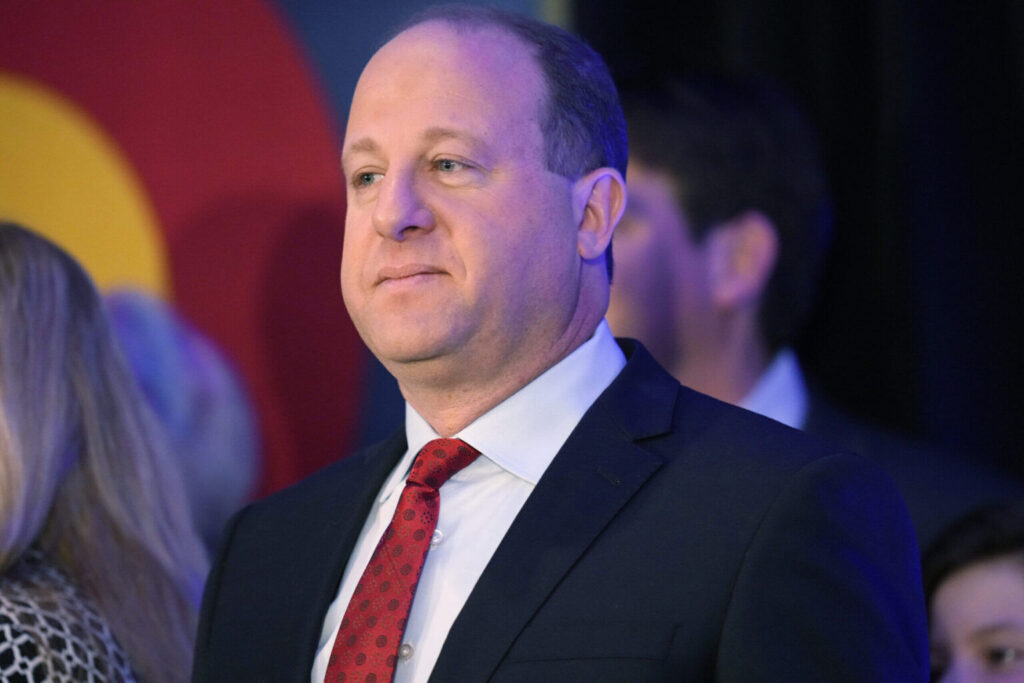
EDITORIAL: Jared Polis a ‘sleazebag’? No. Cagey, yes.
The Gazette Editorial Board
thegazette-editorial-board@gazette.com
Updated 2 days ago
It’s a good thing for Gov. Jared Polis that history or, at least, Wikipedia will have the last word on his political legacy. Because if it were up to President Trump, that last word — blasted out to millions via...
The Gazette Editorial Board
Reporter
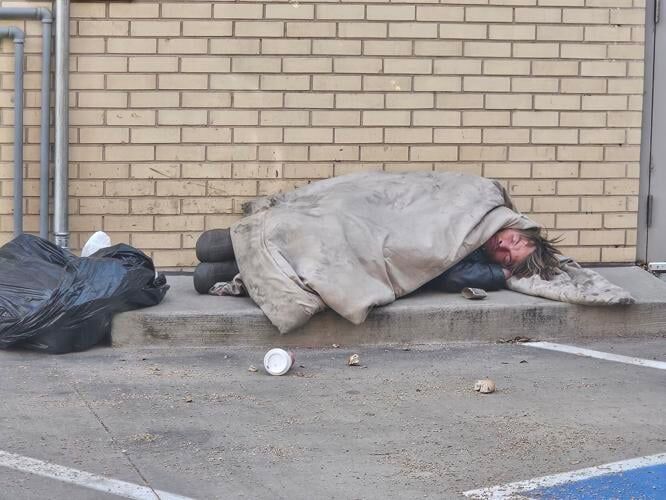
EDITORIAL: Handouts won’t help Springs homeless
The Gazette Editorial Board
thegazette-editorial-board@gazette.com
Updated 4 days ago
The Colorado Springs Homeless Union is at a crossroads. Not a labor union, the volunteer initiative endeavors to “present a unified voice” and “call for fair treatment” for our city’s homeless, as noted in a Gazette report last week. As...
The Gazette Editorial Board
Reporter
EDITORIAL: DPS’ fiscal affairs amount to fuzzy math
The Gazette Editorial Board
thegazette-editorial-board@gazette.com
Updated 3 days ago
A fresh audit of Denver Public Schools revealed a startling reality: Colorado’s largest school district owes more in long-term debt than it owns in assets. As The Denver Gazette reported last month, the 2024-25 fiscal year audit revealed DPS carries...
The Gazette Editorial Board
Reporter
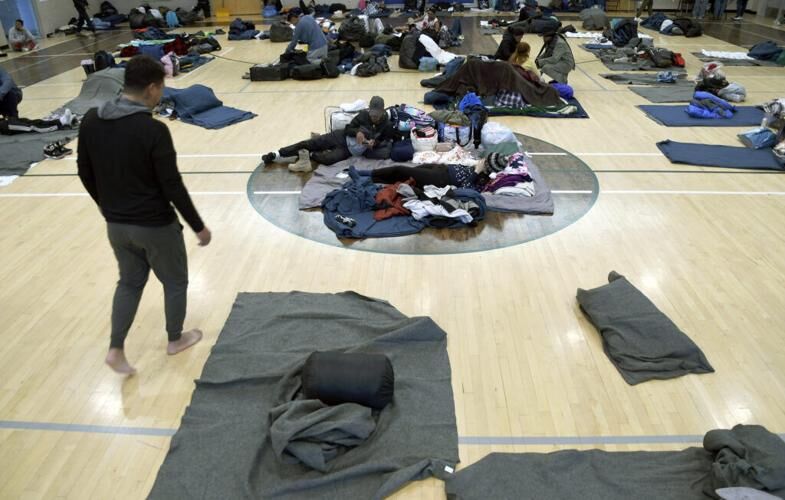
EDITORIAL: A get-out-of-jail pass for Colorado’s illegal immigrants
The Gazette Editorial Board
thegazette-editorial-board@gazette.com
Updated 4 days ago
Leave it to the ACLU and a sympathetic federal judge to fret over the arrests of illegal immigrants in Colorado — because the agents who made the busts didn’t show evidence in advance that the suspects posed a flight risk....
The Gazette Editorial Board
Reporter

EDITORIAL: Food stamps a ‘SNAP’ for Colorado’s illegal immigrants
The Gazette Editorial Board
thegazette-editorial-board@gazette.com
Updated 5 days ago
There’s no telling if the the latest lawsuit against the Trump administration by Democrat-leaning states — this time, challenging restrictions on food stamps for illegal immigrants — will find a sympathetic ear on the federal bench. Colorado’s Attorney General Phil...
The Gazette Editorial Board
Reporter

EDITORIAL: Retail theft robs all Coloradans
The Gazette Editorial Board
thegazette-editorial-board@gazette.com
Updated 1 week ago
Colorado shoppers are accustomed to it: You’re checking out as another “customer” walks by. With stolen items, they sidestep security personnel and cameras. Business carries on as usual; like a breeze, the shoplifters slip out the automatic sliding doors as...
The Gazette Editorial Board
Reporter
EDITORIAL: Another failure of justice, another Colorado tragedy
The Gazette Editorial Board
thegazette-editorial-board@gazette.com
Updated 1 week ago
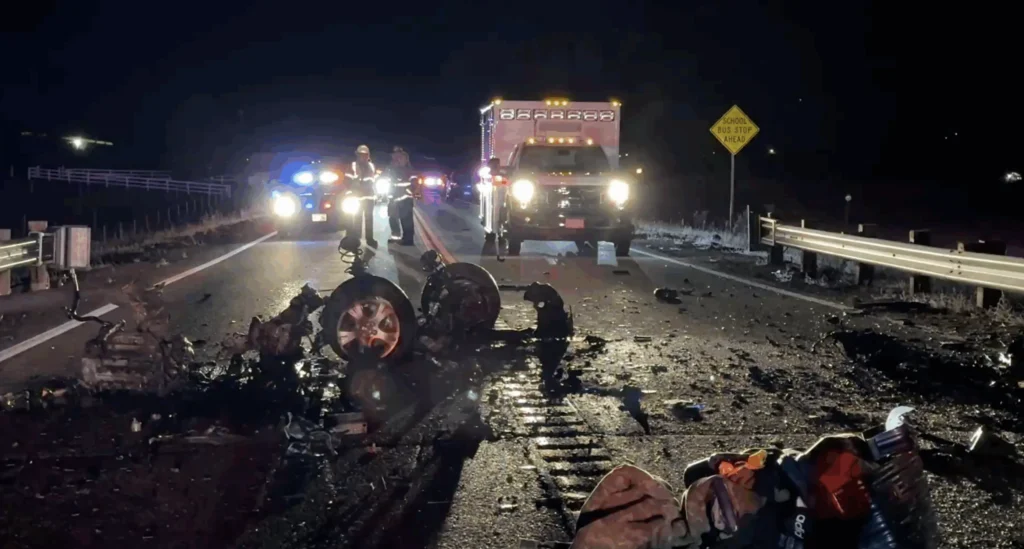
Just what does it take to keep a violent career criminal behind bars — and the public out of harm’s way — in the state of Colorado? Apparently, Walter Huling’s dozen-year record of violent and other serious crimes, including parole...
The Gazette Editorial Board
Reporter
EDITORIAL: Unleashing Colorado’s nuclear potential
The Gazette Editorial Board
thegazette-editorial-board@gazette.com
Updated 1 week ago
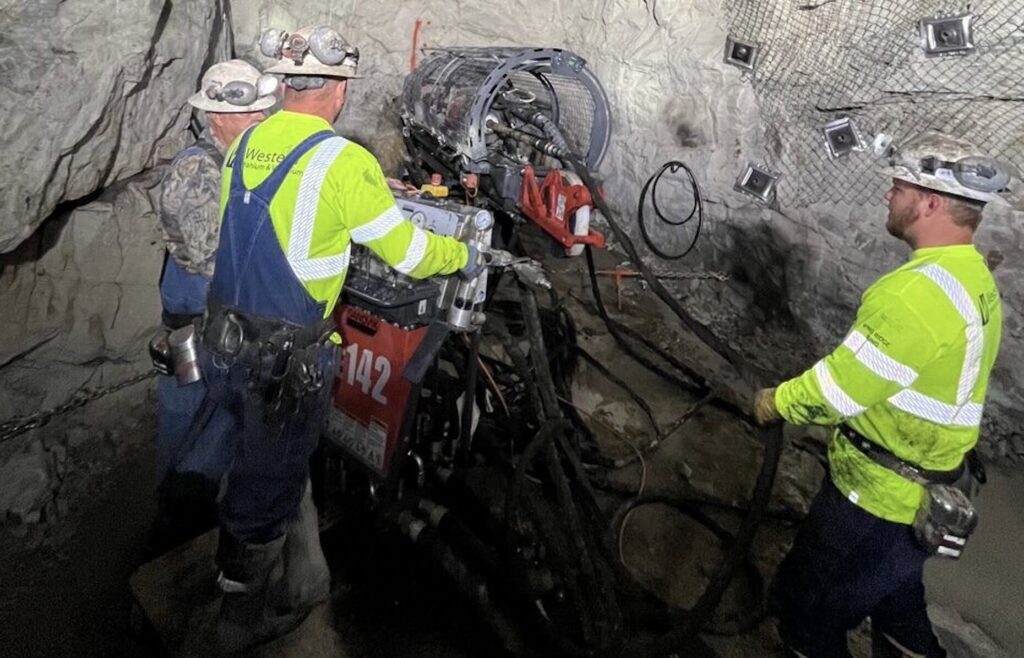
The energy revolution is here. Never before has Colorado been better positioned to embrace an all-of-the-above approach to powering homes, businesses and data centers — the kind championed by Energy Secretary Chris Wright, a Coloradan through and through. Oil remains...
The Gazette Editorial Board
Reporter

EDITORIAL: Coloradans have much to be thankful for
The Gazette Editorial Board
thegazette-editorial-board@gazette.com
Updated 2 weeks ago
Thanksgiving means getting together and breaking bread with loved ones. It is about family of all backgrounds, beliefs and political persuasions. Nothing in society is more important than family, no matter how anyone defines the concept. Family can mean blood...
The Gazette Editorial Board
Reporter
PREV
PREVIOUS

EDITORIAL: Will Polis stop organized labor’s overreach?
Labor unions claim to give workers a voice — except when it cuts into those unions’ bottom line. That’s when Big Labor’s bosses would rather workers keep their opinions to themselves. Hence, organized labor’s push this year to eliminate Colorado’s long-standing Labor Peace Act — and replace it with a new law to deny workers […]

EDITORIAL: ‘AI’ is big; Colorado mustn’t bungle it
“AI,” aka artificial intelligence, seems to be all around us and closing in fast. So fast that Colorado was among the first states last year to regulate the technology. After all, AI promises to revolutionize our lives. Wall Street Journal tech reporter Joanna Stern wrote from the World Economic Forum in Davos, Switzerland, last week […]