




Invasive species that can cause ‘ecosystem collapse’ addressed by Colorado officials
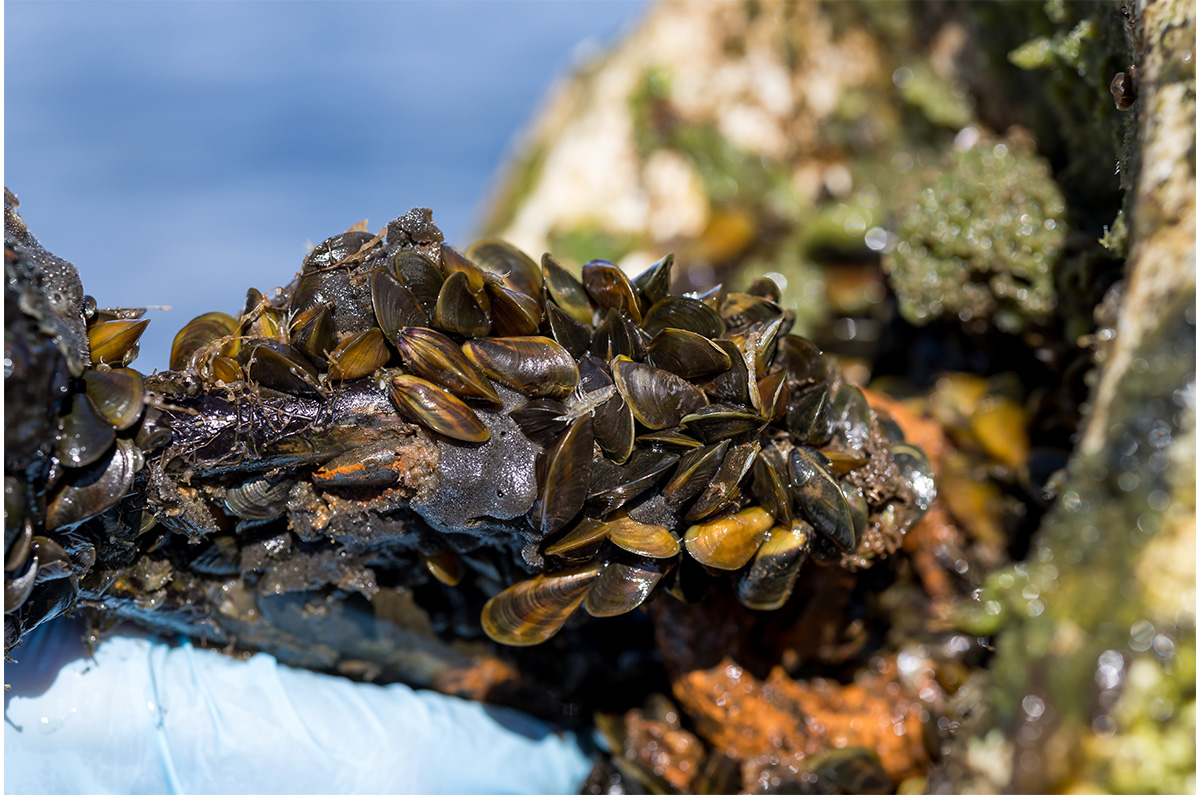
Preventing the spread of invasive species in Colorado’s ecosystems is crucial to the health of the state’s renowned natural spaces – and according to a recent announcement from Colorado Parks and Wildlife, another nuisance species was just added to the list of creatures to watch out for.
This week, Colorado Parks and Wildlife Director Jeff Davis assigned a temporary ‘aquatic nuisances species’ designation to the golden mussel (Limnoperna fortunei). The species is described as highly-invasive, and while it hasn’t been found in Colorado yet, the designation is designed to prevent its introduction into the state, giving Colorado Parks and Wildlife the authority needed to work toward that goal. Its designation makes it illegal to possess, important, export, ship, transport, release, or place the species in Colorado.
The negative impacts of the golden mussel are said to be greater than those of the zebra and quagga mussels, which have caused issues in Colorado in recent years. While the golden mussel hasn’t been found in the Centennial State, it has been discovered in several Californian waterways. A key way that the species spreads is via water-based equipment and watercraft that hasn’t been properly decontaminated, thus there’s concern that the species could be introduced into Colorado waters by boats traveling into the state.
The temporary designation of the golden mussel as an invasive species is set to last no longer than nine months. Longer-term regulatory solutions are currently being considered.
Golden mussels are native to waterways in China and Southeast Asia, though the species has established populations in South America, as well. The species’ ability to tolerate a wide range of water environments has made it easier for the species to spread.
Key problems associated with the species include risks to infrastructure and the local food chain in a way similar to other invasive mussels, though the impacts of the golden mussel could be even greater. For example, the golden mussel is said to filter water to obtain nutrients at about 10 times the rate of zebra and quagga mussels – in other words, the species can remove crucial nutrients that native species rely on to survive even faster, leading to potential ecosystem collapse.
As always, it’s crucial for boaters and water recreators to properly clean, dry, and decontaminate gear between adventures – especially before entering a different body of water. This is hugely important for preventing the spread of invasive species.
Get OutThere
Signup today for free and be the first to get notified on new updates.
PREV
PREVIOUS
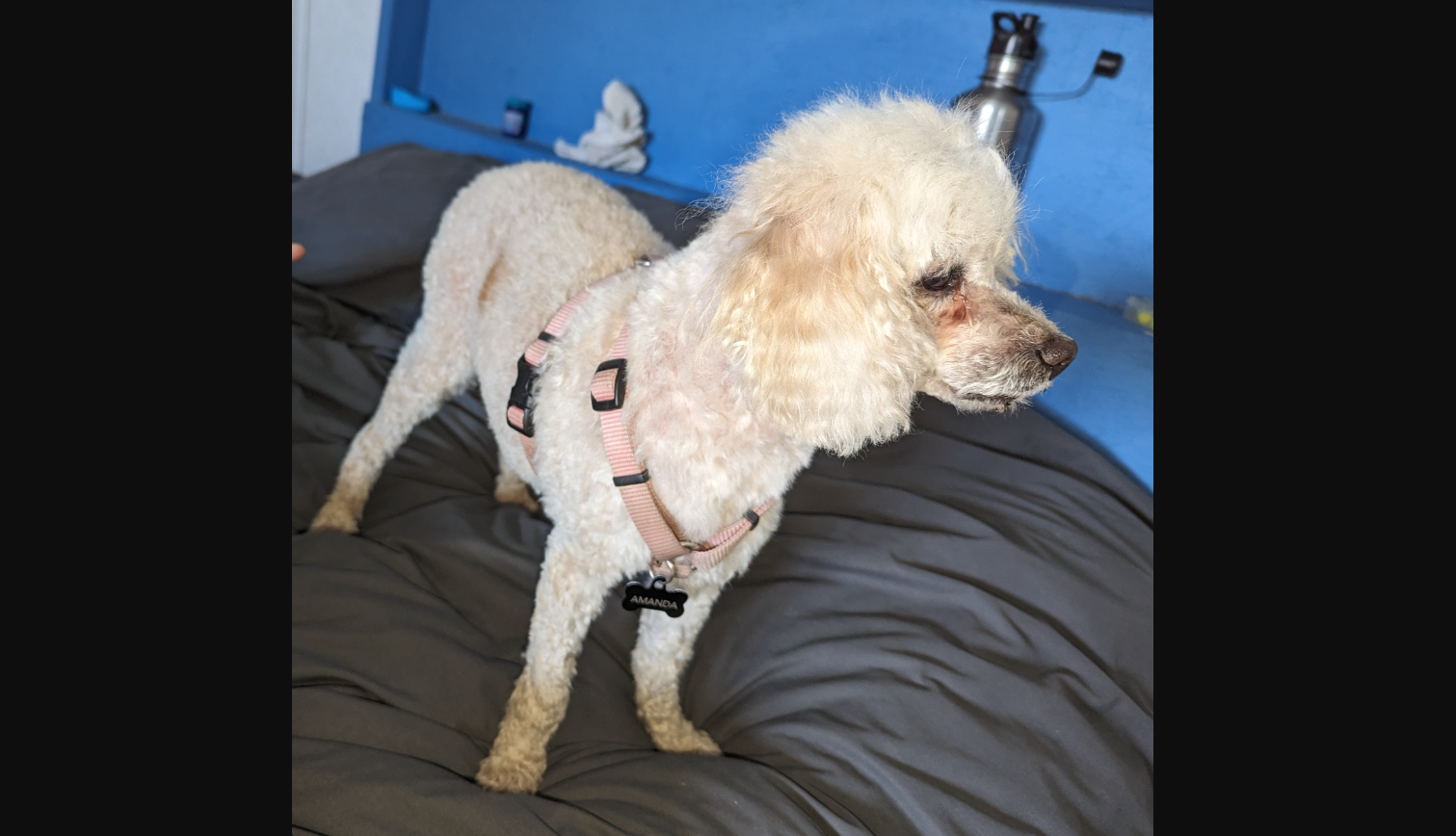
Police search for off-leash dog that killed senior pup on Colorado trail
The Boulder Police Department is asking the public for help in tracking down a suspect dog that’s been blamed for an attack that resulted in the death of a 15-year-old toy poodle. According to a report about the incident, the attack occurred on February 2 at about 3:30 p.m. A man reports that he was […]

Sound baths, wolves and nature: 6 unique ways to celebrate Valentine's Day this year in Colorado Springs
While there are plenty of romantic ways to spend Valentine’s Day around the Springs, some may be seeking a little extra adventure. Here’s a list of some of the more unique ways to celebrate love day: Learn about “The Lovers” at Colorado Wolf and Wildlife Center (9-11 a.m. Sunday; 4729 Twin Rocks Road, Divide; $40; […]