







Out of Africa to Denver: An art collection exhibits history, mystery and identity
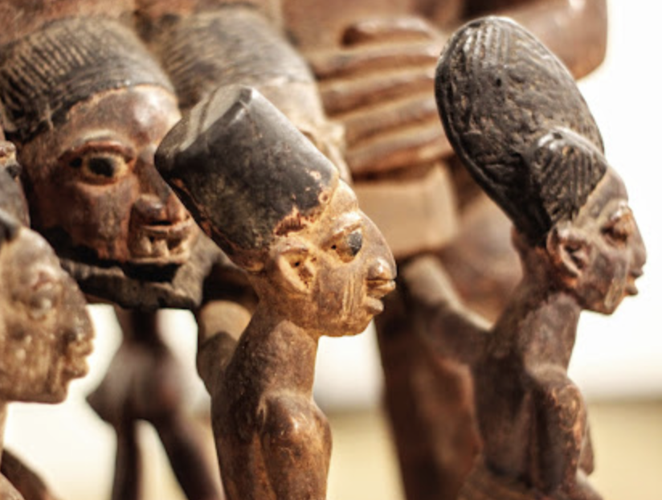
The Denver Center for African Art exhibits an array of works in wood, along with ceramics and textiles. (Courtesy photo, J.C. Futrell)
Courtesy photo, J.C. Futrell
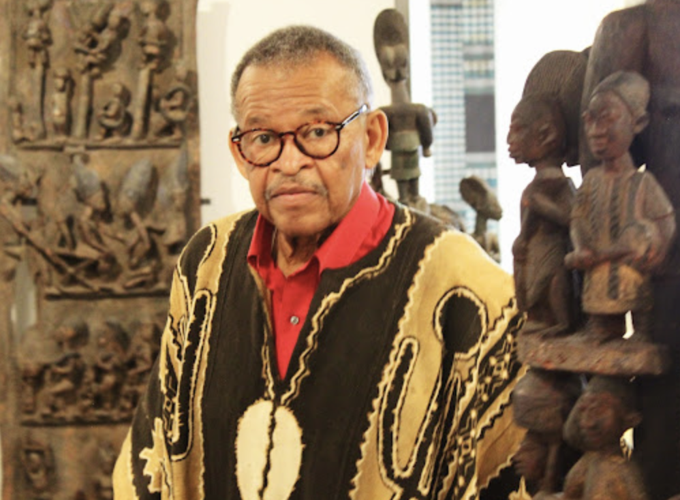

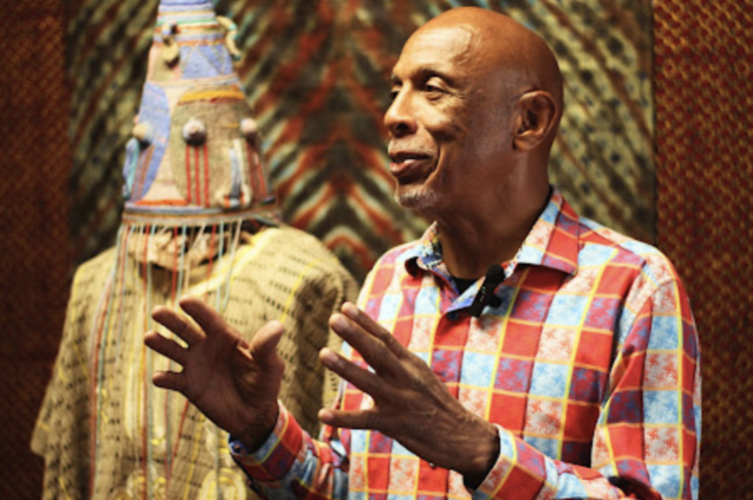
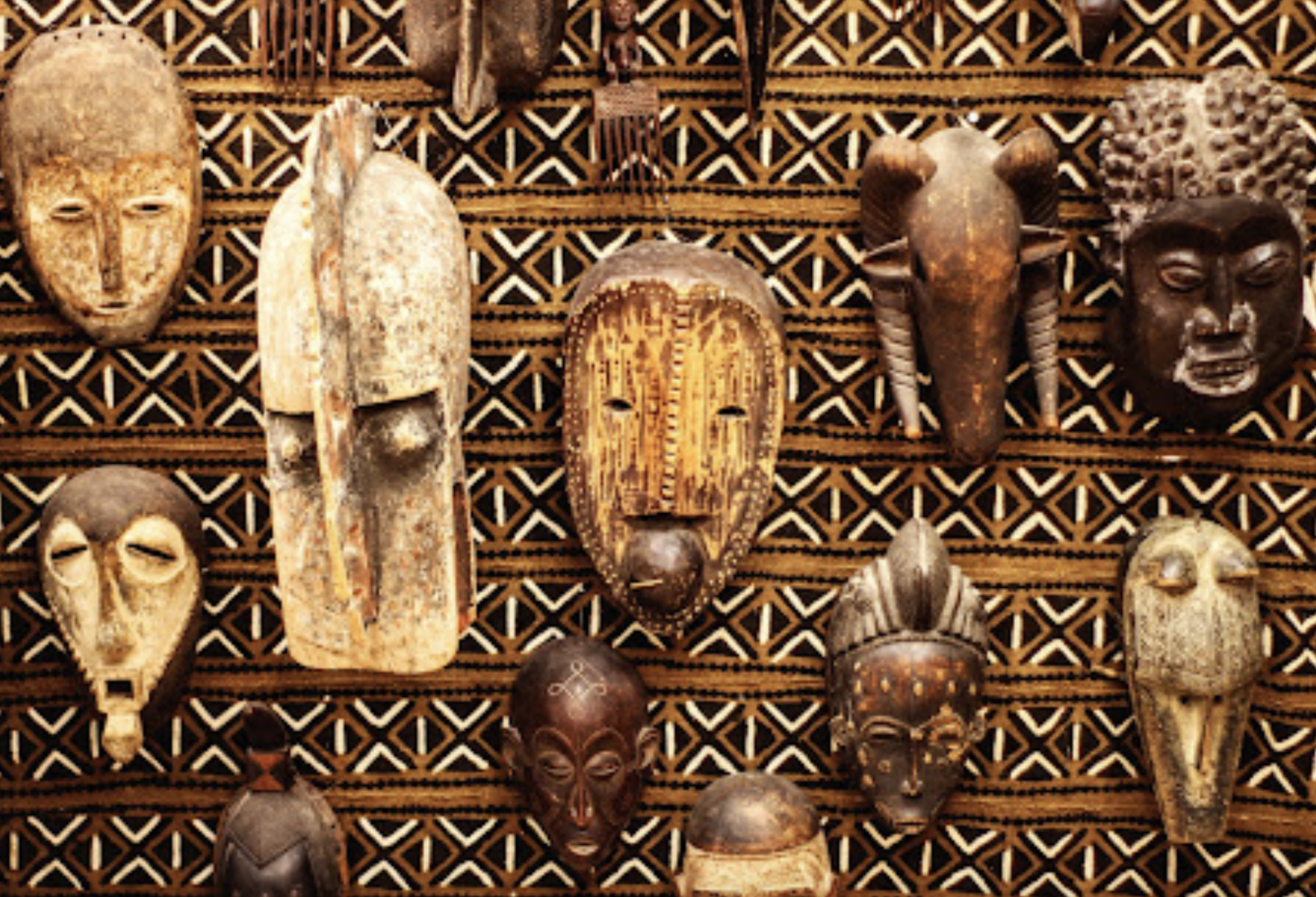
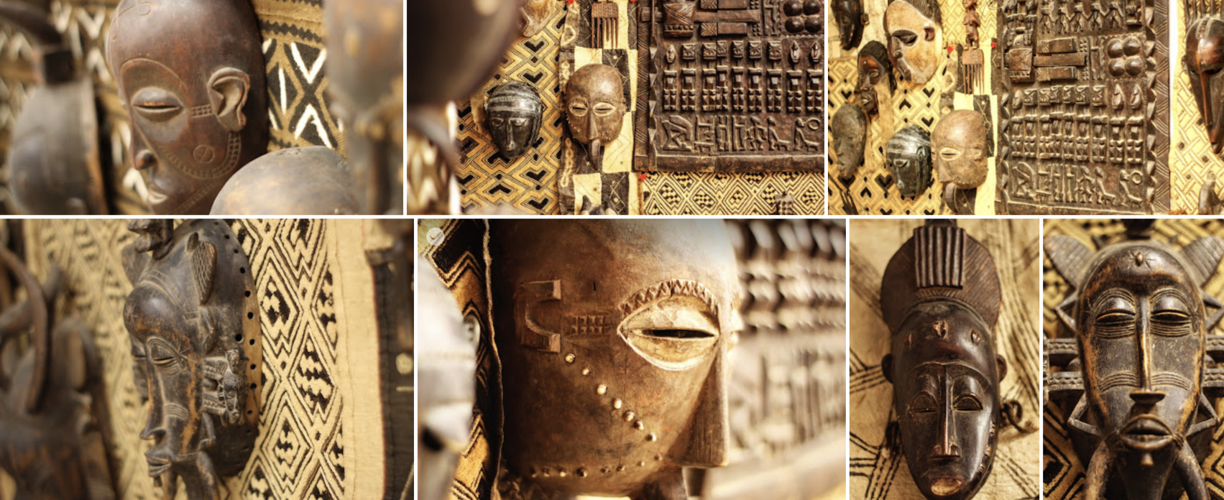
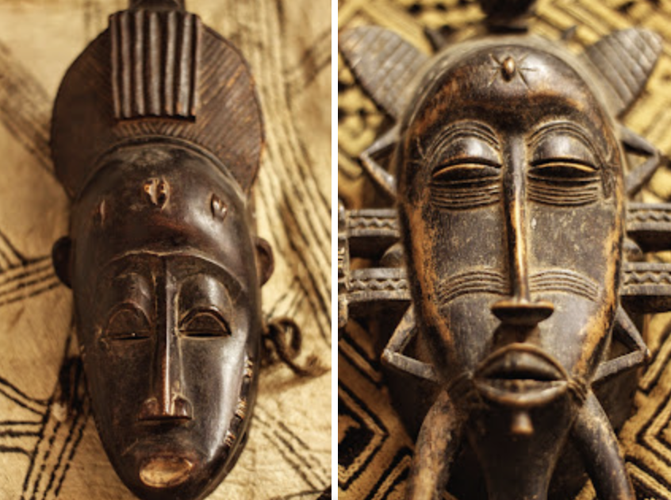
Paul Hamilton’s 1905 house near Denver’s City Park exhibits African art in every room except the bathroom. And Hamilton has not just two or three pieces, or 10 or 12, but scores of African artworks in every room.
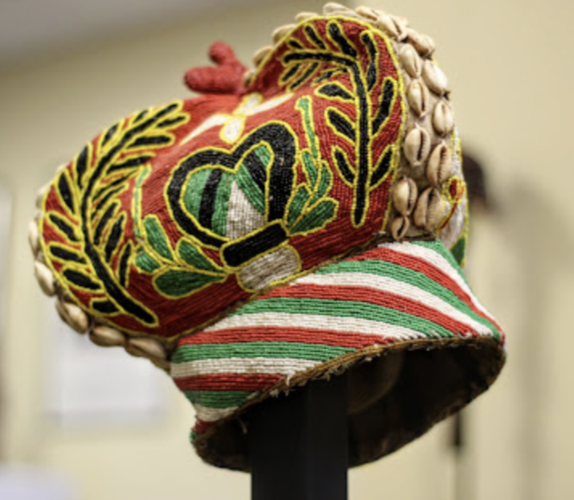
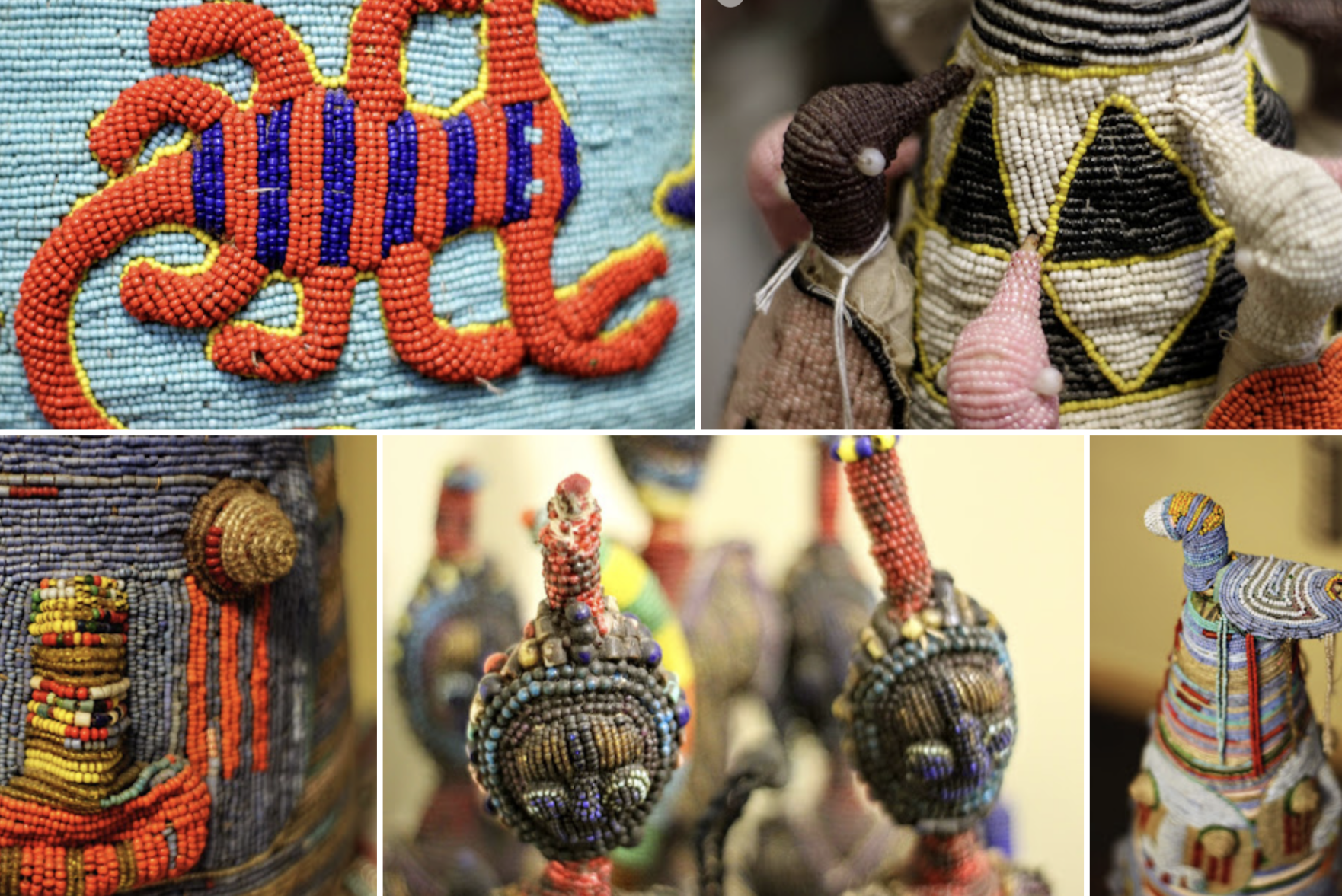
The Paul L. Hamilton Collection of African art includes more than 1,300 traditional artworks — mostly wooden ceremonial sculptures, but also metal works along with African textiles. Some art is adorned with feathers, seashells, brass bells, glass beads, plant seeds, animal teeth or bones.
“I bought my first piece in the late Eighties, but the real madness began about 15 years ago,” said Hamilton, a Colorado native who wore a woven African garment during our interview to ward off February’s cold.
In addition to his home where he’s lived since 1969, part of Hamilton’s collection is exhibited publicly at the Denver Center for African Art (DCAA). He conceived of the nonprofit brainchild in 2013, together with other local Black community leaders, and the DCAA opened in 2023. The DCAA will host an open house from 5 to 8 p.m. on Friday and from 12 noon to 4 p.m. Saturday, and also from 5 to 8 p.m. on Feb. 28 at 7050 Montview Boulevard in the Park Hill neighborhood on the extended campus of the Denver School of the Arts.
First and foremost, the DCAA presents gallery after gallery of beauty: a wide array of exquisitely detailed sculptural beadworks, intricate wood carvings, a sampling of rustic ceramics and dazzling textiles ranging from indigo tie-dyed patterns to lavishly embroidered silks.
At the behest of Denver’s Black leaders, Hamilton served two terms as a Colorado state legislator representing Five Points from 1969 to 1973 — tumultuous times in the U.S.
“The day after I decided to run for office, Martin Luther King was assassinated,” Hamilton said.
Eventually forsaking politics for education, Hamilton — born in Pueblo in 1941 — spent the majority of his career teaching every level from preschool to college courses at his alma mater, the University of Denver, where he earned his Bachelor’s and Master’s degrees. Hamilton went on to take a doctorate in Education from University of Northern Colorado in 1975, but his favorite subject is African art. He is the author of “African Peoples’ Contributions to World Civilizations: Shattering the Myths,” first published in 1993.
Africa values its artists
In Africa, artists enjoy esteem, Hamilton explained.
“After the king, and the priests, the artists have the highest status. But in African tradition what we call ‘art’ they didn’t have. These things were mostly part of ritual,” he said. “They probably were created by people who used them —not for galleries or collectors or tourists.”
Each piece in the DCAA collection has its own story. Each holds a sense of wonder, every artwork now half a world away from where it was created. Hamilton added that in Africa, traditional arts permeate the culture.
“In Western culture, we emphasize individualism, and we separate everything out: the school is over here, the art museum over there, the church another place. In African culture, it all flows together.”
Hamilton’s personal library includes about 3,000 books and periodicals. He himself is a walking encyclopedia of African art. Soon to turn 84, he traveled to Africa as a college student. More recently, he had his DNA tested, revealing his African ancestry predominantly rooted in the Ivory Coast/Ghana and Cameroon/Congo. Hamilton is a proud father and grandfather, as well as a longtime meditation practitioner.
He credits Peter Natan with his start as an African art collector. Natan owned the Peter Natan Gallery in Denver and as an appraiser was affiliated with the Denver Museum of Science and Nature.
Hamilton said: “I didn’t know much about art or African art, but I began to see some of it and then ran into Peter — a Jewish man who had a gallery and was well known. Some of his pieces are in the Denver Art Museum. He began to teach me about African art and introduced me to some traders.”
African art inspired Picasso, Modern art
Hamilton learned about the influence of African art upon Modern art, and he points to Picasso’s African period.
“Picasso and his friends at the turn of the century saw African art and realized it was art — not craft,” said Hamilton. “They were so inspired they created Modern Art generated from African art and other traditional cultures. The Europeans were painting landscapes and portraits and moving a bit into abstraction. But Cubism freed them from all the rules so they could take a face and add three eyes and work from a spiritual point of view versus the natural thing. It was a big opening inspired by African art.”
The African aesthetic — rich in texture, color and composition — adorns royal costumes, utilitarian objects, architectural features, ceremonial vessels, masks, puppets and board games. Hamilton’s collection is historical, mystical and one of the American West’s largest exhibits of masterworks from Ghana, Mali, the Ivory Coast and elsewhere on the immense continent.
On Feb. 1, Jean-Claude “J.C. Futrell opened the doors of the DCAA. Futrell, a multi-hyphenate creative, is the grandson of the late Lt. Col. John W. Mosley — a Denver native and a member of the distinguished Army-Air Force Tuskegee Airmen — and Edna Mosley — the first person of color elected to the Aurora City Council.
Why Black History Month is celebrated in February
“Today is the first day of Black History Month, and 2025 is going to be big for the Denver Center for African Art,” said Futrell. He noted that Carter G. Woodson (1875–1950) founded Negro History Week in 1926, and President Gerald Ford expanded the celebration into Black History Month in 1976.
“February was chosen because it is the birth month of Abraham Lincoln and Frederick Douglass,” Futrell said.
The collection at DCAA includes artworks ranging from religious ceremonial vessels to kitchen vessels, yet all contain an essence of the sacred.
“Everything stems from divine imperative,” said Yaking Masani, the DCAA collection manager who also is one of the lenders to the exhibition.
Masani worked closely with Houston-based Eileen and Craig Fasharo, an internationally recognized appraiser and collector of African art.
“He is the world’s leading authority on African art, internationally respected,” said Masani. “He appraised and curated our collection.”
The DCAA’s collection holds particular appeal for Africans and African Americans, yet the art reminds visitors that modern humans share a common ancestry with homo sapiens from Africa. The DCAA mission statement emphasizes the intention to “serve as an internationally respected institute, enabling African Americans to reconnect with their ancestral roots, while inviting people from all walks of life to forge meaningful connections with our shared human heritage of mother Africa. Through DCAA, all are invited to learn about, honor and celebrate the rich tapestry of African art, culture and history.”
The DCAA website also includes the phrase “committed to imagining all that is possible.”
Hamilton imagines a permanent site for his vast collection, his library and his vision. All of the works in his collection are for sale, yet Hamilton has a dream: a Denver cultural center and museum in which the African art will be not only on display, but shown in use as intended, with a backdrop of music, a multi-sensory experience that connects visitors with African heritage, the heritage of humanity.
Africa’s heritage is humankind’s history
In “African Peoples’ Contributions to World Civilizations,” Hamilton documents in scholarly fashion that African people inhabited Ancient Egypt, influencing Greek, Roman, Hebrew, early Christian and Muslim cultures.
In the opening paragraph of the epilogue to his book, Hamilton wrote: “Does it really matter to African people (or to anyone) that humanity began and developed in Africa, that the ancient Egyptians were African people with an African culture, that African people were in the Americas thousands of years before Columbus or that one of the major roots of Western civilization was African? Yes, it matters!”
“I’m hoping to sell and keep this collection in Denver, instead of it going to New York City or Houston,” Hamilton said. “I want to make this art available to a huge audience.”