


10 common pitfalls that can lead to getting lost on a hike
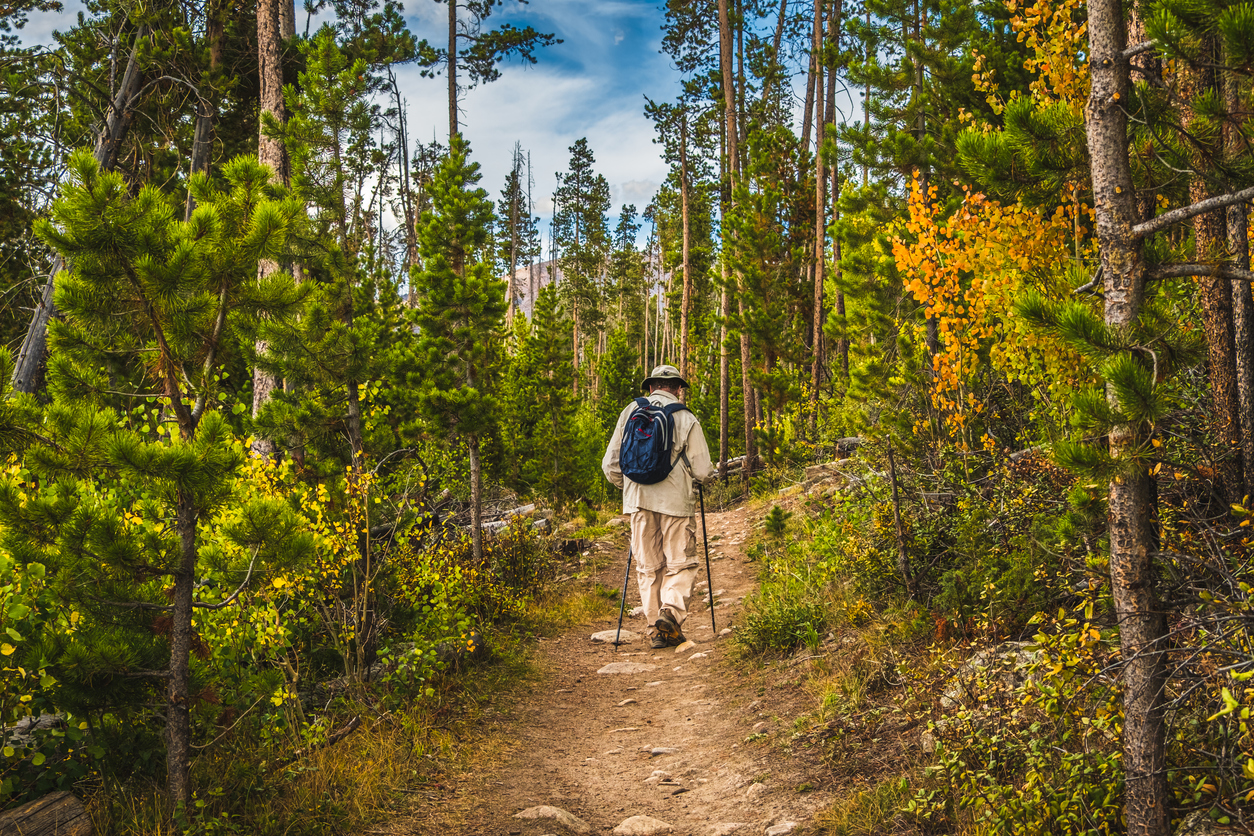
Although hiking can be a dangerous activity, knowing how to mitigate potential hazards and careful planning can decrease some of the risk.
Given that many hikes involve exploring new areas, it’s important to take steps that can prevent getting lost and to know what to do if that happens.
Here are some common pitfalls that lead to getting lost on the trail:
1. Assuming tracks in the snow will stick around
Weather and trail conditions can change rapidly during winter months, so don’t completely rely on retracing your tracks on your way back. Melting snow, fresh flakes, and wind can cause tracks to disappear, so make sure you pay attention to your route and know how to get back to the trailhead. Taking a mental note of landmarks you’ve passed can be helpful.
2. Not bringing navigation tools
Make sure to bring a reliable navigation tool such as a map and compass or a GPS device, and learn how to use them. You can also study the trail ahead of time so that you already know the general area. These tools are also important to have in case of another emergency so you can communicate where you are to search and rescue teams.
3. Getting separated from your group
If you’re hiking in a group everyone should be sure to make an effort to keep the others in sight and make sure everyone is accounted for. Groups can also make a plan for what to do if someone does get separated. This will minimize the risk of separation and ensure everyone stays safe.
4. Altitude sickness
As well as headaches, vomiting, dizziness, and fatigue, altitude sickness can cause confusion, disorientation, and impaired decision-making. This puts hikers at a greater risk of getting lost or injured. Hikers should acclimatize gradually, make sure they stay hydrated, eat enough calories, and avoid overexertion. Make sure to stop and rest at the first signs of altitude sickness.
5. Not preparing properly
Make sure to pack the ten essentials, research your route, and share your plans (including your planned route and expected return time) with someone not going on the hike.
6. Not checking the weather
Research the forecast before planning your hiking trip. Whether it’s snow, rain, or heat, getting stuck in extreme weather can be extremely dangerous and lead to getting lost. It’s also important to pay attention to weather signs, including clues like increasing winds and developing cloud cover. It’s better to turn back early than get stuck in a storm.
7. Taking shortcuts
Stay on the trail. Don’t wander off the trail and get lost trying to follow a shortcut – this can not only lead to getting lost, but can also be bad for the environment.
8. Not knowing your limits
Stick to hikes that are in your skill and experience level. Make sure to know your limits to avoid exhaustion and other mishaps that could lead to getting lost.
9. Be aware of your surroundings
Take note of landmarks and distinguishable features as you hike so you know what to look for on your way back.
10. Continuing to move if you do get lost
Stop as soon as you realize you might be lost. Do not walk around aimlessly. If you are on a trail stay on it. Think about how you got to where you are and try to spot landmarks you recognize. Only move if you are very confident in the route.
What to do if you do get lost:
- Stop moving, this often leads to only getting more lost
- Contact emergency services. Search and rescue teams would rather have you reach out sooner than later. Waiting can tend to make a situation worse.
- Don’t panic
- Utilize tools such as a whistle to make anyone who might be around you aware of the situation
STAY INFORMED: Get free Colorado news with our daily newsletter (Click here)
Get OutThere
Signup today for free and be the first to get notified on new updates.