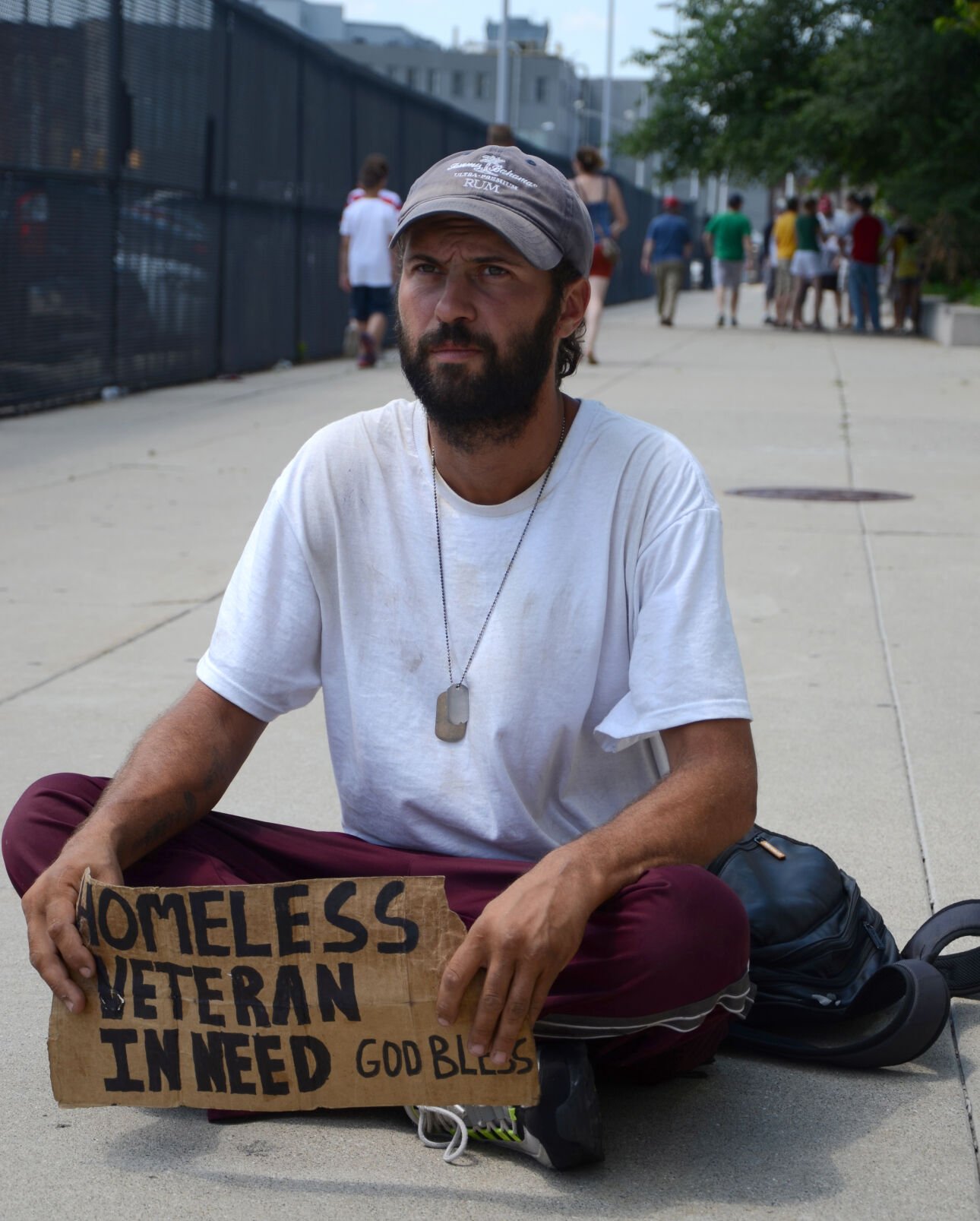
Behind Friendly Lines: Housing resources some veterans don’t know about
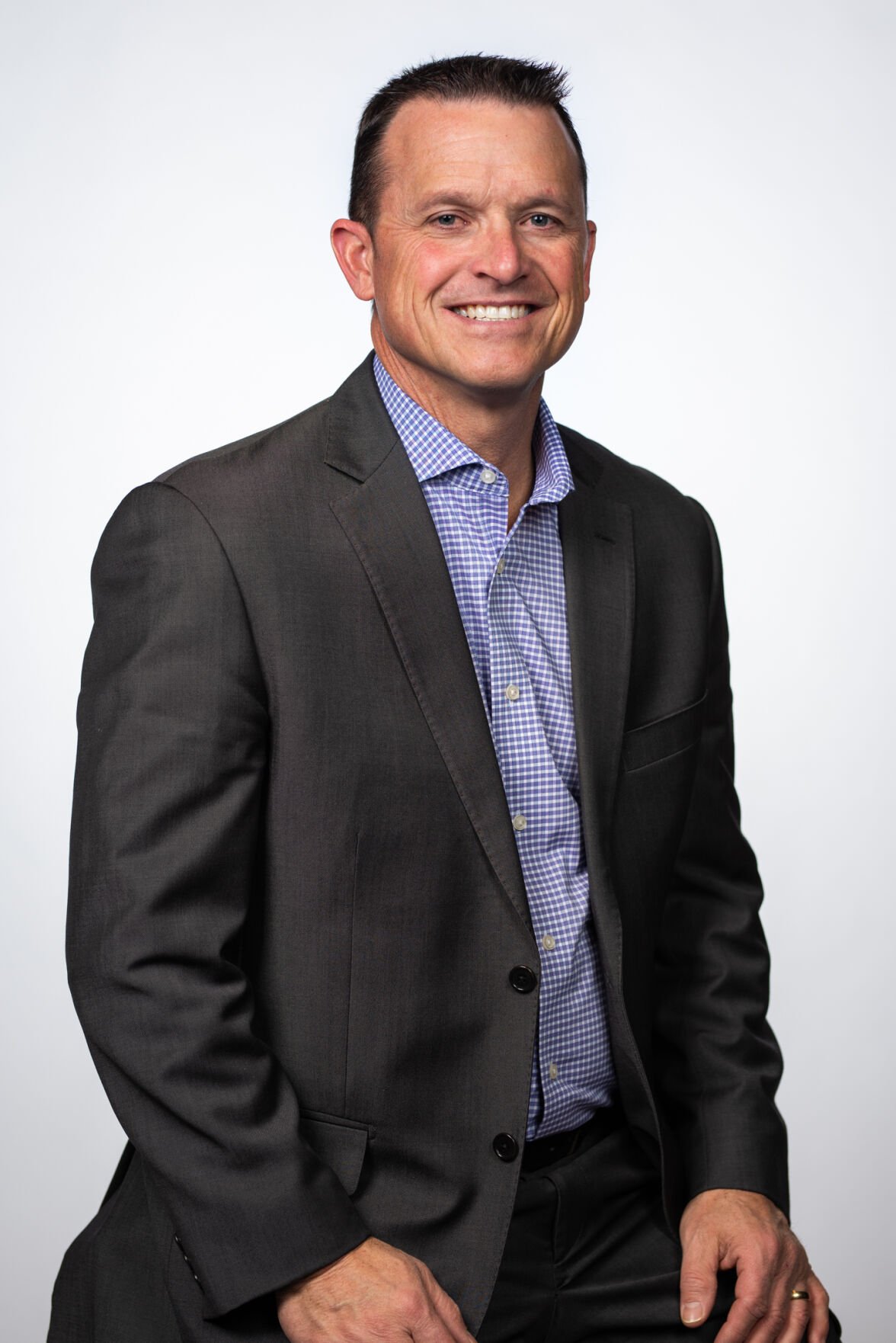
In winter 2022, Nathan Hansley and his girlfriend were evicted from their Denver apartment. That night, they slept outside in single-digit temperatures near the state Capitol, commencing a four-year journey of homelessness for the U.S. Army veteran.
“I’ve never been homeless before … I didn’t know what to do. I just broke down,” Hansley said. “I just didn’t ask anybody at the time for help.”
But then he met Lauren Lapinski, a social worker at VA Eastern Colorado Health Care System, who listened to his story, identified barriers he was facing, and began connecting him with resources like food, clothing, housing, and the benefits he earned as a 19-kilo (armor crewman/tank gunner) during his time in service.
This type of VA support is happening in Denver and across the country for our veterans. But that’s not necessarily the case for the rest of the population.
Each year during the final week in January, the U.S. Department of Housing and Urban Development conducts a Point-in-Time count, an annual snapshot of the number of individuals in shelters, temporary housing and unsheltered settings.
Across the United States, more than 770,000 people were homeless on a single night in January 2024, an 18% increase from 2023. However, homelessness among veterans in the U.S. dropped to the lowest number on record: 32,882, a nearly 8% decrease from the year before.
VA’s Homeless Programs Office serves as the backbone of the federal response to end veteran homelessness. Their veteran-centered services empower veterans and enable their independence, assisting veterans and their families in securing permanent and sustainable housing with access to high-quality health care and supportive services.
Their new One Team Approach draws on the lessons, best practices and successes from the past 15 years to help communities improve the efficiency and effectiveness of their homeless services. This integrated approach means more veterans will find stable, permanent homes and fewer veterans will be homeless.
The result? Since 2010, the number of homeless veterans in the U.S. has declined by more than 55%, a record low. Beyond that, since 2015, a total of 85 communities and three states (Connecticut, Delaware and Virginia) have achieved effective ends to veteran homelessness.
In Denver, Lapinski and her community partners are also working to reach “functional zero” for veteran homelessness, a milestone that indicates fewer veterans are homeless than are routinely finding homes at any given time.
According to Community Solutions, a nonprofit that tracks homelessness, since 2015, 13 communities have achieved functional zero for veteran homelessness, two of which are in Colorado:
Abilene, Texas (2018); Arlington County, Va.(2015); Bergen County, N.J. (2017); Chattanooga, Tenn. (2019); Crater Region, Va. (2021); Douglas County (Denver metro), Colo. (2024); Fremont County, Colo. (2021); Gulf Coast Region, Miss. (2015); Lake County, Ill. (2018); Lynchburg Region, Va. (2020); Montgomery County, Md. (2015); Norman/Cleveland County, Okla. (2017); and Rockford/Winnebago County/Boone County, Ill. (2015).
Just as we’ve seen through the collaboration and dedication of partners in Douglas and Fremont counties, we can all contribute to ending veteran homelessness. Here are a few ways you can help:
If you know (or are) a veteran who is homeless or is at imminent risk of becoming homeless, call the National Call Center for Homeless Veterans at 877-424-3838 for assistance. You can talk with trained counselors 24 hours a day who can talk with you immediately.
If you’re a landlord or housing provider, consider housing partnerships to provide veterans with access to affordable housing options (https://www.va.gov/homeless/landlords.asp).
If you’re a business owner, work with VA to provide veterans having finding homes with opportunities to obtain a stable job and steady income by working with the local community employment coordinator (https://www.va.gov/homeless/cec-contacts.asp).
And to everyone else, add the call center’s number to your phone, 877-424-3838, and use it if you know of homeless veterans.
Thanks for allowing me to walk alongside you behind friendly lines.
Victory!