





Year-round gardening: Selecting seeds for success
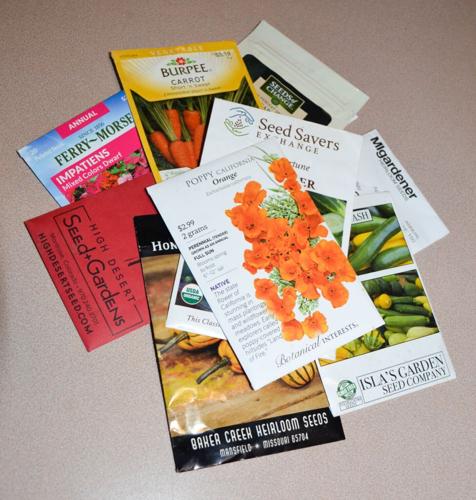
With the holidays behind us, our mailboxes are overflowing with seed catalogs. The multitude of varieties can be overwhelming, but choosing good-quality seeds is important for successful gardening. Consider these tips when choosing seeds to increase the likelihood of success in your garden.
• Know your local climate. Colorado State University posts climate summaries that show average frost dates to help you determine your time to start seeds and the harvest window. For some vegetables like tomatoes, peppers and eggplants, the days to maturity are from the time of transplant, not from the date the seed was started. Choosing seed varieties with shorter harvest windows is helpful in Colorado due to our shorter growing season and volatile weather patterns. See: https://cmg.extension.colostate.edu/Gardennotes/743.pdf
• Know your hardiness zone. The USDA Plant Hardiness Zone Map is the standard by which gardeners and growers can determine which perennial plants are most likely to thrive at a location. The map is based on the average coldest temperatures. Discover your hardiness zone by ZIP code and seek out seeds for perennials that are appropriate for that zone. https://planthardiness.ars.usda.gov
• Manage some plant diseases through seed selection. Some diseases, especially soil-born ones, can linger in soil for many years. Seed catalogs are a great source of information for many disease-resistant varieties (eg. rust-resistant beans or blight-resistant tomatoes). Choosing a resistant variety does not guarantee your plants won’t get the disease, but it does increase the chances of successful food production.
• Purchase seeds from a reliable source. A good seed catalog (or independent garden center) will offer far more site-specific seed variety options than national big-box stores, and seed purchased from dependable sources will provide a good start toward a bountiful harvest.
Another good source of information is the All-America Selection, a nonprofit organization that has established trial gardens throughout the United States. Each winter it announces new winning varieties, species or strains of outstanding annuals, vegetables and bedding plants that were grown and judged on their performance. See: https://homegarden.cahnr.uconn.edu/tag/seed-selection/
• Remember, bigger packets are not always better deals. Even under ideal storage conditions, seeds have a shelf life. Different types of seeds differ significantly in the time they remain viable. With increasing seed costs, it’s important to order sufficient seed yet not waste it or plant more than needed. Seed longevity and viability, seeds per weight, and seed storage requirements can be found here: https://extension.colostate.edu/topic-areas/yard-garden/storing-vegetable-and-flower-seeds-7-221/
• Follow planting instructions on seed packets. This is important because it helps you choose the right seeds for your garden, and it helps you get the most out of your plants.
Submit gardening questions to csumg2@elpasoco.com or call 719-520-7684. The in-person help desk is closed for the season.

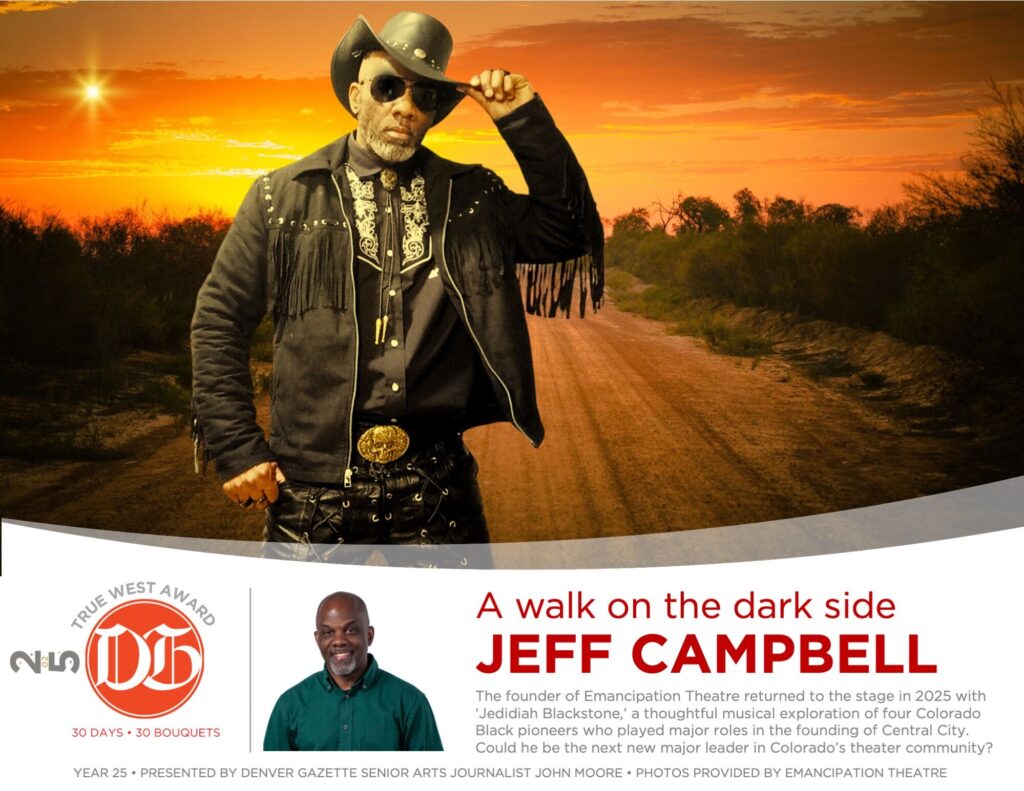
The next Nickelson? Your new white knight just might be a Black Cowboy
John Moore
john.moore@denvergazette.com
Updated 6 hours ago
2025 DENVER GAZETTE TRUE WEST AWARDS: DAY 4 The founder of Emancipation Theatre ‘is a prophet,’ says Denver blues legend Erica Brown’ I asked “the” Erica Brown how she would introduce formidable independent Denver theater practitioner Jeff Campbell to a...

John Moore
Reporter

Splurging, exploring and enjoying: 48 hours in Steamboat Springs
Seth Boster
seth-boster@denvergazette.com
Updated 1 day ago
For the truest sense of Steamboat Springs, you might want to mark your calendar for early February. That’s the scheduled return of Winter Carnival, the weeklong celebration of ski jumping, parading, dancing, s’mores-eating and more. “It’s our Super Bowl,” an...

Seth Boster
Reporter

Mission possible: Phamaly alumni made national impact in ’25
John Moore
john.moore@denvergazette.com
Updated 11 hours ago
2025 DENVER GAZETTE TRUE WEST AWARDS: DAY 3 From film to Broadway, Denver disability artists ‘are living proof that anything is possible’ When five students created Denver’s first disability theater company back in 1989, it was to create performance opportunities...
John Moore
Reporter

Mayo Clinic scientists create tool to predict Alzheimer’s risk years before symptoms begin
Mayo Clinic News Network
mayo-clinic-news-network@gazette.com
Updated 1 day ago
ROCHESTER, Minn. — Mayo Clinic researchers have developed a new tool that can estimate a person’s risk of developing memory and thinking problems associated with Alzheimer’s disease years before symptoms appear. The research, published in The Lancet Neurology, builds on...

Mayo Clinic News Network
Reporter

Savvy Senior: How to locate an age-friendly doctor
Miller Jim Miller, Special to The Gazette
jim-miller@gazette.com
Updated 1 week ago
Dear Savvy Senior, My husband and I are relocating to a nearby state to be closer to our daughter and will need to find a new primary care physician when we arrive. We are both in our late 70s and...


Red alert: After 24 years, Rattlebrain is tying Santa’s ‘Sack’
John Moore
john.moore@denvergazette.com
Updated 1 day ago
2025 DENVER GAZETTE TRUE WEST AWARDS: DAY 2 More than 35,000 have enjoyed Dave and Jane Shirley’s irreverent seasonal sketch comedy When funnyman Dave Shirley told me his venerable if itinerant Rattlebrain Productions will be opening up its smirkily-titled seasonal...
John Moore
Reporter

Matt Zambrano: Last by letter, first by feats
John Moore
john.moore@denvergazette.com
Updated 2 days ago
2025 DENVER GAZETTE TRUE WEST AWARDS: DAY 1 Here’s every brilliant thing busy and beloved actor and director did this year Matt Zambrano is such a nice guy, he will give you the shirt off his back – and the words...
John Moore
Reporter
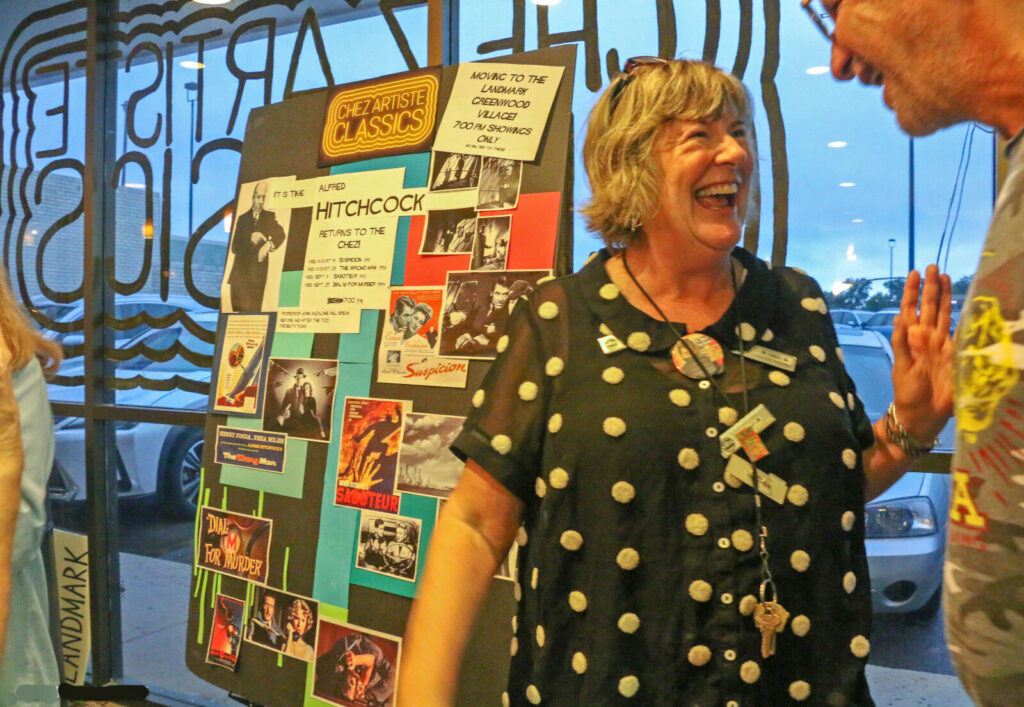
Roll credits: ‘The Chez Lady’ is leaving Landmark’s Mayan Theatre
John Moore
john.moore@denvergazette.com
Updated 4 days ago
The face of Denver arthouse film for the past 27 years has popped her last corn and seen her last cinematic Colorado sunset When I walked into the Mayan Theatre on Wednesday and asked the young woman behind the concessions...
John Moore
Reporter

Peyton Manning drops the mic as an actor in Bradley Cooper’s new stand-up film
John Moore
john.moore@denvergazette.com
Updated 7 days ago
Plus: NFL QB’s five greatest on-screen moments Casting announcements can be funny. Take the press release from April that announced the A-list cast of the (quite good) new Bradley Cooper-directed film, “Is This Thing On?” It’s a story inspired by...
John Moore
Reporter

Savvy Senior: What are the early signs of Parkinson’s disease?
Miller Jim Miller, Special to The Gazette
jim-miller@gazette.com
Updated 2 weeks ago
Dear Savvy Senior, What are the early signs of Parkinson’s disease? My husband was recently diagnosed after noticing a slight thumb tremor but we’re wondering if we missed any other early warning signs. — Curious Wife Dear Curious, Recognizing the...
PREV
PREVIOUS
Pikes Pick: Celebrate Valentine's Day with dueling pianos
The Phil Long Music Hall will host a special Valentine’s Day celebration with a dueling pianos show. The fun, high-energy performance makes for a great night, especially with such talented artists. Information at phillongmusichall.com. — Kelly Hayes, The Gazette

Changes to know ahead of big-game hunting season in Colorado
Colorado Parks and Wildlife’s annual big game brochure has been hitting hunters’ mailboxes — the annual reminder to start planning for the seasons ahead. The brochure is also available at CPW offices and posted online. And the agency is urging hunters to view it ahead of the primary draw application period, running March 1-April 1. Hunters […]