Amid Trump cuts, Colorado medical leaders worry about losing ‘generation of researchers’
'This is probably the worst time our government can choose to create barriers,' CEO of UCHealth said
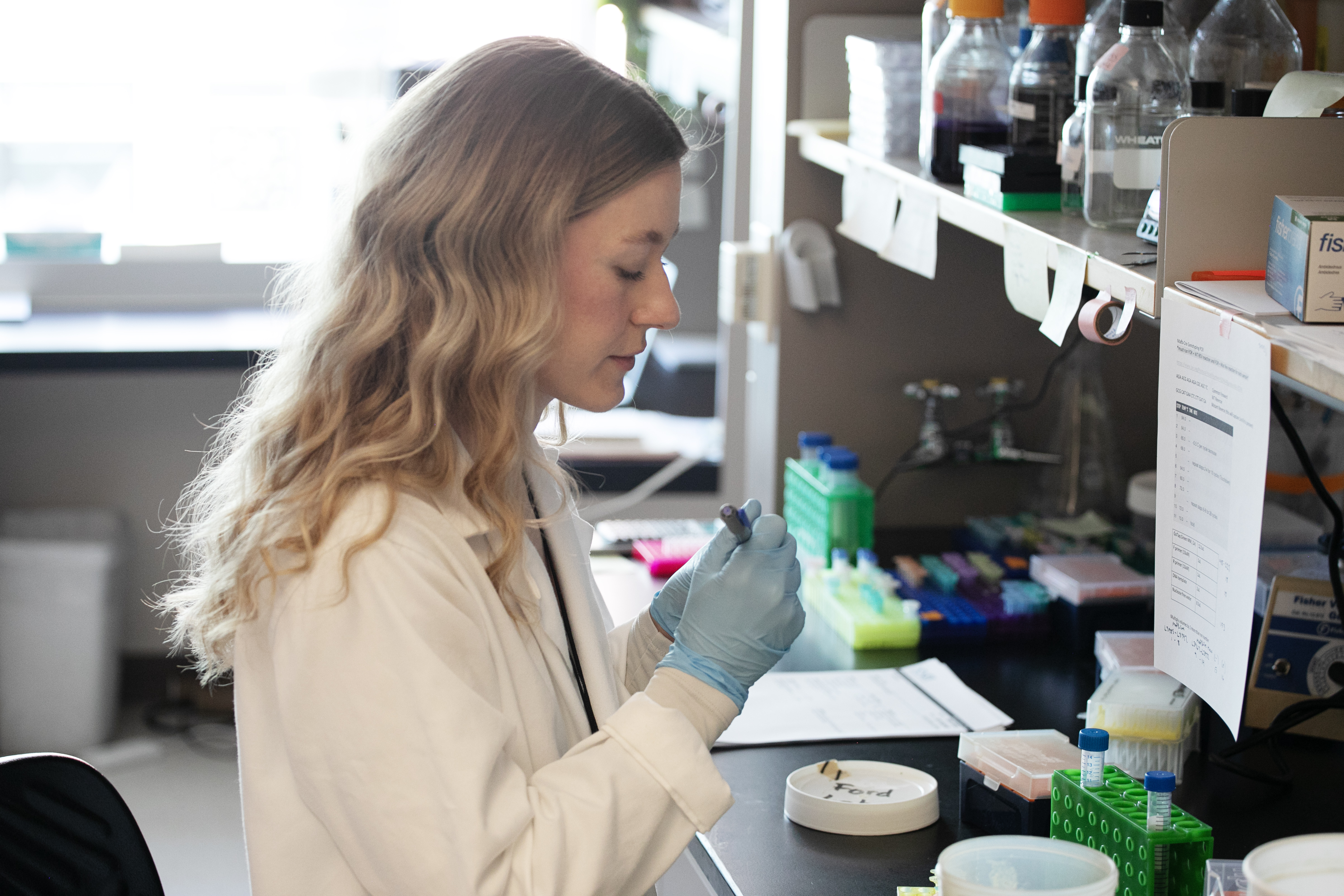
A group of Colorado medical leaders on Tuesday expressed fears that proposed cuts to the National Institutes of Health medical research grants would not only hurt current research but risk losing “a generation of researchers.”
Colorado Sen. John Hickenlooper sat at a roundtable with 16 local medical CEOs, presidents and researchers to discuss NIH’s decision to cut “indirect cost” rates for medical research grants.
In announcing the cuts, NIH said it needs to “carefully steward grant awards,” noting that, of the $35 billion it spent in fiscal year 2023, about $26 billion went to “direct costs” for research, while $9 billion was allocated to “overhead” expenses through the indirect cost rate. The agency said the average indirect cost rate has averaged between 27% and 28% over time, with many organizations charging rates of more than 50%.
The cuts were part of a slew of actions by the Trump administration to cut down what it described as a federal government that is too bloated and too much money being lost to waste and fraud. The government has some $36 trillion in debt and ran a $1.8 trillion deficit last year. Trump officials have argued that the changes need to begin with shrinking the size of the federal bureaucracy.
Trump allies have also argued that running trillion-dollar deficits means successive federal governments have decided to sacrifice the future stability of generations of Americans in order to pay for today’s spending programs.
At Tuesday’s roundtable, Don Elliman, chancellor of CU Anschutz, said the meeting sought to give “ammunition for the fight” against the cuts to research funding.
The Trump administration’s plan for a 15% cap on all “indirect cost” will cut more than $4 billion in federal funding for biomedical research across the country. CU Anschutz is estimated to lose $74 million in annual funding if the Trump administration’s cuts are enacted, medical campus officials said.
In 2024, NIH awarded over $566.8 million in grants to Colorado researchers to find cancer treatments, study infectious diseases, develop vaccines and other medical ventures, according to CU Anschutz.
Prior to the discussion, Hickenlooper toured the campus’ cancer lab, which focuses on cancer research treatments. The entire lab is funded by NIH grants.
“This is probably the worst time our government can choose to create barriers,” Tom Gronow, CEO of UCHealth University of Colorado Hospital, said, noting that researchers are getting closer to actual solutions for diseases like cancer.
Dr. Barbara Johnson, a retired microbiologist with the Centers for Disease Control and Prevention, talked about her life with Amyotrophic Lateral Sclerosis (ALS) and how NIH cuts would directly affect research impacting her life.
“Cuts to any funding for ALS research and clinical trials remove all hope that any of us with ALS will live beyond the two-to-five years of expected survival,” Johnson’s daughter read from a statement, as Johnson can no longer speak due to paralysis of her vocal cords.
“I know I will not survive to see the cure,” she said. “I want to be part of that wave that can contribute toward an ALS cure. Does NIH really want to cut loose these years of research?”
Local officials and researchers said funding from NIH has led to scientific breakthroughs, including cancer treatment, the first DNA sequencing and the development of the MRI, which creates detailed internal pictures that can aid in the diagnosis of disease.
“If this goes any further, I think we’re going to lose a generation of researchers,” Gregory Downing, executive vice president of academic affairs at National Jewish Health said.
He theorized that students won’t want to go into “unstable” professions, like research.
Other members of the panel added that institutions and universities are on a hiring hold and are unsure whether or not they will be able to maintain their current group of researchers.
“It’s not just a little piece of research, but the entire ecosystem being affected,” said Dr. Heide Ford, CU Medicine endowed chair in pharmacology.
“When (training grants) are cut, we lose our ability to recruit these great, hopeful, passionate young people who really want to come to Colorado,” added Greg Ebel, director of CSU’s Center for Vector-Borne Infectious Diseases.
At the end of February, a federal judge temporarily halted the cuts following a lawsuit filed by 22 states that included Colorado.
In court, Trump administration attorney Brian Lea said the issue is about the “broad discretion power of the executive branch” in how to allocate funds and that the government has “fully complied” with regulations. The administration also contended research groups haven’t demonstrated irreparable injury.
The Denver Gazette reporter Nico Brambila and the Associated Press contributed to this report.