





‘Partisan or political’: Federal judge orders Elizabeth School District to return 19 banned books
Michael Karlik michael.karlik@coloradopolitics.com
A federal judge on Wednesday concluded the Elizabeth School District likely violated the First Amendment rights of students and authors by removing 19 books from school libraries because the topics conflicted with the school board’s conservative vision.
U.S. District Court Judge Charlotte N. Sweeney granted a preliminary injunction ordering the district to return the books to library shelves and refrain from banning further books the district disagrees with on ideological grounds.
“Plaintiffs have shown that the District removed the 19 books based on the authors’ and books’ content and viewpoints on issues such as race, sexual orientation, gender identity, LGBTQ content, and to promote the Board’s self-proclaimed ‘conservative values,'” wrote Sweeney, Colorado’s first openly gay federal judge, in a March 19 order.


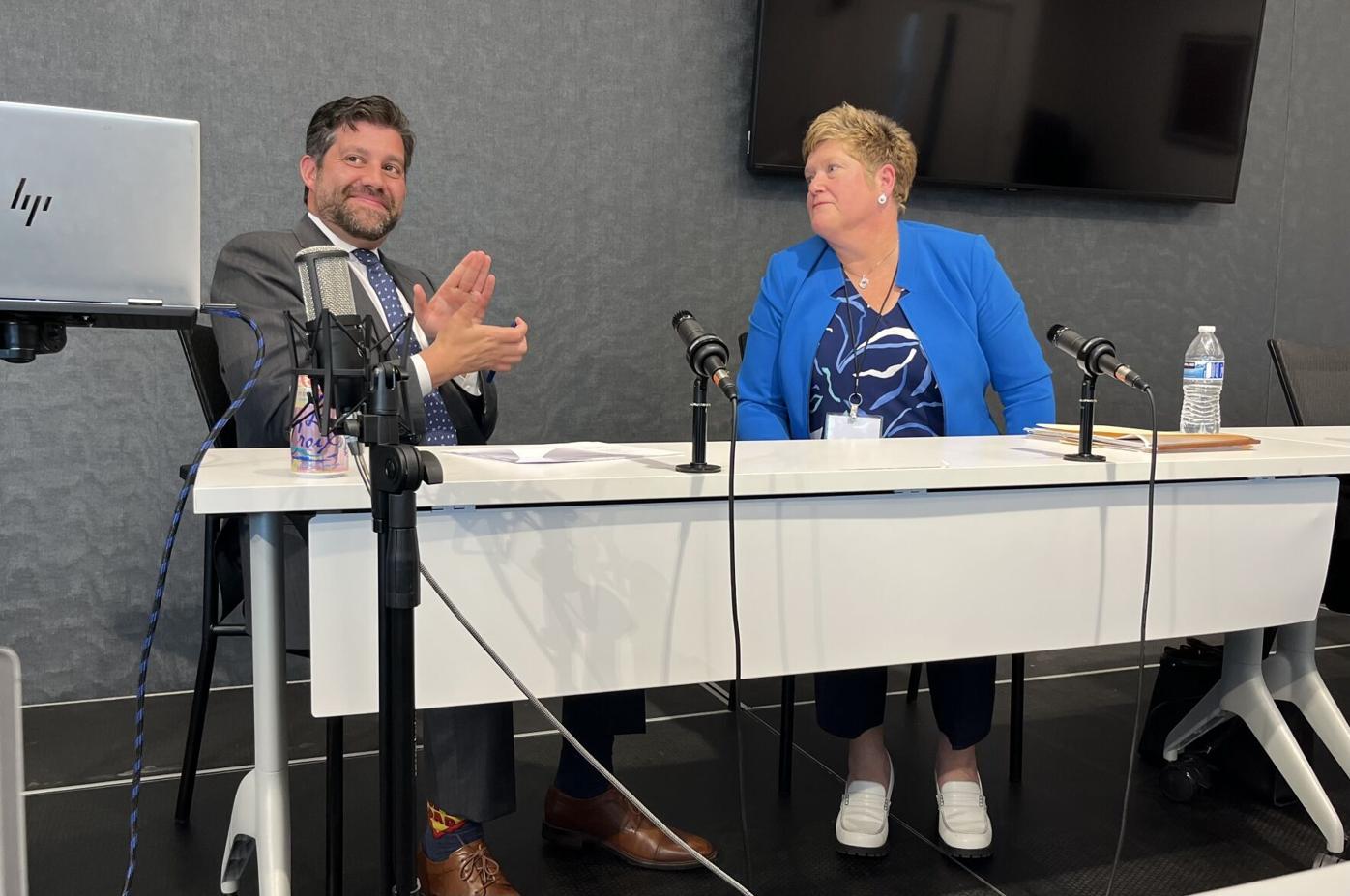
Attorney David Gartenberg applauds for U.S. District Court Judge Charlotte N. Sweeney at a legal event in Denver on July 21, 2023.
Although the school board members in the Elbert County district each submitted detailed statements to the court disputing that they voted to restrict access to the books based on their personal politics, Sweeney pointed out their emails to each other at the time clearly referenced political motivations.
In December, the parents of two district students, the local NAACP chapter and The Authors Guild — representing authors of the removed books — sued the district alleging a violation of the First Amendment and its counterpart provision of the Colorado Constitution.
The district in 2024 created a committee to compile a list of books with “sensitive” topics, which included “sexual content,” “religious viewpoints,” and “racism/discrimination.” After identifying 19 books, including “The Kite Runner” by Khaled Hosseini and “Beloved” by Toni Morrison, the district placed them in the school board’s office for approximately three weeks.
During that time, parents could fill out forms explaining why they wanted the books to either be “returned to the library and listed on the sensitive topic list” — meaning parents would get an alert if their child checked out the book — or “removed from the library collection.” There was no option to restore the books to libraries unconditionally.
Although the district received comments from parents supportive of the books, others noted their opposition with reasons including:
• “violent + depravity of Islam is on display”
• “evil trans ideology”
• “supports abortion”
• “very biased, leftist book”
• “morally offensive content for most religious people”
Emails between board members suggested they were thinking about the book removals in political terms. Board President Rhonda Olsen wrote that “We were very vocal about getting a superintendent and legal representation with conservative values.” Vice President Heather Booth wrote that “As an elected official committed to conservative values for our children, I feel a strong obligation to honor the promises made during my campaign.”


One Elizabeth School District parent’s submission to remove a book from school library shelves. Source: Crookshanks v. Elizabeth School District
The plaintiffs, as a result, alleged the board’s decision to remove the books was based in politics.
“I feel like I’m only allowed to look at books that have been pre-approved by people with their own political agenda,” wrote C.C., a minor student represented by her parent, Kristen Crookshanks. “I get that some parents don’t want their kids to read about difficult topics like racism, violence, drugs, or sex. But some kids are dealing with these things in their own lives, and in my experience, it has been helpful to read stories I can relate to.”
Sweeney, a Joe Biden appointee, slammed the district in her order for making “factually incorrect statements” and objections that “lack any legal basis.” As for the plaintiffs’ likelihood of success, Sweeney believed they presented strong evidence that their First Amendment rights were violated.
“The District’s argument — that its decisions as to the library contents are government speech immune from First Amendment scrutiny — finds little support in the caselaw,” she wrote. “Courts generally hold that the placement and removal of books in public school libraries is not government speech.”
Sweeney noted the U.S. Supreme Court has not squarely issued a precedent-setting decision on the subject, but she believed a 1982 ruling allowed her to look to the district’s stated motivations for removing the books. Based on board members’ own comments about remaining faithful to their conservative campaign pledges, Sweeney opted to take the board members at their word.
“The Court questions what could be more partisan or political than removing books to further the Board’s self-described conservative values,” wrote Sweeney. “That parents want to remove books for partisan reasons does not permit government officials to do the same.”
She added that her order did not affect the district’s curriculum, nor did it prevent the district from removing books based on “legitimate pedagogical concerns.”
The case is Crookshanks et al. v. Elizabeth School District.

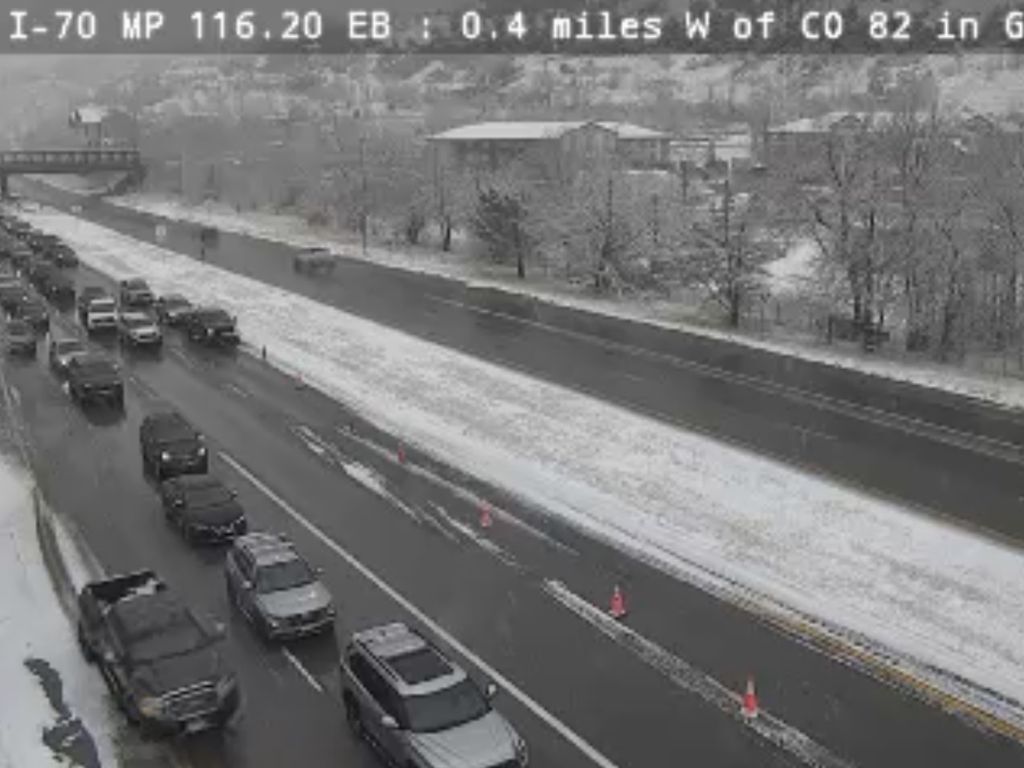
Pile-up crashes involve around 50 vehicles on I-70 in Colorado this weekend
Spencer McKee
spencer@outtherecolorado.com
Updated 36 seconds ago
Multiple wrecks resulted in chaos on Colorado’s mountainous stretch of Interstate 70 over the weekend, with Sunday proving to be particularly problematic. Two notable crashes that occurred involved a total of around 50 vehicles (not too surprising, considering that I-70...

Spencer McKee
Reporter

Airbus confirms new quality problem on ‘limited’ number of A320 jets
Reuters
reuters@denvergazette.com
Updated 8 minutes ago
PARIS – Airbus said Monday it has discovered an industrial quality issue affecting metal panels on a “limited” number of A320-family aircraft, confirming a Reuters report, the latest challenge for the plane-maker after a weekend recall of its jets. The...

Reuters
Reporter

Rockies continue front office hires with Nicky Schmidt as senior VP and chief revenue officer | Colorado Sunshine
Paul Klee
paul-klee@denvergazette.com
Updated 26 minutes ago
Where good news shines The Rockies on Monday announced Nicky Schmidt as senior vice president and chief revenue and strategy officer, a new role within the organization. Schmidt spent the past 14 seasons with the Cleveland Guardians, including roles as...

Paul Klee
Reporter
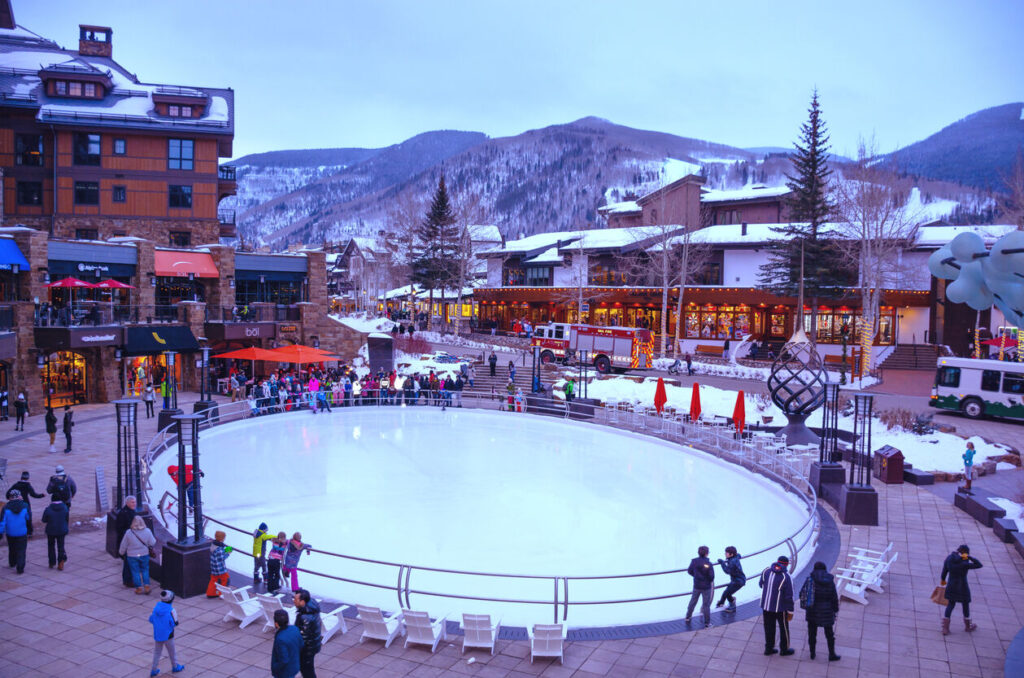
13 places to go ice skating in Colorado this winter
piper.russell
piper.russell@outtherecolorado.com
Updated 17 minutes ago
As the winter season makes its way into Colorado, it’s the perfect time to participate in a classic cold weather activity – ice skating. Here’s a list of several popular ice skating rinks you’ll find around Colorado: Considered one of...

piper.russell
Reporter

U.S. manufacturing slump deepens in November
Reuters
reuters@denvergazette.com
Updated 20 minutes ago
WASHINGTON – U.S. manufacturing contracted for the ninth straight month in November, with factories facing slumping orders and higher prices for inputs as the drag from import tariffs persisted. The Institute for Supply Management said Monday its manufacturing PMI dropped...
Reuters
Reporter

U.S. Cyber Monday spending to hit $14.2 billion, Adobe forecasts
News services
news-services@denvergazette.com
Updated 22 minutes ago
U.S. consumers were expected to spend $14.2 billion on Cyber Monday, according to Adobe Analytics, set to build on strong Black Friday momentum as AI-powered shopping tools drive online sales. Americans were set to spend 6.3% more online from a...

News services
Reporter

Federal review finds 44% of US trucking schools don’t comply with government rules
The Associated Press
the-associated-press@denvergazette.com
Updated 24 minutes ago
Nearly 44% of the 16,000 truck driving schools in the U.S. may be forced to close after a review by the federal Transportation Department found they may not be complying with government requirements. The Transportation Department said Monday that it...

The Associated Press
Reporter

Avalanche risk in Colorado hits highest level of season thus far
piper.russell
piper.russell@outtherecolorado.com
Updated 28 minutes ago
There’s been an uptick in avalanche risk in Colorado after big snow this weekend with more snow on the way. The Colorado Avalanche Information Center (CAIC) announced that the risk forecast includes considerable avalanche danger (three of five) for the...
piper.russell
Reporter
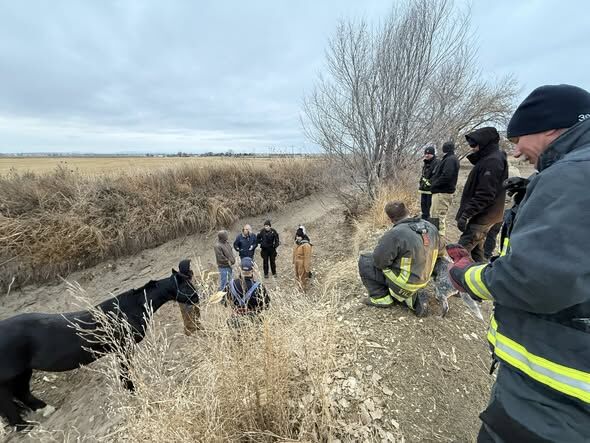
Fire crews rescue horse trapped amid sub-20 temperatures in Colorado
piper.russell
piper.russell@outtherecolorado.com
Updated 35 minutes ago
A horse was rescued in freezing conditions after falling into a large ditch in Pierce on Sunday. In a Facebook post related to the matter, the Ault-Pierce Fire Department said firefighters were dispatched at 2:24 p.m. to help a horse...
piper.russell
Reporter

Weekly Weather Outlook for Colorado: December 1 through December 7
piper.russell
piper.russell@outtherecolorado.com
Updated 37 minutes ago
Snow is expected to taper off as the week continues, with some snow showers possible during the first half of the week and sunshine and partly cloudy skies taking over as the weekend approaches. Here’s a look at daily temperatures...
piper.russell
Reporter