Bird Call: Enemy has been defeated
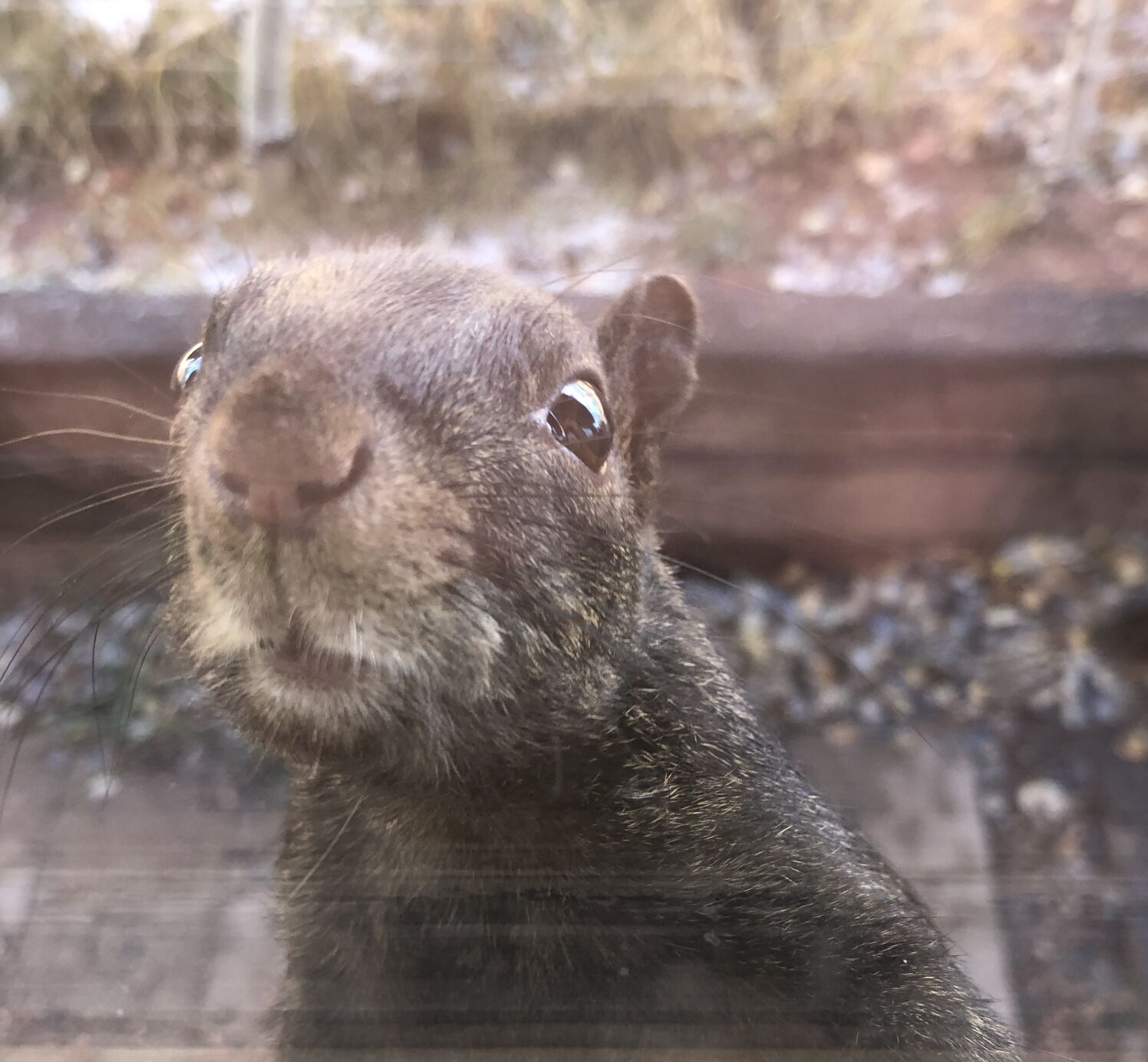
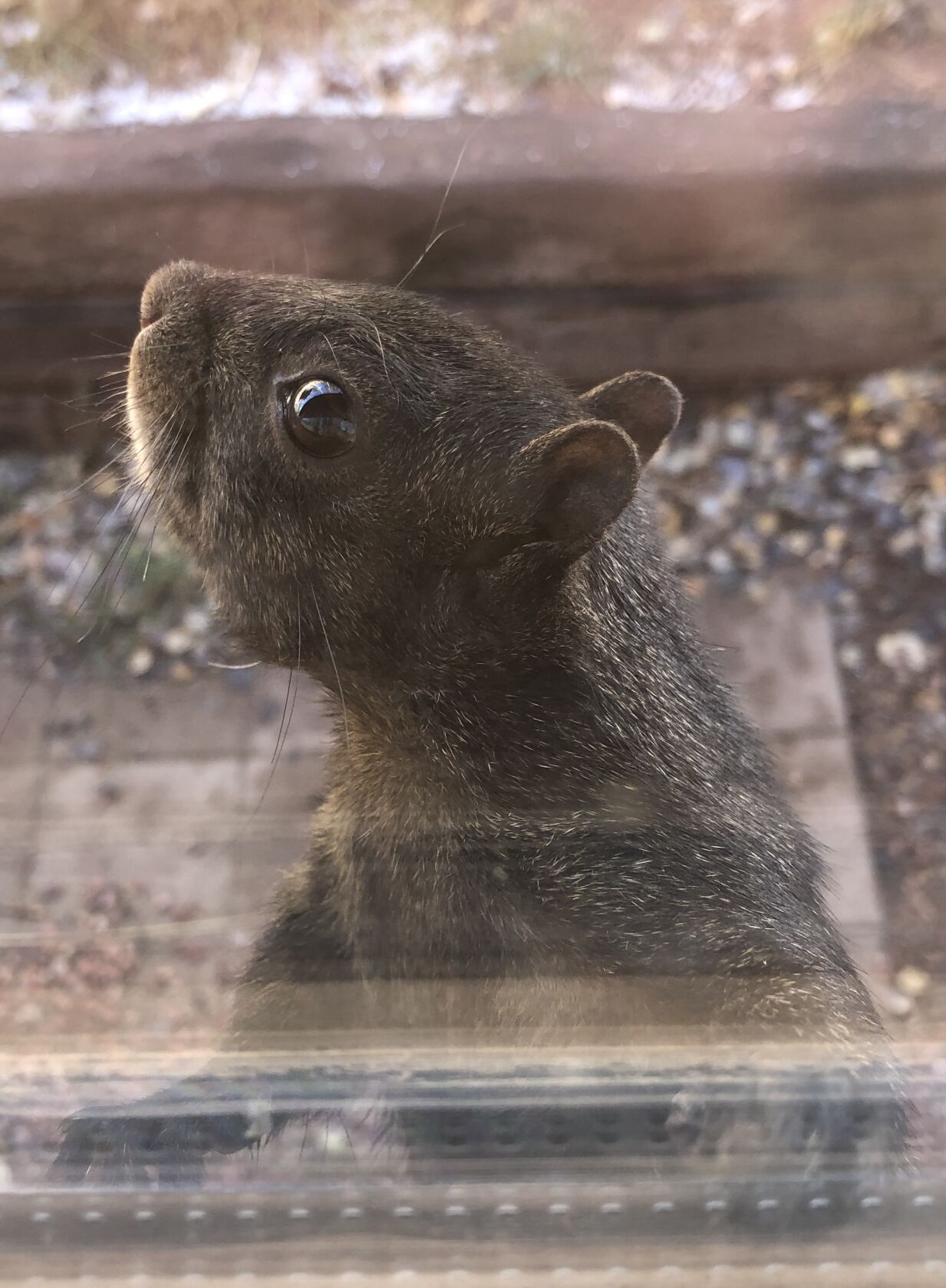
I finally have defeated my sworn enemy.
And just in time for spring migration.
Pack it up and move along, squirrels. No longer will you little freeloaders feast upon my bird feeders, relieving me of thousands of dollars of bird food meant for the sweet chickadees, chirpy nuthatches, flashy but mean Western tanagers, finches and sparrows.
No hard feelings, I suppose, though if you want to go over a payment plan for reimbursement, I can clear my schedule. I don’t think you have bad intentions, just ravenous bellies, Einstein-like minds and Cirque du Soleil dexterity.
Bird Call: Bird-watching an accessible hobby for all
I’ve recently acquired my first squirrel baffle, an amazing invention that resembles the cone of shame you put around a sad dog recently home from the vet. The baffle rests on a thingamajig on the bird feeding pole, cone facing down. The squirrel, raccoon or other rascally critter might climb up the pole, but he can’t maneuver around the wide baffle and scurries back down, flummoxed, and heads off to a more accessible buffet down the street.
I’ve kept a close eye on the squirrel feedback since putting up the new pole with its baffle and other accoutrements, such as multiple hooks for feeders. I’ve watched them stand back, cross one little arm across their chest, tuck their other paw under their chin and gaze up the pole, taking in all the glorious food that could be theirs, if only they could beat the baffle. I’ve watched some make the attempt, climbing up and disappearing under the baffle, while I anxiously wait to see if this is the one who will beat the odds. But I remain victorious.
It’s not that I don’t love a fluffy rodent. I enjoy some good squirrel antics. I love to watch my pacifist dogs stalk and chase them, but let them escape. And just the other day, as I put out peanuts in the shell for the blue jays, a little guy was straddling the fence practically begging for a nibble. He took it right out of my hand. So, see? I’m not a squirrel exterminator. I just prefer to feed the birds.
And glory be, it’s almost May, the month of spring migration, when my feeders fill with exotic birds I might only see for a day or two before they fly on, like the pair of yellow-rumped warblers that bopped around my yard a few years ago, foraging in the greenery and brush. Or the elusive Lazuli bunting, the only one I’ve seen, who popped in, stayed long enough for me to grab my bird ID booklets, and pulled an Irish goodbye. I always get at least one or two new species every May that make me squeal from inside my kitchen, where I patiently wait and watch and make notes of who showed up. Fingers crossed for a Bullock’s oriole.
print National bird: Best spots to view bald eagle around Colorado Springs (copy)
The Western tanagers will be back like clockwork, usually around the third week of the month, fighting over the suet cakes and blinding me with their glorious colors. Showoffs. And the hummingbirds. I’m ready for them this year with bags of sugar and new feeders, after attracting hordes of wasps last year with the old ones.
My sympathies to those who aren’t able to bird-watch at home, so I’ll reshare the miracle of Cornell Lab’s live nest cams across the globe. My favorites are the ospreys, who have a nest at the mouth of the Hellgate Canyon near Missoula, Mont., right outside a health care center and 50 feet from the Clark Fork River. Last year Iris, who’s nested at the site for years, finally found a mate dubbed Finnegan by cam watchers. Her first-known mate didn’t return in 2016 and she had one successful breeding season with another osprey before he moved on to a different nest and different lady. Scoundrel.
But last year Finn showed up and proved himself a practically perfect mate, bringing her a buffet of fish as she tended to their babies, who all fledged. Viewers are hoping for a repeat season, which could start any day now, going by Iris’ past return dates. Find the ospreys online at allaboutbirds.org/cams/hellgate-ospreys.
Black Forest carver uses recycled wood to create life-like birds
I also love the red-tailed hawks that have nested above Cornell University’s athletic fields since 2012: Big Red, the female, who was banded in 2003, and Arthur, her unbanded mate, who pledged his commitment to her in 2018 after her previous mate died in 2017. They’ve got two eggs this season. It’s such a joy to watch as the parents take turns incubating their progeny, then watching the babies crack through their shells and grow their fuzzy newborn feathers before finally gathering the courage to leave the safety of their nest.
Of course, there can be drama and trauma for viewers. This is Mother Nature, after all, whose cruel ways are well documented. Sometimes eggs don’t hatch, or another big bird tries to attack the nest, which happened last summer to Iris. She successfully protected her babes. Sometimes siblings beat up on each other to such a degree that cam viewers frantically email staff at Cornell Lab, who then kindly remind them such is nature and the cycle of life. But that stuff can be hard to watch. I click out when the going gets rough. Find the hawks online at allaboutbirds.org/cams/red-tailed-hawks.
Contact the writer: 636-0270