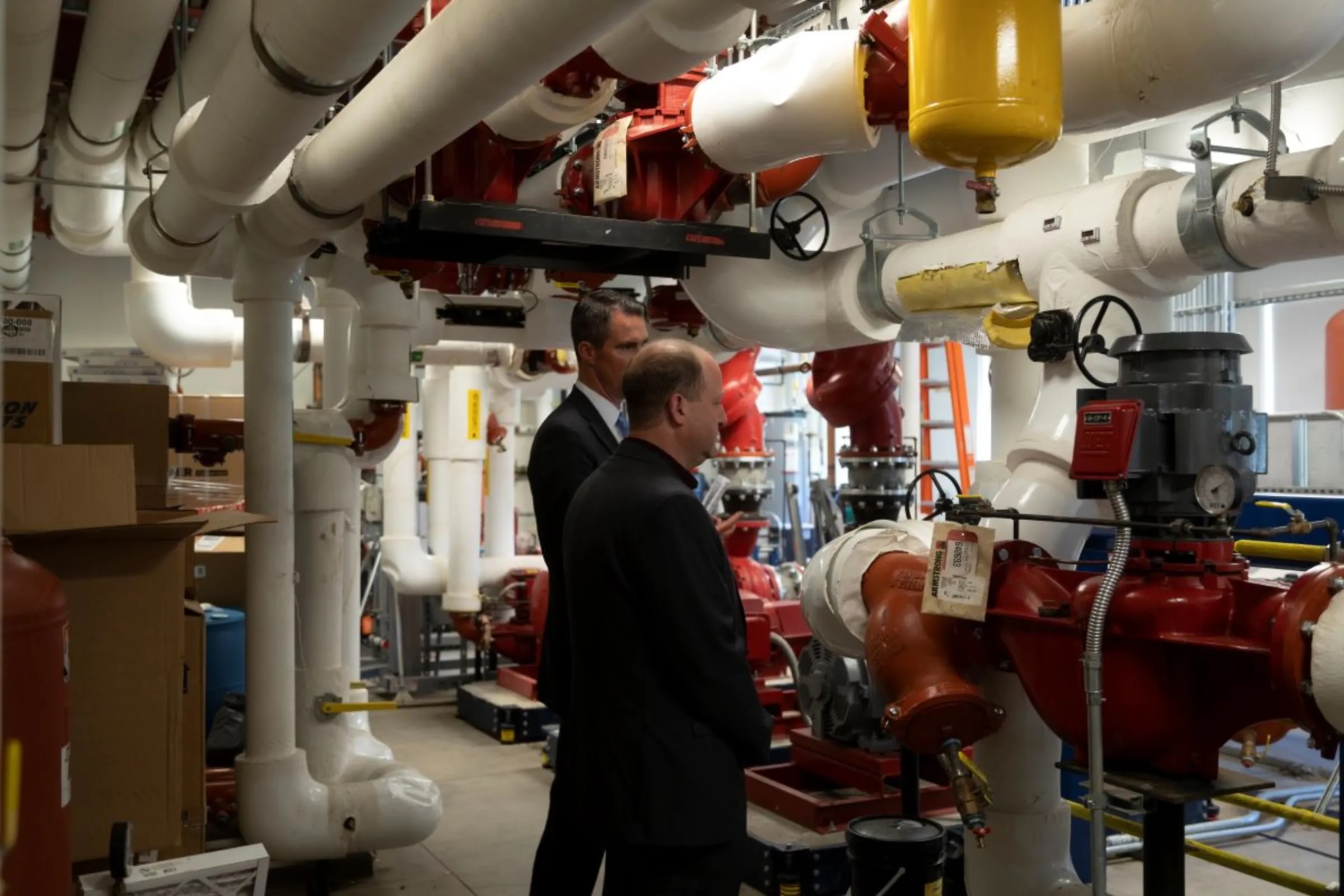
Colorado Mesa University heats and cools using ground-source heat pumps
According to the U.S. Department of Energy, the University’s geothermal network is one of the largest heat pump systems in North America,
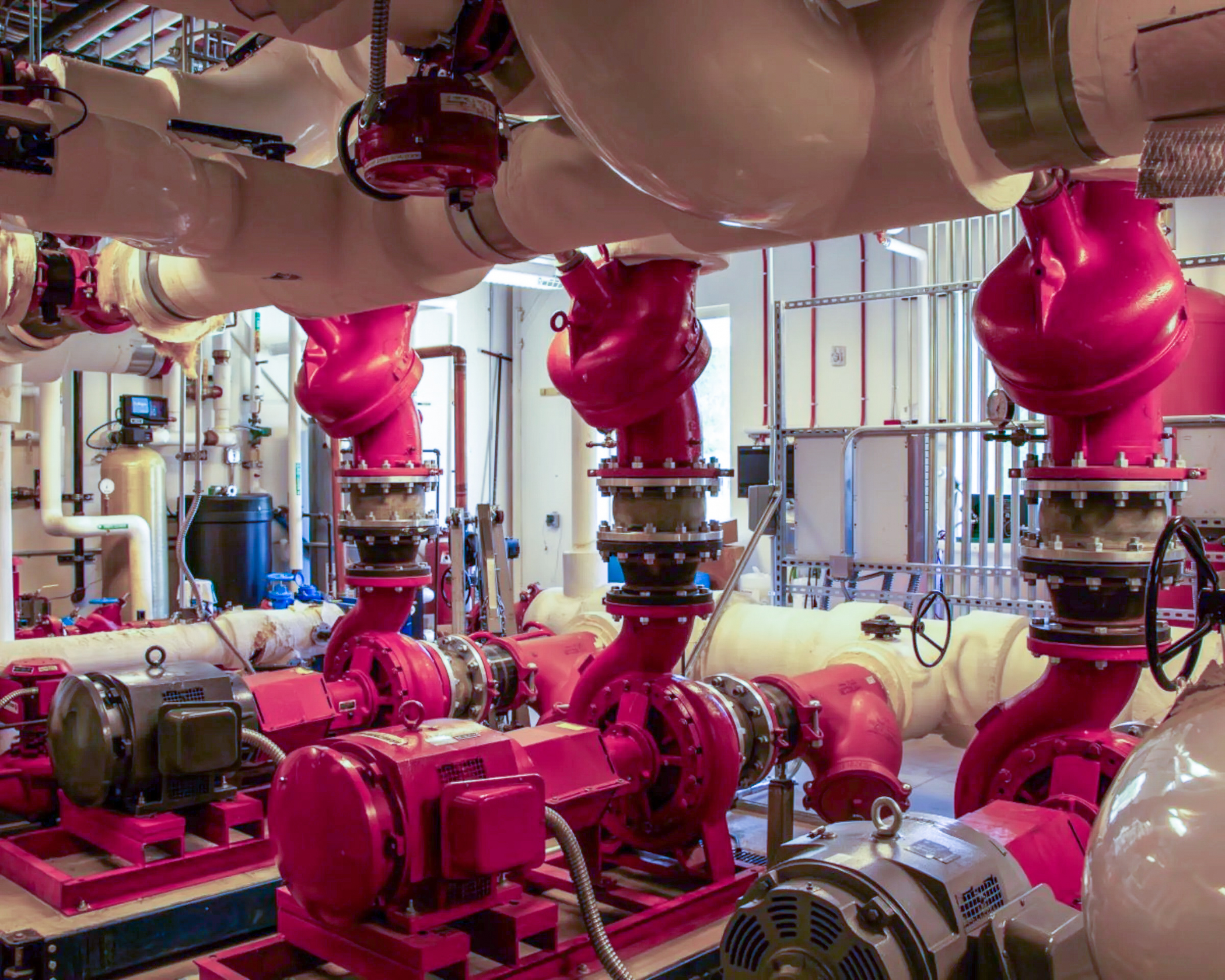
Colorado Mesa University in Grand Junction has used a campus-wide ground-source heat pump system for 18 years, saving the school more than $15.9 million in heating and cooling costs since 2008 for its 1.2 million square foot campus.
According to the U.S. Department of Energy Geothermal Technologies Office, the university’s extensive geothermal network is one of the largest geothermal heat pump systems in North America, with more than 2.5 miles of pipe in its central loop.
“We’ve been doing this since 2007,” Kent Marsh, the vice president of capital planning, sustainability and campus operations, told The Denver Gazette. “If you remember a country music song, Barbara Mandrell, she was country before country was cool, right? We were geo before geo was cool.”
At the state Capitol, policymakers have begun to seriously consider geothermal energy in their pursuit of decarbonization goals. Geothermal energy is widely used across the globe. In absolute terms, the U.S. is among its biggest producers, though per capita, other countries, such as Iceland the Philippines, use more.
Only 0.4% of America’s electricity is generated by geothermal energy.
Under Democratic control of the state Capitol, Colorado is seeking to quickly transition away from fossil-fired energy. Supporters argued the transition — while acknowledging it might be painful in the short term — positions Colorado for a more sustainable and energy-efficient future. They said it would help wean the country from dependence on foreign oil. Ultimately, they added, the transition toward green energy is good for the environment and people’s health.
Critics maintained the quick transition is failing to protect American consumers, particularly low-income residents, who already contend with soaring inflation, and that the singular focus on alternative energy is short-sighted, given that America is rich in all forms of energy and that nuclear power can provide the state with a viable, sustainable and “green” baseline.
In the past few weeks, Colorado added nuclear to the list of “clean” sources, alongside wind, solar and geothermal, a move that signaled policymakers’ changing attitude toward this energy source and the realization — some said — that “renewable” sources are insufficient to provide sustainable and affordable energy and at the same time meet Democrats’ carbonization goals.
Founded in 1925, the university campus comprises 141 acres in the heart of Grand Junction and has more than 60 buildings. Marsh said about two-thirds of the buildings on campus are currently connected to the “geo-exchange” system the school installed starting in 2007, which it continues to upgrade as funds become available.
Marsh is eager to put all the campus buildings on the loop, but said funding is a serious issue, though he has some hopes for federal grants to complete the system.
“We want to do that as soon as possible, but what that means is we have another third of our campus buildings that will need to be retrofitted and renovated, and so there’s quite a bit of cash that’s needed to pull out an existing HVAC system and replace it with new shiny heat pumps,” said Marsh.
So far, some 450 heat exchange wells at 500 feet deep have been drilled, and more are planned.
Marsh could only guess that completing the conversion of all campus buildings might cost $70 to $100 per square foot, or about $24 million.
“It’s a bunch,” Marsh said.
He said that most of the funding has come from university cash and capital construction funds but that some months ago, the Colorado Energy Office provided a “very, very, very, very small part of the cost” to connect the Fine Arts building into the network.
“We’ll take money from anybody who will give it to us, but the one thing that we’re currently doing is the Inflation Reduction Act has cash payments available from the treasury, even for tax-exempt entities like a university,” Marsh said. “And we’re hoping to submit our very first request for those funds for our thermal energy networks sometime over the next four to six, eight months or so.”
He said they are trying to get their first submittal for those grants in as soon as possible and hopes the Trump administration won’t change the rules before they can submit it.
“That’s not the reason we’re doing the work,” Marsh said. “We’re doing it because it just makes all kinds of sense, and we’re just hoping to have others help pay for it.”
The thermal transfer system circulates water among the buildings and injects water into the wells to either heat or cool it, depending on the season.
In addition to moving thermal energy into the underground well system, it also moves heat within buildings to balance temperatures in all rooms.
For example, said Marsh, if a classroom on the south side of a building gets too hot, the system will transfer the heat to a heat pump on the opposite side of the building to warm a cold room.
The campus swimming pool is also used as a heat sink for excess thermal energy that keeps the pool at a comfortable temperature for swimmers.
The central loop of the system moves water to the wells, where they exchange heat with the ground, raising or lowering the temperature of the ground itself as needed, providing long-term thermal storage. Ground heating in the summer is used to warm buildings in the winter by moving energy back and forth in the well system.
Marsh couldn’t provide a total system cost because, he said, the system changes so frequently. They are in the process of drilling a new heat exchange well field on the campus rugby pitch. Marsh said he prefers to look at the financial picture regarding the time it takes to pay for the upgrades.
“So, what I prefer to think of is in terms of payback,” Marsh said.
“And if you consider that we spend about 9 cents a kilowatt hour for electricity and a building that is heated and cooled with geo has an energy use intensity of between 10 and 12-kilowatt hours per square foot per year versus a building heated and cooled traditionally is between 20 and 22-kilowatt hours per square foot, if you take that difference of 12-kilowatt hours per square foot, you (multiply) it by nine or 10 cents per kilowatt hour, (multiplied by) let’s say eight or 900,000 square feet of our campus. That turns into a payback of between 10 and 12 years.”