Year-round gardening: Grasshopper management in the garden
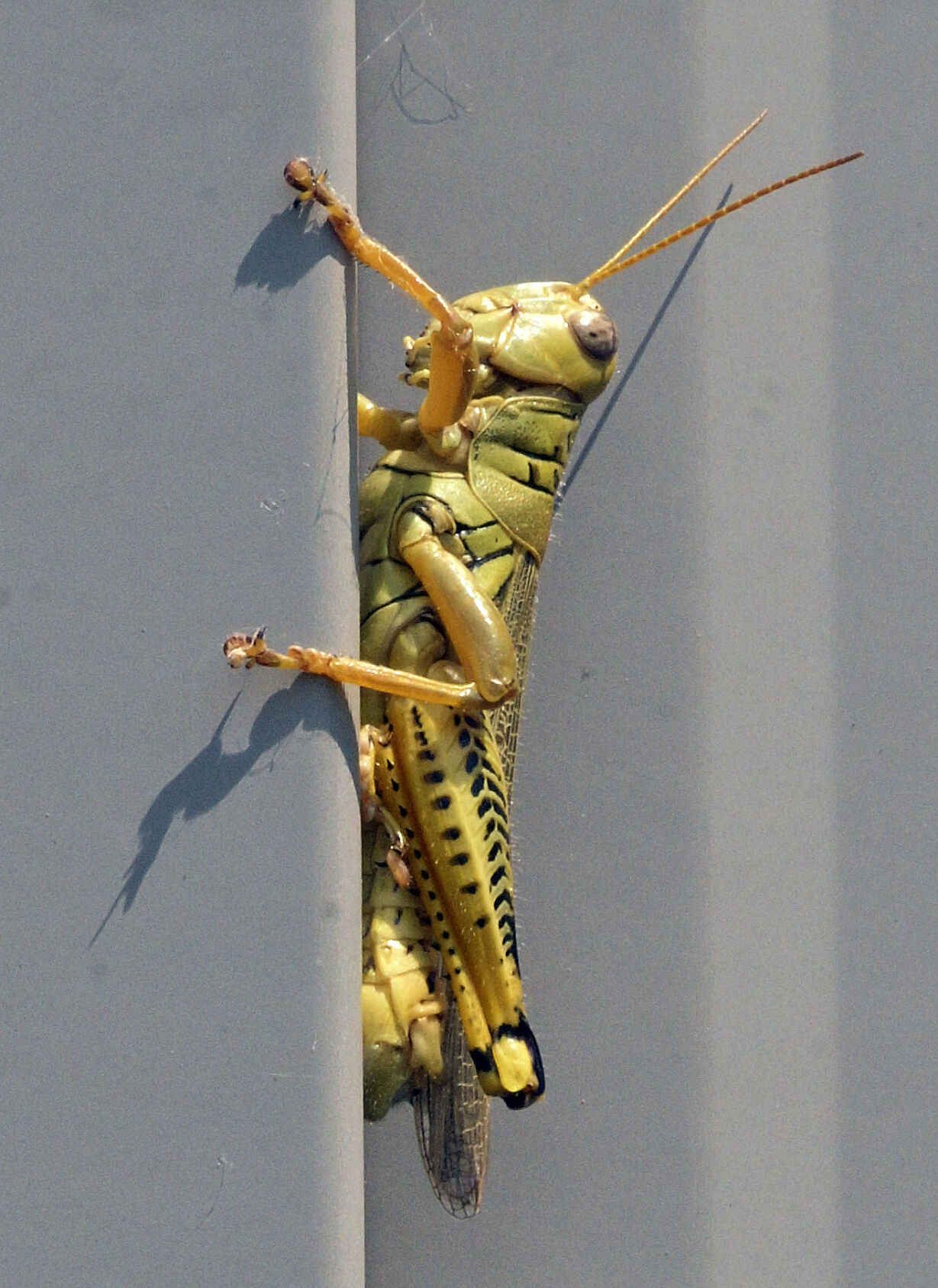
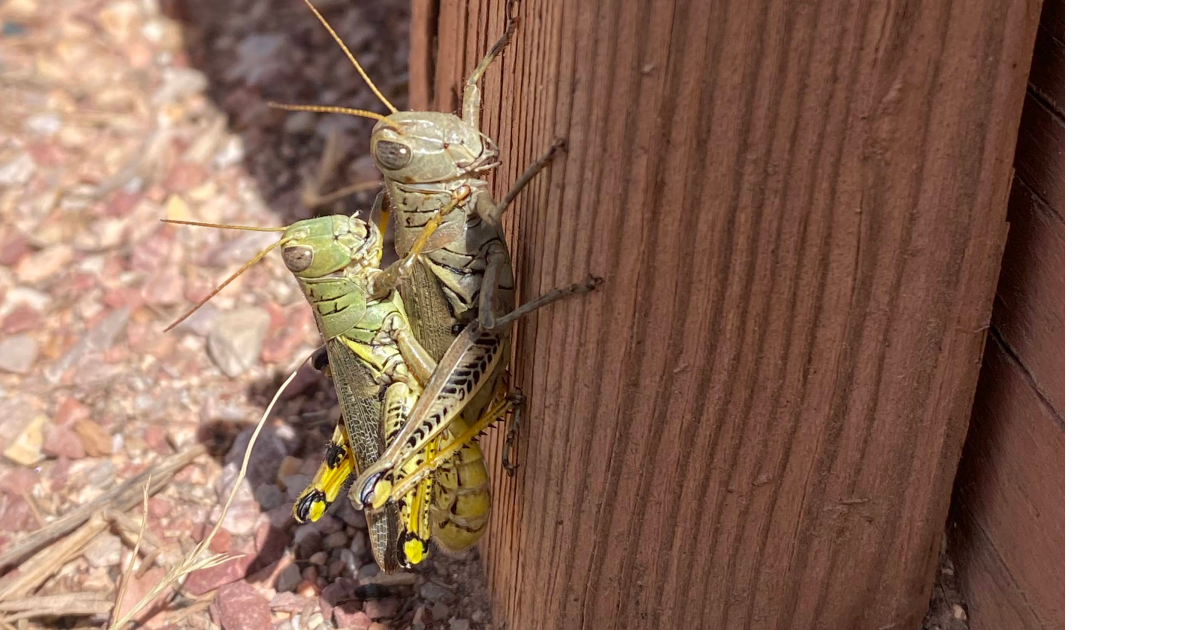
Last year we saw large populations of grasshoppers in El Paso County and across Colorado. While we might hope this year will be different, the grasshoppers will be back in some way. Why is this?
The grasshopper life cycle can help explain why recent high grasshopper populations are so difficult to manage. Grasshopper embryos begin to develop within eggs immediately after they are deposited by adults and reach a certain stage of development before entering a period of dormancy in the winter, referred to as diapause. Warm autumn weather facilitates that development. Autumn was one of the 10 hottest autumns on record in El Paso County, and December was warmer than usual.
In winter, grasshopper eggs are insulated by snow and vegetation in the upper layer of the soil. In spring, more heat units are needed to complete development. Eggs hatch and the nymphs emerge, looking like very tiny grasshoppers. They molt several times in a process of incomplete metamorphosis before reaching their final adult size. After a cold start to the year, March in El Paso County was one of the 10 hottest on record and April has been quite warm. The embryos had ideal growing conditions and are hatching
In summer, temperature is important for grasshopper feeding; they feed when temperatures are between 81 and 90 degrees. Then they walk off the meal, a behavior called “pottering,” until they are ready to eat again. If temperatures rise above 90, they will seek out shade or “stilt,” a behavior where they straighten their legs to lift their bodies above the warm soil. When temperatures are below 68 or if there is precipitation or wind, grasshoppers will stop feeding and find shelter.
A variety of grasshopper controls exist for gardeners.
Biological controls
• Nosema locustae, a single-cell organism that targets grasshoppers, is not available due to a fire at the manufacturing facility.
• Beneficial insect predators such as blister beetles, robber flies, wasps and birds will eat grasshoppers. A wide variety of plants will provide habitat and attract birds and beneficial insects.
• If you have backyard poultry, give them some supervised free-ranging in the garden on cool mornings, when grasshoppers are slower.
Mechanical controls
• Clean up weeds to reduce early season forage and shelter for newly hatched nymphs
• Apply mulch to reduce the number of larvae that make it to the soil surface.
• Scoop up grasshoppers with a net on cool mornings.
• Cover high-value plants in your landscape with insect netting; however grasshoppers can eat through netting.
Chemical controls
Chemical pesticides are available, but may impact other beneficial insects in your garden.
A baited product containing carbaryl will attract and kill certain insects, like grasshoppers. These products might be a better choice because they are not applied to flowers, reducing exposure to pollinators.. Apply these baited products shortly after grasshopper nymphs hatch.
As with any pesticide, it is the law that you read and follow the label.
Make your plan now to keep grasshopper populations manageable in your garden.
Submit gardening questions to [email protected] or call 719-520-7684. The in-person help desk is open 9 a.m.-noon and 1-4 p.m. Mondays, Wednesdays and Thursdays. Visit elpaso.extension.colostate.edu and register for upcoming classes at epcextension.eventbrite.com.