




Overlooked Colorado canyon home to 2nd-largest collection of natural arches in the world
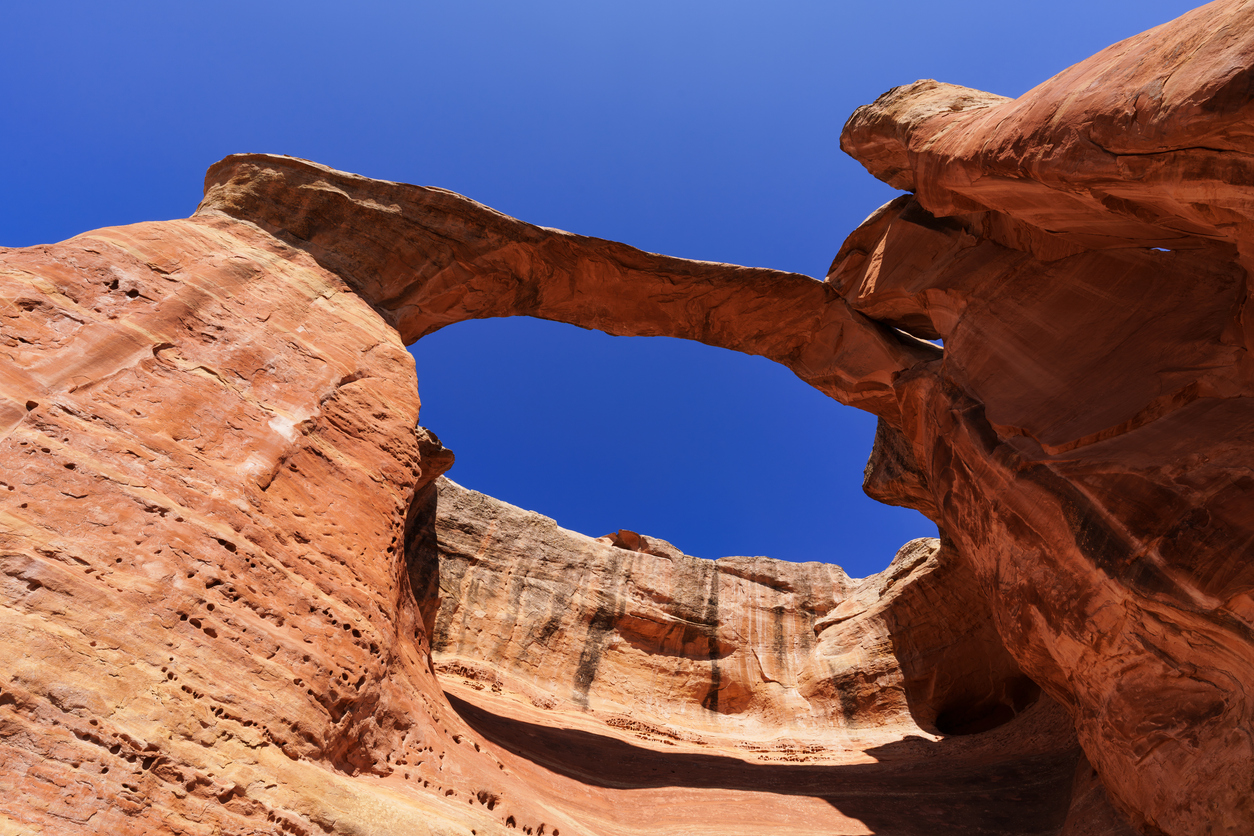
Tucked away in a remote Colorado canyon is the world’s second-largest collection of natural arches – and very few people even realize that it’s there.
Rattlesnake Canyon includes 35 natural arches, making it the second-largest collection of natural arches in the world after Utah’s Arches National Park, according to Visit Grand Junction. Located near Grand Junction, the canyon is protected as part of the 123,400-acre McInnis Canyons National Conservation Area.
The largest of the arches is Cedar Tree Arch, which spans 76 feet with a vertical opening of 43 feet, according to Atlas Obscura.
The Arches are accessible via a rugged drive on a 4×4 track or about 15-mile round-trip trek from a trail west of Grand Junction. Those who make the journey will be rewarded with views of one of Colorado’s most stunning and remote landscapes.
According to All Trails, the Rattlesnake Arches Trail hike is challenging, as it includes steep climbs and rough poorly marked sections. The hike is 14.3 miles and has an elevation gain of 2,542 feet. Reviewers say that the highlights of the hike are its stunning views and of course the unique stone arches. The trail is popular for backpacking, camping, and hiking.
EDITOR’S NOTE: This area is quite rugged. Expect long and strenuous hikes, a lack of water, and hot temperatures. Prepare accordingly and be aware of your abilities prior to embarking on this one. Cellular connection may be limited, consider bringing a GPS device, as well. It’s also worth noting that changing road conditions can impact access in this part of the state. Make sure your driving route is open prior to embarking for the trailhead.
Visit Grand Junction explains that the Rattlesnake Canyon Arches were formed in a layer of Entrada sandstone and are snow scattered along one mile of the upper rim of the Rattlesnake Canyon. The sandstone was deposited more than 175 million years ago in the form of sand dunes on an ancient coastline, according to Visit Grand Junction. Erosion created contoured alcoves, with “wind-blown girt, frost wedging, and runoff thinning out the alcoves to cause the artistic-looking holes. Trickling water made the holes bigger, creating the arches we see today.
In addition to Rattlesnake Canyon’s unique geology, visitors will find a high-desert ecosystem including pinon pines, junipers, sagebrush, cacti, and yuccas. Visitors should also look out for wildlife, keeping an eye out for deer, desert bighorn sheep, grey foxes, cottontail rabbits, and lizards. Turkey vultures, golden eagles, and hawks might also be flying over the arches.
As one of Colorado’s most impressive and unique geologic wonders, Rattlesnake Canyon is certainly a sight to behold.
Get OutThere
Signup today for free and be the first to get notified on new updates.