







Lyft urges Colorado Gov. Jared Polis to veto rideshare bill

Lyft is urging Gov. Jared Polis to veto a measure establishing further safety regulations on rideshare companies.
Passed by the legislature, House Bill 1291 would require rideshare companies to conduct criminal background checks on drivers at least once every six months and review drivers who have had complaints filed against them by riders. If the company determines that the allegation is “more than likely to have occurred,” it must deactivate the driver’s profile.
The bill includes a number of other provisions, including requiring rideshare companies to respond to subpoenas and search warrants within 48 hours, allowing drivers to opt in to audio and video recordings of rides, and prohibiting drivers from sharing with or renting accounts to individuals not registered with the app.
House Bill 1291 was spearheaded by Rep. Jenny Willford, D-Northglenn, who claims she was sexually assaulted by a Lyft driver in February of 2024. District Attorney Brian Mason filed charges against the driver earlier today.
In a letter issued to the governor, Lyft’s Chief Policy Officer Jerry Golden says the bill is well-intended but “sets operational requirements that ignore and ultimately will not improve conditions for riders and drivers.”
Golden argues the bill contradicts itself by simultaneously including provisions that could restrict rideshare companies from deactivating drivers who may present safety concerns and “punishing” those same companies with increased liability and litigation for failing to deactivate an account.
“The bill also contains uncertain and poorly thought out provisions including language that makes it easier for individuals with recent DUIs to drive on [rideshare] platforms, and the creation of private rights of action against individual drivers and riders, subverting the purported benefits of the bill,” Golden wrote.
Last month, Uber threatened to leave the state if the bill was signed into law — that came before significant amendments were made to the bill in the final hours of the 2025 legislative session, but it seems they weren’t enough to quell rideshare companies’ concerns with the measure.
Golden criticized the “last minute” amendments, which he said were made without consideration to the long-term implications they could have on riders and drivers.
“As a result, we believe it would be better to veto this bill and pursue more effective avenues for enhancing safety, rather than enacting a law that ultimately harms those it seeks to protect,” he concluded.
According to a spokesperson from the governor’s office, Polis is “committed to making Colorado safer for everyone, including making sure ride-sharing companies are keeping riders and drivers safe. He has shared concerns about privacy, conflicts with federal and existing state law, and the ability of the bill to be successfully implemented, as well as the ability for TNCs to successfully comply. He wants TNC companies to continue to operate in Colorado supporting nearly 50,000 jobs. He will review the final version of the bill.”


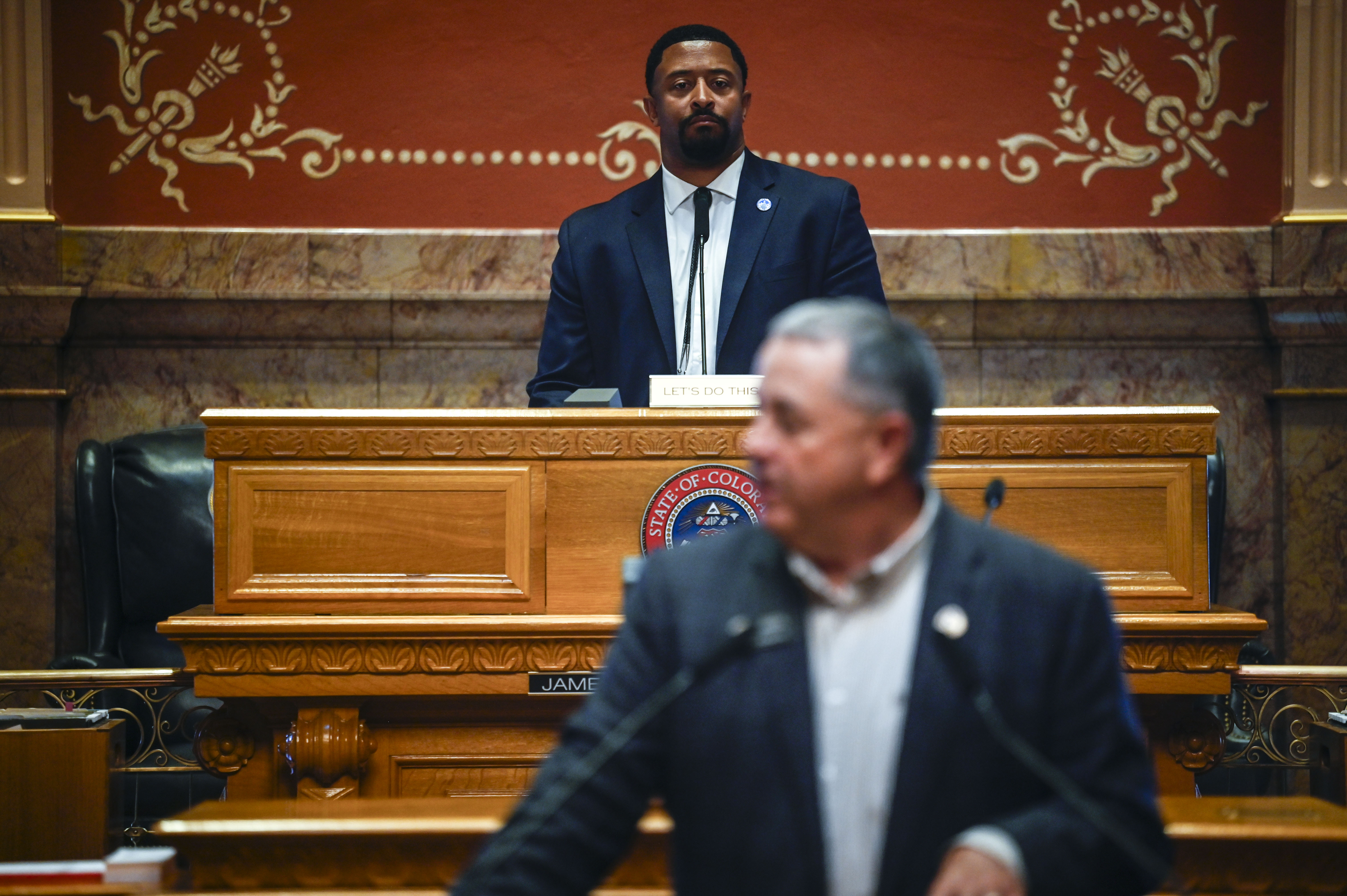
Special Session Day 1 recap: A high-profile resignation, heated debates and fast-tracked bills
Marianne Goodland
marianne.goodland@coloradopolitics.com
Updated 6 months ago
Day 1 recap The Colorado General Assembly started Thursday with 33 bills and two concurrent resolutions that would go to voters. The first day ended with just 13 bills left, five in the Senate and eight in the House. The...

Marianne Goodland
Reporter
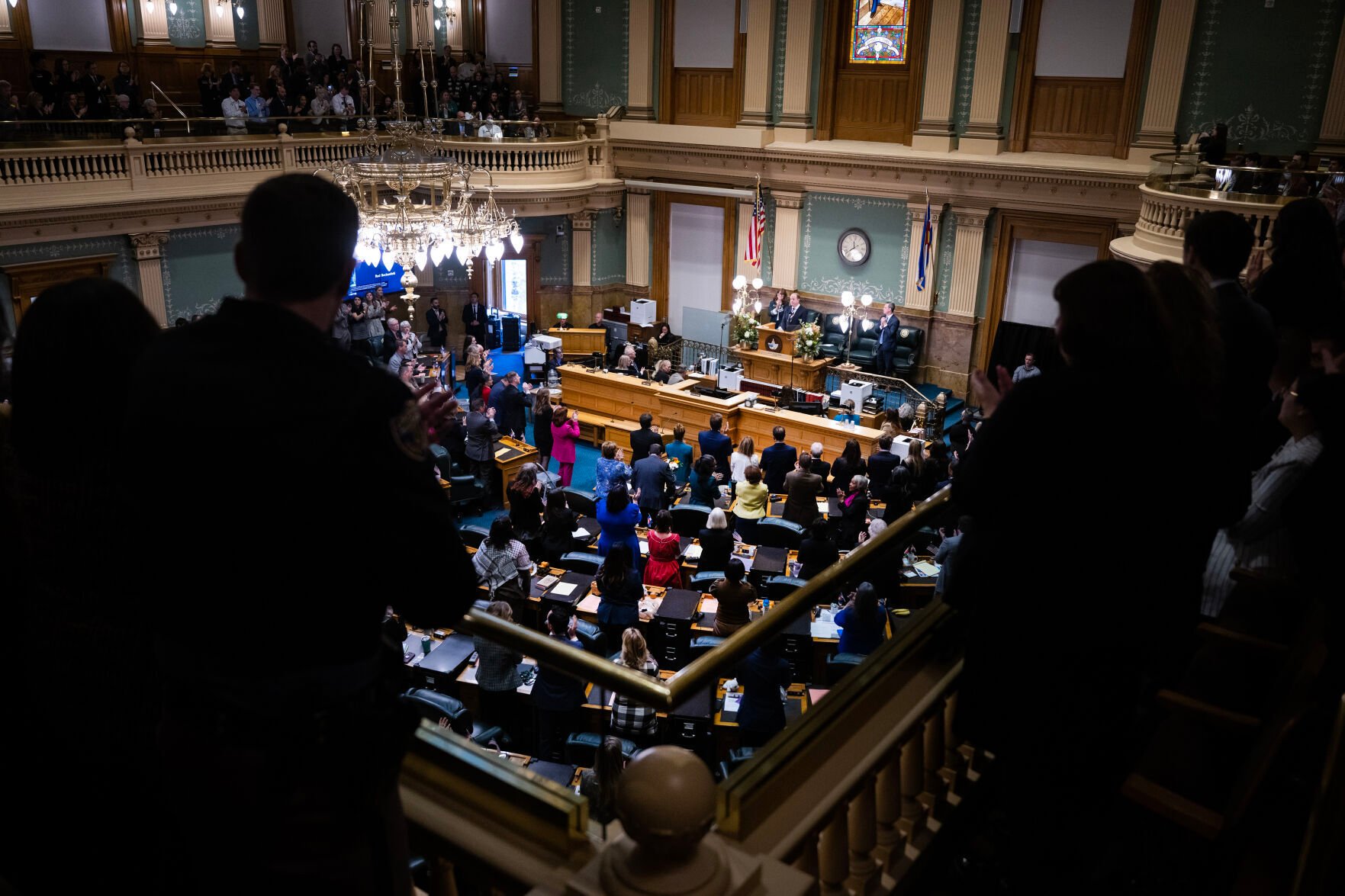
What you need to know about Colorado’s hiring freeze, upcoming special session
Marianne Goodland
marianne.goodland@coloradopolitics.com
Updated 6 months ago
The Polis administration is imposing a hiring freeze, part of the efforts to address a $1 billion deficit that the Colorado state government is facing. Here’s what we know so far. When is the hiring freeze? The hiring freeze starts...
Marianne Goodland
Reporter

Rural Reckoning | Polis, lawmakers say housing, health policies benefit rural Colorado
Marissa Ventrelli
marissa.ventrelli@coloradopolitics.com
Updated 7 months ago
Amid the tension between rural and urban leaders at the state Capitol, the governor and lawmakers have tackled housing, healthcare, food security and mental health access across Colorado’s rural communities, advocates from both sides of that divide said. They pointed...
Marissa Ventrelli
Reporter

Decarbonization report: Zero-carbon power goal achievable — for a price
Scott Weiser
scott.weiser@gazette.com
Updated 7 months ago
Trying to eliminate the last few percent of carbon emissions costs billions

Scott Weiser
Reporter
Polis VS SB 25-005
Marianne Goodland
marianne.goodland@coloradopolitics.com
Updated 10 months ago
Marianne Goodland
Reporter

Public scandals compel Colorado lawmakers to intervene | ANALYSIS
Thelma Grimes
thelma.grimes@coloradopolitics.com
Updated 6 months ago
For the second year in a row, the Colorado legislature intervened to tackle scandals that many said have shaken the public’s faith in state institutions and industries. In 2025, lawmakers passed three new laws aimed squarely at controversies surrounding the...

Thelma Grimes
Reporter

Gov. Jared Polis signs law to allow state treasurer to invest $50M in bonds for affordable housing
Marissa Ventrelli
marissa.ventrelli@coloradopolitics.com
Updated 10 months ago
Gov. Jared Polis has signed a measure into law supporters hope will bring more affordable housing to Colorado by directing the State Treasurer to invest in bonds to buy down construction and mortgage costs of for-sale housing that otherwise would...
Marissa Ventrelli
Reporter

Labor urges Gov. Jared Polis to sign bill on choosing doctors for injuries sustained at work
Marissa Ventrelli
marissa.ventrelli@coloradopolitics.com
Updated 10 months ago
Labor groups and a nonprofit organization focused on workers’ compensation reform are urging Gov. Jared Polis to sign a bill allowing individuals injured at work to choose the doctor to treat them for their injuries without restrictions. House Bill 1300,...
Marissa Ventrelli
Reporter
Colorado joins 19-state coalition to challenge federal funding amid ‘sanctuary city’ battle
Thelma Grimes
thelma.grimes@coloradopolitics.com
Updated 9 months ago
Colorado joined a coalition of 19 states this week to sue the Trump administration over proposals to withhold federal funding from states that the White House insists are not complying with federal immigration policy. Led by California, two separate lawsuits...
Thelma Grimes
Reporter
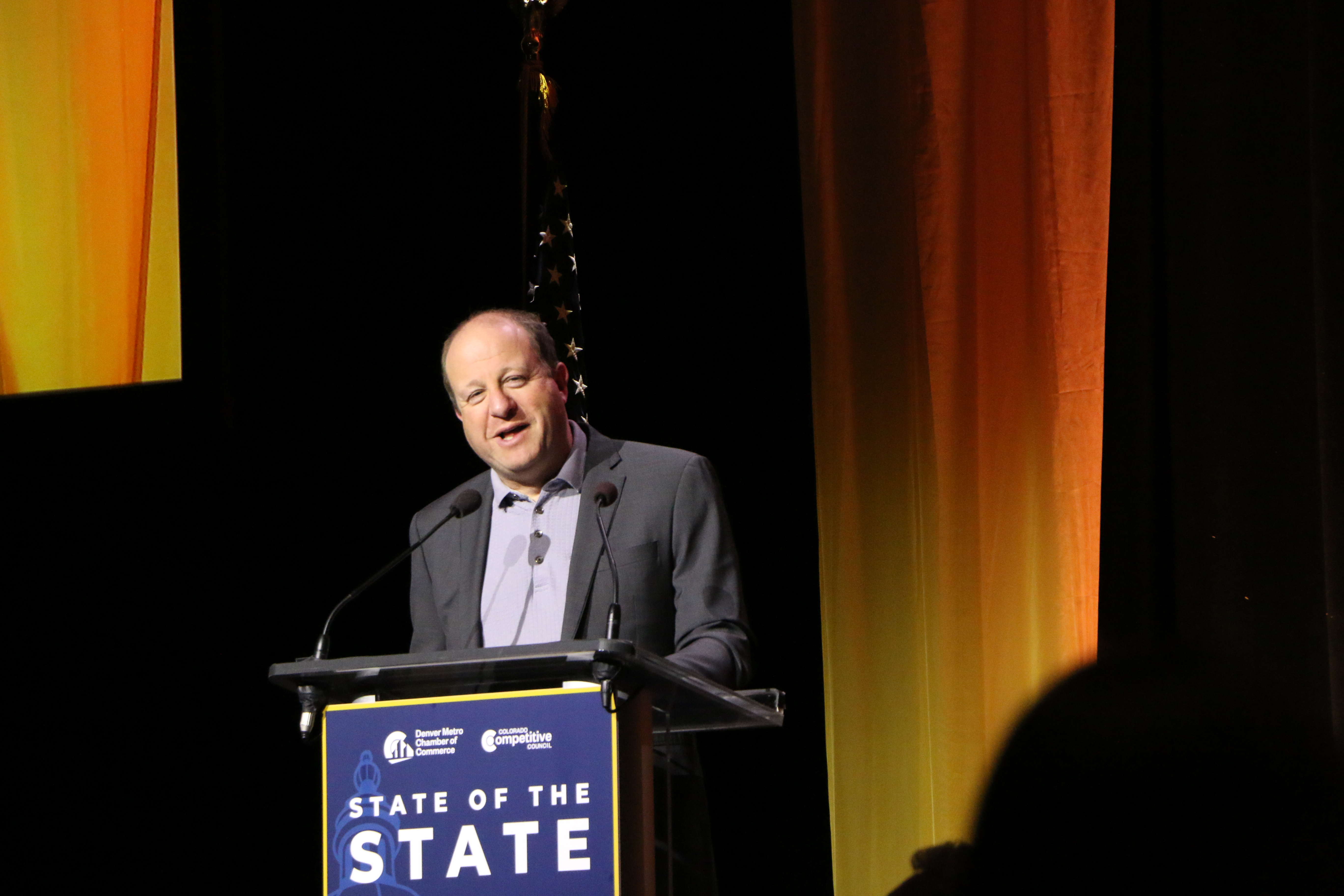
Denver Chamber of Commerce urges change as Colorado falls in business rankings
Thelma Grimes
thelma.grimes@coloradopolitics.com
Updated 10 months ago
As Colorado continues to trend downward on the national economic scale, the Denver Chamber of Commerce is critical of the direction the state’s Democratic-led legislature took in 2025 and in recent years. The main message at Tuesday’s annual post-legislative State...
Thelma Grimes
Reporter
PREV
PREVIOUS

Arvada highlights local amplifier company during Economic Development Week
The Arvada Economic Development Association helped the local manufacturer Henriksen Amplifiers secure a new location in the city
Democrats lay into Republicans over work requirements for Medicaid and SNAP
House Democrats pushed back on the GOP plan to add work requirements to entitlement programs such as the Supplemental Nutrition Assistance Program and Medicaid to offset the renewal of President Donald Trump’s 2017 tax cuts. Democrats have slammed the GOP’s so-called “big beautiful bill” that uses a process called reconciliation to unlock President Donald Trump’s […]