




Anti-Chinese riot of 1880 resulted in one fatality and extensive damage in Denver
Gerald DeBoer
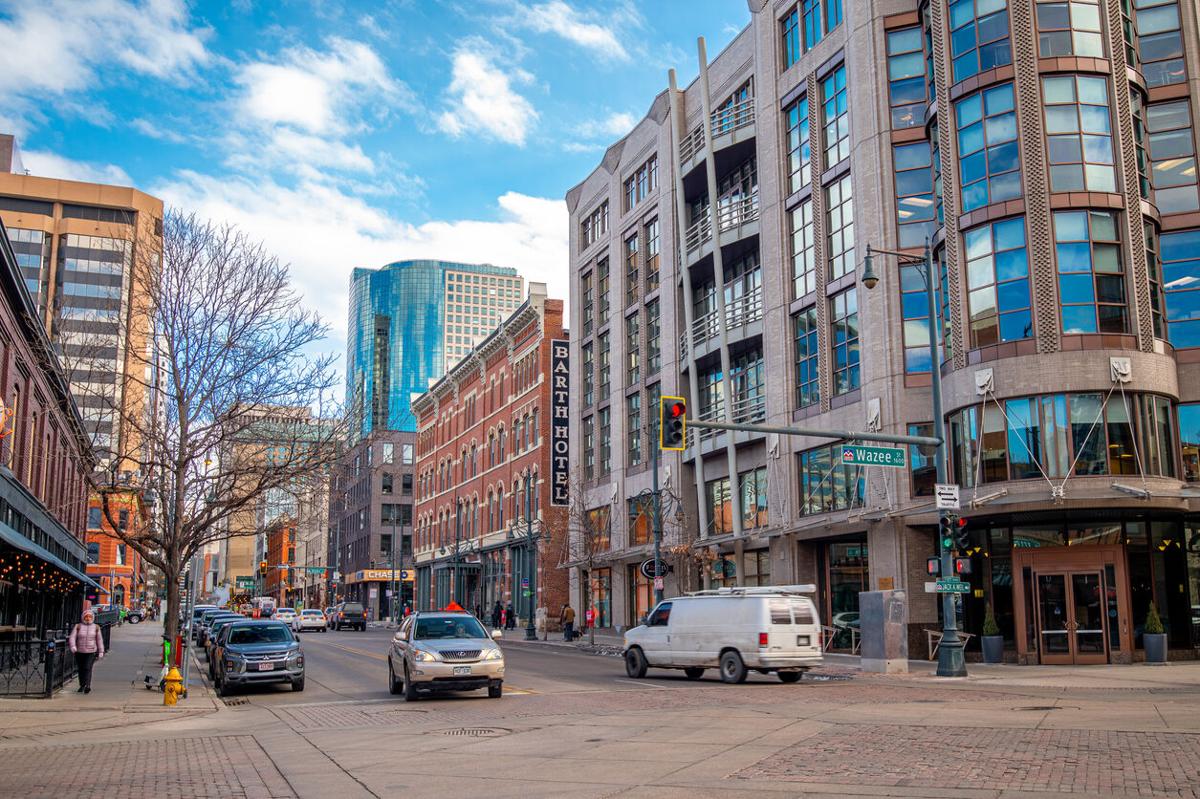
What began as two Chinese men simply enjoying a game of billiards at a saloon named John’s Place on Denver’s 16th and Wazee on October 31, 1880 quickly escalated into a full-blown race riot – later known as the Denver anti-Chinese riot of 1880.
According to the Denver Library, two Chinese men were playing pool at the saloon when a group of men began accosting them. The Denver Public Library reports that when authorities were finally able to get the situation under control, almost all the Chinese-owned businesses in the Mile High City had been burned down. Dozens of Chinese residents were injured, and a man named Look Young had died.
The riot ultimately caused approximately $53,000 worth of damage, which is the equivalent of about $1.3 million today, according to the Denver Public Library. Although the Chinese government tried to recover damages for its citizens, no Chinese business owners received any compensation for their losses.
The Denver Public Library reports that Chinese miners first came to Colorado in 1869, with Colorado Territorial Governor Edward McCook inviting Chinese workers to come to Colorado to alleviate labor shortages and work mining claims. The Denver Public Library writes that the Chinese distinguished themselves as “extremely hard and motivated workers.”
By 1880, Denver had a Chinese population of about 238, and 225 of that population were men, mostly owning or working in laundry services.
In the aftermath of the riot, Denver’s small but budding Chinese population fled the city.
In the riot, one man was killed, dozens were severely injured, and Denver’s once-thriving Chinatown had been essentially destroyed. According to the Denver Public Library, almost 100 of Denver’s Chinese residents immediately left the city.
The Denver Public Library also reports that those responsible for the riot were barely held accountable and that Young’s murderers only received one-year prison sentences.
According to History Colorado, Denver’s LoDo area was once the city’s Chinatown. Located near modern-day Coors Field, Chinatown formed along Wazee Street and became the residential and business center of Denver’s Chinese migrants in the 1870s.
History Colorado also writes that Denver’s riot was significant because it happened two days before the presidential election and politicians focused on Chinese immigration as a national issue. The U.S. government enacted the Chinese Exclusion Act in 1882, banning Chinese immigration to the U.S.
According to Rocky Mountain PBS, a historical marker about the riot stood on a wall in LoDo near the intersection of 20th and Blake Streets. However, Rocky Mountains PBS reports that it was removed in 2022 because it was inaccurate and offensive, as it did not name Look Young as the man who was killed in the riot, over-emphasized Chinese drug use in Denver, and was titled “Chinese Riot of 1880.”
There are now three new historical markers located around Denver related to that tragic part of Mile High City history. A marker at 1520 16th Street explains the history of Denver’s Chinatown, a marker at 1620 Wazee Street focuses on the anti-Chinese race riot, and the last marker at 1890 Lawrence Street memorializes Look Young.
The History Colorado Center also has a current exhibit called “Where is Denver’s Chinatown? Stories Remembered, Reclaimed, Reimagined” that will run until Sep 1, 2025. The exhibit “reveals the Chinese community that flourished here, the racist efforts to erase it, and the resilience of the community today.”
STAY INFORMED: Get free Colorado news with our daily newsletter (Click here)
Get OutThere
Signup today for free and be the first to get notified on new updates.
PREV
PREVIOUS
Treasure buried in the 1700s behind namesake of stunning Colorado waterfall
Facebook Twitter WhatsApp SMS Email Print Copy article link Save Facebook Twitter WhatsApp SMS Email Print Copy article link Save The story of how Treasure Falls got its name involves a tale of buried treasure and the capture of a group of Frenchmen. Several hundred Frenchmen had entered the area of Treasure Mountain in the […]
Infamous Colorado highway among 'deadliest' roads in US
Facebook Twitter WhatsApp SMS Email Print Copy article link Save Facebook Twitter WhatsApp SMS Email Print Copy article link Save Do some of Colorado’s mountain roads send a chill down your spine? You’re not alone. Most won’t find it too surprising that one of the most infamous highways in the Centennial State was recently dubbed […]