







Colorado’s energy codes ignore affordability


Progress should not come at the expense of affordability. As Colorado moves toward a lower-carbon future, families and businesses deserve energy options that are reliable, cost-effective, and reflect their needs, not a one-size-fits-all approach. Choice and balance should guide this transition, not rising bills and reduced options.
As organizations working to meet Colorado’s growing housing and economic development needs, we see firsthand how rising construction costs and added building requirements are making it harder to deliver buildings and homes that small businesses and working families can afford. The housing affordability crisis is getting worse, and we must implement policies that support Coloradans working to make ends meet.
The causes of this crisis are complex, but energy regulations, especially building energy codes, are increasingly driving residential and commercial building prices up. If policymakers are serious about addressing affordability, they must consider how energy codes and electrification mandates will affect the cost to build and retrofit existing homes and buildings in Colorado. Colorado renters, homeowners, and business owners will ultimately feel that financial burden.
In recent years, state and certain local regulatory bodies have pushed for stricter building codes that heavily favor electricity and ignore fuel choice, common-sense pathways, and consumer preferences for increased energy efficiency and affordable energy. This limits energy choice for Colorado homeowners and building owners and creates unintended barriers to development. If we want to prioritize the creation of more affordable housing and commercial buildings in this state, natural gas is a low-cost, reliable energy source that must remain in our energy mix.
The cost impact of stricter energy codes cannot be overstated. Building under the proposed new codes in Colorado may add additional costs between $6,450 and $22,352 per new home. When entry-level homes are already difficult to build under $500,000 throughout Colorado, adding tens of thousands more in construction costs makes houses unaffordable for many. And rather than encouraging energy efficiency, these high up-front costs may drive more buyers toward older, less efficient homes that do not carry the same price tag — undermining the very energy and climate goals these codes aim to achieve.
The affordability concern does not stop at new construction and home ownership. Retrofitting existing buildings — including commercial spaces — to meet new energy codes and forced electrification goals carries staggering costs that cannot be ignored. Research points to a potential cost of $302 billion by 2050 to fully convert Colorado’s residential heating systems to electricity, with commercial retrofits estimated to add another $17.9 billion. These expenses will inevitably be passed down to tenants, families, and small businesses. A “one-path” code structure that mandates electrification — without accounting for up-front costs, or consumer preference — is not sustainable and will harm Coloradans.
And it is not just about cost — Coloradans overwhelmingly support energy choice and reject mandates on the type of energy they use. In a December 2024 study, Coloradans for Energy Access found that 64% of residents would choose a home with natural gas appliances over an all-electric one, and nearly 80% oppose a new law requiring homeowners to replace their existing natural gas appliances with electric appliances. Reliability was the top reason for a strong preference towards natural gas, with 42% of respondents citing it as the main factor. Additionally, 78% of Coloradans oppose laws that would prohibit them from choosing their energy source. It is time to act and ensure our policies are aligned with what Coloradans want in their homes and businesses.
The affordability crisis in Colorado is not only hurting families in this state; it is slowing economic development, forcing people out of the home-buying market, and preventing new residents and workforce talent from taking root. We want to be part of the solution, but we must look to affordability, energy choice, safety and reliability as the guiding solution to reduce the swell of unaffordable housing in the Centennial State.
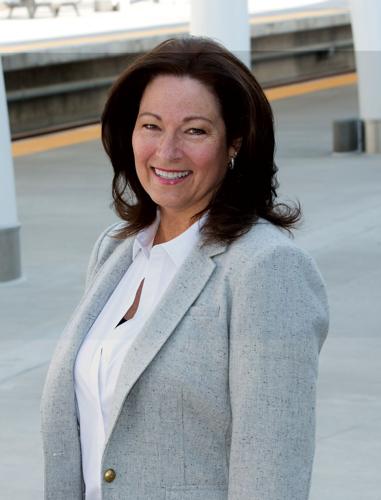
Kathie Barstnar is executive director of NAIOP Colorado, the commercial real estate development association, and Tony Milo, president & CEO of the Colorado Contractors Association.
Kathie Barstnar is executive director of NAIOP Colorado, the commercial real estate development association, and Tony Milo, president & CEO of the Colorado Contractors Association.