







UMS origin story: The birth of elation
JOHN MOORE/DENVER GAZETTE

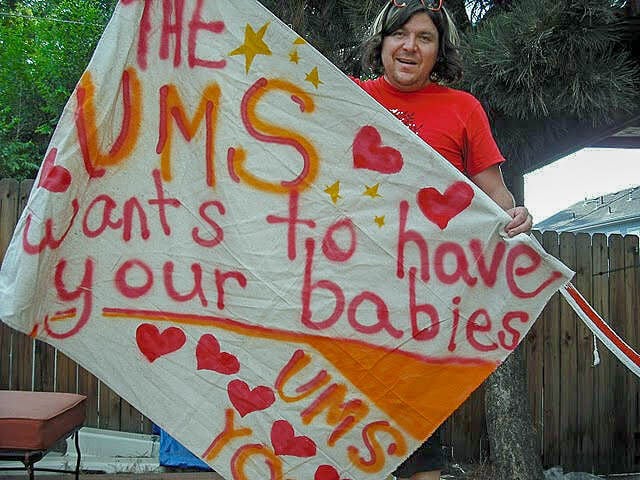
“The UMS wants to have your babies.”
It was a silly stupid thing to spray-paint onto a frayed piece of canvas, accented by hearts and stars. But, then again, it perfectly stated the naked, unapologetic sentiment Ricardo Baca wanted to put out into the world back in 2006, when he transformed my annual, one-night celebration of Denver’s unsung musical outcasts into a full-fledged, multi-day festival that, in quick order, would redefine Denver’s summer music scene along nine busy blocks of Broadway.
Baca, John Wenzel and myself — three arts reporters from The Denver Post, joined in Baca’s backyard by several pals infused with alcohol and aerosol fumes — hand-made a dozen or so banners that said things like, “The UMS is for lovers.” We then took to Broadway with a ladder, stringing our signs atop designated storefronts to let the next day’s adventurous music fans know which stores were designated live-music venues.
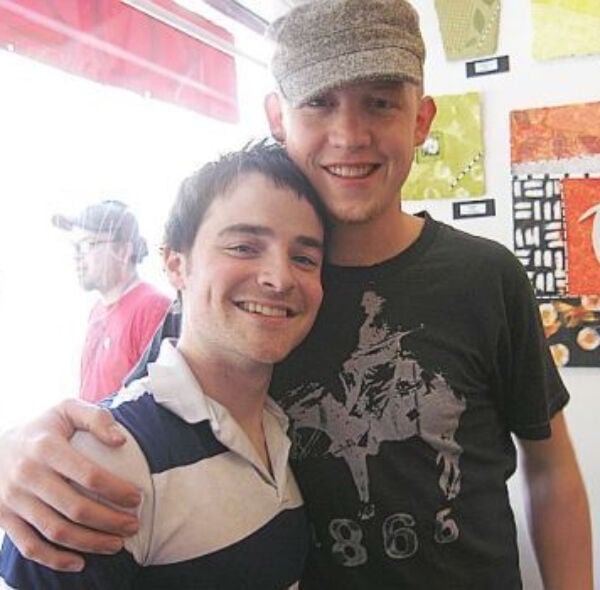
Isaac Slade, right, former former frontman of The Fray, dropped in on the 2006 Underground Music Showcase and joined his friend, Patrick Meese, now the drummer for Nathaniel Rateliffe and the Night Sweats, for a few surprise tunes.
JOHN MOORE, DENVER GAZETTE


Isaac Slade, right, former former frontman of The Fray, dropped in on the 2006 Underground Music Showcase and joined his friend, Patrick Meese, now the drummer for Nathaniel Rateliffe and the Night Sweats, for a few surprise tunes.
Stores like Kozo Fine Art, which the next year would host an acoustic set by Patrick Meese (now a member of Nathaniel Rateliff and the Night Sweats). It was such an intimate gathering, he didn’t even use a microphone. When he was casually joined for a few surprise songs by his buddy Isaac Slade, frontman for what was then one of the biggest bands on the planet – The Fray – it felt like something very special was percolating along South Broadway.
Slade’s presence was so unknown to us, he joked that he had to pay $12 to get in.
Or did he? Who knows? Seemingly spontaneous things happened all the time at the UMS. Like a 2009 flash-mob appearance by a renegade, unbooked marching band called Boba Fett & the Americans, who appeared out of the rain and fog by the dozens. They burst into the hi-dive, joined in with whatever band was playing at the time, and then led a joyful snake of a following further south on Broadway.
Planned or unplanned? At times, the only person who knew what was real or orchestrated was Baca himself.
The flash mob marching band Boba Fett and the Americans appeared out of the rain to bring joy to the 2009 UMS with a spontaneous performance outside of Sputnik.
John Moore
“The UMS started mimicking the trend of surprise shows like South By Southwest,” Baca said. “I loved how these shows would gain steam, and then they’d take off — and sometimes they were a result of the rumor mill. ‘Did you hear that members of the Lumineers are playing the VIP afterparty in the 3 Kings basement?’ a friend would ask me, knowing that I had booked and produced the whole festival, including the afterparty. At some point, it didn’t even matter if it was true — it all became a part of the lore for that year’s festival.”
The final Underground Music Festival, now under the co-ownership of Two Parts and Youth on Record, is expected to bring out up to 30,000 people to the shops and sidewalks of Denver’s Baker neighborhood from July 25-27. The UMS costs $1.4 million to produce each year, and Youth on Record’s entire annual budget is only $2.2 million. The numbers no longer add up.
This shocking but perhaps inevitable news hurled the local music community into all the stages of grief last week, with public reactions ranging from melancholy to nostalgia to anger. I hung on every word of a fab City Cast Denver podcast, during which hosts Bree Davies and Paul Karolyi did a splendid job putting it all into instant perspective.
“When John Moore and Ricardo Baca envisioned this 25 years ago, it was truly an underground showcase of artists,” Davies said. “I can’t imagine what the budget was in 2001 compared to the budget in 2025.”
When she said that, I nearly drove off the road, shouting to no one, “Zero! Bree, it was zero!”
A smattering of scenes from the 2016 Denver Post Underground Music Showcase.
Setting up a domino
Back in 2001, I had started what I hoped would become an annual special section in the Denver Post highlighting Colorado bands that most of our readers had likely not yet heard of. The idea was to bring these bands the kind of mainstream media recognition that, till then, pretty much only Westword was affording them.
Coming from a sports background, I thought conducting a college-football style poll of local music experts would yield an impartial list of the bands I should uplift for any given year. My initial panel of 25 industry pros favored 16 Horsepower, self-described as “quasi-Southern Gothic hillbilly rock tempered by overtly Christian punk.”
At the time, Littleton frontman David Eugene Edwards could routinely draw 5,000 in Amsterdam, and yet not be recognized in a Denver coffee shop.
“There is really so much good music in Colorado,” Edwards told me then. People all over the world know it. But it’s underground. You’ve got to follow it.”
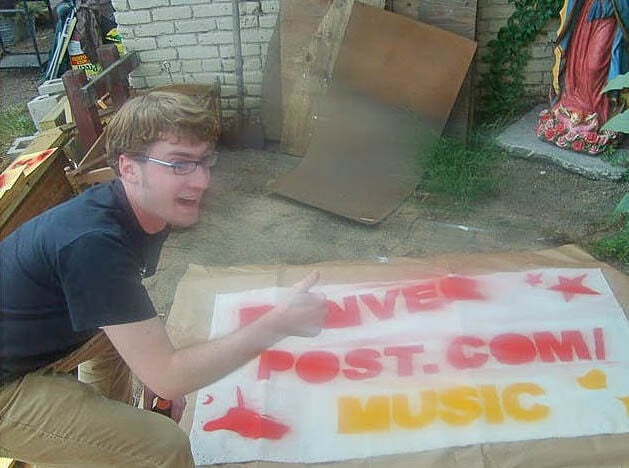
John Wenzel helps paint venue banners for the 2006 Underground Music Showcase.
JOHN MOORE/DENVER GAZETTE


John Wenzel helps paint venue banners for the 2006 Underground Music Showcase.
Back then, I was not in any way entertaining thoughts of moonlighting as a concert promoter. Instead, we scheduled our first “Best of the Underground” special section to run in print on April 27, 2001, just before a scheduled 16 Horsepower concert at the Fox Theatre in Boulder. (You can see the set list here.)
That way, if Denver Post readers were intrigued, they could then go see the band for themselves.
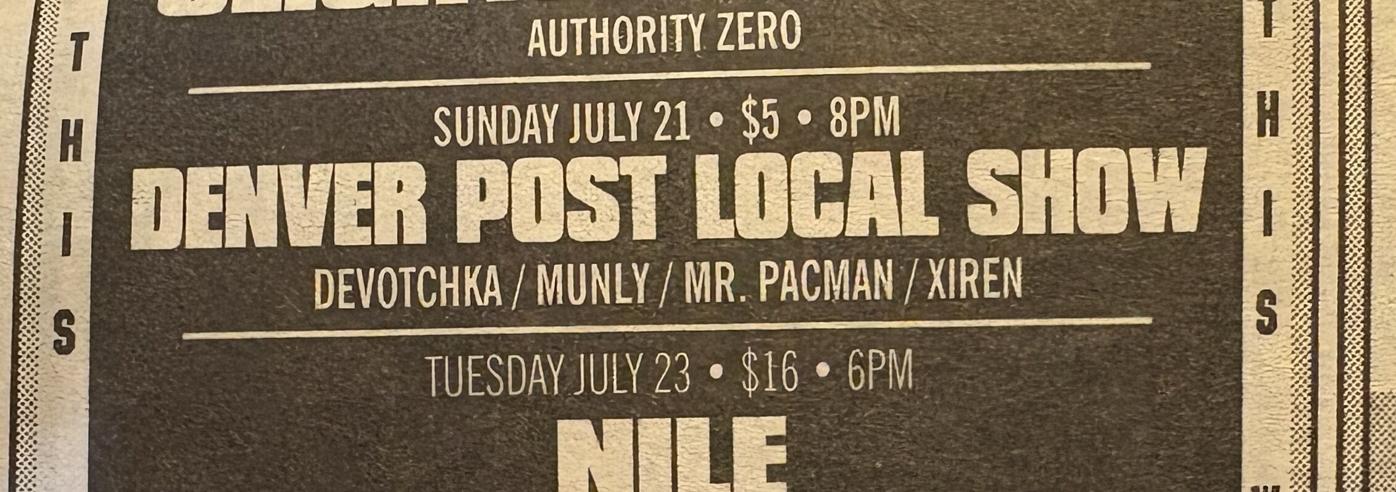
The first real showcase of local underground bands was in 2002 with DeVotchka headlining at the Bluebird Theatre.
JOHN MOORE/DENVER GAZETTE


The first real showcase of local underground bands was in 2002 with DeVotchka headlining at the Bluebird Theatre.
For Year 2, I was spitballing a seemingly Herculean idea with local music promoter Jerri Theil: Why not publish the survey in conjunction with an accompanying live showcase made up solely of bands finishing in the top 10? Four bands, five bucks.
Theil gave me the Bluebird Theater for free.
The bands would split the door and the Bluebird would take the bar. Just one point of mild contention: For my sake, the promoter, NIPP (Nobody in Particular Presents), wanted to put a random national band at the top of the bill to make sure that people would show up. At the time, an all-local lineup was unheard-of at a venue like the Bluebird.
“Back in 2001, Denver did not support its local music,” concurred Jme White, whose band Acrobat Down finished No. 9 in that first poll.
But I thought a national headliner would defeat the purpose of a local music showcase. NIPP obliged and, with little advance fanfare, we proceeded with DeVotchKa, which had started out in 1995 as a backing band for touring burlesque shows, as the headliner. Four years later, DeVotchKa was nominated for an Academy Award for scoring the breakout indie film “Little Miss Sunshine.”
And we nearly sold out that first showcase. The next year, we did.
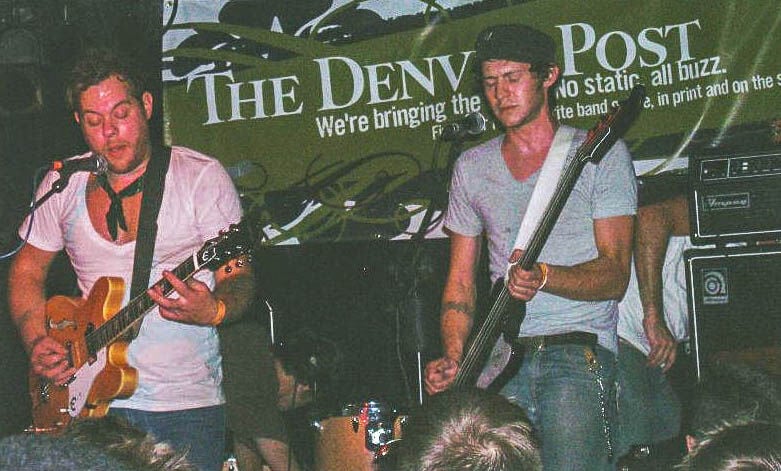
Planes Mistaken for Stars filled the Bluebird Theatre to capacity in 2003, really just the second year of the Denver Post's annual underground bands showcase, which came to be known at The UMS in 2006.
JOHN MOORE/DENVER GAZETTE


Planes Mistaken for Stars filled the Bluebird Theatre to capacity in 2003, really just the second year of the Denver Post’s annual underground bands showcase, which came to be known at The UMS in 2006.
For some of the bands, splitting the door evenly four ways produced the highest payout of their lives. In 2003, the payout was $550 per band. Another year, Jeffrey Wentworth Stevens of George & Caplin ran me down as I was trying to pull away from the Bluebird on Colfax Avenue, convinced that I had given him too much money. Nope, that was his cut.
From the start, the poll created both intended chatter and unintended controversy, starting with what “underground” even means. My definition was simple: Bands and artists worthy of more mainstream recognition. (And not signed to a significant label.) So, local bands like Big Head Todd and the Monsters, String Cheese Incident, The Samples and Yonder Mountain String Band were never placed on any ballot. A few new bands broke so big, so fast, they never qualified for “underground” consideration. 2002 was the year of both The Fray and One Republic. In 2005, it was The Lumineers.
Some observers fairly called me out for injecting an unnecessarily competitive, comparative element into a music scene, they said, that should be all about harmony, not data. But, as a journalist, the numbers gave me an objective way in to report each year. And I was getting hundreds of band names published in The Denver Post. For the top 10 bands that were spotlighted in the special section, that gave them both their first significant exposure in a mainstream daily newspaper – and eligibility to perform in that year’s showcase.
Nathaniel Rateliff, left, who played multiple UMS showcases over the years under three different names, with Joseph Pope III, his future bandmate with Nathaniel Rateliff and the Night Sweats.
JOHN MOORE/DENVER GAZETTE


Nathaniel Rateliff, left, who played multiple UMS showcases over the years under three different names, with Joseph Pope III, his future bandmate with Nathaniel Rateliff and the Night Sweats.
As a stat nerd, I geeked out over the poll each year. Over time, the results documented both the simultaneous continuity and chaos that coexist in any city’s underground music ecology. When you’ve got Nathaniel Rateliff’s Born in the Flood finishing 132nd in 2004 and No. 6 in 2005 and No. 1 in 2007, I would argue the poll was simply good journalism that objectively captured the moment.
Rateliff, a UMS veteran who will be playing before 70,000 at Empower Field next month, thinks of the UMS as “another example of Denver’s continuous growth and support for the arts” — one that, he said, “encourages young artists to keep playing here at home.”
“I certainly cut my teeth here at the UMS, and I wouldn’t be where I am without the support of this community,” he added.
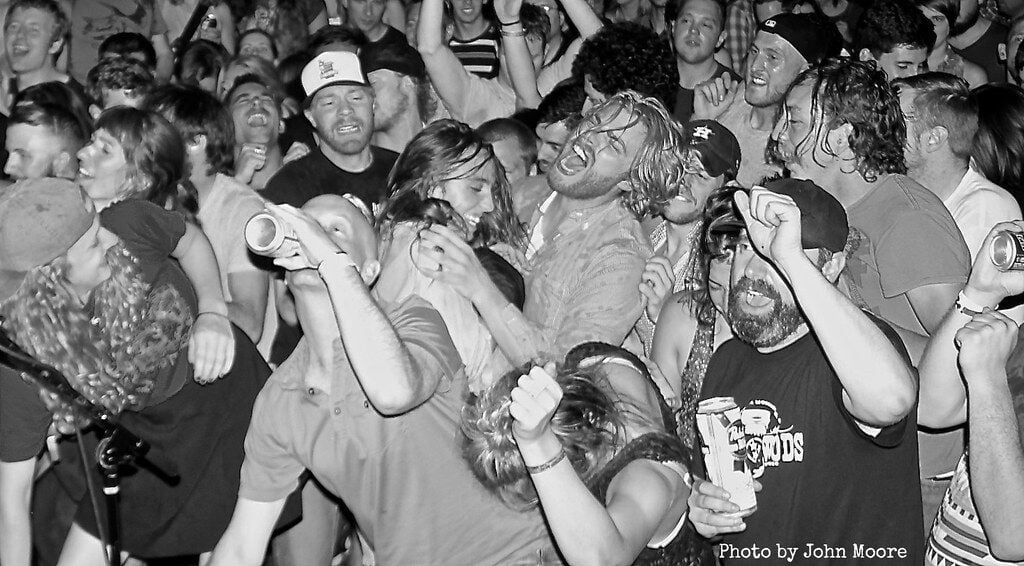
The crowd at 3Kings at the UMS.
JOHN MOORE/DENVER GAZETTE


The crowd at 3Kings at the UMS.
DeVotchka frontman Nick Urata said coming out on top in the 2002 poll and being featured in the Sunday Denver Post — and then being asked to headline the first (real) showcase that year — forever changed the trajectory of the band. That’s one sentimental reason DeVotchKa agreed to come back and headline the 25th anniversary UMS, even before anyone knew this one will be the last.
“’Underground band’ is a nice way of saying, ‘Hanging on by a thread,’” Urata said. “Every show is do-or-die, and the odds of anybody caring are slim. Your job sucks, and so does your gear.”
“On the flip side, sometimes all it takes is that one spark of validation from the people who love to write about music, and you’re off to the races — or in our case, the Oscars. That’s what the first UMS did for us. Now playing the last one with 23 years of life in between feels sort of like the end of the bio-pic — and, sadly, the end of an era.”
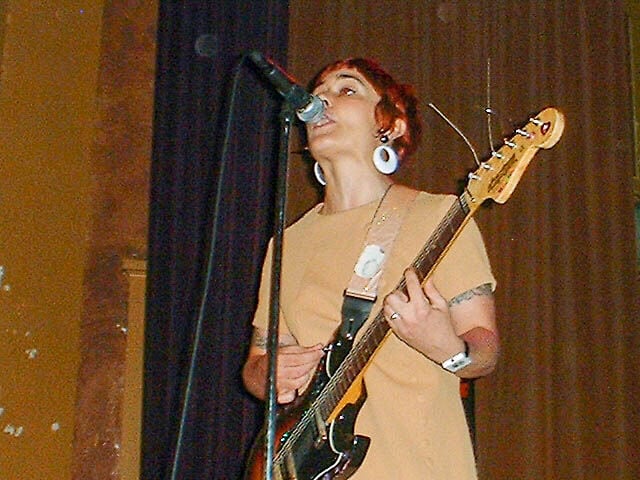
Tammy Ealom of Dressy Bessy plays in the 2004 UMS at the Gothic Theatre.
JOHN MOORE/DENVER GAZETTE


Tammy Ealom of Dressy Bessy plays in the 2004 UMS at the Gothic Theatre.
Thanks for the memories
Speaking of trajectories, the UMS’ changed with Baca, who by 2010 had nursed the baby fest into a monster made up of 325 bands over four days in 20 venues. By then, Karolyi said on City Cast, the UMS had become Denver’s “untouchable brand.”
“People want the unmissable, No. 1 thing, and in Denver for the last 15 years, if you are a music fan, the UMS is that thing,” he said.
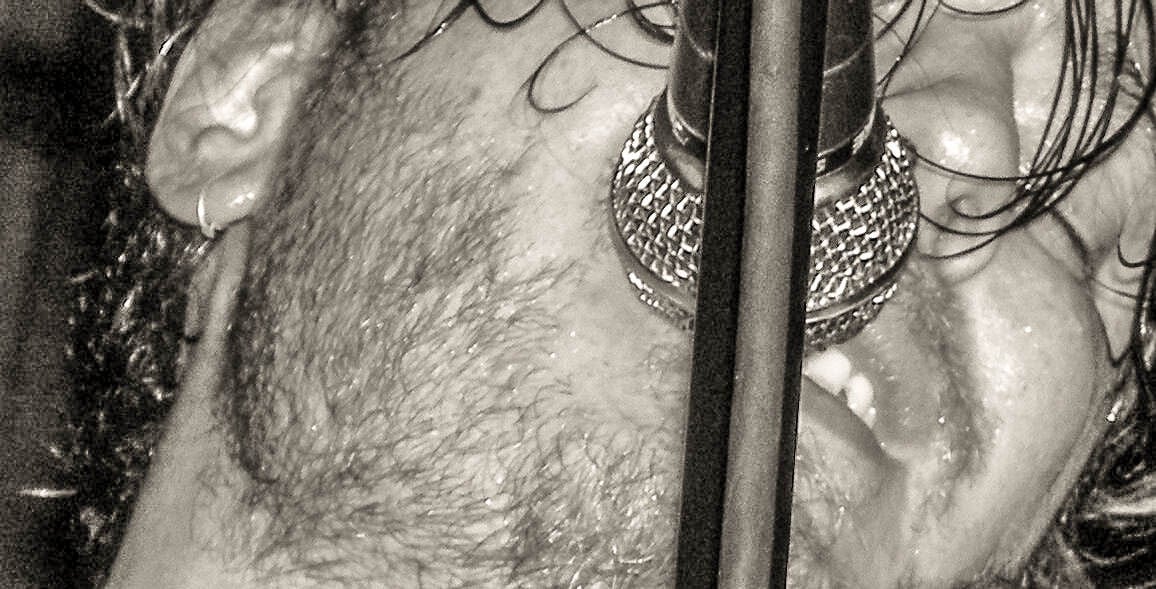
Garred O'Donnell of Planes Mistaken for Stars at the Bluebird Theatre in 2003. O'Donnell died of cancer in 2021.
JOHN MOORE/DENVER GAZETTE


Garred O’Donnell of Planes Mistaken for Stars at the Bluebird Theatre in 2003. O’Donnell died of cancer in 2021.
So why is it going away? The way Davies breaks it down on her podcast makes it all seem almost inevitable.
When I threw that first showcase at the Bluebird in 2002, there might have been eight or 10 other live music options in Denver that night. Tonight, there are nearly three times that many. When Metallica is drawing 152,000 to Mile High, each paying at least $85, it has an impact on what else they can and can’t afford. In 2001, Red Rocks was booked on about 120 nights. In 2025, that number will come in at more than 225. Each asking for more disposable income from local music fans.
“Ticket prices have gone up, and people just don’t have the money to do it all,” Davies said. Plus – it’s Denver. “It’s expensive.”
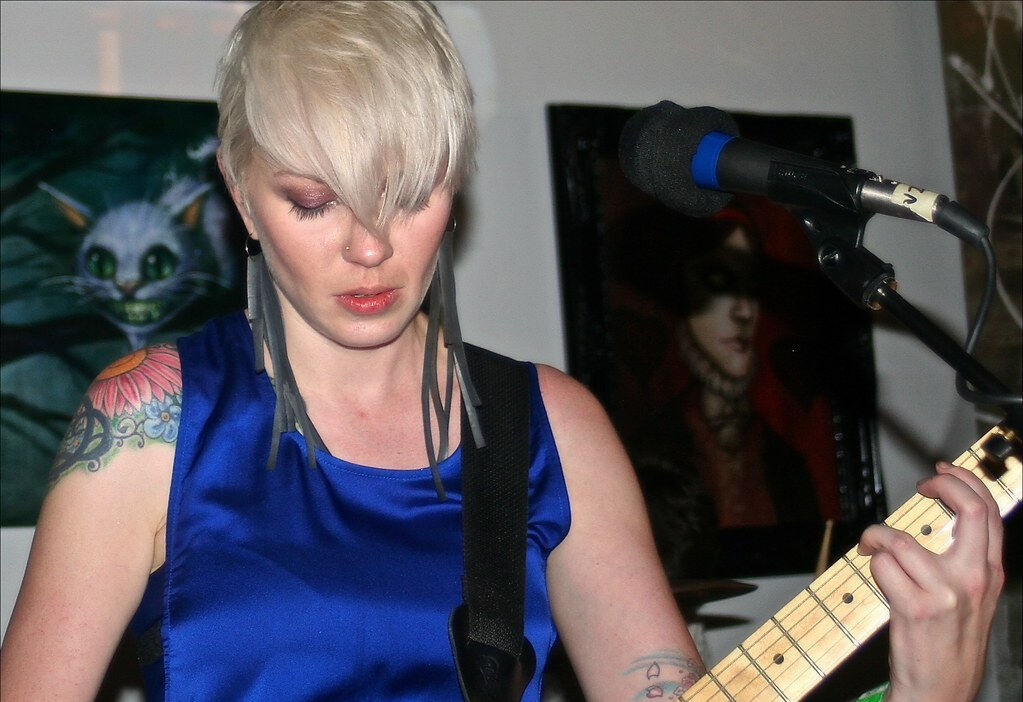
Kitty Vincent of Le Divorce plays at the 2013 UMS.
JOHN MOORE/DENVER GAZETTE


Kitty Vincent of Le Divorce plays at the 2013 UMS.
Given what the UMS has grown into, I have come to think of my small role in starting it as simply setting up a domino, tipping it, and watching it go and grow. As the numbing reality sets in that the 25th year might well be the final domino, I am struggling with what’s being lost. The economic impact. The community. The charming collegial aspect to it all. And I’m finding that my fondest memories are becoming less individual performances and more the larger sense of gathering in community.
People have been trading legendary UMS stories all week around town and online. I have to say, it was pretty cool in 2010, when then-Denver Mayor John Hickenlooper stopped onto the mainstage to introduce Denver hip-hop act the Flobots, mentioning Baca and me by name.
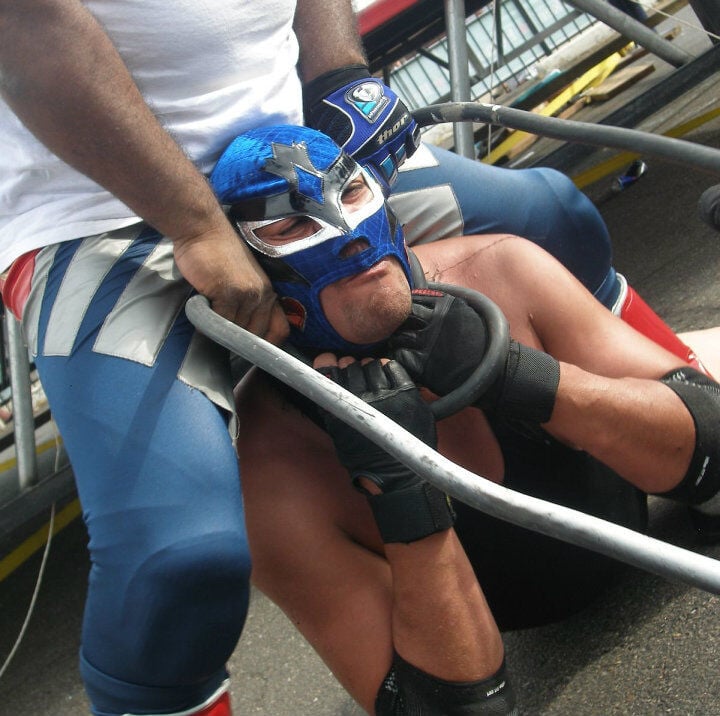
In 2010, masked Mexican Lucha libre wrestlers were part of the annual Underground Music Showcase along South Broadway.
JOHN MOORE, DENVER GAZETTE


In 2010, masked Mexican Lucha libre wrestlers were part of the annual Underground Music Showcase along South Broadway.
“Forget Austin, Texas,” Hickenlooper told the crowd. “I’m sick of hearing about Seattle or Portland. It’s happening right here in Denver!”
Probably the most fun winning band for me to profile was 2003 winner Planes Mistaken for Stars, whose members hailed from Peoria, Ill., and left for Colorado together in something of a mass exodus.
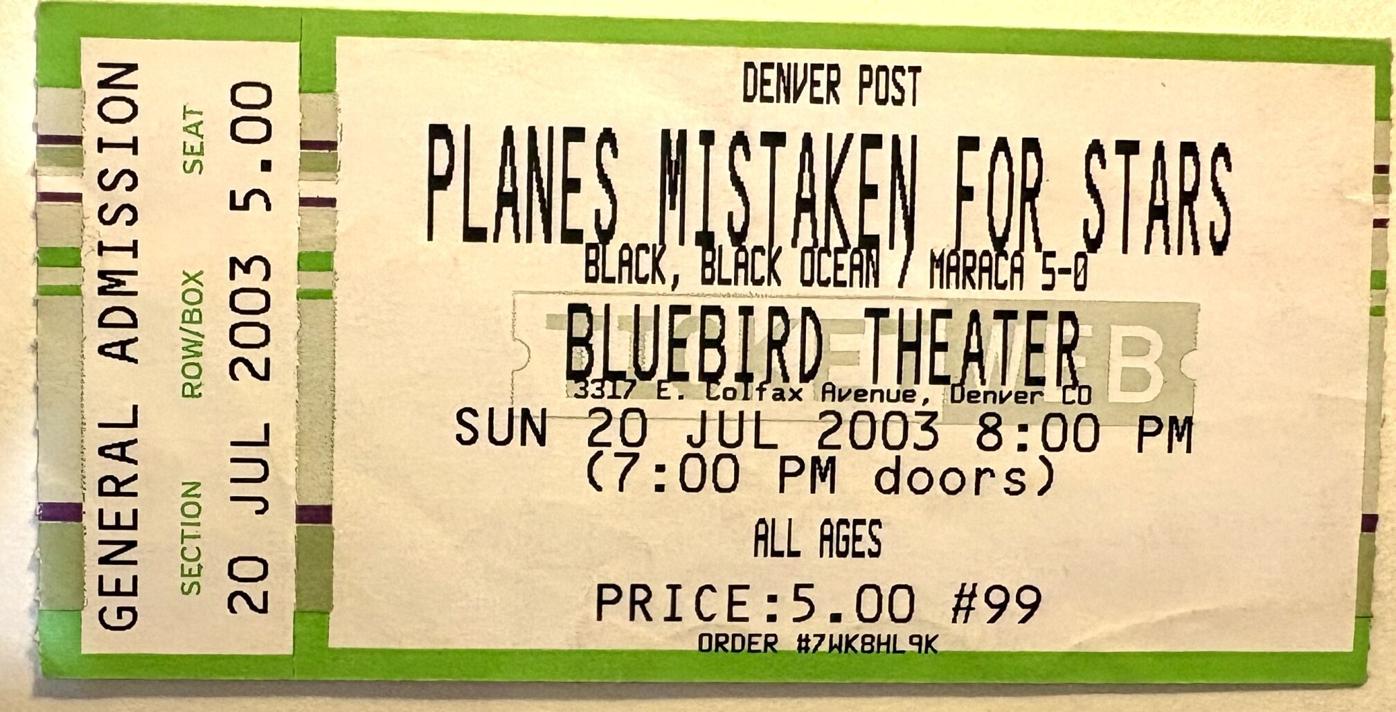
Planes Mistaken for Stars filled the Bluebird Theatre to capacity in 2003, really just the second year of the Denver Post's annual underground bands showcase, which came to be known at The UMS in 2006.
JOHN MOORE/DENVER GAZETTE


Planes Mistaken for Stars filled the Bluebird Theatre to capacity in 2003, really just the second year of the Denver Post’s annual underground bands showcase, which came to be known at The UMS in 2006.
In our interview, bassist Jamie Drier described Peoria as “a racist town where you drink yourself to death because you’re never going to leave it,” among other gems. That story made its way to a Peoria newspaper columnist, who ignited something of a “Bonfire of the Vanities” firestorm by publishing my email address and encouraging affronted Peorians to come after me and my bosses. Some did. (Some to say the boys had nailed it.)
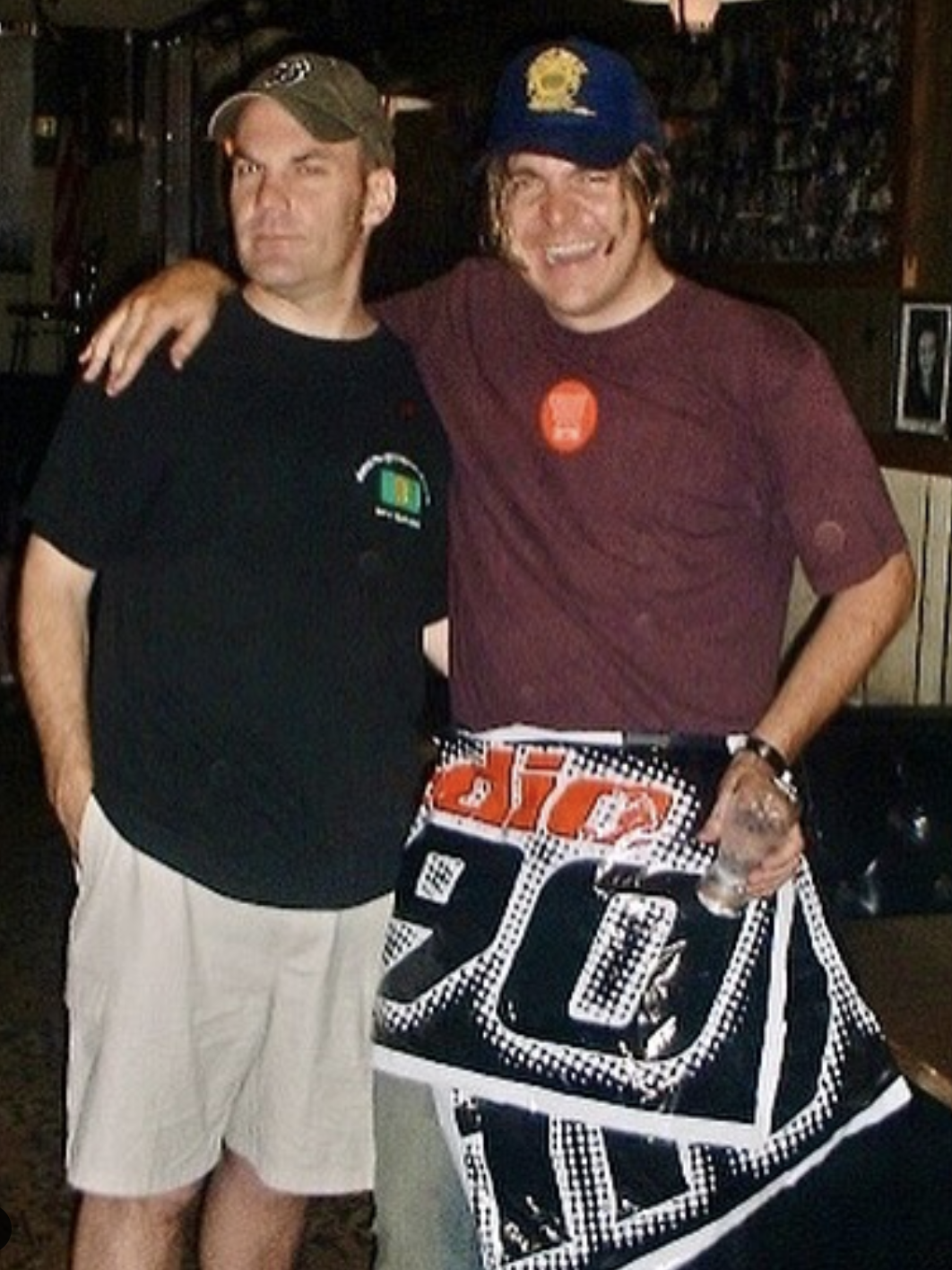
Underground Music Showcase founders John Moore, left, and Ricardo Baca unwinding at the PS Lounge after the 2003 UMS at the Bluebird Theatre. Baca is wrapped in a plastic Radio 1190 banner representing the CU Boulder student-run radio station that partnered with the event.
JOHN MOORE, DENVER GAZETTE


Underground Music Showcase founders John Moore, left, and Ricardo Baca unwinding at the PS Lounge after the 2003 UMS at the Bluebird Theatre. Baca is wrapped in a plastic Radio 1190 banner representing the CU Boulder student-run radio station that partnered with the event.
But my favorite UMS memories will always be watching the community connect. For four days each July it seemed that if you were a local musician, you stopped your calendar and just hung out together at the UMS. Friendships made and made better.
I remember Baca thanking three dozen volunteers by arranging for all of us to BBQ and hug it out in the rain at a Film on the Rocks screening. And I will never forget the night in 2012 we got word of the late-night massacre at the Aurora movie theater. Playing on the next day, it seemed, was the ultimate act of defiance against hate.
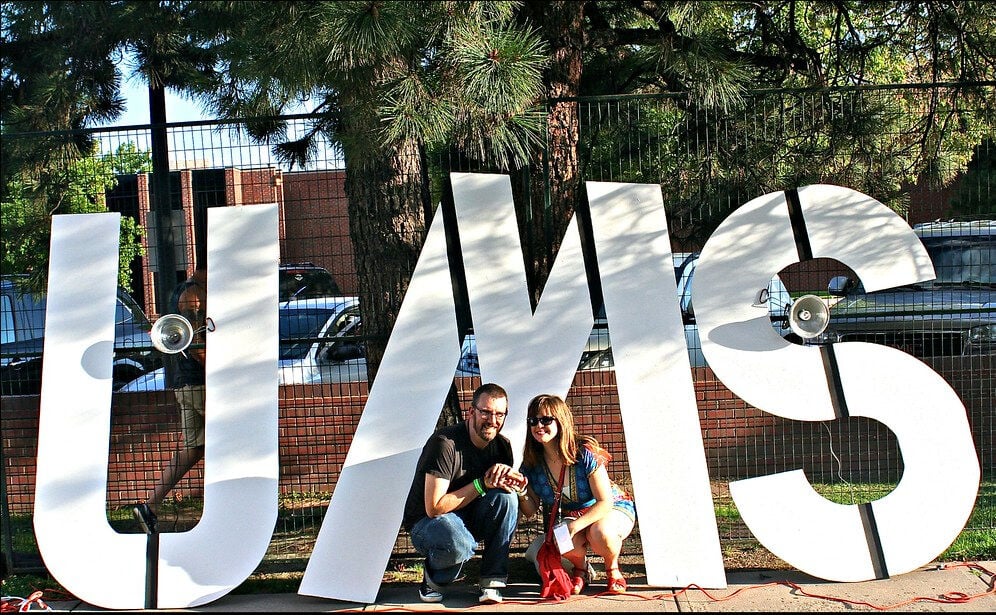
Brian and Catherine Freeland at the 2013 UMS.
JOHN MOORE/DENVER GAZETTE


Brian and Catherine Freeland at the 2013 UMS.
But what I loved most is that the UMS really was for lovers. The UMS was almost always on the last weekend of July, same as my friends Brian and Catherine Freeland’s wedding anniversary. When the UMS started up, and for a decade to follow, the UMS was their anniversary tradition.
“Our kids would go to the grandparents and we’d celebrate our anniversary with the UMS and movies at the Mayan,” Brian Freeland said.
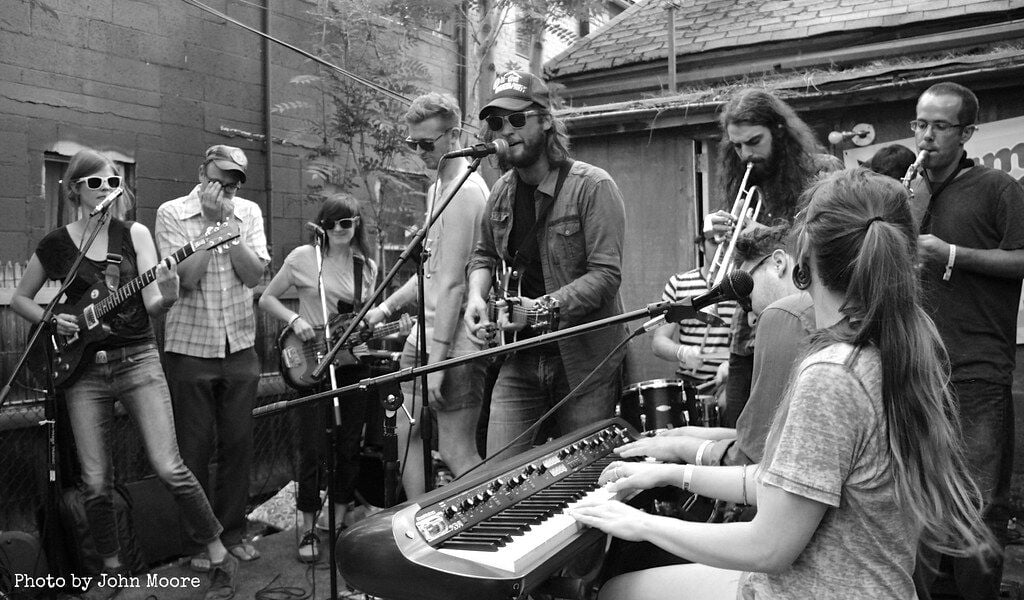
A backyard non-UMS UMS party at the Meese house in 2015.
JOHN MOORE/DENVER GAZETTE


A backyard non-UMS UMS party at the Meese house in 2015.
Back in 2004, a P.R. pro I often worked with named Jenny Schiavone asked Baca, by then The Post’s music critic, and me to sit down with brothers Patrick and Nathan Meese over pizza to talk about the local music scene and discuss potential directions their budding band, called Meese, might take. Turns out the brothers were already well on their way, and I had little of use to add to the conversation. But I made an immediate, real-life connection with the brothers, who played most every UMS for a decade and started one of its enduring rebel traditions. They lived together in a yellow rented house in the heart of UMS territory, and they started legendary backyard “Banana Stand” parties that became so big, Rateliff and other bands set up and played on the roof. It was spectacular to behold.
And in 2014, I officiated Nate’s wedding.
Friendships made and made better. The UMS did that.
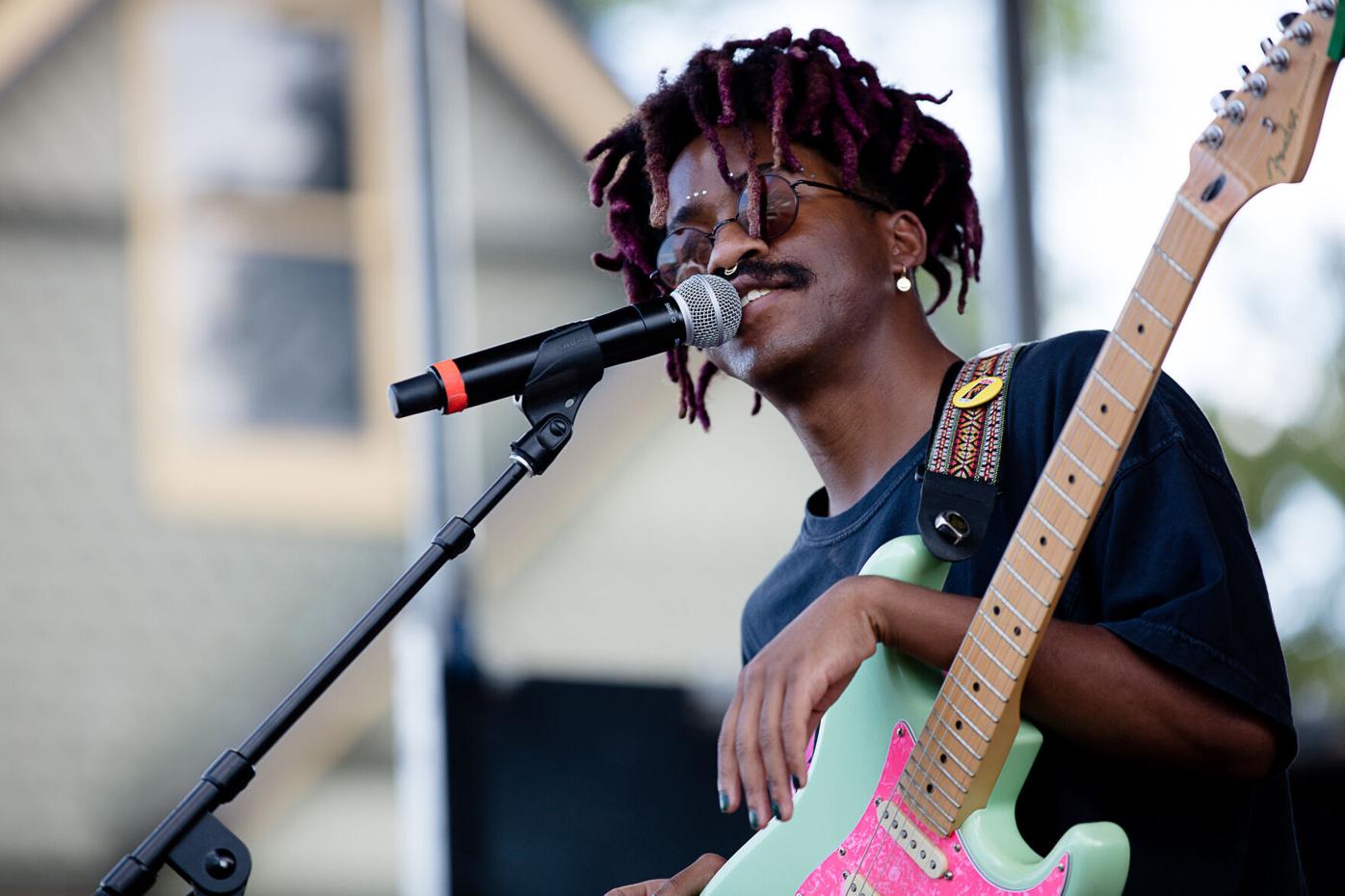
Josh Shaw of Blvck Hippie, talks with the audience during a sound check before their performance at the 2022 UMS.
Sara Hertwig/for The Denver Gazette


Josh Shaw of Blvck Hippie, talks with the audience during a sound check before their performance at the 2022 UMS.
And now that this is ending has me thinking back to before the beginning. A week before that first poll was published in 2001, Gothic Theatre Manager Mary Robertson was confronted in the lobby by a patron who demanded to know: “Why hasn’t there been a good Colorado band since Big Head Todd and the Monsters?”
The answer was: There have been. Dozens. She just hadn’t heard of them. Our goal was to change that.
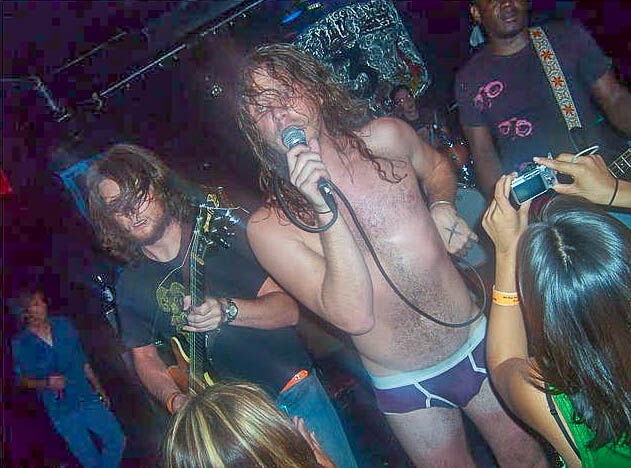
Scenes from the Underground Music Showcase
JOHN MOORE/DENVER GAZETTE


Scenes from the Underground Music Showcase
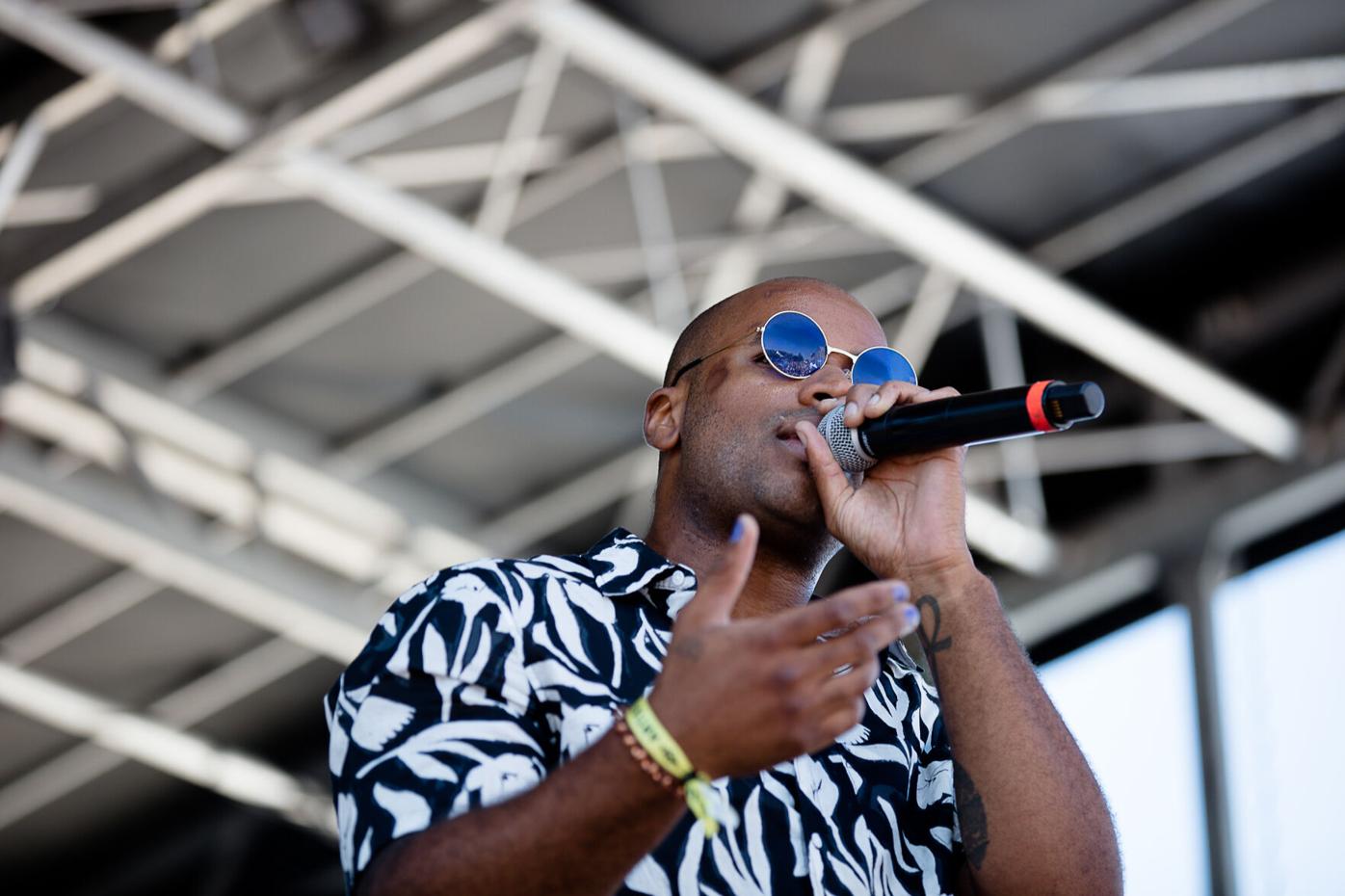
Kid Astronaut performs on an outside stage during the 2022 Underground Music Showcase on South Broadway.
Sara Hertwig/for The Denver Gazette


Kid Astronaut performs on an outside stage during the 2022 Underground Music Showcase on South Broadway.
John Moore is The Denver Gazette’s senior arts journalist. Email him at [email protected]