







Drug use flyer reignites ‘harm reduction’ debate in Denver
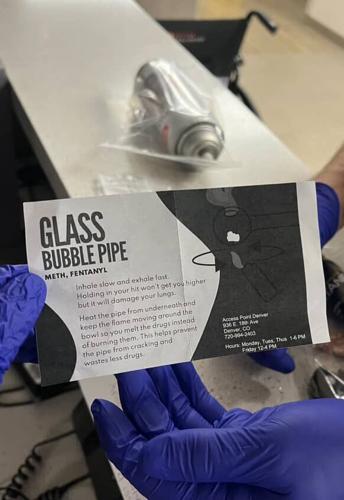
A small flyer distributed by harm reduction advocates, Access Point Denver, to individuals who may use a glass bubble pipe to smoke meth or fentanyl has been raising as many questions as it has eyebrows. The city recently approved more than $3 million to fund the outfit's efforts to meet “the increased demand for services.”
Instagram user @DoBetterDenver
“Inhale slow and exhale fast — holding your breath won’t get you higher, but it will damage your lungs.”
That’s just some of the advice found on a small flyer distributed by Access Point Denver to individuals who may use a glass bubble pipe to smoke meth or fentanyl.
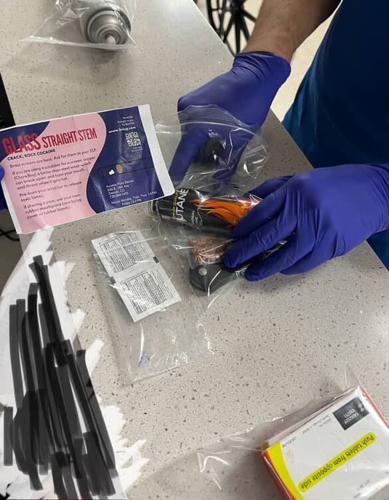
There are also instructions for crack and rock cocaine.
The flyers, which have been circulating on social media, have raised almost as many questions as they have eyebrows.
Operated by Colorado Health Network, Access Point Denver is a harm reduction program offering services such as drug checking, overdose prevention and sterile needle exchanges to reduce the transmission of diseases among drug users.
In June, the Denver City Council unanimously approved a 24-month contract extension worth more than $3 million that funds Access Point Denver’s efforts to meet “the increased demand for services.”
A spokesperson for Access Point Denver told The Denver Gazette that the slip of paper is part of an HIV and Hepatitis C prevention program kit and that “understanding the intended audience” for the paper insert is critical.
“It’s written to resonate with people who use drugs,” Access Point Denver Prevention Services Manager Kristin Doneski said. “While the language may be alarming to others in our community, it’s directed at folks who are opting for a less harmful mode of drug use – smoking versus injecting.”
The kits, which include sterile supplies, are distributed by trained Access Point Denver employees from both its 936 E. 18th Ave. brick-and-mortar location as well as a mobile outreach unit, “along with conversations and resources, including options for care and treatment.”
Critics argue that such programs enable drug users to continue using at the expense of taxpayers and do little to reduce the root cause.
Vending machines offering the life-saving overdose drug naloxone, free of charge, are appearing in police stations and outside of hospitals.
“It doesn’t make sense to me,” said Denverite Angela Barnes as she was leaving the downtown Denver Public Library to catch her bus. “It’s like, ‘Here’s how to smoke your meth, but oh, if you overdose, there’s a vending machine that will give you free Narcan.’”
Homeless Healthcare LA, like Access Point Denver, offers a variety of “harm reduction” programs to drug users in the city.
But in 2024, The New York Post reported that while Homeless Healthcare LA provided smoking accessories to anyone who wanted them, addicts told The Post that selling the “free crack pipes helps them afford more drugs to feed their habit.”
In recent years, San Francisco’s public health department advised people who use drugs to do so with friends to try to prevent overdose deaths.
Critics said that it sent the wrong message.
Mayor Daniel Lurie, who took office in January, has vowed to solve the city’s fentanyl crisis. Last year, more than 600 people died from accidental overdoses.
He ordered city-funded nonprofits to offer treatment or counseling options before giving out certain paraphernalia, such as foil and pipes, and they will no longer be allowed to distribute those items in parks and on sidewalks.
Nearly 600 people have died of an overdose in Denver, according to preliminary data from 2023.
Close to 400 of those involved fentanyl.
“We do not tolerate open drug use,” said Denver Mayor Mike Johnston spokesperson Jordan Fuja. “However, our goal is to help people experiencing addiction get access to treatment, which is why we continue to use our Roads to Recovery program to connect hundreds of people to treatment options quickly and effectively.”
Part of Johnston’s larger citywide goals, the Roads to Recovery initiative prioritizes mental health and substance abuse treatment before incarceration can happen.
“Harm reduction is a useful tool to save lives and help people access support from providers they trust and eventually get treatment to help them get sober and back on their feet,” Fuja added.
Earlier this year, council members were divided by an 8 to 5 vote that removed the cap on the number of needle exchange sites permitted in the city and lifted a distance barrier prohibiting such sites from operating within 1,000 feet of schools and daycare centers.
Unlike supervised injection sites, needle exchange programs, or syringe access programs as they are sometimes called, do not permit the use of drugs on site, but provide users with a mechanism to dispose of used syringes, access sterile syringes properly, and offer resources such as counseling.
Days later, Johnston vetoed the measure, calling it “the wrong solution at the wrong time.”
In a letter to council members, Johnston stated that he supports the syringe access program “as it currently operates,” as evidenced by the city’s continued funding of more than $526,000 per year.
Flyers like the ones included in the Access Point Denver kits alleviate the burden on medical systems, said Izzy Pike, director of prevention services at Colorado Health Network. “If a substance is consumed safely and with safe materials, we have less use of the emergency room for wounds, overdose and other related injuries.”
Pike also said that including information in the kits can also aid in the mitigation of long-term health effects from substance abuse.
“It’s important to note that education is not encouragement or condonement,” she added.
The Associated Press contributed to this story.