







Douglas County breaks ground on $3 million ‘biochar’ facility

Douglas County officials celebrate breaking ground on the new Douglas County Biochar Facility on Wednesday, July 23 in Sedalia, Colorado.
Courtesy photo, Douglas County
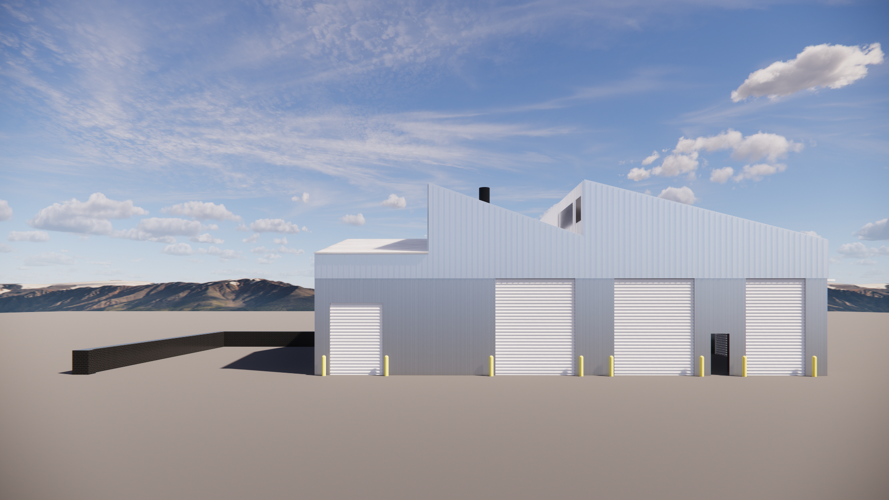
Colorado will soon be home to a facility that transforms hard-to-dispose waste into a form of charcoal that, in turn, could also help to mitigate the chance of wildfires in a large county south of Denver.
Douglas County has long pursued strategies to prevent wildfires. It recently purchased its own response helicopter, for example.
Now, it’s investing more than $3 million on a new “biochar” facility that it started construction on Wednesday following a ground-breaking ceremony.
By selling biochar as a “multi-use organic product,” officials said the county anticipates earning its investment back within the next nine years. Last year, commissioners approved the new facility to open in 2026 near Waste Connections along Santa Fe Drive in Sedalia.
Biochar serves as a “black carbon” made from heating up diseased wood, wood chips, plant residues, manure and other agricultural waste products in a low-oxygen environment, according to the USDA Agricultural Research Service.
Experts believe the use of biochar goes back thousands of years ago. It is said to be used in the Amazon basin as a fertile soil known as “Terra Preta” or “dark earth.”
Today, Douglas County officials said biochar is needed for wildfire remediation, forest restoration and recycling efforts.
“(Biochar) captures carbon before it can be released into the atmosphere, creating a carbon-rich product that can be used to improve soil structure, nutrient retention, microbial biomass and moisture retention,” officials said in a Wednesday news release.
Old or diseased wood, even some organic material, are more susceptible to wildfires. So, instead of disposing of chippings elsewhere, residents can drop off their “hard-to-dispose” waste at the biochar facility.
County officials advertised biochar as a “cost-effective” way to “expand wildfire prevention to a greater number of acres per year.”
“The biochar facility will serve as a much-needed local outlet for the non-marketable wood from wildfire remediation and forest restoration efforts,” the county said in news release.
Eventually, the biochar site will also serve as a waste drop off for hazardous household chemicals, residential yard waste, electronics and more, county officials said.
Douglas County commissioners on Tuesday approved the purchase of three items for the facility — a $1.6 million pyrolysis rotating drum model, a $1.1 million log chipping and grinding system, plus a $496,000 feedstock handling system.
During Wednesday’s groundbreaking, Douglas County officials claimed it’s the first county in the nation to operate a biochar facility.
The first city-run biochar facility is located in Minneapolis, Minn., which expects to begin producing biochar in the fall — partly in response to Emerald Ash Borer’s damaging wood in trees, according to officials in the Twin Cities.
“Having the first county operated Biochar facility in the nation means before our helicopter has to fight a fire, citizens can mitigate their land with a matching grant from the county,” said Douglas County Commissioner Abe Laydon, who leads the county’s wildfire action collaborative.
Laydon noted clean carbon products can reduce water consumption on golf courses by up to 50%, fertilize lawns and remove chemicals like polyfluoroalkyl out of water.
Douglas County already offers a slash mulch site to dispose of yard waste and further avoid wildfire risks. It’s possible that site may be replaced as a result of the new biochar facility, according to county spokesperson Caroline Frizell.
“Now,” Laydon said, “we will have a zero emission location to bring that woody biomass which will be turned into clean carbon products like gold in a treasure box.”