







DoBetterDNVR dustup shows the pitfalls and promise of citizen journalism | Vince Bzdek

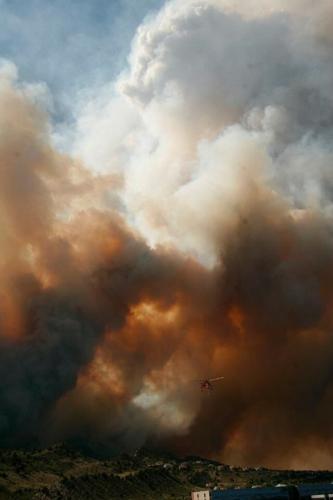
This citizen journalism photo taken with a cell phone by Stefanie Gordon aboard a passenger flight from New York to Palm Beach, Fla. ,shows the space shuttle Endeavor as it streaks toward orbit shortly after liftoff on May 16, 2011. Gordon says she had just awakened from a nap on the flight when the pilot announced the shuttle might come into view.
via The Associated Press file



A high-profile experiment in citizen journalism is playing out in Denver right now, triggering animated argument on X and Instagram and at least one prominent podcast, as well as prompting an effort by a local media outlet to identify who is behind the anonymous posts.
The platform in question is DoBetterDNVR, which bills itself as a “citizen journalist reporting crowdsourced content,” with the added tagline “Let’s find compassionate, tough-love solutions to homelessness.”
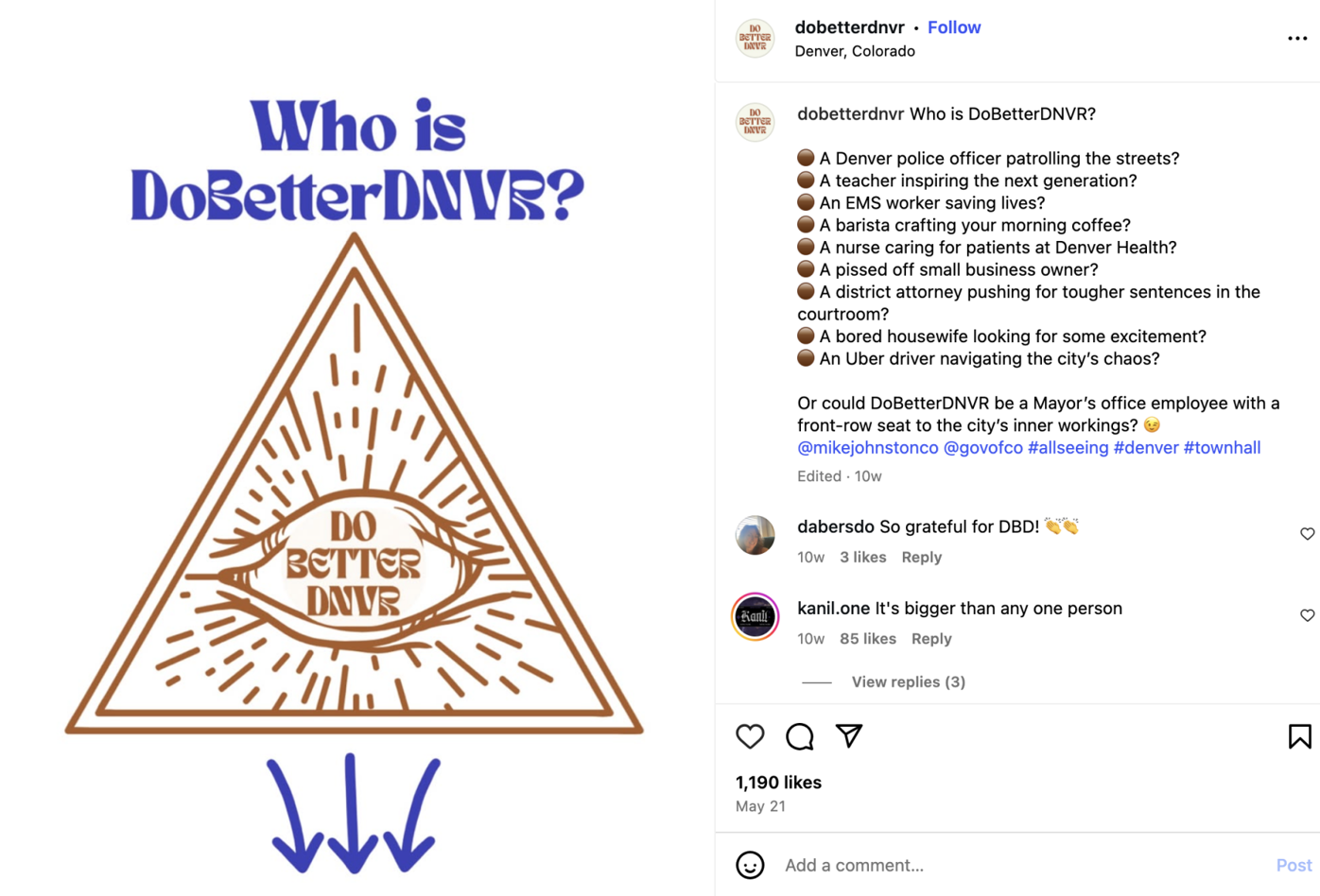
Screenshot from the dobetterdnvr Instagram account.

Screenshot from the dobetterdnvr Instagram account.
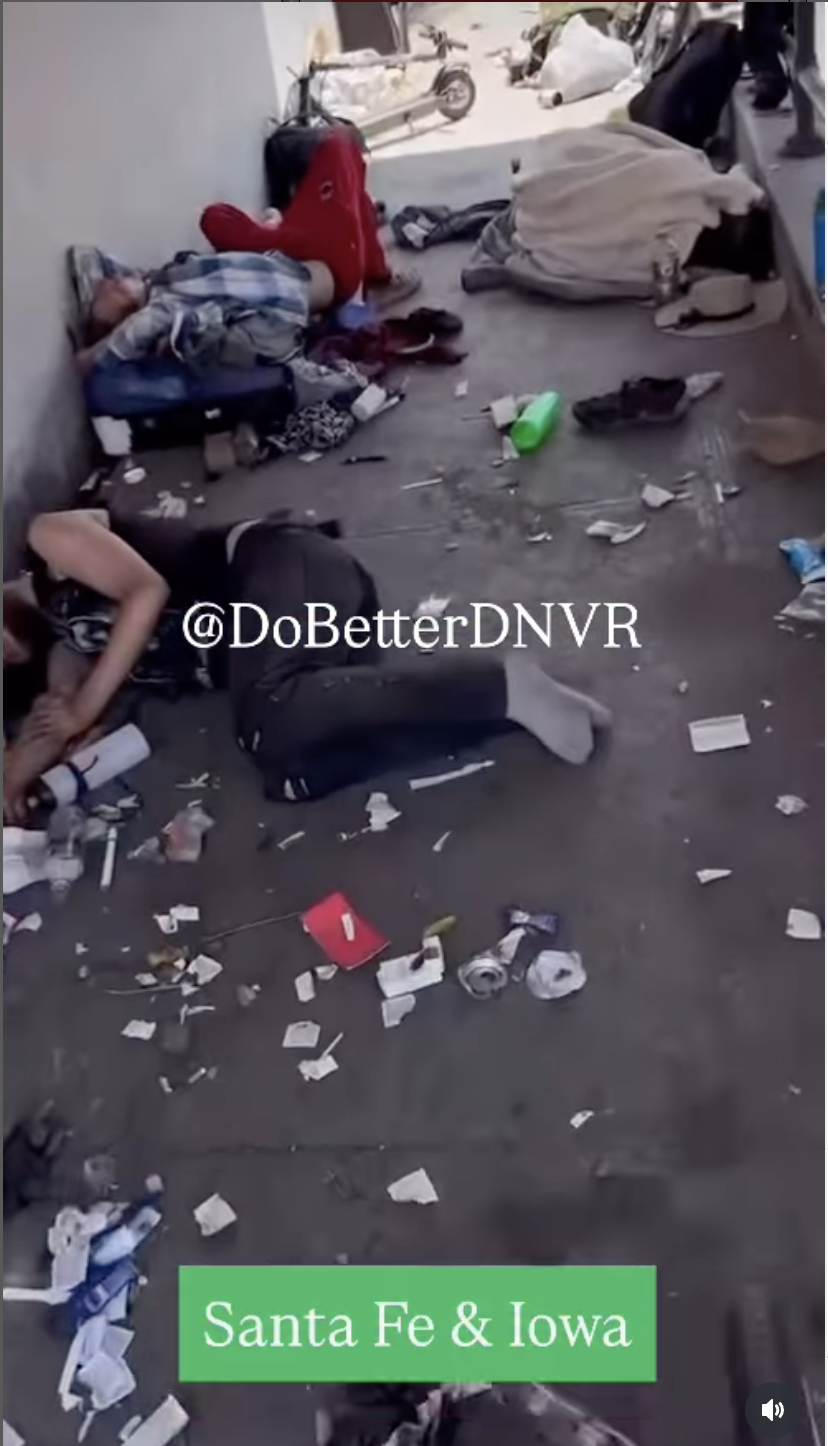
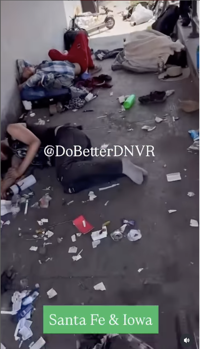
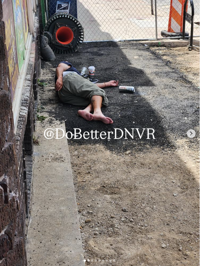
The “citizen” is actually a host of contributors who have gained boatloads of attention, and more than 144,000 followers, by posting unvarnished videos and photos of homeless people and drug users on the streets of Denver, as well as crimes in progress accompanied by impassioned pleas for Denver to do better.
The platform has faced criticism for shaming and bullying some of the people in its videos, and it has been subject to investigations by other media and possibly police, some of which it claims are attempts to silence its voice.
There is inevitably a political component to this. The platform sharply criticizes Denver’s Democratic political leaders for not doing more to eliminate homelessness and crime, and its contributors tend to lean right.
A commentator on the progressive-leaning City Cast Denver podcast described DoBetterDNVR this way: “The voice of the conservative suburbs. The id of the conservative suburbs.” Former Republican gubernatorial candidate Heidi Ganahl is a big supporter, as are other high-profile conservatives.
I would argue that is not a bad thing in a town and a state led almost exclusively by liberals. Counter voices of accountability and skepticism are as necessary to the functioning of a Republic as fresh gusts of air are to lungs.
Despite the controversy it has generated, I don’t expect that DoBetterDNVR is going away anytime soon. The controversy may likely gain it followers. And citizen journalism is here to stay.
Screenshot from the dobetterdnvr Instagram account.

“Acts of citizen journalism can be extremely important as the Pulitzer board recognized in 2021 when it gave a special citation to Darnella Frazier, who was 17 when she recorded the murder of George Floyd,” Jeff Roberts, head of the Colorado Freedom of Information Coalition, told me in an email. “The board praised ‘the crucial role of citizens in journalists’ quest for truth and justice.”
Roberts works with people every day who use public records laws and open meetings law to shine a light on what government is doing.
“Some post their findings on the internet or pass along what they’ve learned to professional journalists. That can be very valuable,” he said.
We are all journalists now, in other words, given the revolutionary access to information the internet has opened up. And the ubiquity of phones everywhere has changed the way the world is able to document breaking news such as crime, catastrophe and political misbehavior in real time.
“But if you’re going to call yourself a journalist, that comes with a lot of responsibility,” Roberts reminds. “To have any credibility as a source of news, people need to know who you are, whether you have an editorial point of view, the ethical standards you abide by, and whether you’ve verified the information you’re reporting.”
Roberts would argue against the anonymity that DoBetterDNVR claims is so important to their ability to convey unfiltered truths. But I like the statement they posted Friday after a news article identified three of its contributors and reported on some of the controversy around its methods and the anonymity of those contributors. The statement tells us what their standards and aims are.

Screenshot from the dobetterdnvr Instagram account.

Screenshot from the dobetterdnvr Instagram account.
“DoBetterDNVR was born from growing unease among residents about the direction of our city and the lack of open dialogue on pressing challenges,” the statement said. “Supported by thousands of contributors, DoBetterDNVR is a collective driven by a shared commitment to truth and transparency. Everyday citizens submit videos, photos and information to spotlight issues like crime, homelessness and government failures. We share these responsibly to foster constructive conversation, not to target individuals or incite harm.”
That sounds like a solid first step toward adopting ethical standards to me.
DoBetterDNVR has also been criticized for reporting active crimes in progress that weren’t actually happening, and active fires that didn’t turn out to be real, according to City Cast. Sometimes contributors jump the gun and overstate what they know about a situation in progress.
They would do well to admit when they are wrong.
“Above all, you must correct your mistakes,” Roberts said. “And journalism isn’t just about putting facts out there — it’s also about understanding and accurately relaying the context.”
I’ve said before that what sets apart professional journalism from other forms is editors. Editors who fact check, proofread and vet stories for balance, fairness and accuracy. Ironically, citizen journalism, while a welcome addition to the mediascape, highlights the importance of editors and professional journalism even more.
What would be really cool is if DoBetterDNVR morphed itself into a professional journalism site, I think, maybe even adding some editors. The immediacy and real-time reporting of what they do is a welcome addition to the current conversation on homelessness and crime in our state, and such sites might be able to fill in the gaps where professional journalism has been cut back.
The Poynter Institute once put out a report on citizen journalism that held out great hope for such symbiosis.
“It’s this vision of citizen journalism complementing and adding to professional journalism that is so compelling — at least in theory,” Steve Outing wrote in the report. “Few news organizations have the staff manpower to cover everything that their readers are interested in, but by tapping the volunteer (or cheap) resources of the citizenry, a news organization can potentially provide coverage down to the Little League team and church-group level, as well as offer better and more diverse coverage of larger issues by bringing in more voices and perspectives.”
All of this puts much more of a burden on citizens to know a lot more about how journalism works.
“The flip side of all this is, of course, media literacy,” added Roberts. “People need to be able to discern what is professional journalism that upholds a set of standards and citizen journalism that might not do so.”
My best advice to people still interested in good, verifiable journalism is to triangulate sources of news. If you see something on social media, such as a protest breaking out, don’t stop there, at the first draft. Look for the second and third draft of history, too. See how the citizen journalists and different professional journalists are reporting it, adding context, illuminating the larger forces at work in the breaking news. Find sources you really trust and can go back to again and again.
It’s actually pretty interesting to compare how different sites and reporters and media outlets present the news, like looking at Monet’s very different interpretations of the Rouen Cathedral depending on the time of day and year and the quality of light. I think Monet painted more than 30 different paintings of the exact same view.
In the end, its up to you to discern what’s most accurate and useful.
But I still firmly believe “The X Files” had it right. Keep looking hard enough and you’ll still find that “The Truth is Out There.”
Vince Bzdek, executive editor of The Gazette, Denver Gazette and Colorado Politics, writes a weekly news column that appears on Sunday.