





Gov. Polis unveils new Colorado River information hub at annual Water Congress
Jerilee Bennett, The Gazette
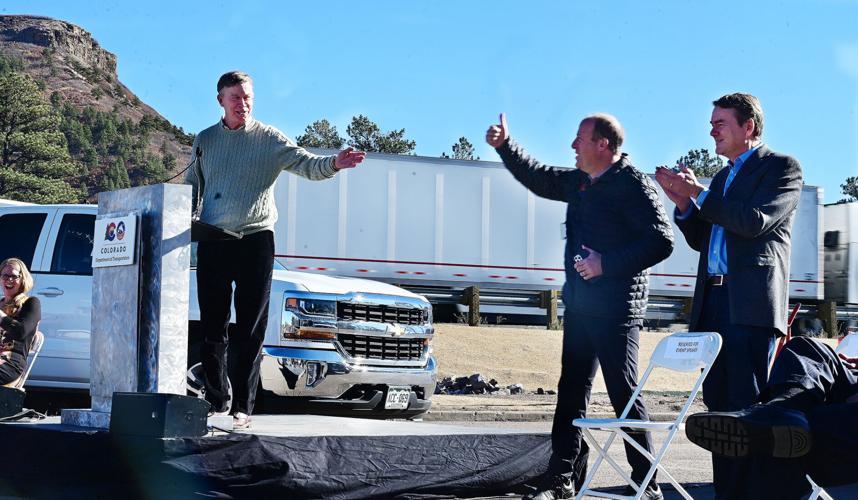
Colorado Gov. Jared Polis opened the 2025 Summer Colorado Water Congress Conference at the Steamboat Grand Hotel by unveiling a new information site and leading a panel on federal water funding and wildfire impacts.
Speaking to a packed Grand Ballroom, Polis was joined by U.S. Rep. Joe Neguse and U.S. Sens. John Hickenlooper and Michael Bennet for the panel titled “Our Washington Leadership’s Forecast for Water’s Future.” The group covered several topics, including federal water funding, watershed health, wildfire impacts, and state-federal collaboration amid shrinking resources and staff.
“What a great way to bring together our water community to discuss and debate practical solutions to our challenges,” Polis said. “That’s how we get there, by talking across basins across the state.
“We are deeply committed to make sure Colorado remains a leader for the region, nation and, indeed, world when it comes to water. There’s no doubt when it comes to water, Colorado faces a lot of challenges, from changing climate to demographic challenges to pressure from downstream states and legal uncertainty. We’re also in the midst of a very challenging fire season. Those will all be the topics you’ll talk about here,” he added.
Polis went on to announce the debut of a new information hub website —www.coloradoriver.com — as he paid tribute to “the hardest-working river in the American West.” The tagline for the site stressed that the Colorado River is one river, representing two countries, seven states, 30 tribes and 40 million lives.
“It’s a complete online hub for the Colorado River Basin featuring educational tools, maps, snowpack data, policy updates, and more,” Polis said.
Polis also touched on several other subjects, from the new Colorado water plan to funding shortfalls from the federal government, challenges facing agricultural producers, current push for beaver conservation efforts and the fight against invasive zebra mussels.
“In Colorado, we continue to adapt to build resilience in the face of a changing climate and are moving full speed ahead in implementing our Colorado Water Plan,” he said, touting his office’s recent “Ten Strategies to Protect Irrigated Agriculture” report.
Polis called the current effort to purchase and preserve the Shoshone water rights on the Colorado River a “once in a lifetime opportunity” to support water for the Western Slope, adding his administration “is going to do everything we can to get this across the finish line.”
In addressing the recent water rights lawsuit Nebraska filed against the state, Polis said, “Make no mistake, Colorado has always faithfully upheld our interstate commitments and obligations, and we are fully prepared to defend our water rights.”
As for the state’s water future, he called it one where “Colorado water users are protected, our tribal partners are included, the health of our streams and watersheds is preserved for recreation and healthy ecosystems, a future that supports our thriving agricultural and recreation industries, and a future where we build communities in a sustainable way.”
It is all related to protecting the state’s water resources in an era of increasing drought and uncertainty, which segued into the ensuing panel discussion with Hickenlooper, Bennet and Neguse.
The topics the three tackled included ensuring tribes get their share of Colorado’s water, barriers to creating increased storage, the current water lawsuit the state is facing with Nebraska, and the importance of the Colorado River’s food supply to the rest of the nation.
They added that various parties need to come to the table to get things done.
“There is a bunch of stuff going on that needs collaboration,” said Hickenlooper.
They also stressed the importance of building a coalition to release water conservation funding owed to Colorado from the federal government.
“We’re lucky to have two senators who are incredibly good at building coalitions,” said Neguse. “There’s a lot happening on a bipartisan basis with regard to agriculture and water policy.”
The main takeaway from the panel is the need for everyone to put their best foot forward — whether it’s clad in an irrigation boot or fishing wader — to work together to negotiate for Colorado’s best water interests.
As for the new Colorado water plan and drought-caused shortfalls from the original 1922 Colorado River Compact, Hickenlooper said, “If we don’t find a legitimate seven-state solution, it will ultimately get litigated and ultimately go to the Supreme Court. We have all the tools we need to sit down and figure this thing out.”
Hickenlooper also stressed the importance of rivers running free.
“Free-flowing waterways are one of the greatest ways human beings can appreciate the enormity of water in our lives,” he told Colorado Politics.

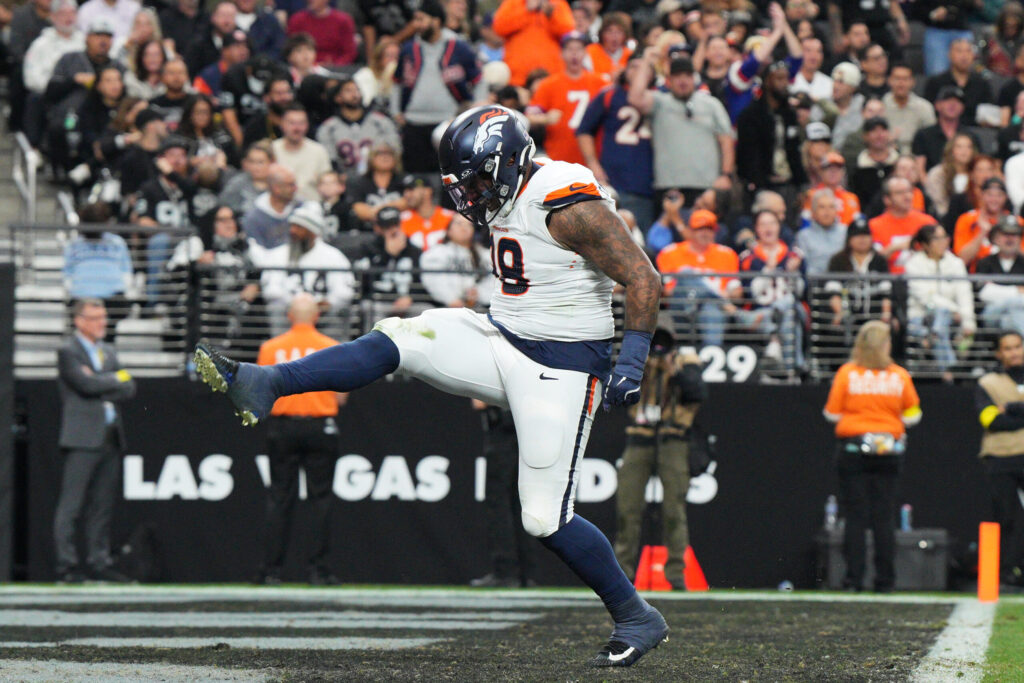
Denver Broncos ready to ‘test our stuff’ as schedule toughens after 10th straight win
Chris Tomasson
chris.tomasson@gazette.com
Updated 2 minutes ago
LAS VEGAS – During their 10-game winning streak, the Broncos have fattened up against some losing foes. The schedule, though, is about to change. The Broncos (11-2) next Sunday will face Green Bay (9-3-1) at home in a battle of...

Chris Tomasson
Reporter
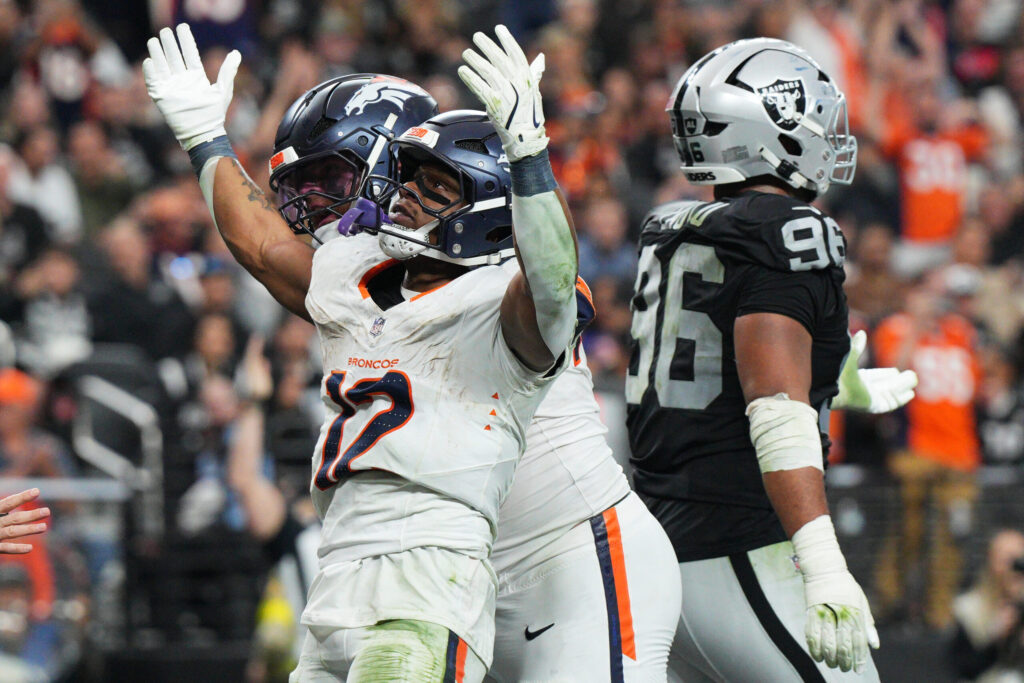
Broncos’ Harvey steals spotlight from first-round pick Jeanty in Week 14 win
Kyle Fredrickson
kyle-fredrickson@denvergazette.com
Updated 49 minutes ago
LAS VEGAS — RJ Harvey stole the show from Ashton Jeanty. The Broncos defeated the Raiders, 24-17, on Sunday at Allegiant Stadium in a clash of rookie running backs. Las Vegas selected Jeanty at No. 6 overall (first round) out of Boise State. Denver picked Harvey at No....

Kyle Fredrickson
Reporter
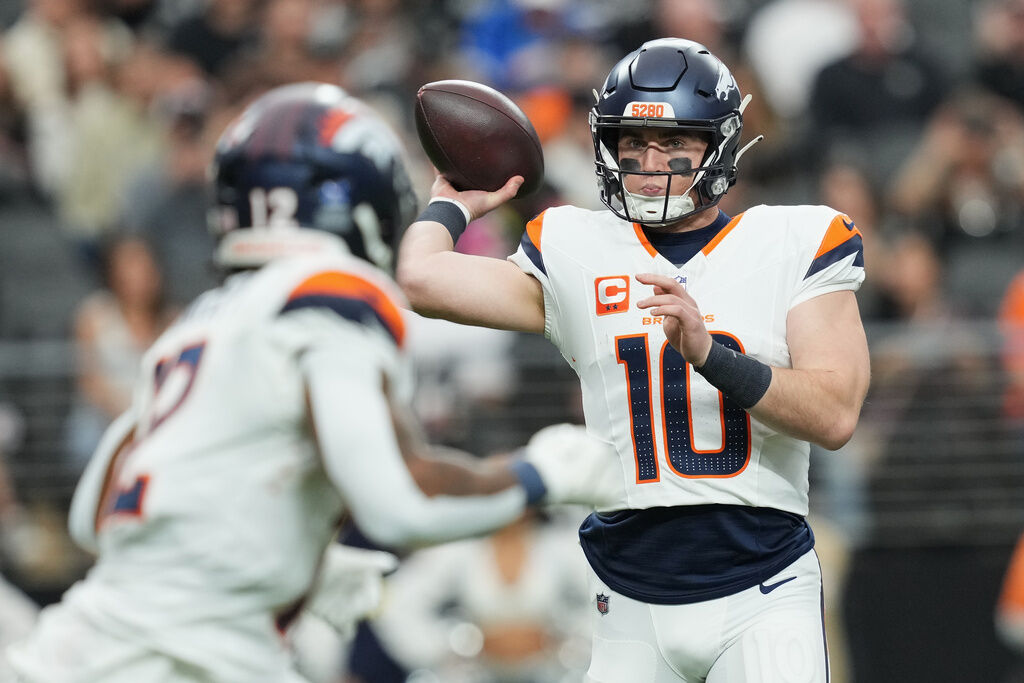
Mark Kiszla: How Bo Nix has become the Wayne Newton of NFL QBs, singing all the hits he knows by heart
Mark Kiszla
mark-kiszla@denvergazette.com
Updated 2 hours ago
LAS VEGAS – Paying tribute to Mr. Las Vegas, Broncos quarterback Bo Nix followed the tried-and-true showbiz rule of Wayne Newton. When bringing your act to the bright lights of the Strip, the audience demands you play the greatest hits....

Mark Kiszla
Reporter
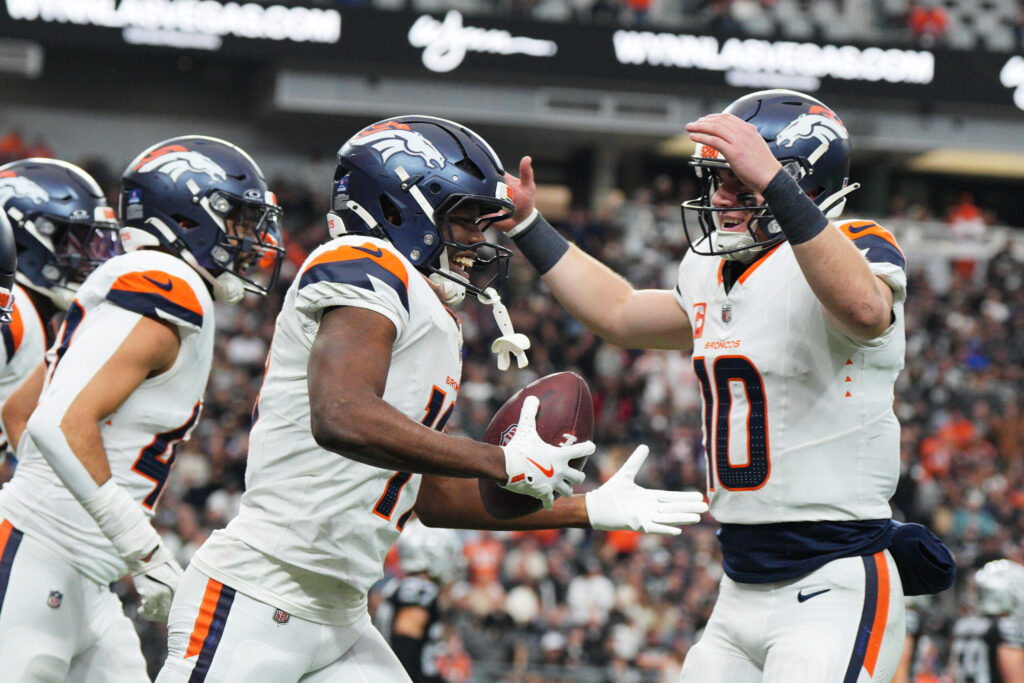
Sparked by Marvin Mims’ first career punt return for TD, Broncos roll to 24-17 win over Raiders
Chris Tomasson
chris.tomasson@gazette.com
Updated 3 hours ago
LAS VEGAS – The Broncos are winning big these days, so it was only appropriate Marvin Mims Jr. did the Mile High Salute on Sunday. The wide receiver did so after his 48-yard punt return for a touchdown in the...
Chris Tomasson
Reporter
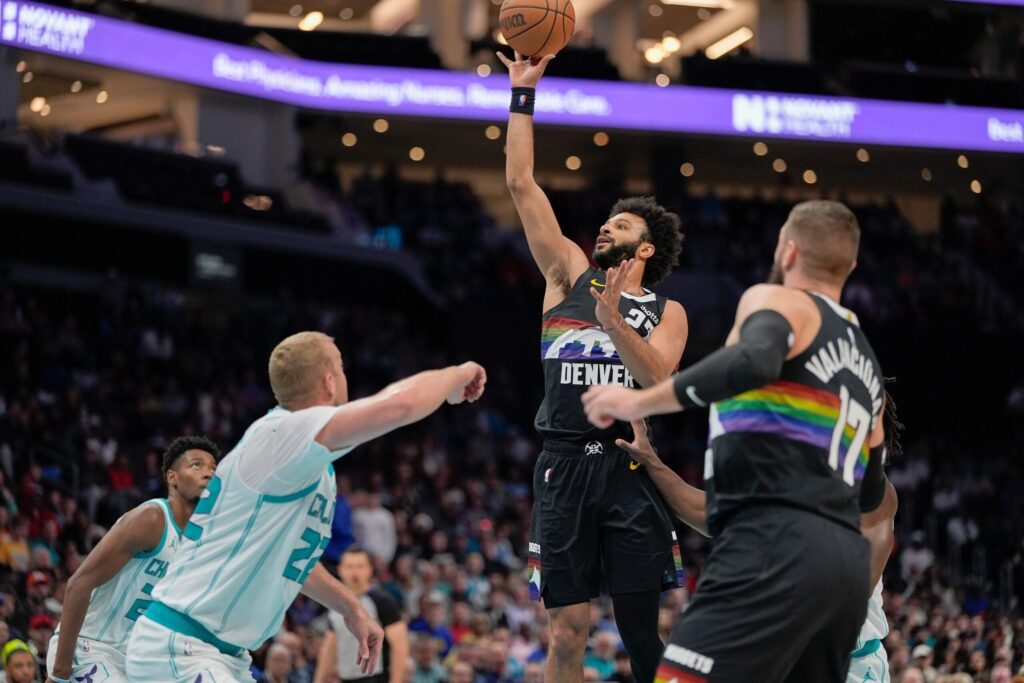
Nikola Jokic passes Michael Jordan on NBA’s assists list as Nuggets add 10th straight road win | 3 takeaways
Vinny Benedetto
vinny-benedetto@denvergazette.com
Updated 2 hours ago
The Nuggets probably were buzzing on the flight back from Charlotte after extending the franchise-record road winning streak to 10 games. Here are three takeaways from Denver’s 115-106 win over the Hornets on Sunday at Spectrum Center: 1. For a...

Vinny Benedetto
Reporter
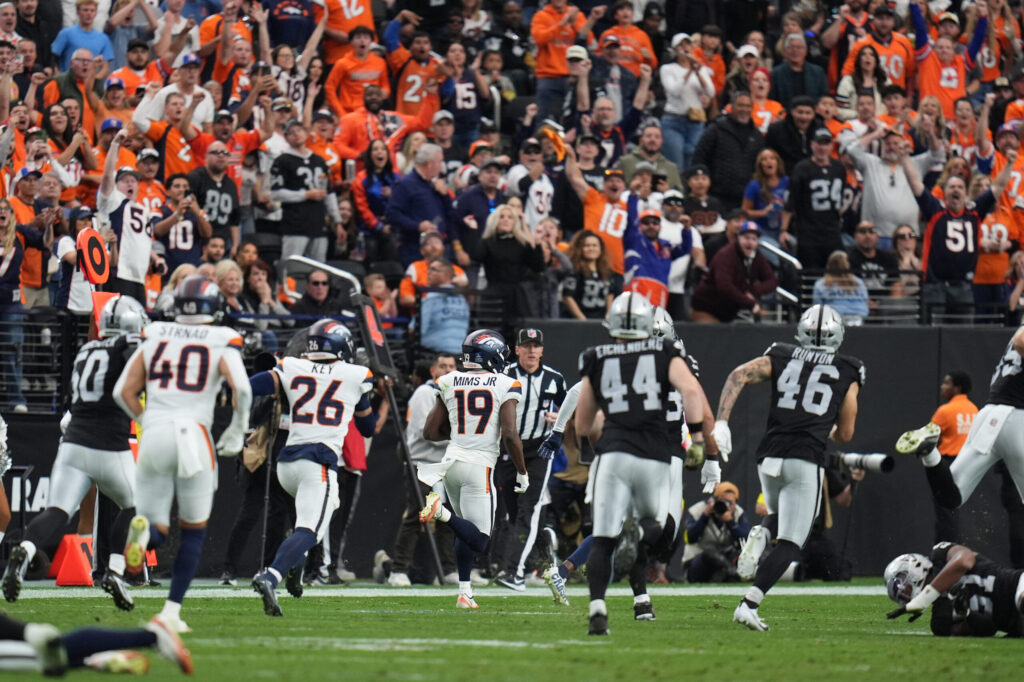
Broncos WR Marvin Mims returns punt for ‘clutch’ touchdown in road win over Raiders
Kyle Fredrickson
kyle-fredrickson@denvergazette.com
Updated 2 hours ago
LAS VEGAS — A buzz started growing on the Broncos’ sideline when Marvin Mims dropped back to return a punt against the Raiders. “We talked about it: Marvin is going to break through and score him a touchdown,” cornerback Patrick...
Kyle Fredrickson
Reporter
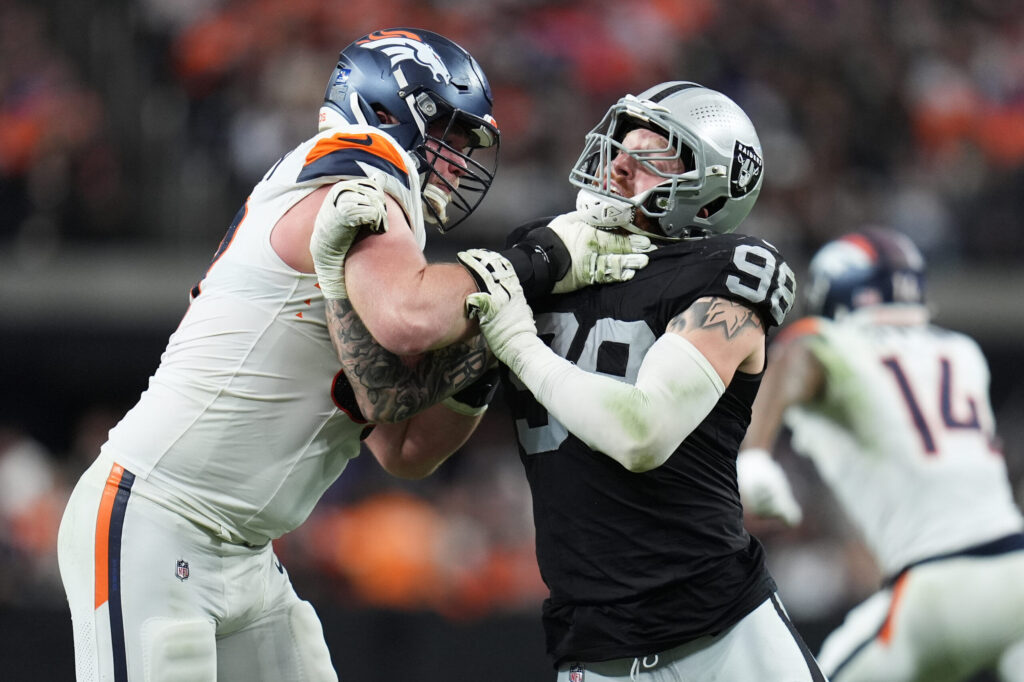
Credit the big, bad bullies on Broncos’ offensive line for 24-17 win over Raiders | Boos and cheers
Paul Klee
paul-klee@denvergazette.com
Updated 2 hours ago
Cheers… … to Marvin Mims Jr., a serious weapon on special teams and the best Broncos return man since Rick Upchurch. Now why can’t the Broncos involve Mims on offense? His 48-yard punt return for a touchdown was a thing...

Paul Klee
Reporter

Broncos at Raiders grades: Denver takes care of business in Las Vegas
Chris Schmaedeke
chris.schmaedeke@denvergazette.com
Updated 2 hours ago
The Denver Broncos (11-2) took over the top spot in the AFC on Sunday with a 24-17 win over the Las Vegas Raiders. Here are the grades from the victory in Las Vegas: Offense Running back R.J. Harvey and quarterback...

Chris Schmaedeke
Reporter
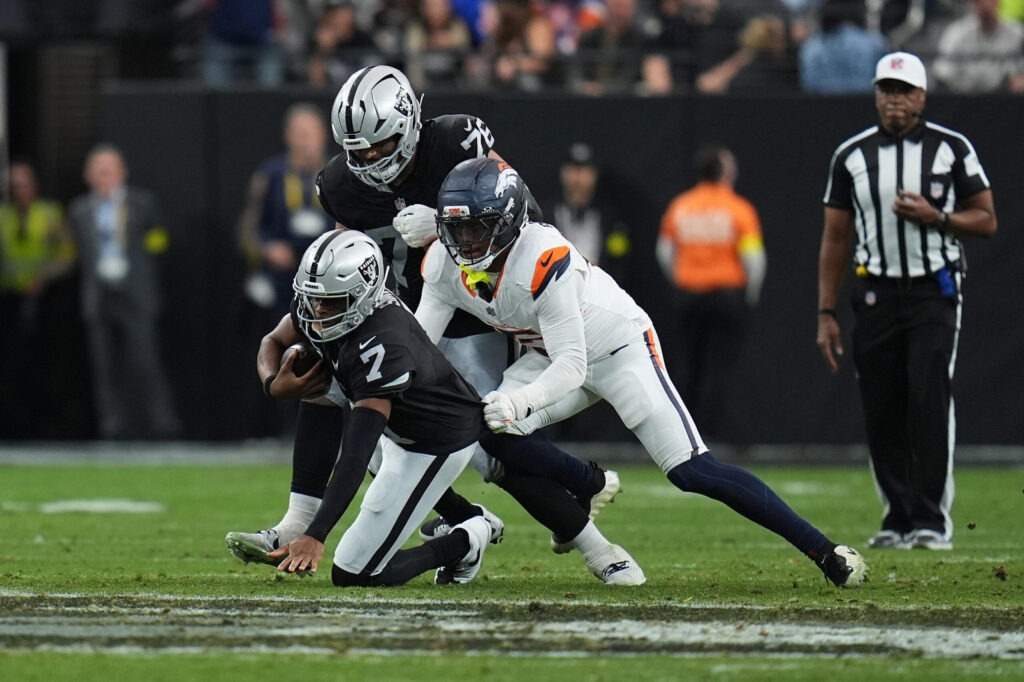
Final: Broncos 24, Raiders 17
The Denver Gazette Sports staff
the-denver-gazette-sports-staff@denvergazette.com
Updated 5 hours ago
The Broncos (10-2) travel to Las Vegas to play AFC West rival Raiders (2-10) on Sunday. Kickoff is set for 2:05 p.m. on CBS. Fourth quarter Raiders score to cut the score to 24-14 but Denver recovers the onside kick...

The Denver Gazette Sports staff
Reporter

Ed Reinhardt’s magical 27-year run on the stage ends
John Moore
john.moore@denvergazette.com
Updated 6 hours ago
2025 DENVER GAZETTE TRUE WEST AWARDS: DAY 8 University of Colorado football star found a new home and purpose with Magic Moments after devastating brain injury Every time Ed Reinhardt walks into a room, he will look you straight in...

John Moore
Reporter