





Year-round gardening: Elevate your gardening experience with a journal

Fredricka Bogardus, Colorado Master Gardener
Gardening can be more than just growing plants. It is not only a hobby, but an opportunity to learn new things, connect with nature and grow as a person. Whether you’re an experienced gardener or just starting out, keeping a garden journal can significantly enhance your gardening experience.
A garden journal provides many benefits — more than just a record of what you’ve planted and when. It becomes a valuable tool for planning and preserving the memories of how your garden evolves over the years. It can help you meet your gardening goals, like learning botanical names of your plants for example. Your journal will help you celebrate successes and learn from mistakes, and best of all, it helps you remember what you planted where!
Starting a garden journal doesn’t require special skills or equipment — just a notebook or digital app where you can record your observations regularly.
There are many types of journals. The easiest way to begin is with a simple notebook with lined paper for notes and lists, monthly calendars, graph paper for garden diagrams, plain paper for drawing plants or attaching photos, pockets for plant tags, soil test results, and seed packets.
You could also track your garden electronically on your phone or computer using apps, folders, spreadsheets, documents, and/or photographs. If you prefer a hardcopy version, there are many attractive and comprehensive journals that are pre-organized that can be purchased.
Here are some suggestions for the type of information you might want to keep in your journal:
Garden layout and design: Include sketches or diagrams of your garden beds, and name, number or color code them for easy reference.
Plant information: Common and botanical names of plants, purchase location, planting dates, location in the garden, care instructions, growth observations, bloom times, and harvest and blooming dates. Store seed packets and plant labels in plastic sleeves and include purchase receipts as many nurseries guarantee plants for a period of time if they don’t thrive.
Weather and climate: Record temperatures, frost dates, rainfall and unusual weather events.
Photos and drawings: Add photos or sketches of plants, garden layouts, or even pressed flowers and leaves to create a visual record.
Observations and reflections: Note successes, failures, likes, dislikes, and any other insights gained throughout the growing season. Include when you observe pollinators or pests and on which plants.
Tasks and maintenance: Dates for sowing, transplanting, watering, weeding, fertilizing, pest control and pruning.
If you aren’t in the habit of keeping a journal, schedule time for it daily, weekly or monthly until journaling becomes a habit. Remember, there are no good journals or bad journals. A garden journal is for your use to provide what you want and need.
Submit gardening questions to csumg2@elpasoco.com or call 719-520-7684. The in-person help desk is open 9 a.m.-noon and 1-4 p.m. Mondays, Wednesdays and Thursdays. Visit elpaso.extension.colostate.edu and register for upcoming classes at epcextension.eventbrite.com.
Submit gardening questions to csumg2@elpasoco.com or call 719-520-7684. The in-person help desk is open 9 a.m.-noon and 1-4 p.m. Mondays, Wednesdays and Thursdays. Visit elpaso.extension.colostate.edu and register for upcoming classes at epcextension.eventbrite.com.


Ed Reinhardt’s magical 27-year run on the stage ends
John Moore
john.moore@denvergazette.com
Updated 6 hours ago
2025 DENVER GAZETTE TRUE WEST AWARDS: DAY 8 University of Colorado football star found a new home and purpose with Magic Moments after devastating brain injury Every time Ed Reinhardt walks into a room, he will look you straight in...

John Moore
Reporter
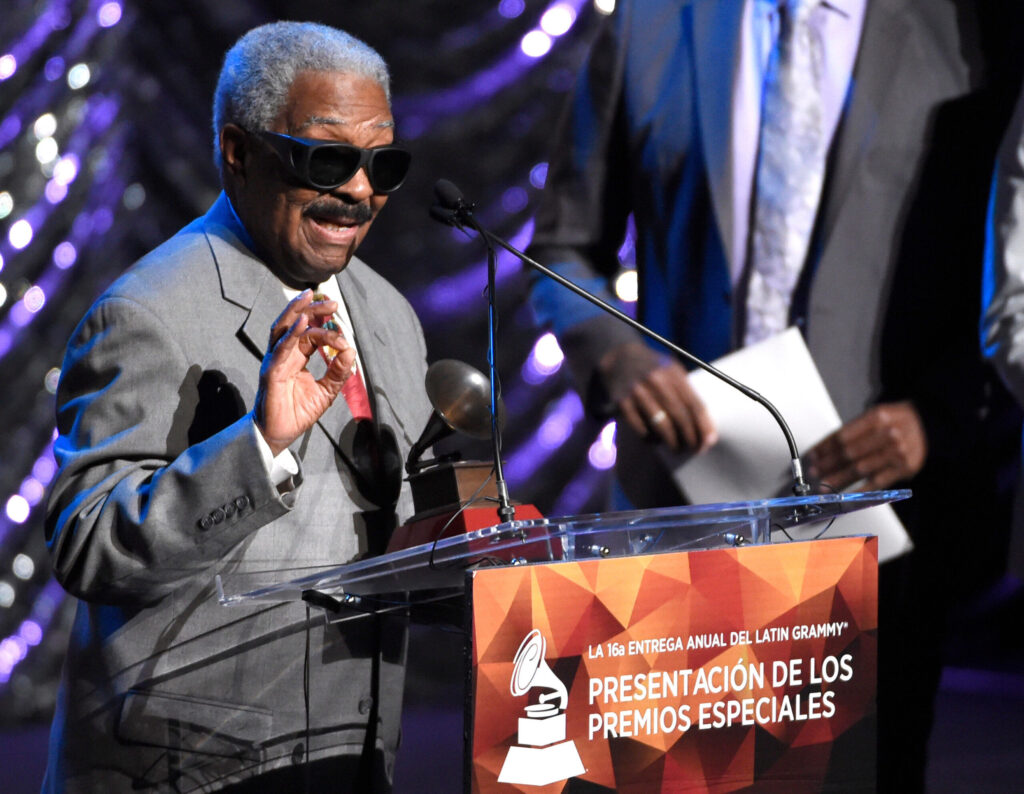
Puerto Rico salsa giant Rafael Ithier, who led El Gran Combo for more than half a century, dies
The Associated Press
the-associated-press@denvergazette.com
Updated 9 hours ago
SAN JUAN, Puerto Rico — Rafael Ithier, a beloved musician and a founder of the legendary salsa band El Gran Combo de Puerto Rico, whose hits have inspired Bad Bunny and other icons from the U.S. territory and beyond, has...

The Associated Press
Reporter
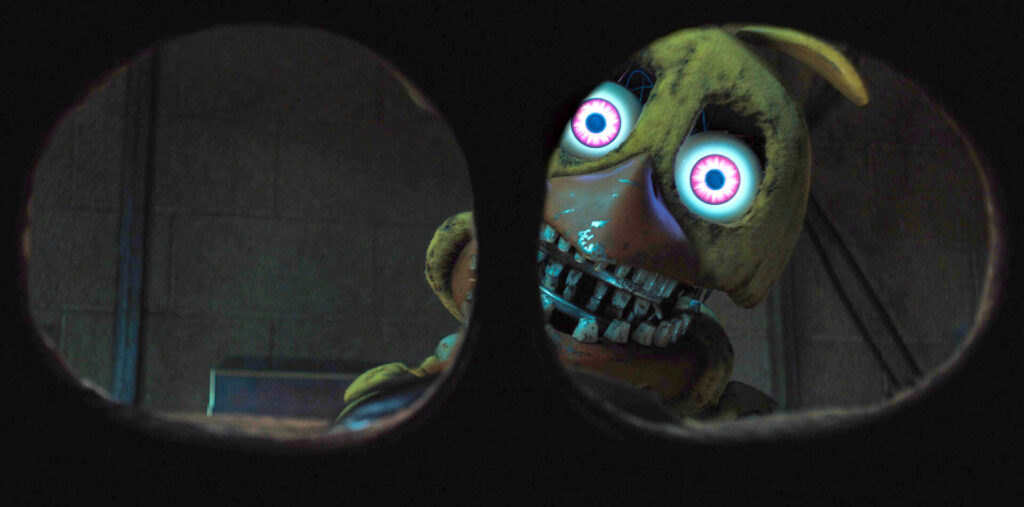
Bad reviews didn’t scare off the ‘Five Nights at Freddy’s 2’ audience
The Associated Press
the-associated-press@denvergazette.com
Updated 10 hours ago
“Five Nights at Freddy’s” has powered up the box office once again. The sequel opened in 3,412 theaters in the U.S. and Canada this weekend and far surpassed expectations with $63 million in ticket sales, according to studio estimates Sunday....
The Associated Press
Reporter
Denver area events for Dec. 7
Carlotta Olson
carlotta-olson@denvergazette.com
Updated 11 hours ago
If you have an event taking place in the Denver area, email information to carlotta.olson@gazette.com at least two weeks in advance. All events are listed in the calendar on space availability. Sunday Latkes and Lights Hanukkah Celebration — 10 a.m.-1 p.m., JCC...

Carlotta Olson
Reporter
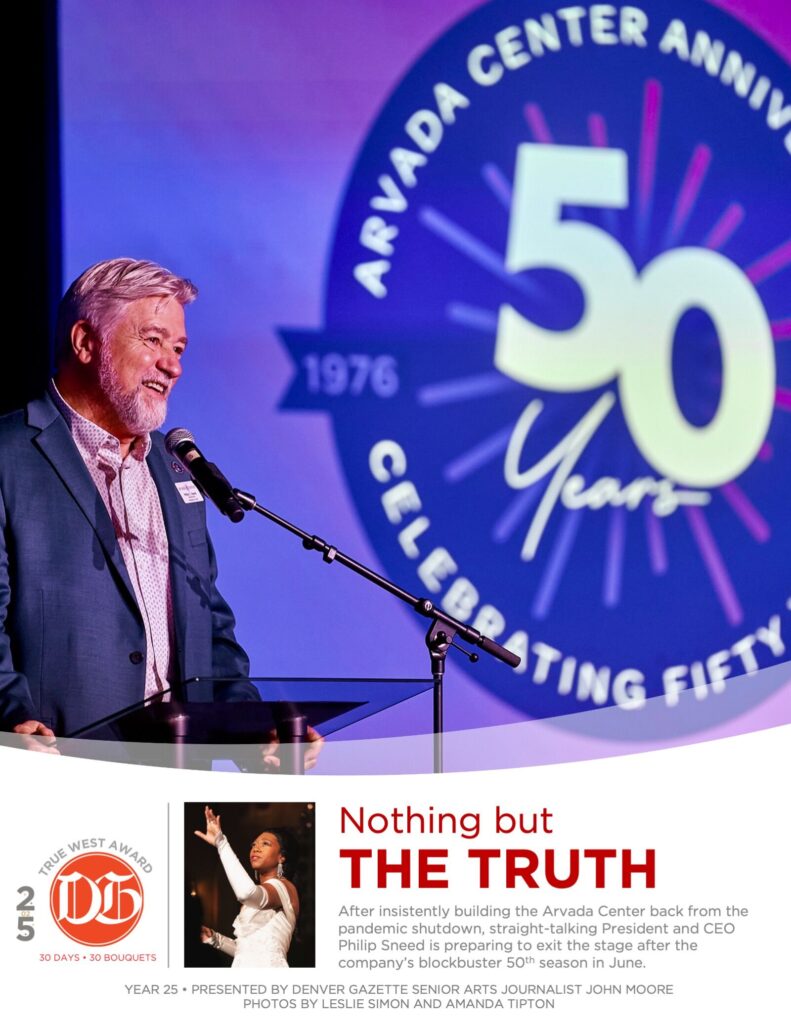
Philip Sneed takes the high road out after Arvada Center’s 50th season ends
John Moore
john.moore@denvergazette.com
Updated 13 hours ago
2025 DENVER GAZETTE TRUE WEST AWARDS: DAY 7 After leading the company back from the existential crisis of the shutdown, retiring president and CEO is enjoying a record-breaking year. Philip Sneed sure knows how to make an exit. After insistently...
John Moore
Reporter
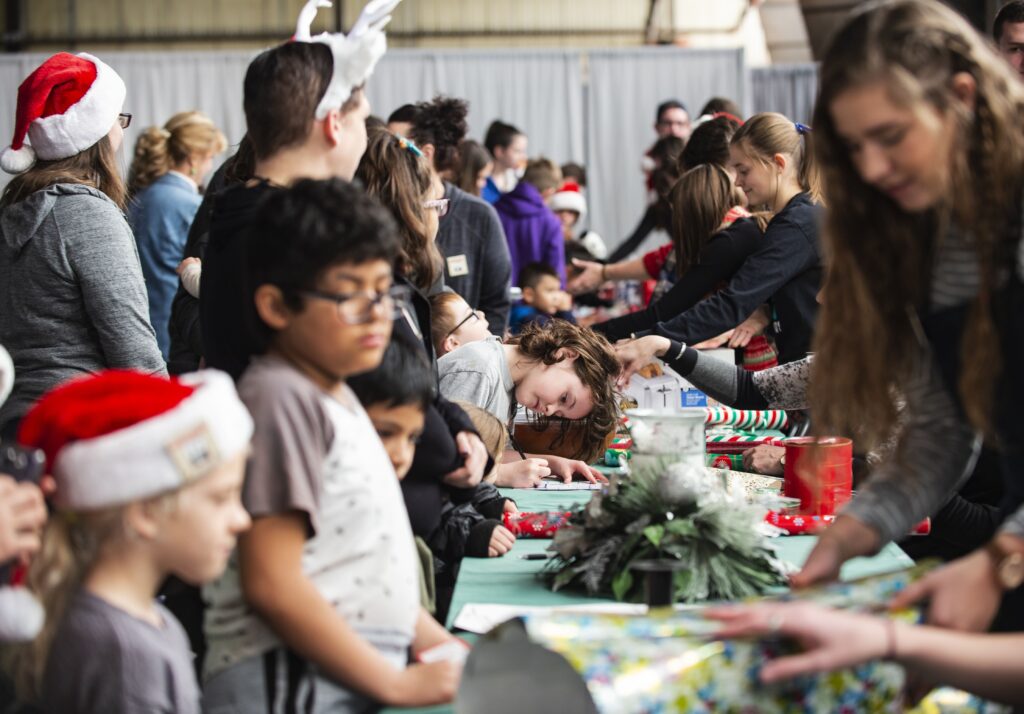
Giftwrapping tips from two Denver experts
Dennis Huspeni
dennis.huspeni@gazette.com
Updated 2 days ago
Whatever the season or occasion, these gift-wrapping tips from two Denver experts help make the task easier and more enjoyable. Easter Illingworth from The Artisan Center in Cherry Creek North recommended the following tips: • For an easy options, use...

Dennis Huspeni
Reporter
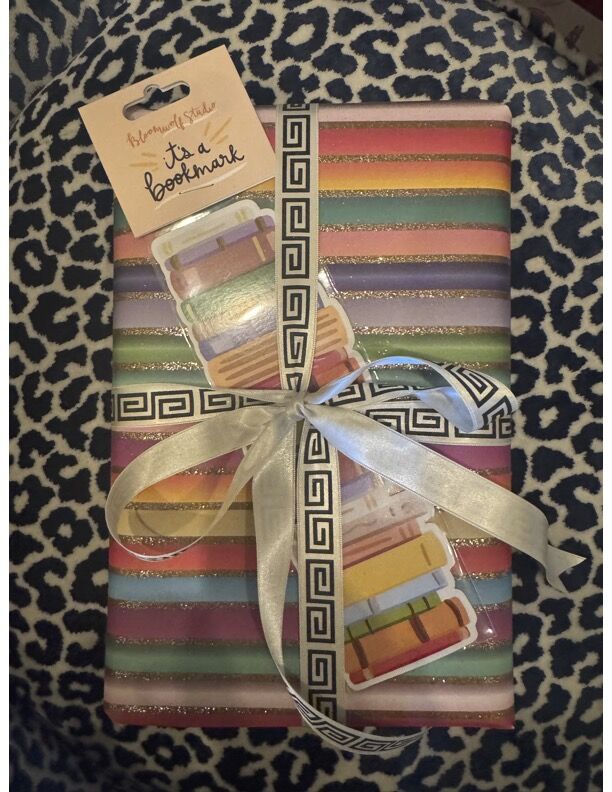
Wrap it up: The art of gift wrapping
Colleen Smith
colleen-smith@gazette.com
Updated 14 hours ago
At two of Denver’s longstanding blue-ribbon stature shops, experts extoll the virtues of presenting a well-wrapped present. With the winter holidays, gift giving heats up. Whether giving a gift card or something significantly more difficult to wrap, the presentation of...

Colleen Smith
Reporter

PIKES PICK: A giving tree for Native American children’s gifts
Linda Navarro
linda-navarro@denvergazette.com
Updated 6 days ago
Youngsters from Navajo and Lakota Sioux reservations have their holiday dreams on the tree at Hooked on Books, 12 E. Bijou St. Pull a tag to provide a toy or gift to be delivered by local One Nation Walking Together...

Linda Navarro
Reporter

Full ‘swing’: Daughter steps into mom’s iconic Mrs. Fezziwig role
John Moore
john.moore@denvergazette.com
Updated 2 days ago
2025 DENVER GAZETTE TRUE WEST AWARDS: DAY 6 Talk about mirror images! Denver Center replacement actor Olivia Wilson steps into ‘A Christmas Carol’ role mom Leslie O’Carroll made iconic It was only the first act of the third preview performance...
John Moore
Reporter
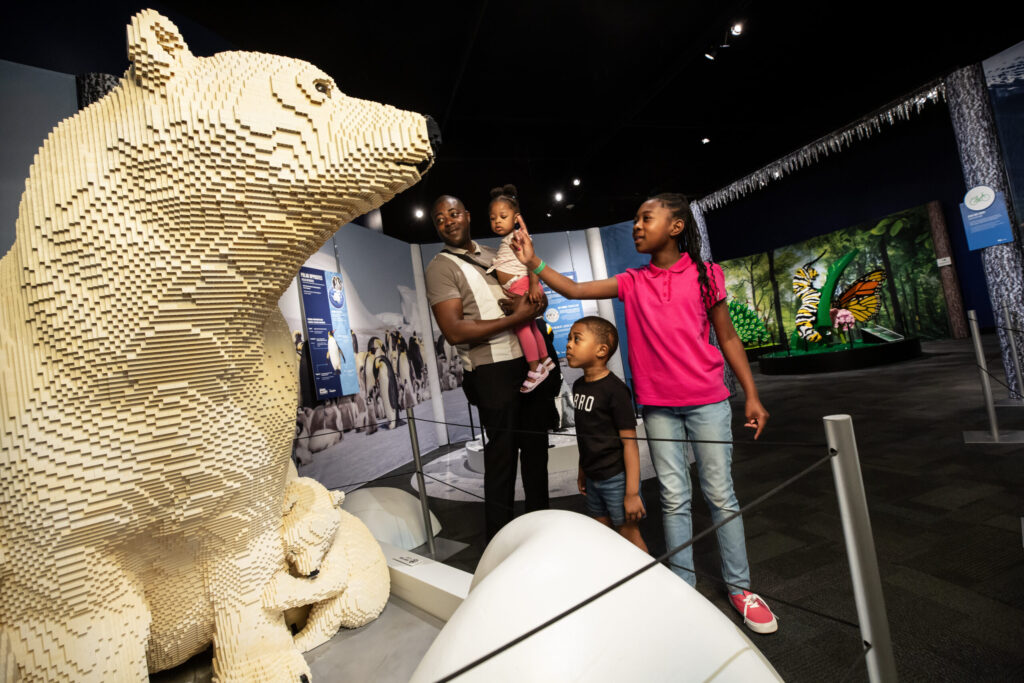
Brick by brick: Denver museum exhibit features larger than life Lego sculptures
Tom Hellauer
tom.hellauer@denvergazette.com
Updated 2 days ago
To see the Denver Museum of Nature & Science’s newest big animals on display, visitors don’t need to roam their expansive Wildlife Halls. Rather, artist Sean Kenney has dozens of animal sculptures up for viewing — all made entirely of...

Tom Hellauer
Reporter
PREV
PREVIOUS

Butterfly Pavilion ends public handling of Rosie the tarantula
Facebook Twitter WhatsApp SMS Email Print Copy article link Save Facebook Twitter WhatsApp SMS Email Print Copy article link Save Time is running out to hold Rosie the tarantula at the Butterfly Pavilion. The Westminster invertebrate zoo this week announced it is ending public handling of its well-known Chilean rose hair tarantulas on Sept. 8. […]

Denver opens pop-up soccer field in Skyline Park
Denver finally has its downtown soccer field — well sort of. No, it’s not the new professional NWSL stadium. Denver is opening a pop-up soccer field in Skyline Park, just steps off of 16th Street. A kickoff event is scheduled Tuesday at 4:30 p.m. at the field, located at 16th and Arapahoe, between 15th and 16th streets. […]