





EDITORIAL: DU just says ‘no’ to fashionable racism
In a commendable move toward meritocracy, the University of Denver has announced the elimination of race-based scholarships and a scaling back of diversity, equity, and inclusion (DEI) initiatives.
This decision, driven by a $12 million budget shortfall and the need to align with recent Department of Justice directives under the Trump administration, reflects a growing recognition that such programs perpetuate division rather than foster unity and equality.
Chancellor Jeremy Haefner wisely noted that scholarships directed toward protected classes are now “clearly articulated as unlawful,” prioritizing compliance to safeguard federal funding for research and aid. By shedding these outdated practices, DU positions itself as a leader in higher education, emphasizing individual achievement over group identity.
This shift at DU is part of a broader national trend of American institutions abandoning affirmative action and DEI frameworks. Following the U.S. Supreme Court’s 2023 ruling against racist, anti-Asian admissions at Harvard University, numerous colleges have reevaluated their policies.
In February 2025, the Department of Education issued directives instructing universities to suspend all race-based programs, including scholarships and DEI efforts, with threats to withhold federal funds. Ohio State University, the University of Pennsylvania, and the University of Iowa are among those reversing their DEI stances amid this surge of cuts.
In Ohio, higher education officials began reviewing diversity scholarships post-ruling, signaling a statewide pivot. These examples illustrate a collective awakening: policies once hailed as progressive are now seen as discriminatory.
At its core, racism is the practice of focusing on immutable genetics as more important than intellect and character — human qualities that have no nexus with a person’s ethnic lineage or skin tone. Giving special privilege to a person who is Black, Brown, gender dysphoric, or gay is to suggest that individual is inherently less capable than someone who is heterosexual, White, and grew up in privilege.
It is the promoters of race-based benefits who think the average White American is somehow superior, thus necessitating special treatment for those who don’t fit the whatever mold they consider normal. This discrimination, though disguised as equity and compassion, is not substantially different from the bias that manifested in segregated schools and Jim Crow laws.
Through eras of racism cloaked in seemingly righteous justifications, people of all colors, religions, creeds, and ethnic identities have battled through oppression and prejudice to cure diseases, invent legendary products, create timeless art, and set new standards of intelligence and achievement. The self-aggrandizing practice of cookie-cutter humans granting artificial advantage to those they deem different is nothing more than ugly old prejudice, racism, and bigotry wrapped in vellum and a bow.
Americans are on to the disguise like never before, so expect these practices to quickly go the way of “Latinx,” Blackface, and White educators promoting Ebonics. As DU and others lead this charge, we applaud their commitment to a colorblind society in which merit reigns supreme. True progress demands we judge by character, intellect, and achievement — not color — a principle that will endure long beyond diehard vestiges of racism disguised as virtue.


EDITORIAL: Misplaced blame for Colorado’s ozone woes
The Gazette Editorial Board
thegazette-editorial-board@gazette.com
Updated 2 days ago
Colorado’s Front Range air quality problem is real. The smog often obstructs our view of the state’s natural beauty while impacting health conditions. Yet even as regulators target oil and gas development as the presumed source, the real ozone culprits...

The Gazette Editorial Board
Reporter
EDITORIAL: Jared Polis a ‘sleazebag’? No. Cagey, yes.
The Gazette Editorial Board
thegazette-editorial-board@gazette.com
Updated 3 days ago
It’s a good thing for Gov. Jared Polis that history or, at least, Wikipedia will have the last word on his political legacy. Because if it were up to President Trump, that last word — blasted out to millions via...
The Gazette Editorial Board
Reporter
EDITORIAL: Handouts won’t help Springs homeless
The Gazette Editorial Board
thegazette-editorial-board@gazette.com
Updated 4 days ago
The Colorado Springs Homeless Union is at a crossroads. Not a labor union, the volunteer initiative endeavors to “present a unified voice” and “call for fair treatment” for our city’s homeless, as noted in a Gazette report last week. As...
The Gazette Editorial Board
Reporter

EDITORIAL: DPS’ fiscal affairs amount to fuzzy math
The Gazette Editorial Board
thegazette-editorial-board@gazette.com
Updated 3 days ago
A fresh audit of Denver Public Schools revealed a startling reality: Colorado’s largest school district owes more in long-term debt than it owns in assets. As The Denver Gazette reported last month, the 2024-25 fiscal year audit revealed DPS carries...
The Gazette Editorial Board
Reporter
EDITORIAL: A get-out-of-jail pass for Colorado’s illegal immigrants
The Gazette Editorial Board
thegazette-editorial-board@gazette.com
Updated 4 days ago
Leave it to the ACLU and a sympathetic federal judge to fret over the arrests of illegal immigrants in Colorado — because the agents who made the busts didn’t show evidence in advance that the suspects posed a flight risk....
The Gazette Editorial Board
Reporter

EDITORIAL: Food stamps a ‘SNAP’ for Colorado’s illegal immigrants
The Gazette Editorial Board
thegazette-editorial-board@gazette.com
Updated 6 days ago
There’s no telling if the the latest lawsuit against the Trump administration by Democrat-leaning states — this time, challenging restrictions on food stamps for illegal immigrants — will find a sympathetic ear on the federal bench. Colorado’s Attorney General Phil...
The Gazette Editorial Board
Reporter

EDITORIAL: Retail theft robs all Coloradans
The Gazette Editorial Board
thegazette-editorial-board@gazette.com
Updated 1 week ago
Colorado shoppers are accustomed to it: You’re checking out as another “customer” walks by. With stolen items, they sidestep security personnel and cameras. Business carries on as usual; like a breeze, the shoplifters slip out the automatic sliding doors as...
The Gazette Editorial Board
Reporter
EDITORIAL: Another failure of justice, another Colorado tragedy
The Gazette Editorial Board
thegazette-editorial-board@gazette.com
Updated 1 week ago
Just what does it take to keep a violent career criminal behind bars — and the public out of harm’s way — in the state of Colorado? Apparently, Walter Huling’s dozen-year record of violent and other serious crimes, including parole...
The Gazette Editorial Board
Reporter
EDITORIAL: Unleashing Colorado’s nuclear potential
The Gazette Editorial Board
thegazette-editorial-board@gazette.com
Updated 1 week ago
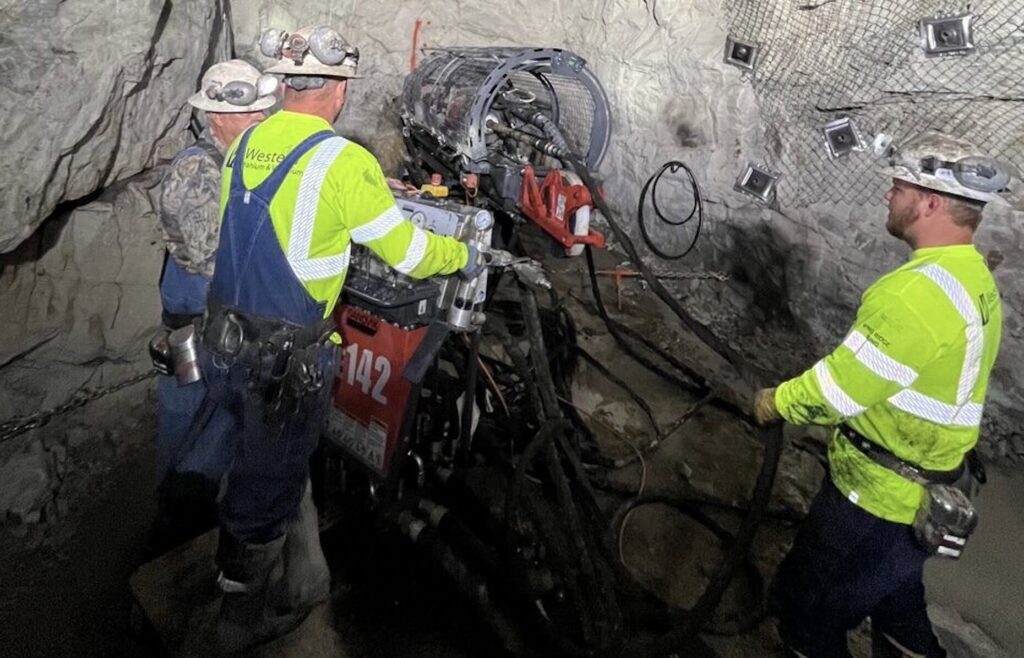
The energy revolution is here. Never before has Colorado been better positioned to embrace an all-of-the-above approach to powering homes, businesses and data centers — the kind championed by Energy Secretary Chris Wright, a Coloradan through and through. Oil remains...
The Gazette Editorial Board
Reporter

EDITORIAL: Coloradans have much to be thankful for
The Gazette Editorial Board
thegazette-editorial-board@gazette.com
Updated 2 weeks ago
Thanksgiving means getting together and breaking bread with loved ones. It is about family of all backgrounds, beliefs and political persuasions. Nothing in society is more important than family, no matter how anyone defines the concept. Family can mean blood...
The Gazette Editorial Board
Reporter
PREV
PREVIOUS

EDITORIAL: Lawmakers fumble a fix for their busted budget
“Carry it, don’t marry it,†is an old truism at the State Capitol — advice to novice lawmakers not to get too attached to the bills they sponsor. Even if their handiwork survives the legislative process, it might get amended to the point it’s unrecognizable. The current crop of ruling Democrats must have missed that […]

EDITORIAL: A normal summer after all at Colorado’s national parks
Panicked cries of “crisis” and imminent doom were wide ranging when the Trump administration began its quest to trim federal fat last January. Among the dire forewarnings was one that our national parks would collapse if forced to reduce staff. Yet, having observed another Labor Day — the traditional end of summer and summertime travel […]