







EDITORIAL: Colorado’s fiscal fail-safe gets reinforcement
A Colorado court ruling this week gave new — and unexpected — lift to the taxing and spending limits that have protected our state’s taxpayers for over three decades.
In an obscure case pitting telecoms companies against Lakewood City Hall, the Colorado Supreme Court unanimously struck down a couple of tax hikes the city had imposed years ago. While the city’s low-key face-off with the plaintiffs didn’t make headlines, the new ruling by the state’s highest court could have much broader implications.
Foremost, it provides much-needed reinforcement for the Taxpayer’s Bill of Rights, or TABOR — Article X Section 20 in the Colorado Constitution. Its key features limit the rate at which government spending can grow from year to year, and require a public vote on any tax hike at any level of government. It’s that latter provision that was in play in the Lakewood case as the court found the city had illegally raised taxes twice without a public vote.
TABOR could use judicial support now more than ever as it is under assault by our state legislature as perhaps never before. The current crop of ruling Democrats at the Capitol have pulled just about every stunt to undermine TABOR and sidestep its safeguards for taxpayers.
What’s more, the state’s judiciary all too often has looked the other way and at times even upheld attempts by state lawmakers and local governments to sabotage and circumvent TABOR. Colorado’s courts, on the whole, have been hostile to the landmark fiscal fail-safe enacted in 1992.
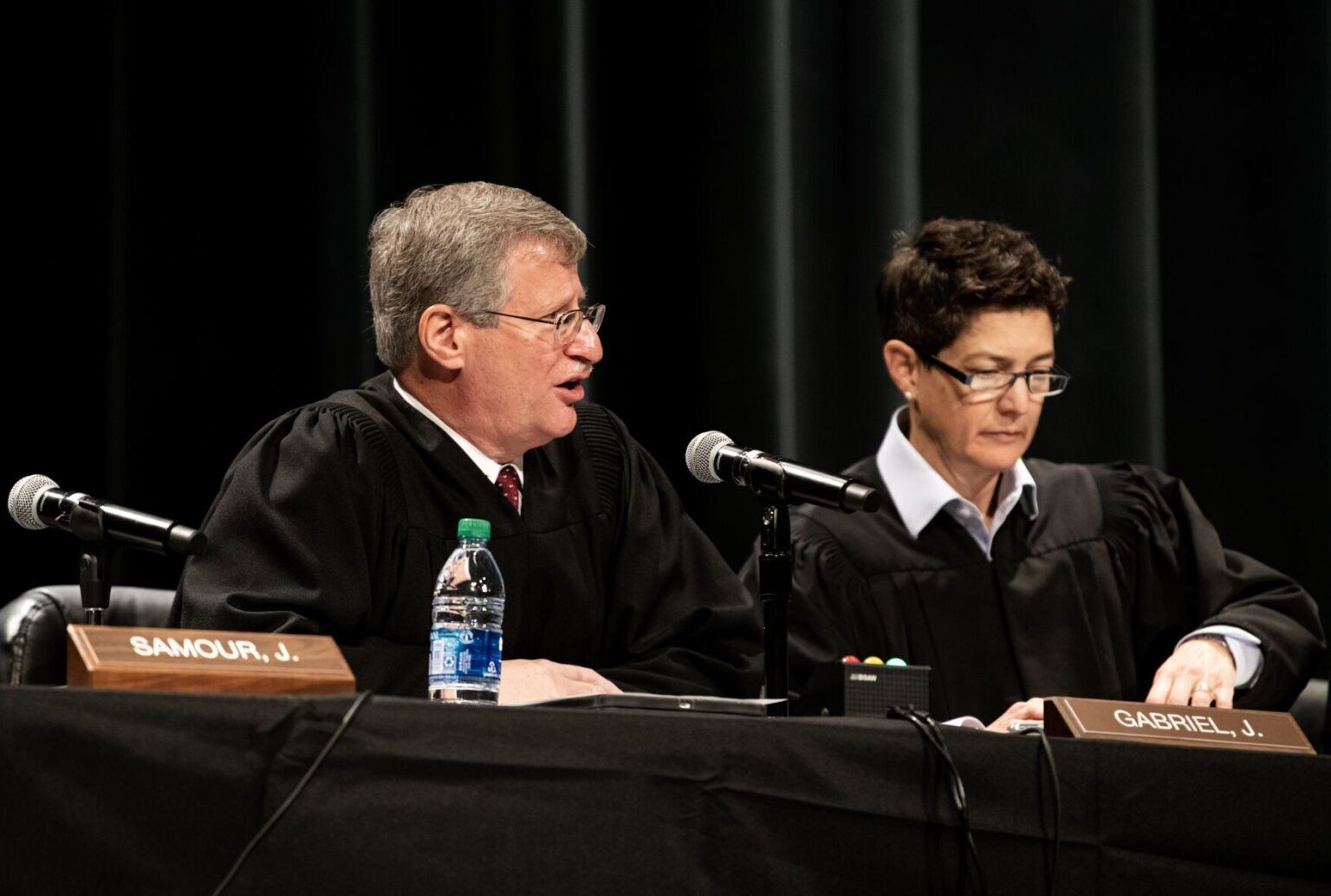
Which is why Monday’s ruling — with all seven members of the Supreme Court coming to the defense of TABOR — was such a pleasant surprise. It just might serve as a warning to the state’s elected officials at all levels of government to watch their step.
As reported by our news affiliate Colorado Politics, the high court found Lakewood unconstitutionally had expanded a 1969 tax twice in later years without holding the popular vote TABOR requires. That there hadn’t been a public outcry on those two occasions — in 1996 and again in 2015 — owed to the fact the tax applied to businesses offering phone service. The only such business was Colorado’s sole land-line provider back in the pre-cell phone era. But later, the city expanded the tax to include cell service and should have put it to a vote.
It probably had slipped under the radar at first as just another excise tax on customers’ phone bills.
As Colorado Politics reported, Lakewood appealed to the Supreme Court after an adverse ruling in a lower court. The city argued on appeal it should have been able to reinterpret tax laws for new technologies like cell phones since land-line phone service already was taxed.
Yet the Supreme Court, refreshingly, held to a stricter reading — to the benefit of taxpayers.
“The Lakewood City Council could have drafted the 1969 Ordinance to enact a tax on the business and occupation of providing telecommunications services, but it did not do so,” wrote Justice Richard L. Gabriel.
We’ll welcome the decision. Colorado’s taxpayers need all the help they can get against lawmakers whose contempt for TABOR is an open secret — and who never cease in their attempts to thwart it.