







EDITORIAL: A promising plan for the Broncos’ new home
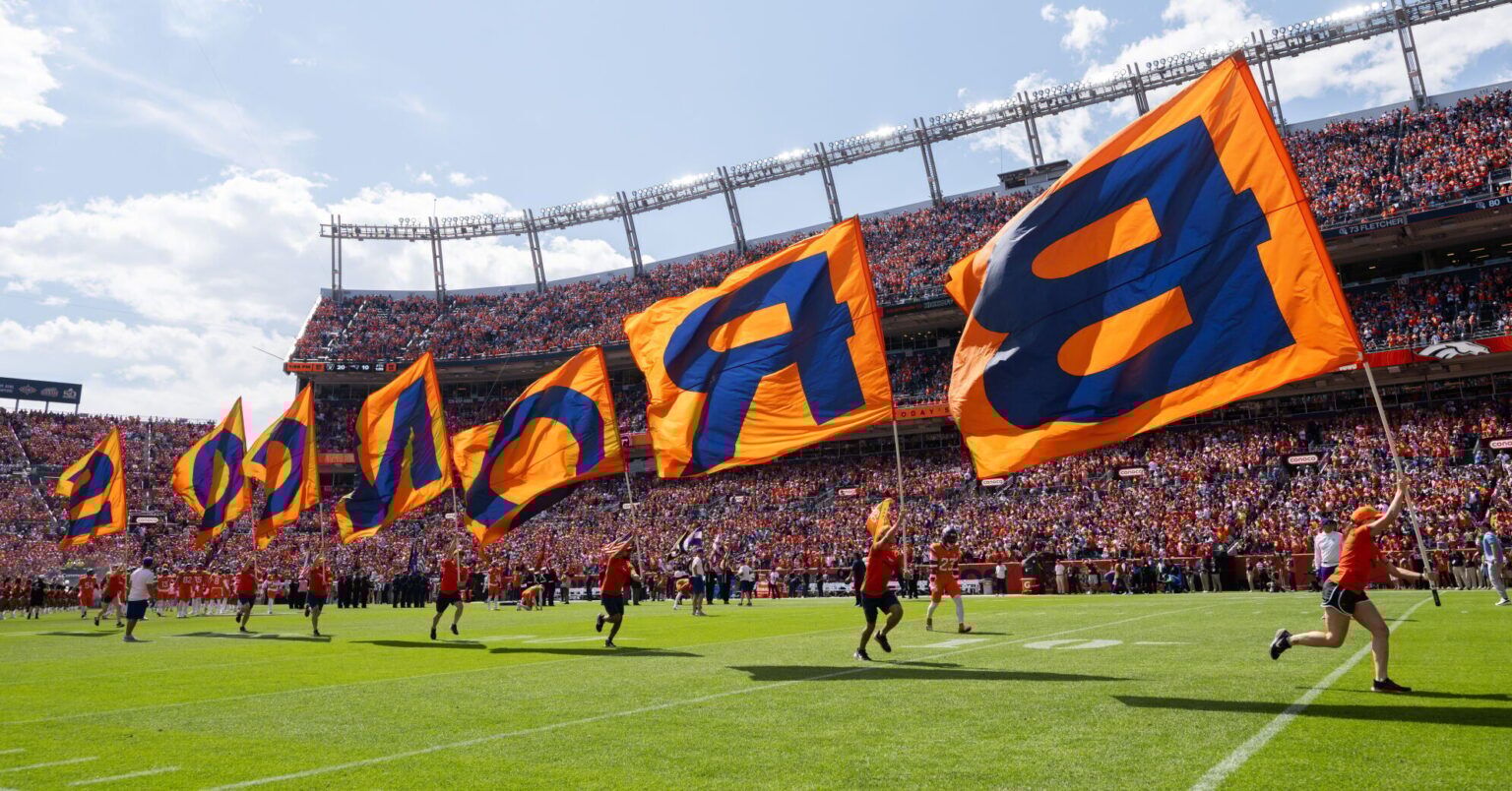
The Broncos will move barely a mile from Empower Field at Mile High, just west of I-25, to the old Burnham Yard a little south of Denver’s downtown. Yet, it portends of a whole new, fresh start for Colorado’s beloved football team. On Tuesday, the team ownership announced the historic rail yard is the “preferred site” site for building a new stadium.
The awaited development is exciting and welcome for a number of reasons.
For starters, it erases any lingering doubts fans may have had, however remote, about the team’s commitment to Colorado. Sure, the NFL franchise was born and raised here — and belongs in our state forever as far as every last Coloradan is concerned. But sports franchises do move, so it’s reassuring that in this move, the Broncos won’t even be leaving town.
Instead, they will play a central role in revitalizing the capital city’s historic La Alma-Lincoln Park neighborhood by repurposing dormant land that needed a new lease on life. A major sports venue like the Broncos’ future home is sure to incubate scores of new businesses and more, serving fans as well as the surrounding community. The team will work closely with state and local government on public infrastructure and other aspects of the project as the site develops.
Significantly, the new stadium will be privately financed. Public funding of sports venues can stir heated debate, which the Broncos’ ownership is rendering moot. That will move the endeavor forward, and it’s a big stride.
As reported by The Gazette, the team’s ownership released a public statement that addressed months of mounting anticipation — following years of concerns about the Broncos’ current, aging stadium and its ability to remain competitive.
“In the spirit of a true civic partnership, the Walton-Penner Family Ownership Group will privately fund this investment and work with the community, city and state to reconnect historic neighborhoods — with no new taxes,” said the joint letter from Bronco co-owners Greg Penner and Carrie Walton Penner. Denver Mayor Mike Johnston and Colorado Gov. Jared Polis also signed the letter. “These shared public improvements will ensure benefits extend far beyond game days with better accessibility, connectivity and multimodal transit options.”
The letter envisioned, “a world-class retractable roof stadium anchoring a dynamic mixed-use district” in time for the 2031 NFL season.
“Our goal for this ambitious project is to build a community that connects fans, neighbors and future generations across Colorado,” the letter stated. “In addition to creating a modern new home for the Broncos, this vibrant hub will attract premiere events driving impact for Denver and the entire Rocky Mountain Region.”
The owners said the area will “be revitalized into a thriving development where sports & entertainment, housing, business and community blend to create a one-of-a-kind year-round destination.”
As the letter notes, “there is a long road ahead” toward the project’s completion. This week’s announcement represents a major stride down that road.
A shared love of the Broncos unites Coloradans from every walk of life, every political stripe and every corner of the state. We all can be grateful to the team’s ownership for reaffirming the team’s singular place here and its devotion to Broncos fans everywhere.