








GUEST OPINION: Getting the facts straight on transit-oriented development

I was disappointed to see a recent Gazette column mischaracterizing
Colorado’s new transit-oriented development standards. Property owners
will not be forced to build anything against their will, and the state
is not mandating apartment complexes. Any claims otherwise are false.For decades, it has been local governments, not the state, that imposed
mandates limiting what property owners can do with their land. Those
rules have fueled sprawl, inflated housing costs, and eaten away at open
space. The new law asks cities to roll back some of these restrictions
and allow more homes near transit – but only if property owners choose
to build them, making housing supply more responsive to demand.Since
2017, average home prices in Colorado Springs have jumped 64%. That’s a
crisis of insufficient housing supply. As a community, we clearly do
not view sprawl as an answer, demonstrated by our broad rejection of the
Karman Line annexation. Our region must instead make room for more
housing choices where people already live, work and play.This
policy is not “one size fits all.” Cities retain flexibility to decide
how best to comply. In fact, Colorado Springs may already meet the
minimum requirements. By refusing to report our numbers to the state,
we’re shutting ourselves out of $280 million in potential funding – even
as the city faces a budget shortfall.Transit-oriented
development doesn’t mean towers springing up overnight. It means
gradual, community-driven changes creating mixed-use neighborhoods where
residents can live closer to jobs, schools, parks, and shops. This is
how many of our most cherished neighborhoods, from downtown to Hillside,
Old Colorado City, Mid Shooks Run, Roswell, Patty Jewett, and the Old
North End, were originally built.We can maintain that core
community character by reclaiming the flexibility that enabled us to
build those neighborhoods. Let’s join the rest of the state in choosing a
more affordable, attainable shared future.
Stephanie Vigil is the former State Representative for House District 16.


Take time today to thank a first responder
Michael Hesse
michael-hesse@denvergazette.com
Updated 2 days ago
New Year’s Day marked the beginning of a significant number of celebrations planned across the nation and our state in recognition of the 250th anniversary of the founding of America and the 150th anniversary of Colorado statehood. As a young...

Michael Hesse
Reporter

Aurora’s new progressives rewrite reality | Michael A. Hancock
Michael Hancock
michael-hancock@gazette.com
Updated 2 days ago
Progressive politics rarely arrives announcing itself as ideology. It arrives as emergency, not to solve a problem, but to justify a savior. The language is familiar: equity, justice, compassion, fairness. The tone is moral. The urgency is absolute. And the...

Michael Hancock
Reporter

EDITORIAL: Colorado’s wolf experiment has run its course
The Gazette Editorial Board
thegazette-editorial-board@gazette.com
Updated 1 day ago
When the U.S. Fish and Wildlife Service threatened to terminate Colorado’s ability to oversee the reintroduction of gray wolves last month, it was the latest in a string of setbacks for the misbegotten, beleaguered project. As The Gazette reported, a...

The Gazette Editorial Board
Reporter

EDITORIAL: A needed crackdown on Colorado’s child trafficking
The Gazette Editorial Board
thegazette-editorial-board@gazette.com
Updated 2 days ago
As reported this week by our news affiliate Colorado Politics, lawmakers are promising a new foray against child trafficking when the 2026 legislative session convenes at the Capitol next week. It’s welcome news. Colorado is believe to be in the...
The Gazette Editorial Board
Reporter

The lie that persists five years later | SONDERMANN
Eric Sondermann
eric-sondermann@denvergazette.com
Updated 4 days ago
Some dates require no explanation. September 11. October 7. And to the subject of today’s column, January 6. Simply mention the calendar number and the images flood to mind, still vivid and raw. The fifth anniversary of that dark, dismal...

Eric Sondermann
Reporter

A year later, still no accountability in Jeffco schools | Sengenberger
Jimmy Sengenberger
jimmy-sengenberger@denvergazette.com
Updated 4 days ago
One year ago, Jefferson County Schools descended into turmoil after former Chief of Schools David Weiss was found dead by suicide amid a child pornography investigation conducted by the Jeffco Sheriff’s office. Weiss was fired two weeks earlier after a...

Jimmy Sengenberger
Reporter
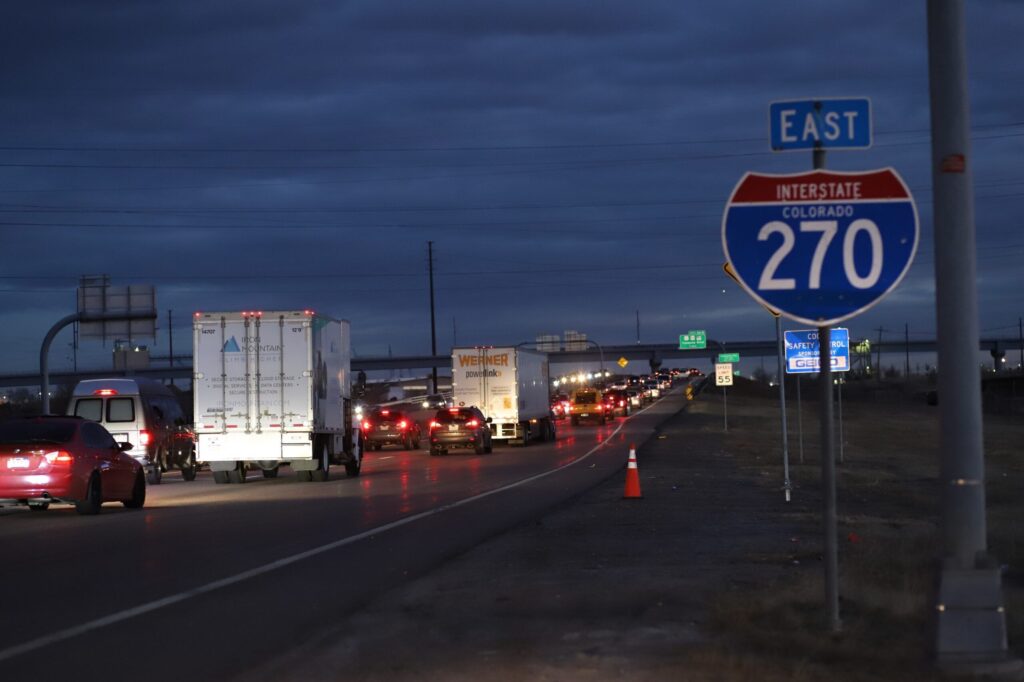
EDITORIAL: Colorado’s transportation dreamers deny reality
The Gazette Editorial Board
thegazette-editorial-board@gazette.com
Updated 3 days ago
A tussle over gridlocked traffic along Interstate 270 north of Denver in Commerce City offers a telling snapshot of the statewide debate over the future of transportation. It’s a potent reminder of the phony pretexts and ulterior motives driving the...
The Gazette Editorial Board
Reporter

Campbell was a unique political character
Rachel Gabel
rachel-gabel@denvergazette.com
Updated 6 days ago
There are many things to appreciate about the late Ben Nighthorse Campbell, but one of the items at the top of the list is his belief that it’s more important to kill bad bills than to sign onto a mediocre...

Rachel Gabel
Reporter

Are we all post-liberals now? | Luige del Puerto
Luige Del Puerto
luige.delpuerto@gazette.com
Updated 5 days ago
Three decades after the end of World War II, a Japanese soldier finally returned to his home country after holding out in the jungles of the Philippines. Cut off from his unit, Hiroo Onoda had no way of knowing that...

Luige Del Puerto
Reporter

EDITORIAL: Colorado’s criminal suspects game ‘incompetency’
The Gazette Editorial Board
thegazette-editorial-board@gazette.com
Updated 5 days ago
Criminal suspects who are deemed mentally incompetent — unable to grasp the charges against them — have the right in Colorado not to be prosecuted on those charges. But they also shouldn’t simply be turned loose to endanger others. Too...
The Gazette Editorial Board
Reporter
PREV
PREVIOUS

EDITORIAL: ‘Crowded’ prisons = safer Colorado
Let’s welcome news reported by The Gazette this week that Colorado’s prison population is on the rise, with more lawbreakers reportedly behind bars for parole violations. That’s encouraging in a state that has weathered an epic crime wave in recent years, often enough at the hands of parolees. The surge in our prison population reflects […]

LETTERS: Just another scheme; contempt for soldiers
Just another scheme In the Gazette articles on the Energy Wise Rates to be implemented by the Colorado Springs Utilities, the motivation for shifting use to off-peak hours and raising the rates during the peak hours of 5 pm to 9 pm was that it can help reduce high demand and the need to build […]