







Learning how to be a better human by connecting with Muppets
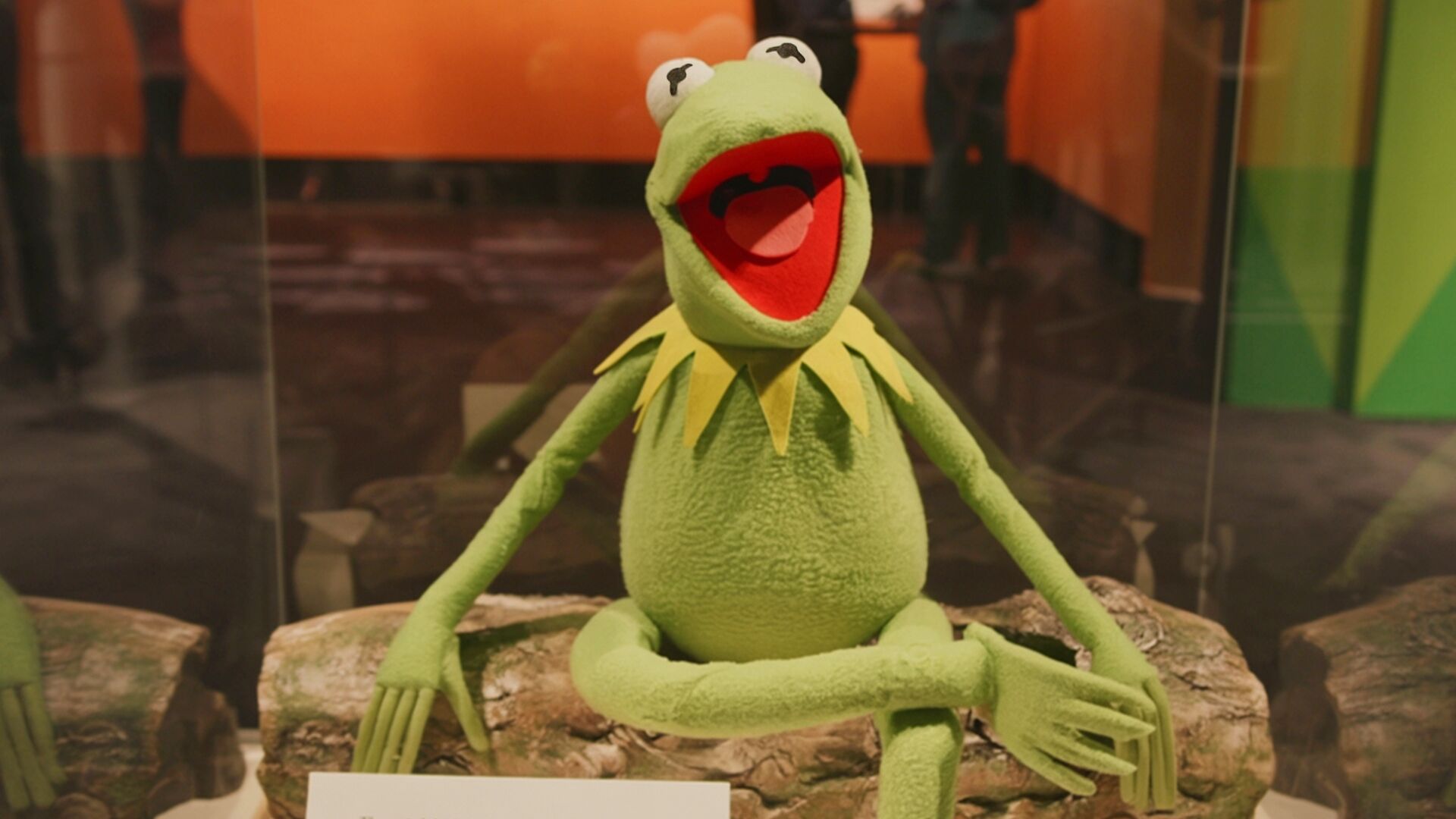
Unlikely as it may seem, one of the Smithsonian Museum’s most cherished objects is a frog puppet fashioned from a coat that belonged to Jim Henson’s mother, with a ping pong ball cut in half for eyes and a blue-jeans leg trimmed to hide the puppeteer’s arm.
The frog is as popular as George Washington’s uniform and Abraham Lincoln’s hat. It was created by the young Jim Henson in 1955. Until that time, puppets featured wooden heads with stiff mouths and moved stiffly on theatrical stages. In contrast, Kermit was made for television. His giant mouth was expressive, perfect for close-ups. He had a clever wit and was a loyal friend. He was the peacemaker and the comic relief that children and adults needed in the turbulent 1960s.
Jim Henson pioneered a new way to puppeteer. More importantly, he forged new ground in breaking down barriers that prevented people from appreciating the richness of diverse communities and all that we can learn from each other.
“I know it’s easier to portray a world filled with cynicism and anger, where problems are solved with violence …. It’s an easy out,” Henson said in an interview. “What’s a whole lot tougher is to offer alternatives, to present other ways conflicts can be resolved, and to show you can have a positive impact on your world. To do that, you have to put yourself out on a limb, take chances and run the risk of being called a do-gooder.”
Such perspective led Henson to create lovable characters like Kermit and Miss Piggy, as well as characters like Oscar the Grouch, the self-accepting creature who lives in a garbage can and would have it no other way.
“It’s not garbage,” Oscar tells viewers. “It’s a collection of character!” And so we see the world through Oscar’s eyes and approach our own relationships with a little more understanding.
As Henson’s Muppets got increasingly more sophisticated, they became more expressive and relatable. There are the wisecracking old men, Statler and Waldorf, with their commentary from the peanut gallery. The affable Big Bird and his adorable naivete. Burt and Ernie and their strained relationship teach us patience. The variety of characters leads us through the variety of relationships we may experience in our lives and helps us navigate not only those relationships but also our own emotions.
“Always be yourself,” Henson admonished with a smile. “Never take yourself too seriously. And beware of advice from experts, pigs and members of Parliament.”
Jim Henson realized that to be more human, maybe we could best learn from giant yellow birds, garbage-dwelling grouches, pretentious pigs and a vulnerable little frog who is always honest with his feelings.
“As children, we all live in a world of imagination,” Henson said. “And for some of us, that world of make-believe continues into adulthood.”
The Foundation for a Better Life promotes positive values to live by and pass along to others. Go to PassItOn.com.

‘A major accomplishment’: Poudre River Trail nears completion, touring 45 miles in northern Colorado
Seth Boster
seth-boster@denvergazette.com
Updated 8 hours ago
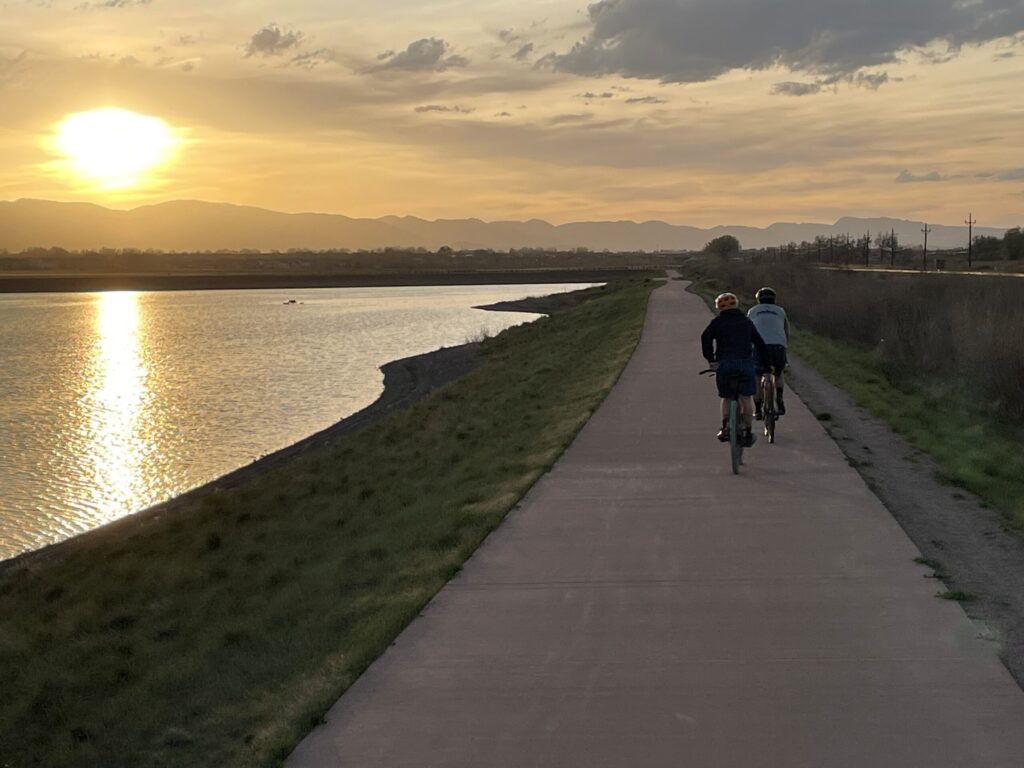
In northern Colorado, around a leafy preserve fed by the Poudre River and old farmland left between ever-growing neighborhoods, crews have been building a trail that will stretch about a mile. Only about a mile ー fairly small in one...

Seth Boster
Reporter
Why two widows who loved the same man married each other
John Moore
john.moore@denvergazette.com
Updated 2 hours ago
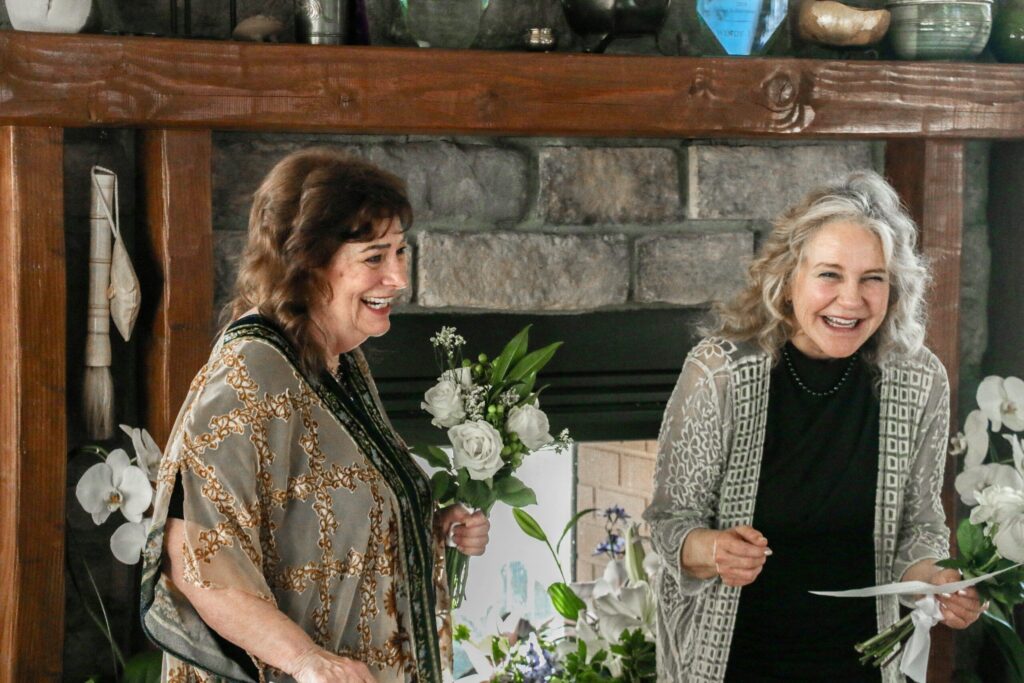
The marriage of Wendy Ishii and Bo Dimon is the story of creative conflict resolution, forgiveness and financial pragmatism LAPORTE – When Bo Dimon learned that Wendy Ishii keeps a voodoo doll of her on her fireplace mantle – and she...

John Moore
Reporter
Rockmount — maker of Western wear for rock stars and truckers — turns 80 this year
Bernadette Berdychowski
bernadette.berdychowski@denvergazette.com
Updated 2 days ago
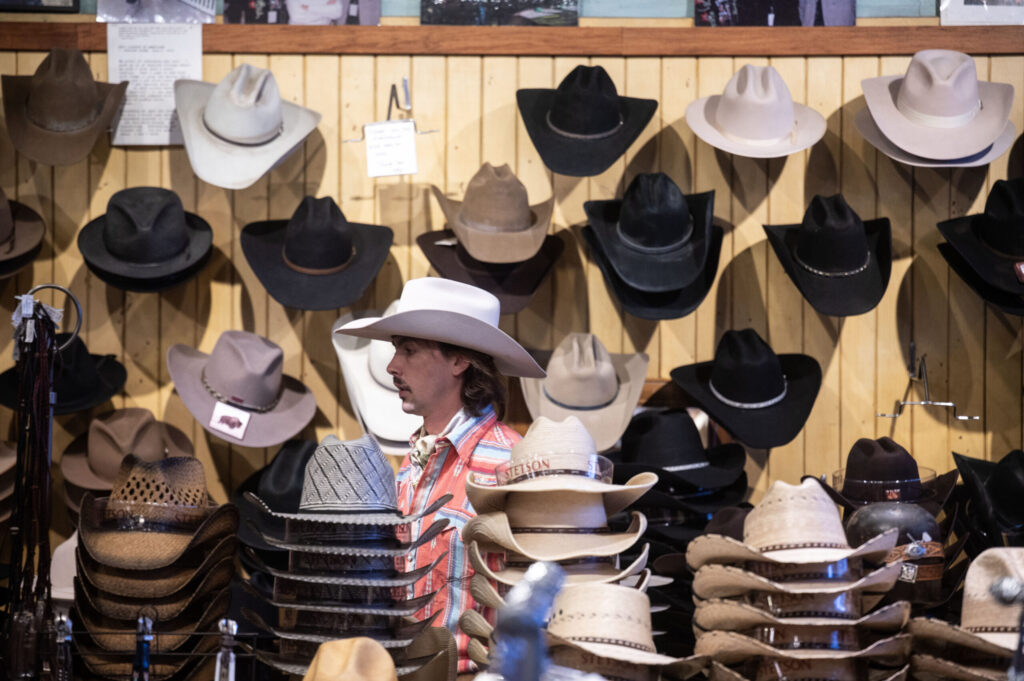
While most clothing labels follow the latest trends or aim to make new ones, Rockmount Ranch Wear is content with the Western style it fashioned nearly 80 years ago. Its Lower Downtown shop — showcasing the Western wear it spread...

Bernadette Berdychowski
Reporter

This winter, treat yourself to theater with music, mirth or meat on its bones
John Moore
john.moore@denvergazette.com
Updated 4 days ago
The top 2026 trend in local theater: Companies are moving their plays from city to city staged for your enjoyment and convenience There is an embarrassment of riches on Colorado theater stages this winter. And, to a growing degree, you...
John Moore
Reporter

U.S. overdose deaths fell through most of 2025, federal data reveals
The Associated Press
the-associated-press@denvergazette.com
Updated 5 days ago
NEW YORK — U.S. overdose deaths fell through most of last year, suggesting a lasting improvement in an epidemic that had been worsening for decades. Federal data released Wednesday showed that overdose deaths have been falling for more than two...

The Associated Press
Reporter

Doctors: Changes to U.S. vaccine recommendations are confusing parents
Bob Smith
bob.smith@gazette.com
Updated 6 days ago
Dr. Molly O’Shea has noticed growing skepticism about vaccines at both of her Michigan pediatric offices and says this week’s unprecedented and confusing changes to federal vaccine guidance will only make things worse. One of her offices is in a...

Bob Smith
Reporter
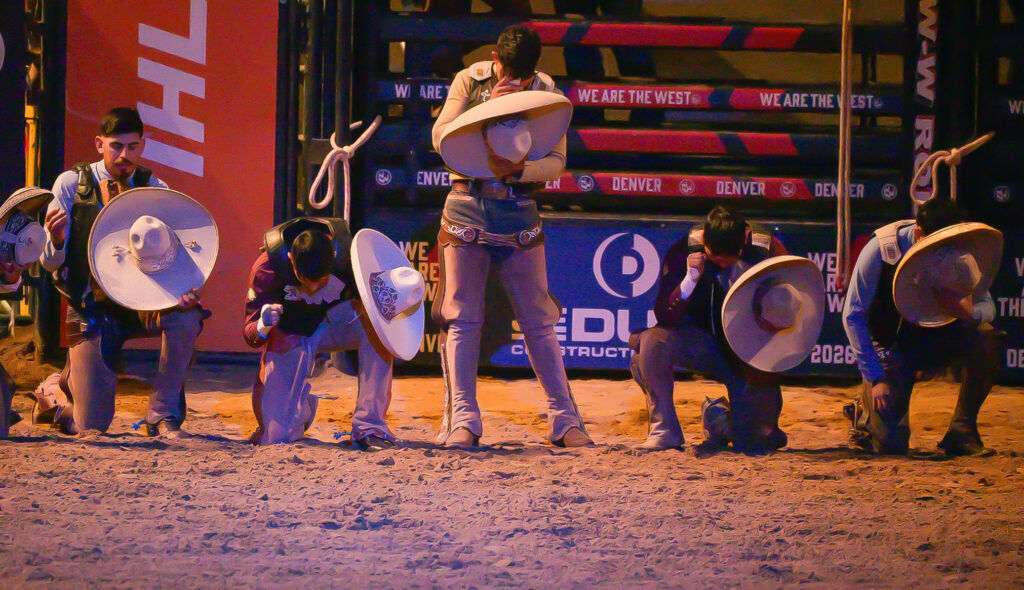
PHOTOS: Mexican Rodeo Extravaganza
Jerilee Bennett
jerilee-bennett@denvergazette.com
Updated 6 days ago

Jerilee Bennett
Reporter

Grateful Dead founding member Bob Weir dies at 78
The Associated Press
the-associated-press@denvergazette.com
Updated 1 week ago
LOS ANGELES — Bob Weir, the guitarist and singer who as an essential member of the Grateful Dead helped found the sound of the San Francisco counterculture of the 1960s and kept it alive through decades of endless tours and...
The Associated Press
Reporter

Snow farming: How some Colorado ski areas combat a dry winter
Seth Boster
seth-boster@denvergazette.com
Updated 1 week ago
When the snow isn’t falling at some Colorado ski areas, the directive is simple. Go find it. “We gotta do what we gotta do,” said Tim Kerrigan, vice president of mountain maintenance at Ski Cooper. And it might sound simple,...
Seth Boster
Reporter

AROUND TOWN: Holiday Debutante Ball has 58-year tradition
Linda Navarro
linda-navarro@denvergazette.com
Updated 2 weeks ago
Ten young women in traditional formal white gowns, long gloves and pearls were presented as the 2025 Colorado Springs Debutantes in a sparkling December ball in Broadmoor International Center. The evening’s floral theme was “Velvet and Vines” and special flowers...

Linda Navarro
Reporter
PREV
PREVIOUS
Gear up and save at ski swap coming to Colorado Springs, Denver
In Denver and Colorado Springs, there’s a new way to gear up for ski season — and save money. That’s the stated aim of Rocky Mountain Ski Swaps, the Utah-based venture that expanded to Denver last year. Before the Denver Ski Swap on Nov. 14-15 at the Jeffco Fairgrounds, a two-day sale of new and […]

Trails to take shape in Lost Canyon between Denver, Colorado Springs
Work is underway to open a highly anticipated outdoor destination between Denver and Colorado Springs. Castle Rock’s Town Council recently approved a contract for trail construction in Lost Canyon Ranch Open Space — an approval that also came with a unanimous vote on a master and management plan. The plan had been in the works […]