





EDITORIAL: Trampling Colorado’s locals on energy, housing

What’s the common thread between Gov. Jared Polis’ roadmap to green energy and his agenda for affordable housing?
That is, aside from the fact each will backfire on the state’s economy in one or more ways.
The answer is that both steamroll local laws that are more in tune with the needs of their communities — in pursuit of pipe dreams.
One aims to eliminate all greenhouse gas emissions — when in fact Colorado has virtually no impact on global climate in the first place. The other seeks to create more affordable housing on a wing and a prayer, oblivious to how the housing market really works.
A Gazette report last week on Polis’ mad dash to 100% renewable power generation and “net zero” carbon emissions by 2040 indicates the governor’s green energy gurus are targeting city and county land-use rules that could slow development of wind and solar energy projects.
The Colorado Energy Office, The Gazette notes, has released a report that looked at county zoning, permitting and wildlife regulations that might tie up renewable projects and concluded the patchwork of such local rules may not support the speed and scale needed to meet climate goals. The report hinted a statewide permitting framework could eventually replace the current mix of county-level approvals, encroaching on local governments but supporting the push for more state control under recent energy and building-code mandates.
Meanwhile, our news affiliate Colorado Politics reported that the Polis administration is taking a “victory lap” because some cities are said to be falling in line with statewide land-use mandates he pushed through the legislature to address the oft-invoked housing “crisis.”
His new laws override local zoning codes in various ways, on matters ranging from the number of housing units per parcel to parking. All essentially serve to cram more Coloradans into less space. Such “density zoning” is the hobby horse of the self-styled urban visionaries at the Capitol who purport to know better than the rest of us how we could live more “sustainably.” Foremost among their priorities toward that end is to get more of us to live closer together.
But Polis might want to cork up the champagne for now. As Colorado Politics points out, the lauded cities are only in partial compliance with the state’s micromanagement — the highest compliance rate being 60%, according to a new “compliance dashboard” the administration rolled out — while a number of other cities are in open rebellion.
The governor in May issued an executive order requiring local governments to knuckle under or risk losing out on assorted sustainable housing grants. Six Front Range cities filed suit. Arvada, Aurora, Glendale, Greenwood Village, Lafayette, and Westminster contend the executive order as well as the new laws violate the state constitution.
There’s good reason Colorado policymakers — including the framers of our state constitution — gave wide latitude to local governments and particularly the state’s many “home-rule” cities. Locals have a much better idea whether or not they can live with high-rise housing that packs people cheek to jowl, or for that matter, a sprawling array of solar panels in their midst.
There is of course nothing inherently wrong with such developments, but locals should have a say — and their locally elected governments are the most likely to heed their wishes. It’s what Jefferson meant when he said, “The government closest to the people serves the people best.”
Disregarding that wisdom is problematic even when the goal is achievable. It’s absurd when the goal is a mirage to begin with.


EDITORIAL: Handouts won’t help Springs homeless
The Gazette Editorial Board
thegazette-editorial-board@gazette.com
Updated 18 hours ago
The Colorado Springs Homeless Union is at a crossroads. Not a labor union, the volunteer initiative endeavors to “present a unified voice” and “call for fair treatment” for our city’s homeless, as noted in a Gazette report last week. As...
The Gazette Editorial Board
Reporter

EDITORIAL: DPS’ fiscal affairs amount to fuzzy math
The Gazette Editorial Board
thegazette-editorial-board@gazette.com
Updated 18 hours ago
A fresh audit of Denver Public Schools revealed a startling reality: Colorado’s largest school district owes more in long-term debt than it owns in assets. As The Denver Gazette reported last month, the 2024-25 fiscal year audit revealed DPS carries...
The Gazette Editorial Board
Reporter
EDITORIAL: A get-out-of-jail pass for Colorado’s illegal immigrants
The Gazette Editorial Board
thegazette-editorial-board@gazette.com
Updated 1 day ago
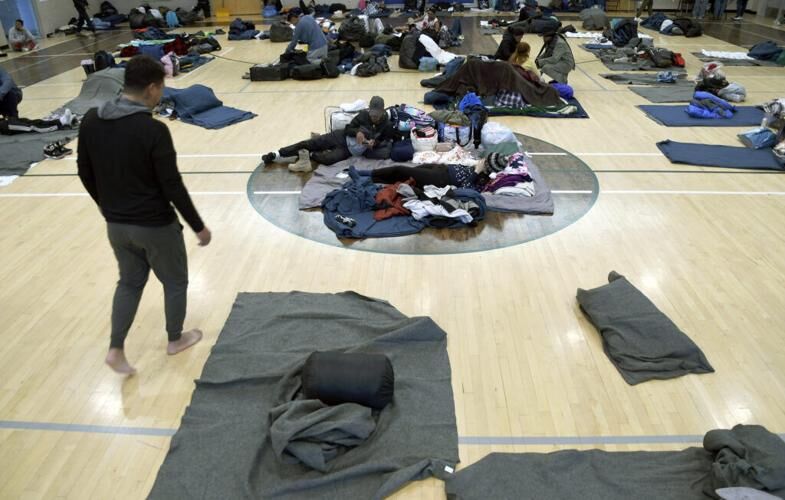
Leave it to the ACLU and a sympathetic federal judge to fret over the arrests of illegal immigrants in Colorado — because the agents who made the busts didn’t show evidence in advance that the suspects posed a flight risk....
The Gazette Editorial Board
Reporter

EDITORIAL: Food stamps a ‘SNAP’ for Colorado’s illegal immigrants
The Gazette Editorial Board
thegazette-editorial-board@gazette.com
Updated 3 days ago
There’s no telling if the the latest lawsuit against the Trump administration by Democrat-leaning states — this time, challenging restrictions on food stamps for illegal immigrants — will find a sympathetic ear on the federal bench. Colorado’s Attorney General Phil...
The Gazette Editorial Board
Reporter

EDITORIAL: Retail theft robs all Coloradans
The Gazette Editorial Board
thegazette-editorial-board@gazette.com
Updated 6 days ago
Colorado shoppers are accustomed to it: You’re checking out as another “customer” walks by. With stolen items, they sidestep security personnel and cameras. Business carries on as usual; like a breeze, the shoplifters slip out the automatic sliding doors as...
The Gazette Editorial Board
Reporter
EDITORIAL: Another failure of justice, another Colorado tragedy
The Gazette Editorial Board
thegazette-editorial-board@gazette.com
Updated 6 days ago
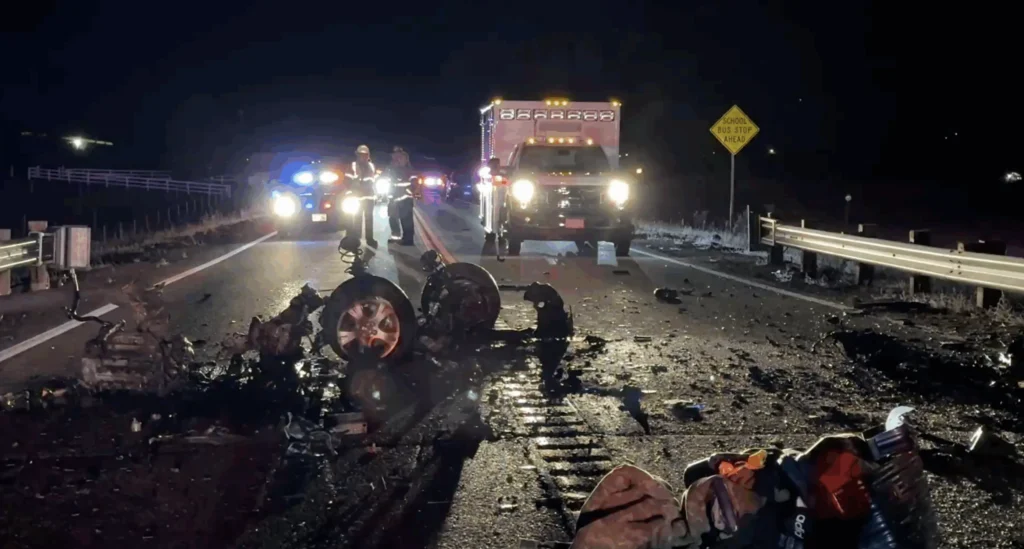
Just what does it take to keep a violent career criminal behind bars — and the public out of harm’s way — in the state of Colorado? Apparently, Walter Huling’s dozen-year record of violent and other serious crimes, including parole...
The Gazette Editorial Board
Reporter
EDITORIAL: Unleashing Colorado’s nuclear potential
The Gazette Editorial Board
thegazette-editorial-board@gazette.com
Updated 7 days ago
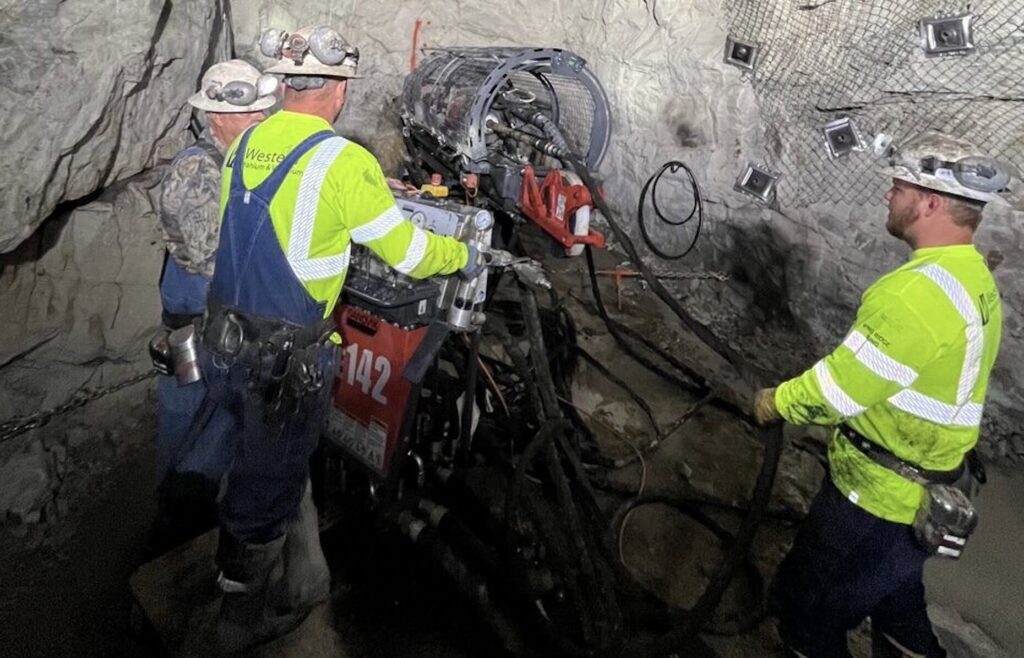
The energy revolution is here. Never before has Colorado been better positioned to embrace an all-of-the-above approach to powering homes, businesses and data centers — the kind championed by Energy Secretary Chris Wright, a Coloradan through and through. Oil remains...
The Gazette Editorial Board
Reporter

EDITORIAL: Coloradans have much to be thankful for
The Gazette Editorial Board
thegazette-editorial-board@gazette.com
Updated 1 week ago
Thanksgiving means getting together and breaking bread with loved ones. It is about family of all backgrounds, beliefs and political persuasions. Nothing in society is more important than family, no matter how anyone defines the concept. Family can mean blood...
The Gazette Editorial Board
Reporter

EDITORIAL: Don’t shutter Pueblo coal plant — at all
The Gazette Editorial Board
thegazette-editorial-board@gazette.com
Updated 1 week ago
To meet Colorado’s surging need for electricity, our state needs energy from a diverse array of dedicated sources. Unfortunately, with the pending closure of the two remaining, operational, coal-fired units at Xcel Energy’s Comanche Generating Station in Pueblo, things are...
The Gazette Editorial Board
Reporter

EDITORIAL: Don’t remove Colorado’s guardrails on hemp
The Gazette Editorial Board
thegazette-editorial-board@gazette.com
Updated 1 week ago
News last week that Colorado state lawmakers might loosen restrictions they had imposed two years ago on intoxicating hemp products was both disappointing and troubling. It’s disappointing because it would reverse rare progress by our usually THC-friendly legislature. It also...
The Gazette Editorial Board
Reporter
PREV
PREVIOUS

ENDORSEMENTS: YES to 2G, YES to 310 on Denver’s ballot
First, an easy YES to Referred Question 2G on Denver’s municipal ballot. The case for 2G is in fact self-evident. At-large Denver City Council members aren’t elected the same way as other council members or, for that matter, any other city officials. Unlike in the races for those other elected posts, candidates for the council’s […]
Jeffco teachers' union failed to vet its 'Cleanup Crew' | Jimmy Sengenberger
In August, the Jefferson County Education Association endorsed Peter Gibbins, Tina Moeinian and Michael Yocum for Jeffco’s school board in this fall’s election, proudly branding them the “Cleanup Crew.” It was a curious label. All but one member of the current board are already union-backed. Cleaning up whose mess, exactly? It turns out they have […]